
Key Factors Affecting Industrial Peristaltic Pump Hose Life and How to Improve It
In the world of fluid handling, peristaltic pumps are lauded for their seal-less design and capacity to efficiently handle harsh chemicals, high-viscosity fluids, and shear-sensitive media. However, the effectiveness of this fluid handling system is ultimately linked to a singular and vital element: the elastomer hose. Dubbed the “heart” of the peristaltic pump, the hose is the sole element in direct fluid contact and the only element exposed to constant mechanical stress.
For plant managers and engineers, hose failure is not just a maintenance activity but a key contributor to Unplanned Downtime and Operational Expenditure (OPEX). For a reduced Total Cost of Ownership (TCO) to be achieved, one must grasp the trifecta of factors affecting hose life, i.e., Mechanical Pressure, Thermal Constraints, and Material Compatibility.
Mechanical Fatigue & Operating Pressure
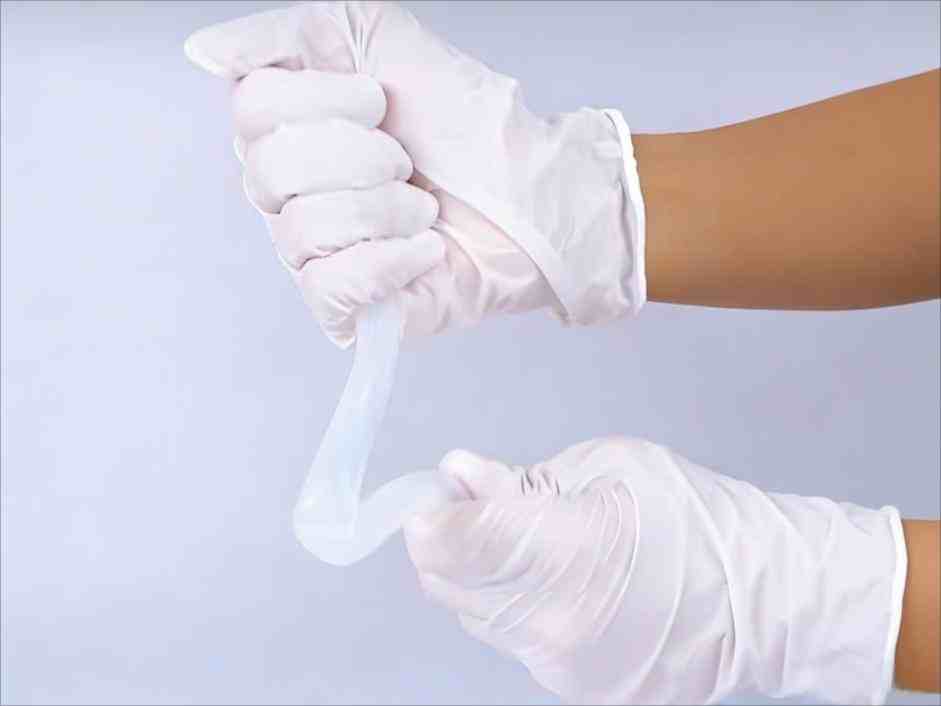
The peristaltic action relies on the repeated compression and restitution (rebound) of the hose. While this allows for precise dosing and strong suction lift, it also subjects the elastomer to intense mechanical fatigue.
The Impact of Backpressure
Operating pressure, specifically discharge or backpressure, is a leading cause of premature hose rupture. As the system pressure increases, the pump head must exert greater force to fully occlude the hose to prevent “slip” or backflow. This increased compression force accelerates the breakdown of the hose’s internal structure. In high-pressure applications—typically those exceeding 6 bar (87 PSI)—standard hoses may delaminate or burst.
Pump Speed and Cycle Frequency
The life span of a hose is measured in terms of ‘compressions,’ and hence, the rotational speed (RPM) of the pump is inversely proportional to the life span of the hose. Although it may appear efficient to run a pump at high speeds to attain maximum flow rates, doing so drastically reduces the life span between maintenance intervals. Engineers suggest ‘oversizing’ the pump so as to increase the time between hose replacements.
Thermal Constraints (Temperature)
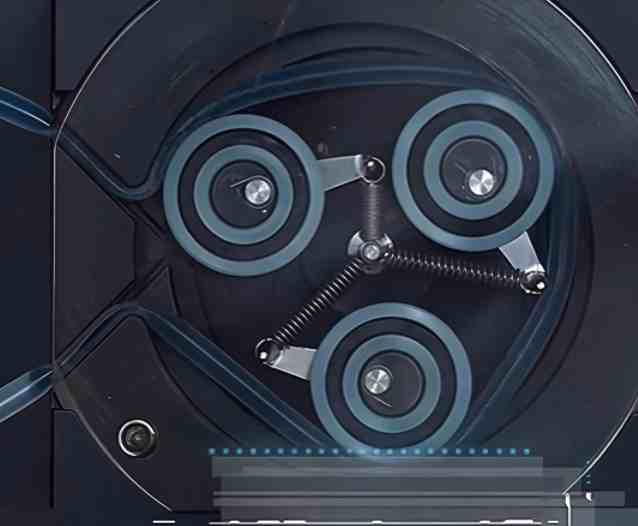
Temperature is the silent killer of industrial elastomers. Each type of hose material has its specific temperature range. When operating close to the limit of this range, the physical properties of the material will change.
- High-temperature softening: As the temperature rises, the elastomer usually loses its “memory” or recovery ability. If the hose fails to quickly return to its original shape after being rolled, the vacuum will disappear and the flow rate will decrease. Moreover, high temperature will also reduce the tensile strength of the material, making it more prone to failure due to pressure.
- Acceleration of chemical reactions: According to the Arrhenius equation, chemical reactions usually accelerate as the temperature rises. A fluid that is only slightly corrosive at 20°C may become extremely corrosive at 60°C.
- Low-temperature brittleness: On the contrary, an extremely low temperature environment will cause the hose to become stiff and brittle. Due to the lack of sufficient flexibility in the material to withstand mechanical deformation, this will result in “stress cracking” during the sealing cycle.
Chemical Compatibility & Material Selection
The selection of the appropriate material in the selection process is the most critical decision. The inappropriateness of the pumped medium and the hose material may cause the hose to swell by absorbing the pumped fluid or may cause the hose to brittles by leaching the plasticizers from the elastomer. Both conditions cause the hose to fail.
The “Right Tool” Principle
Industrial environments call for special solutions. For example, while Natural Rubber is the gold standard for Abrasive Mining Slurries owing to its exceptional toughness, it will fail instantly if exposed to oil or hydrocarbon products. In these cases, NBR (Nitrile) is a mandatory choice.
Technical Specification: Chemical Resistance & Performance Matrix
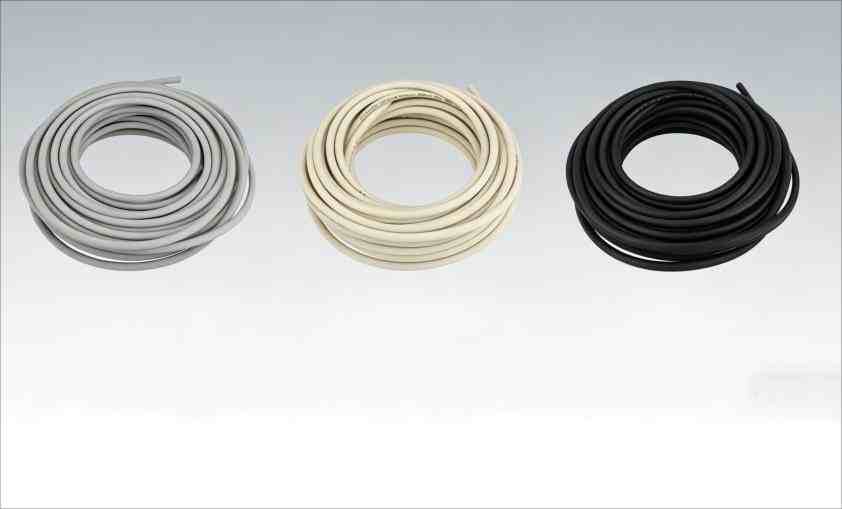
To assist in the selection process, the following matrix outlines the technical thresholds for the most common industrial hose materials.
| Hose Material | Abrasion Resistance | Chemical Resistance | Temp. Range | Primary Applications |
| Natural Rubber (NR) | Excellent | Moderate | -20°C to 80°C | Mining Slurries, Mineral Processing |
| EPDM | Good | Excellent (Acids/Alkalis) | -30°C to 120°C | Chemical Treatment, Water Utility |
| NBR (Buna-N) | High | Good (Oils/Greases) | -10°C to 100°C | Oily Wastewater, Fuel Transfer |
| FKM (Viton) | Moderate | Outstanding (Solvents) | -10°C to 200°C | High-Temp Aromatics, Refineries |
| Thermoplastic (TPE) | Good | Excellent | -20°C to 130°C | Food, Pharma, Sterile Dosing |
Maintenance Best Practices
Even the highest-quality hoses will fail prematurely if the water pump is not maintained properly. To maximize the service life, engineers should focus on the following three aspects:
- Precision Occlusion/Shimming: There is a need for extreme precision in the gap between the roller and the track. Over-occlusion or crushing the hose too hard will unnecessarily generate heat and stress. On the other hand, under-occlusion will cause internal leakage, which will scour or wear out the inner bore of the hose.
- Lubrication Management: In high-pressure industrial pumps, the housing is normally filled with a lubricant, commonly silicone or glycerin-based. This lubricant has two functions: one is to reduce the friction between the roller and the outer wall of the hose, and the other is to dissipate the heat generated due to continuous compression.
- Suction Side Optimization: High vacuum on the suction side can cause “hose collapse.” Ensuring that the suction line is as short and straight as possible reduces the strain on the hose during the restitution phase.

In industrial fluid handling, it is not luck but engineering design that dictates how long the flexible hose of a peristaltic pump will last. By carefully balancing the working pressure, monitoring fluid and environmental temperatures, and choosing materials compatible with the fluid, operators can extend the Mean Time Between Failures (MTBF).
Optimization of these factors can save you more than just the cost of a hose. It will protect your entire production line from the downstream costs of lost time. If you are ever in doubt, consider consulting a JIHPUMP technical specialist to perform a chemical compatibility test and duty cycle analysis to optimize your system for maximum life.