
Peristaltic Pump Common Troubleshooting and Quick Solutions
Peristaltic pumps are widely used across various industries, including pharmaceuticals, food and beverage, water treatment, and chemical processing. These pumps are highly valued for their precise fluid handling, contamination-free transfer, and low maintenance requirements. However, like any mechanical system, peristaltic pumps may encounter operational issues that can affect their efficiency and performance.
This article will guide you through common troubleshooting techniques for peristaltic pumps and provide preventive maintenance measures to enhance their longevity and reliability.
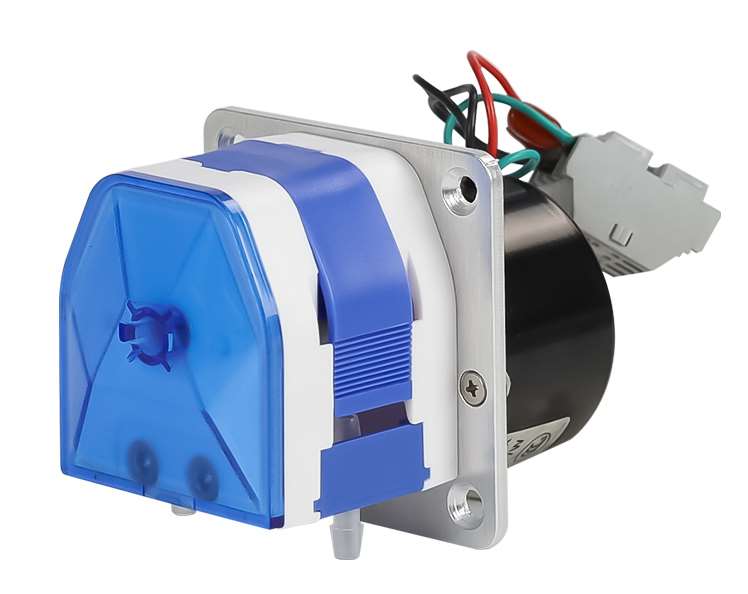
Understanding the Basic Structure and Operating Principles of Peristaltic Pumps
To effectively troubleshoot and maintain a peristaltic pump, a fundamental understanding of its basic structure and operating principles is essential. A typical peristaltic pump consists of the following key components:
- Pump Housing: The external casing that encloses the internal mechanisms.
- Rotor: A rotating component that holds the rollers or shoes.
- Rollers or Shoes: Compressive elements that sequentially squeeze the pump tube. Rollers typically offer lower friction, while shoes provide a larger contact area for higher pressure applications.
- Pump Tube: A flexible tube made of various elastomeric materials (e.g., silicone, Tygon, Viton) that is the primary fluid-carrying component. The selection of the tube material is crucial for chemical compatibility and longevity.
- Stator or Track: A curved or linear support against which the pump tube is compressed.
- Drive Mechanism: Usually an electric motor coupled with a gearbox to provide controlled rotation of the rotor.
The operating principle of a peristaltic pump relies on peristalsis – the rhythmic contraction and relaxation of a tubular structure to propel its contents forward. As the rotor turns, the rollers or shoes move along the pump tube, progressively compressing it against the stator. This compression creates a moving seal that forces the fluid ahead of it. Behind the compression point, the tube rebounds, creating a vacuum that draws more fluid into the tube. This continuous cycle of compression and relaxation generates a consistent flow of fluid through the pump.
Understanding this fundamental mechanism is crucial for diagnosing issues. For instance, problems with flow rate could be related to the efficiency of the compression and rebound of the tube, while unusual noises might stem from the interaction between the rollers/shoes and the tube.
Common Issues and Targeted Solutions
Despite their robust design, peristaltic pumps can experience certain operational issues. Recognizing these common problems and knowing how to address them promptly is vital for maintaining efficient operations.
Unstable or Insufficient Flow Rate
This is a frequently encountered issue that can significantly impact process efficiency.
| Possible Causes | Troubleshooting Steps | Preventive Measures |
| Incorrect Pump Tube Size or Material | Verify pump tube specifications to ensure compatibility with the pump and fluid. | Use high-quality pump tubes specifically designed for peristaltic pumps. |
| Worn or Damaged Pump Tube | Inspect the tube for wear, flattening, cracks, or leaks; replace if necessary. | Establish a regular pump tube replacement schedule. |
| Improper Roller/Shoe Adjustment | Check and adjust roller or shoe pressure according to manufacturer guidelines. | Periodically inspect and maintain roller adjustments. |
| Blockage or Obstruction | Inspect inlet and outlet lines for blockages, kinks, or collapsed sections; remove any obstructions. | Implement filters or strainers in the inlet line to prevent debris entry. |
| Air Entrapment | Purge air from the system by running the pump at a low speed with the outlet line open. | Ensure proper venting and system design to prevent air entrapment. |
| Inadequate Suction Head | Verify suction head is within the pump’s operational capacity and reposition fluid source if necessary. | Maintain optimal placement of the fluid source to ensure efficient suction. |
| Pump Speed Setting | Check and adjust the pump speed setting as needed. | Regularly review pump speed settings to ensure desired performance. |
Abnormal Noise or Vibration
Unusual sounds or excessive vibrations can indicate underlying mechanical issues that need to be addressed promptly.
| Possible Causes | Troubleshooting Steps | Preventive Measures |
| Misaligned or Damaged Rollers | Inspect pump rollers for wear or misalignment and replace if needed. | Regularly inspect and replace worn rollers. |
| Incorrectly Installed Tubing | Ensure tubing is installed with the correct tension and alignment. | Follow manufacturer’s guidelines for proper tubing installation. |
| Debris Inside the Pump Head | Remove foreign objects from the pump head. | Clean and inspect the pump head regularly to prevent debris accumulation. |
| Motor or Gearbox Issues | Inspect the motor and gearbox for faults or lubrication issues. | Lubricate and maintain motor and gearbox components as recommended. |
Rapid Pump Tube Rupture
Premature failure of the pump tube is a significant concern, leading to process interruptions and potential fluid loss.
| Possible Causes | Troubleshooting Steps | Preventive Measures |
| Excessive Pressure or Vacuum Conditions | Check system pressure and ensure it is within recommended limits. | Use pressure sensors or relief valves to maintain optimal pressure levels. |
| Incorrect Tubing Material | Use chemically compatible tubing for the pumped fluid. | Select high-quality tubing with verified chemical resistance. |
| Sharp Roller Edges | Inspect rollers for sharp edges and replace if necessary. | Regularly inspect and replace worn-out rollers. |
| Operating at High Speeds for Extended Periods | Reduce pump speed if excessive wear is observed. | Avoid prolonged operation at maximum speed to minimize tubing fatigue. |
Liquid Leakage
Leakage is an obvious sign of a problem that needs immediate attention to prevent fluid loss and potential hazards.
| Possible Causes | Troubleshooting Steps | Preventive Measures |
| Improperly Secured Tubing Connections | Re-secure all tubing connections and clamps. | Routinely check tubing and connections for signs of wear. |
| Tubing Rupture or Pinhole Formation | Inspect tubing for cracks or holes and replace if needed. | Replace tubing at recommended intervals to avoid failures. |
| Pump Head Misalignment | Ensure the pump head is properly aligned and fully closed. | Regularly inspect and maintain proper pump head alignment. |
| Chemical Degradation of Tubing | Verify that the tubing material is resistant to the chemicals being pumped. | Use chemical-resistant tubing suited for the specific application. |
General Daily Maintenance and Preventive Measures for Peristaltic Pumps

Implementing a routine maintenance schedule is crucial for ensuring the long-term reliability and optimal performance of peristaltic pumps. Key daily and preventive measures include:
- Visual Inspection: Regularly check the pump for any signs of leaks, unusual noises, or excessive vibration. Inspect the pump tube for wear, damage, or improper positioning.
- Tube Inspection and Replacement: Establish a schedule for inspecting and replacing the pump tube based on operating hours, fluid properties, and manufacturer recommendations. Keep spare tubes readily available.
- Cleaning: Keep the pump exterior clean and free from dust and debris. If the pumped fluid is corrosive or hazardous, follow appropriate cleaning procedures.
- Roller/Shoe Inspection: Periodically inspect the rollers or shoes for wear, damage, or proper rotation. Ensure they are securely mounted.
- Lubrication (if applicable): Follow the manufacturer’s lubrication schedule for bearings and other moving parts. Use the recommended lubricants.
- Calibration (if necessary): If precise flow rates are critical, periodically calibrate the pump according to the peristaltic pump manufacturer’s instructions.
- Record Keeping: Maintain a log of maintenance activities, tube replacements, and any encountered issues. This can help identify recurring problems and optimize maintenance schedules.
- Operator Training: Ensure that all personnel operating and maintaining the peristaltic pump are properly trained on its operation, troubleshooting, and maintenance procedures.
In summary
the consistent application of proactive maintenance practices, combined with a thorough understanding of potential failure modes and systematic troubleshooting techniques, are paramount for maximizing the operational lifespan, ensuring the reliability, and optimizing the performance of peristaltic pump systems across their diverse applications. By adhering to the guidelines outlined in this article, users can significantly minimize downtime, reduce maintenance costs, and maintain efficient fluid transfer processes.