
Analysis of Several Situations of Bellows Pump Hose Damage
The peristaltic pump hose, as a consumable of the peristaltic pump, may encounter various damages during use. Under normal conditions, when transporting room temperature liquid at a pump speed of 100 revolutions per minute, the lifespan of silicone hose can reach 200-400 hours, while the imported A-60-F pump tube can last for 2000-10000 hours. However, during the usage process, improper installation of the peristaltic pump hose or the presence of certain corrosive substances in the liquid can lead to premature and abnormal wear of the hose. What are the actual causes of these damages? Let’s conduct a brief analysis on this issue today.
1. Analyzing the damage on the peristaltic pump hose: If the damaged peristaltic pump hose appears to have a sharp cut, resembling a knife slash, it is usually caused by the impeller wheel and flange edge of the pump head cutting through the hose. This type of damage is often due to an excessive length of hose inside the pump head, which causes the hose to swing and come into contact with the flange edge during pump operation. The constant friction between the flange edge and the hose leads to rapid wear and tear, typically resulting in complete hose failure within approximately ten minutes. Along with hose damage, there will be visible debris generated within the pump.
Solution: When installing the pump tube, ensure that the hose inside the pump head is straight and does not have excess slack. Additionally, place specialized plastic clamps near the pump inlet and outlet where the hose is secured to prevent loosening and shifting during operation.
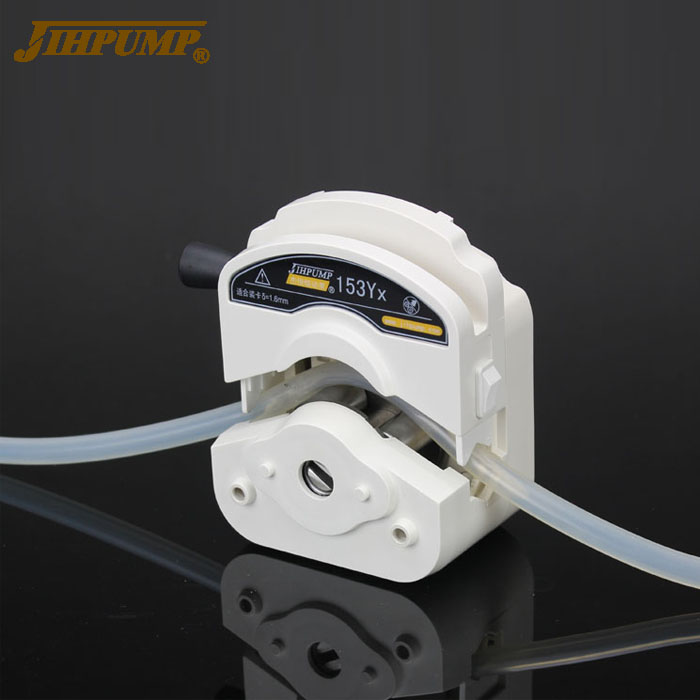
2. Analyzing hose shape for damage indications: If the hose appears completely flattened, losing its elasticity, with a thinner wall thickness and severe surface wear, this phenomenon is usually caused by an immobilized impeller wheel, debris on the pump head pressing surface and impeller wheel, or excessive rotational speed. When the impeller wheel of the peristaltic pump becomes jammed, it directly rubs against the peristaltic pump hose, increasing friction and causing high temperatures that further degrade the hose surface. Excessive temperatures can also cause the hose to lose its elasticity, with temperatures exceeding 140 degrees Celsius potentially leading to melting and deformation of the hose.
Solution: Regularly inspect the mobility of the impeller wheel in the peristaltic pump; clean the pressing surface of the pump head; and reduce the operating speed of the peristaltic pump if necessary.
3. Analyzing hose size and shape for damage indications: Peristaltic pump hoses may transport different types of liquids, some of which can cause corrosion or dissolution of certain materials. If we observe signs such as brittleness, hardening, loss of elasticity, color change, swelling, or damage to the peristaltic pump hose, it is likely due to incompatibility with the specific liquid being transported.
Solution: Identify hose materials that are resistant to corrosion from the liquid being transported. JieHeng Peristaltic Pump Company offers a wide range of material options for pump tubes, providing chemical compatibility testing data for most liquids and detailed chemical compatibility tables for reference. You can also conduct soaking tests using sample hoses to determine their resistance to specific liquids.
These three types of damage are common issues encountered during peristaltic pump usage. If you encounter problems with hose damage during use, do not panic. Please perform corresponding inspections and troubleshooting based on the condition of the damaged hose. Alternatively, you can contact JieHeng Peristaltic Pump Company’s after-sales service hotline for detailed analysis, verification, and provision of appropriate solutions.