
How Does a Flow Rate Peristaltic Pump Distribute Flow?
Peristaltic pumps have gained widespread recognition for their gentle fluid handling and precise flow control, making them indispensable tools in various industries. Among them, flow rate peristaltic pumps stand out for their ability to deliver accurate and consistent fluid volumes. These pumps find extensive applications in fields such as chemical processing, environmental protection, and food processing, where they are used to transfer a wide range of liquid media.
This article delves into the fundamental aspects of flow rate peristaltic pumps, including their components, working principles, and the key mechanisms employed for flow rate distribution.

What is a Flow Rate Peristaltic Pump?
Components of a Flow Rate Peristaltic Pump
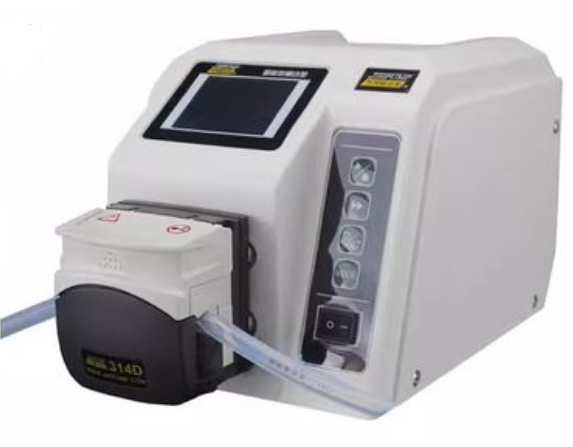
A typical flow rate peristaltic pump consists of a pump head, a drive mechanism, and a control system.
Pump Head: This is the central unit where the fluid transport occurs. It typically consists of a rotor with embedded rollers that engage and compress a flexible tube.
- Rotor: The rotating element that drives the rollers.
- Rollers: These cylindrical components sequentially compress the tubing, creating a traveling wave that propels the fluid forward.
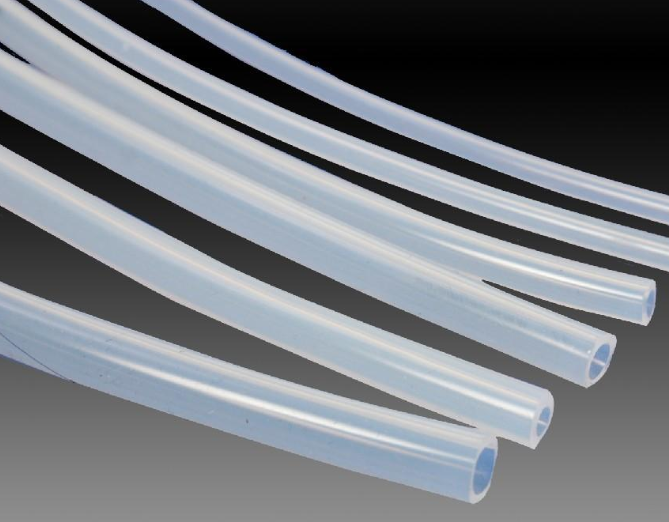
- Tubing: The flexible tube through which the fluid is transported. The choice of tubing material is crucial as it influences factors like chemical compatibility, flow resistance, and durability.
Drive Mechanism: This component provides the power to rotate the rotor. It can be driven by various means, such as:
- Electric Motors: The most common drive mechanism, offering flexibility in speed control and ease of integration.
- Pneumatic Actuators: Utilized in applications where compressed air is readily available.
- Hydraulic Motors: Employed in high-pressure or high-force applications.
Control System: This system regulates the pump’s operation, allowing for precise control over flow rate. It may include:
- Speed Controllers: To adjust the rotational speed of the motor.
- Timers: To control the duration of fluid delivery.
- Sensors: To monitor parameters like flow rate, pressure, and temperature.
Working Principle of a Flow Rate Peristaltic Pump
A flow rate peristaltic pump operates on the principle of peristalsis. A motor-driven rotor equipped with rollers compresses a flexible tube. This compression creates a traveling wave of pressure, drawing fluid into the tube and then propelling it forward.
- Compression Phase: When a roller engages the tubing, it compresses the tube, creating a zone of high pressure behind it.
- Displacement Phase: As the roller moves away, a low-pressure zone is created, drawing fluid into the space.
- Fluid Movement: This continuous cycle of compression and displacement propels the fluid forward through the tubing.
How Does a Flow-Rate Peristaltic Pump Distribute Flow?
Precise flow rate distribution is a critical aspect of these pumps. Several key mechanisms are employed to achieve accurate and consistent fluid delivery:
1. Adjusting Pump Head Speed
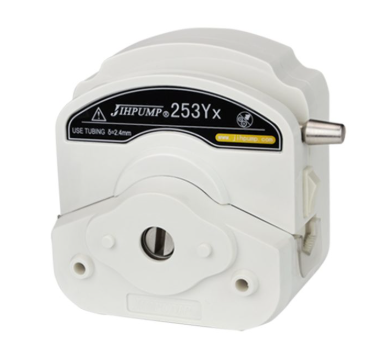
In flow rate peristaltic pumps, flow rate is primarily regulated by adjusting the rotational speed of the pump head. By altering the pump head’s rotational speed, the volume of the pumping chamber can be adjusted, thereby controlling the amount of liquid entering the chamber per unit of time.
When the rotational speed of the pump head is increased, the volume of the pumping chamber becomes larger, resulting in a greater volume of liquid entering the chamber, thus increasing the flow rate. Conversely, decreasing the rotational speed of the pump head reduces the volume of the pumping chamber, leading to a decrease in flow rate.
2. Modifying Pump Tubing Structure
In addition to controlling the pump head speed, flow rate peristaltic pumps can also adjust the flow rate by modifying the tubing structure within the pump head.
The pump head consists of inlet and outlet tubing. By changing the diameter and length of these tubes, the flow velocity and resistance of the fluid within the pump chamber can be altered, thus adjusting the flow rate. A larger diameter tube can increase the flow velocity within the pump chamber, resulting in a higher flow rate. Conversely, a longer tube will increase the fluid resistance within the tube, leading to a lower flow rate.
Therefore, by modifying the tubing structure, different flow rates can be achieved.
3. Structural Composition and Design Parameters of Peristaltic Pumps
The flow rate distribution capability of a peristaltic pump is also influenced by its structural design and design parameters. The design of the pump head directly impacts the flow distribution performance.
Some flow rate peristaltic pumps employ a multi-stage pump head structure, achieving multi-stage flow distribution through the series and parallel connection of pump chambers. The multi-stage structure allows for the distribution of fluid to different pump chambers based on varying demands, thus enabling multi-level flow control.
Additionally, the choice of material and the number of rollers in the peristaltic pump head also affect the flow distribution results. Different materials and quantities of rollers can impact the driving force of the fluid, sealing performance, and overall pump performance, thereby influencing the accuracy and stability of flow distribution.
Application Areas of Flow Rate Peristaltic Pumps
Flow rate peristaltic pumps have found widespread use in numerous industries due to their ability to deliver precise and controlled fluid flow.
- Chemical industry: They are commonly used to transfer various chemical media, such as acids, bases, and slurries. Their adjustable flow rate distribution capability makes chemical production processes more flexible and efficient.
- Environmental protection: In wastewater treatment, flow rate peristaltic pumps can handle different flow rates to meet the specific requirements of the treatment process.
- Food processing: The food processing industry often requires precise flow rate distribution for liquid transfer, which flow rate peristaltic pumps excel at.
- Pharmaceutical industry: These pumps are used to transfer various solutions like proteins, suspensions, and emulsions, ensuring accurate flow control.
Customized (OEM) Peristaltic Pumps
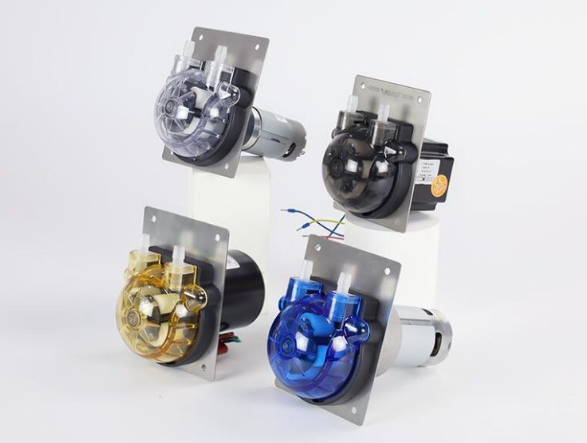
For many applications, standard off-the-shelf peristaltic pumps may not meet specific requirements. OEM peristaltic pumps offer a solution by providing customized designs to meet unique needs:
- Tailored Performance: OEM pumps can be designed to achieve specific flow rates, pressures, and accuracies.
- Integration with Existing Systems: Pumps can be customized to integrate seamlessly into existing equipment or production lines.
- Material Selection: Specific materials can be chosen for the pump head, tubing, and other components to ensure compatibility with the fluid and operating environment.
- Size and Form Factor: Pumps can be designed to fit into compact spaces or to withstand harsh environmental conditions.
JIHPUMP specializes in the research, development, and manufacturing of peristaltic pumps. We are committed to providing customers with reliable peristaltic pump solutions and are focused on meeting the specific needs of OEM customers by offering customized solutions.