
How to Choose a Micro Peristaltic Pump Correctly
A micro peristaltic pump is an ultra-compact device that moves small volumes of fluid. It works much like the action of a nightcrawler: successive squeezes of a flexible tube push a slug of liquid ahead and then let the tube spring back. That simple motion makes these pumps indispensable in hospitals, environmental monitoring, drug manufacture, beverage production, and countless lab setups.
Because so many fields now depend on them, choosing the right model for any task can be tricky. This article examines the pumps inner workings, key features, typical uses, and practical factors that guide an informed purchase.

Working Principle of a Micro Peristaltic Pump
A micro peristaltic pump operates by alternately compressing and releasing flexible tubing using one or more rollers inside the pump, thereby achieving fluid transfer. As the rollers move within the tube, they squeeze the tubing, reducing its cross-sectional area and forming a seal. This creates a negative pressure that drives the fluid forward.
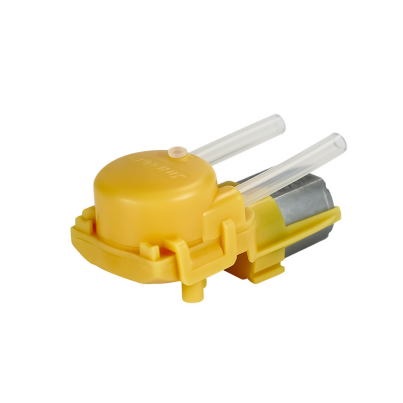
Specifically, a micro peristaltic pump typically consists of a flexible tube and a roller or rotor that compresses this tube. When the peristaltic pump starts working, the roller or rotor rolls along the length of the tube, squeezing the tube and reducing its cross-sectional area. This process of compression and release forms a continuous peristaltic wave, similar to the movement of a worm. The peristaltic wave starts from the inlet and moves towards the outlet, pushing the fluid to the outlet. Each time the compressed section passes the inlet, fluid is drawn into the tube and, as the peristaltic wave progresses, is transported along the tube to the outlet.
Characteristics of a Micro Peristaltic Pump
Micro peristaltic pumps have earned a strong reputation for accurate flow, adaptability, and gentle handling of delicate liquids. Several features explain this acclaim:
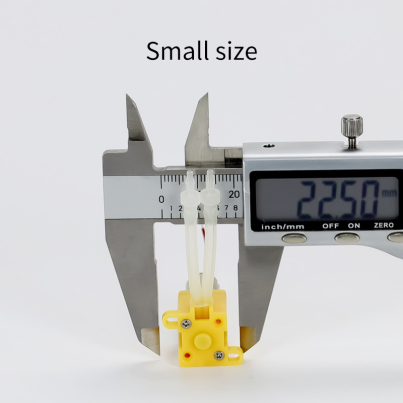
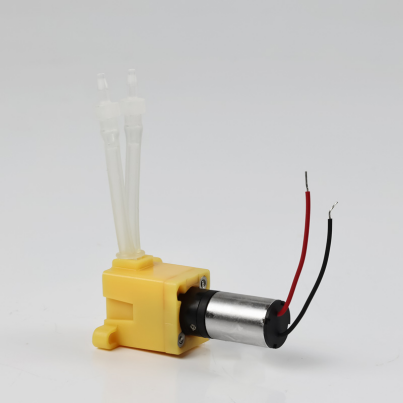
- Compact structure, easy to install and maintain: The pump’s small footprint and light weight allow quick placement in tight spaces and simple upkeep when campus engineers travel between labs.
- High-precision flow control: Flows can be set to the microliter level, making the unit ideal whenever exact dosing or quantitative delivery is essential for research consistency.
- Versatility: The device passes everything from viscous syrups to strong acids and slurries without damage, opening up options across many experimental disciplines.
- Low maintenance: Durable rollers seal each channel, so routine cleaning and sterilizing require little more than warm soapy water and periodic replacement of disposable tubing.
- Programmability: Built-in microcontrollers accept user-defined profiles, thus automating ramping, pausing, and multiple-repeat routines that otherwise consume hours of personnel time.
- Quiet operation: Micro peristaltic pumps are typically very quiet, making them suitable for applications where noise is a concern.Noise levels hover below laboratory chatter, so the pump fits comfortably beside sensitive instruments or in incubated enclosures.
Application Areas of a Micro Peristaltic Pump
A tube-based, small device, the micro peristaltic pump is now being applied in a surprisingly wide variety of applications today. Its popularity rests on dependable flow control, amenability to thick fluids, and the long service life that researchers and engineers appreciate. The following areas indicate its use.
1. Biotechnology and Pharmaceuticals
Precise Fluid Handling: These pumps deliver small volumes of cells, enzymes, or drugs with millilitre-to-microlitre accuracy, reducing experimental scatter.
Sensitive Applications: Because the pumping action is gentle, shear-sensitive samples are not compromised, whether plasmid DNA, platelets, or monoclonal antibodies.
Sterile Environments: Users can quickly sterilize the pump head or utilize low-cost disposable tubing, thus avoiding cross-contamination in clean rooms.
2. Chemical Analysis
Analytical Instruments: Spectrophotometers, gas or liquid chromatographs, and other laboratory instruments rely on the pump to deliver fluids at a precise rate, which is crucial for accurate data.
Reagent Delivery: They reliably deliver reagents to analytical systems, ensuring consistent and reproducible results.
Sample Preparation: The instrument easily dilutes, mixes, or otherwise prepares samples for analysis, streamlining workflow and minimizing manual handling.
3. Medical Devices
Dialysis Machines: In dialysis machines, micro peristaltic pumps accurately control the flow of blood and dialysis fluid, ensuring efficient removal of waste products.
Infusion Pumps: These pumps are used to deliver medications and fluids intravenously at precise rates, maintaining patient safety and comfort.
Drug Delivery Systems: Micro peristaltic pumps can be incorporated into drug delivery systems, such as implantable pumps, to deliver controlled doses of medications over time.
4. Food and Beverage Processing
Ingredient Delivery: Food and drink factories use micro peristaltic pumps to meter additives, liquids, and powders into batches, safe from spillage and cross-contamination.
Batch Processing: The ability to transfer the exact volume needed makes them ideal for filling mixers, kettles, and filling lines first pass.
Quality Control: The pumps are used by quality control laboratories to extract accurate aliquots of product so that technicians can perform tests with no doubt.
5. Environmental Monitoring
Sample Collection: Analysts use micro peristaltic pumps to extract water, soil, and air samples without disturbing the original matrix.
Field Testing: Installed in handheld testers, they push the sample straight to sensors or slides, doing away with the wait for lab results.
Continuous Monitoring: In fixed stations, the pumps supply data loggers that plot temperature, turbidity, or pH hour by hour.
Key Points for Selecting a Micro Peristaltic Pump
Micro peristaltic pumps, ultra-micro variants, and hose pumps usually top the engineers list for fluid-handling tasks because they combine adaptability, accurate flow, and durable operation. Yet, picking the right model for any given duty still calls for a thoughtful look at several key factors.
The guidance below outlines the main features you should weigh to reach a sound choice.
1. Flow Rate
- Required flow rate: Start by measuring the exact volume you need moved over time, since that figure sets the unit capacity and motor load.
- Flow rate variability: Decide whether the flow must stay fixed or if slight swings are tolerable; many models let the operator tweak the rate on the fly.
2. Fluid Properties
- Viscosity: Thick liquids demand extra torque, so plan for stronger motors or special tubing when handling syrups, slurries, or pastes.
- Temperature: Match the pump to the fluids heat; some units cope with steam, while others break down near freezing.
- Chemical compatibility: Check whether hoses, rollers, and seals resist your liquid; mismatched materials rust, swell, or crack and turn a loyal pump into a headaches cost center.
- Abrasiveness: Choose a pump built from hard-wearing materials and configured to resist the constant scouring of abrasive suspensions.
3. Pressure Requirements
- Backpressure: Determine the backpressure the pump will encounter, such as from filters, valves, or other components. The pump must be able to overcome this pressure.
- Pressure sensitivity: If the fluid is pressure-sensitive, choose a pump that can maintain a gentle flow without causing damage.
4. Pump Design
- Single-roller or multi-roller: Single-roller pumps are simpler and less expensive, while multi-roller pumps can provide higher flow rates and pressures.
- Motor type: Consider the motor type (AC, DC, stepper) based on power requirements, noise levels, and control needs.
- Sealing mechanism: Ensure the pump has a reliable sealing mechanism to prevent leaks and contamination.
- Single-roller or multi-roller: Single-roller pumps are simpler and less expensive, while multi-roller pumps can provide higher flow rates and pressures.
- Motor type: Consider the motor type (AC, DC, stepper) based on power requirements, noise levels, and control needs.
- Sealing mechanism: Ensure the pump has a reliable sealing mechanism to prevent leaks and contamination.
In Summary
Micro peristaltic pumps are versatile and reliable tools that can be used in a wide range of applications. When selecting a micro peristaltic pump, it is essential to consider the flow rate, fluid temperature, pressure requirement, noise level requirement, and stability requirement of the application. By carefully considering these factors, you can choose the right micro peristaltic pump for your needs.
The micro peristaltic pump is a widely used peristaltic pump. If you don’t know where to start selecting, you can contact us directly and we will provide a reasonable solution based on your needs.