
[Guide] How to Use a Peristaltic Pump?
Peristaltic pumps are crucial for fluid transportation in fields such as medicine, pharmaceuticals, food and beverages, chemical processing, etc. It creates a vacuum by squeezing and releasing the tubes, thereby sucking the fluid into it, ensuring precise and pollution-free fluid transportation. In this article, you will learn how to use peristaltic pumps and other information about them.
Part 1. Components of Peristaltic Pump
Before we go further to how to use a peristaltic pump, it’s important to know its components. Let’s take a look at the components of a peristaltic pump.
Pump Head: Pump head is the part of the pump that houses the rotor and the flexible tube. It can often be detached for maintenance or replacement.
Tube/Hose: Tube is a key component made from flexible material that can withstand repeated squeezing and release. But the material of the tube is chosen based on fluid.
Rotor: Rotor is a rotating part inside the pump that has rollers or shoes attached to it. As the rotor turns, the rollers or shoes press against the flexible tube to create a squeezing action.

Rollers/Shoes: Rollers or shoes are mounted on the rotor and are responsible for compressing the flexible tube. They create a series of occlusions that push the fluid through the tube as they move.
Drive Mechanism: Drive mechanism includes the motor and gearbox that power the rotor. It determines the speed and direction of the rotor’s movement, which in turn controls the flow rate and direction of the fluid.
Control System: Control system can be simple or complex. It’s depending on the pump’s design. Control system may include speed controllers, sensors, and digital interfaces for monitoring and adjusting the pump’s performance.
Part 2. How to Use Peristaltic Pump?
Step 1. Install the Tube
Before using the peristaltic pump, you need to install the tubing into the pump head. When installing the tubing into the pump head, ensure that it is properly aligned with the rollers. Then, you need to close the pump head and secure the tubing so it stays in place during operation.
Step 2. Set Up the Peristaltic Pump
After the tubes are installed, it’s time to set up the peristaltic pump. First, make sure the pump is plugged into a power source. Then start the pump and let it run at a low speed to allow the fluid to fill the pipes and remove any air bubbles. Then use the control panel to set the desired flow rate.

Step 3. Operate the Peristaltic Pump
Now you can turn on the peristaltic pump and start delivering fluid. During fluid delivery, you need to pay attention to the process, ensure the flow rate is consistent, and monitor the fluid level and flow rate. Adjust and optimize this data to maintain optimal transportation performance.
Step 4. Shut Down Peristaltic Pump Properly
After completing the fluid delivery, you should turn off the peristaltic pump, disconnect the tube, and properly clean and store the tube.
Part 3. Common Issues & Solutions of Peristaltic Pump
1. Tube Wear & Tear
Due to constant decompression and release, the peristaltic pump tube will deteriorate over time and need to be checked regularly for signs of wear, such as cracks, leaks, or loss of elasticity, and replaced if necessary
2. Flow Rate Inconsistency
Uneven or inconsistent flow rate delivered by the peristaltic pump is also a common issue in peristaltic pump transportation. Currently, you need to check if there are any obstacles or blocks in the tube line. Make sure the pipeline is properly installed in the pump head and that the rollers or pads are in good condition and properly squeeze the tubing.
3. Peristaltic Pump Not Starting
The peristaltic pump may not start or run properly. In this scenario, you need to verify if the pump is properly connected to the power supply and if the fuse is blown or the circuit breaker is tripped.
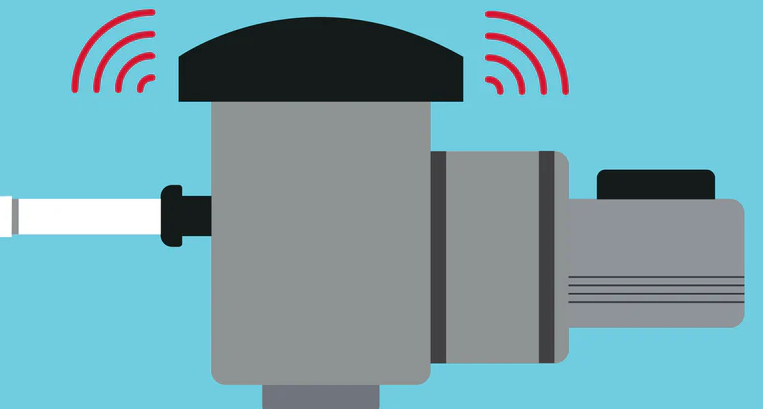
4. Excessive Noise or Vibration
The peristaltic pump may make unusual noises or vibrations when running. In this case, you need to check for loose parts or installation problems, as well as damage or misalignment of the rotor rollers.
5. Leakage
Fluid leakage is also a potential issue that may arise when using a pump. At this time, it is necessary to check for cracks or improper fittings in the pipes and joints. If there are any damages, you should replace them immediately.
6. Reduced Peristaltic Pump Efficiency
If the peristaltic pump is noticeably less efficient or not performing as expected, check the tubes and rollers for wear, make sure the choke adjustment is set correctly, and clean the pump components.
7. Motor Overheating
The peristaltic pump motor is overheating. At this time, you need to pay attention to whether the pump is running at an excessive speed or under too much load, and check if the ventilation around the pump and motor is good, and if there are any signs of damage or malfunction.
Part 4. Cautions of Using Peristaltic Pump
1. Tube Selection
You need to choose the appropriate peristaltic pump tube to transport the fluid. Peristaltic pump tubes are made of different materials. However, different materials of tubes are suitable for transporting different fluids. Therefore, it is very important to choose the right peristaltic pump tube according to the fluid being transported.
2. Tubing Maintenance
Regular maintenance is crucial since even the highest-quality tubes may eventually malfunction. Check the tubes for wear, cracks, leaks, and any twists or kinks.
3. Pump Maintenance
When using a peristaltic pump, it is not only important to pay attention to the maintenance of the pipeline, but also the maintenance of the peristaltic pump. Keeping the peristaltic pump clean, especially its rollers and pump heads, and paying attention to the maintenance of the peristaltic pump can prevent contamination during transportation and ensure smooth operation of the pump.
In Summary
Using a peristaltic pump is not complicated. The key is selecting the right tubing, proper installation, and adjusting the pump speed according to your needs. If you’re looking for a reliable peristaltic pump, JIHPump is the best peristaltic pump manufacturer you can trust. The professional team will help you find the most suitable product, ensuring high-quality performance for safe and efficient fluid transfer.
FAQs about Peristaltic Pump
1. How does the peristaltic pump work?
A peristaltic pump compresses and releases flexible tubing with rotating rollers or shoes, creating a peristaltic motion that pushes fluid through the tube. As the rollers move along the tubing, they trap and move pockets of fluid, providing a smooth, controlled flow. This mechanism ensures that the fluid only contacts the tubing, making the pump suitable for handling delicate or corrosive fluids.
2. How do I turn on a peristaltic pump?
To turn on a peristaltic pump, you should first ensure it is properly connected to a power source and the tubing is properly installed. Then, turn on the pump by using the power button or switch. Keep an eye on the pump to ensure proper operation and fluid flow.
3. Can peristaltic pumps run continuously?
The answer is yes, peristaltic pumps can run continuously, but it depends on the pump’s design and the tubing material. Continuous operation requires selecting durable tubing and ensuring the pump is rated for extended use.
4. How to prolong the life of a peristaltic pump?
To prolong the life of a peristaltic pump, it’s important to regularly check and replace worn tubing, keep the pump clean, and follow the manufacturer’s maintenance guidelines. Also, keeping an eye on the pump’s performance and maintaining appropriate environmental conditions also helps extend its lifespan.ing and pump components. Also, operating a peristaltic pump dry can result in increased stress on the pump mechanism, leading to reduced performance and a shorter service life.