
Peristaltic Pump Tubing: All You Need to Know
The peristaltic pump tube is an indispensable part of the peristaltic pump. The fluid transportation relies on this tube. The peristaltic pump compresses and relaxes the tube to create a vacuum, allowing fluid to flow, so the peristaltic pump tube must be able to withstand repeated squeezing.
The transport of fluids through different peristaltic pump tubes will have varying effects. In this article, we will give you a comprehensive overview of peristaltic pump tubing and help you choose the best tube for your needs.
Part 1. Key Features of Peristaltic Pump Tubing
Abrasion Resistance: The tubing has excellent abrasion resistance and fatigue resistance, capable of withstanding repeated compression and relaxation, and can be used for an extended period.
Temperature Resistance: The tubing can withstand extreme temperatures, including both high and low temperatures.
Strong Chemical Compatibility: The tubing can resist corrosion from various chemicals and transport fluids with varying chemical properties, making it suitable for a wide range of chemical applications.
Contamination-Free Transfer: The peristaltic pump tubing has low fluid permeability, preventing contamination during transport.
Easy Replacement: The tubing is quick and easy to replace, reducing machine downtime and improving production efficiency.
Part 2. Common Types of Peristaltic Pump Tubing
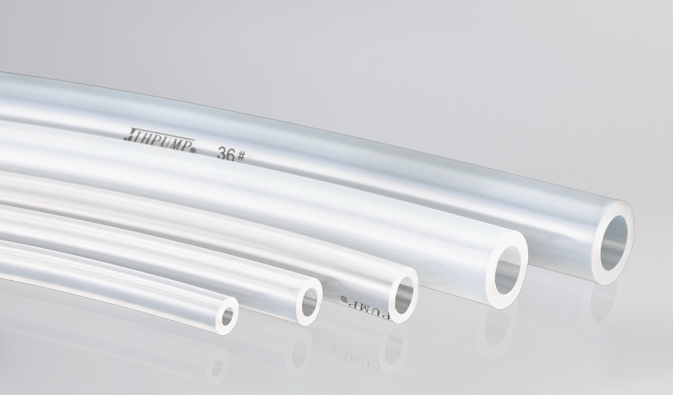
Here are some commonly used types of tubing in the peristaltic pump industry. Each material has its own unique characteristics, and different types of tubing are suitable for various applications. Read on to learn more about peristaltic pump tubing.
1. Silicone Tubing
Silicone tubing is commonly used in peristaltic pumps due to its excellent flexibility, high resilience, and heat resistance. It is typically suited for pharmaceutical, medical, and food applications that require sterilization.
2. PVC (Polyvinyl Chloride) Tubing
PVC tubing is an economical, chemically resistant, and flexible material commonly used in industrial and laboratory settings. It is the best option, especially when cost is a significant consideration.
3. BPT Tubing
BPT tubing is highly biocompatible and durable. It’s ideal for long-term use in pharmaceutical and medical applications.

4. TPV Tubing
TPV tubing offers exceptional flexibility and durability, which is ideal for industrial, automotive, and medical applications where flexibility and chemical resistance are crucial.
5. Viton Rubber
If tubing is required to be used in harsh industrial environments, Viton rubber is a worthy choice due to its excellent chemical resistance and high-temperature tolerance, making it a high-performance material.
6. TPE Tubing
TPE tubing has the features of excellent chemical resistance, high-temperature tolerance, and non-reactivity. Hence, it is ideal for highly corrosive chemical environments, laboratory settings, and applications involving high temperatures.
Part 3. Size of Peristaltic Pump Tubing
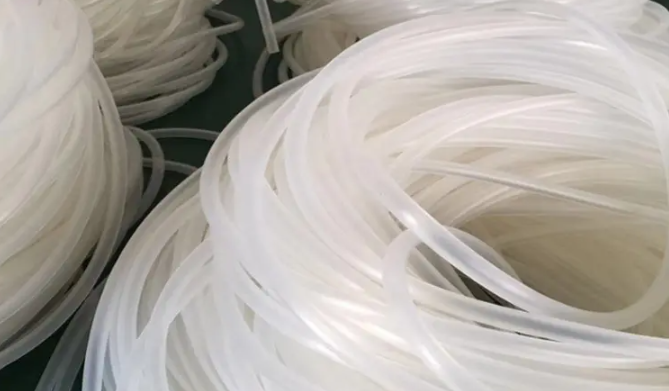
The size of the peristaltic pump tube varies depending on the application environment. Below, we’ve listed the commonly used tubing sizes.
- Inner diameter (ID) of the tube: generally from 0.5mm to 19mm
- Outer diameter (OD) of the tube: generally from 1.6mm to 25.4mm
- Wall thickness: generally from 0.8mm to 4.8mm
Generally, small inner diameters, such as 0.5 mm to 2 mm, are more suitable for use in environments with low flow requirements, such as metering and laboratory work.
Medium inner diameters, such as 3-6 mm, are more versatile and suitable for industrial and medical settings.
Large inner diameters, such as 7-12 mm or larger, are suitable for high flow applications, such as large-volume fluid transfer.
Part 4. How to Choose the Right Tube of Peristaltic Pump?
The applications of peristaltic pump tubing span across various fields such as the pharmaceutical industry, food and beverage industry, chemical processing, water treatment, and laboratory and research settings. Each of these fields has unique requirements for peristaltic pump tubing. Therefore, it’s crucial to choose the right tubing.

The selection of the appropriate peristaltic pump tubing can be evaluated based on the following factors.
Chemical Compatibility: When selecting tubing, it’s crucial to consider the chemical compatibility between the tubing material and the fluid being pumped.
For instance, silicone tubing is better for non-corrosive fluids, while Viton tubing is better for handling corrosive fluids. Choosing the wrong tubing material can lead to degradation of the tubing and contamination of the fluid.
Temperature Resistance: The operating temperature is another crucial factor to consider, especially when it needs to be used in high or extreme temperatures. For instance, silicone tubing can withstand extreme temperatures, whereas other materials may deteriorate or become hard in these conditions.
Durability: The longevity and maintenance frequency of the tubing are affected by its durability. For instance, TPE and PharMed BPT tubing are known for their long service life.
Flexibility: The tubing’s flexibility is crucial for the smooth operation of the pump. Tubing that is too rigid may not allow enough compression, leading to inefficient or pump failure. For instance, silicone tubing offers excellent flexibility, making it a popular choice for applications that require frequent start-stop cycles.
Final Words
We believe you have a thorough understanding of peristaltic pump tubing and have more insight into selecting it. Whether you work in a medical laboratory, a food processing plant, or a chemical processing plant, choosing the right peristaltic pump tubing will ensure that your process runs smoothly and efficiently. But if you are still not sure which tubing is best for your application, you can contact peristaltic pump supplier like JIHPump Peristaltic Pump to help you optimize the peristaltic pump system and enable you to achieve your fluid handling goals.
FAQs about Peristaltic Pump Tube
1. Can PVC tubing be used for peristaltic pump?
PVC tubing can be used in peristaltic pumps. It has advantages such as good chemical resistance, affordability, and moderate flexibility, making it suitable for general purpose use and non-critical fluid transfer. But it’s not ideal for high-pressure, high-temperature, or sensitive applications.
2. What is stopped pump tubing for peristaltic?
Stopped pump tubing is a type of peristaltic pump tubing that has built-in stops or collars at each end to ensure proper positioning within the pump head. These stops help maintain the tubing’s alignment, prevent slipping, and ensure consistent fluid flow, making the tubing easier and faster to install or replace.
3. What tubing make a good peristaltic pump?
A good peristaltic pump tubing is typically made from materials that offer a balance of flexibility, chemical resistance, durability, and temperature resistance. Silicone tubing is popular for its exceptional flexibility and ability to handle high temperatures, making it suitable for a wide range of applications. The tubing from JIHPump is a great choice.
4. Is it ok to run a peristaltic pump dry?
It’s generally not recommended to run a peristaltic pump dry. This can lead to premature wear or damage to the tubing and pump components. Also, operating a peristaltic pump dry can result in increased stress on the pump mechanism, leading to reduced performance and a shorter service life.