
How to Measure and Control Pressure in a Peristaltic Pump?
Peristaltic pump pressure is the force that pushes fluid through a peristaltic pump. Peristaltic pumps work similarly to how a person squeezes a hose with their hand to squeeze out liquid, with rollers inside the pump squeezing the flexible tube and moving the fluid forward. To prevent the fluid from flowing back, the tube must be sealed, which creates pressure. The amount of pressure created affects how quickly and efficiently the fluid is pumped.
Understanding and effectively controlling pressure within a peristaltic pump is critical to ensuring optimal performance, preventing damage, and maintaining accurate fluid delivery. This article delves into the complexities of peristaltic pump pressure, exploring its factors, measurement techniques, control strategies, applications, and common troubleshooting methods.
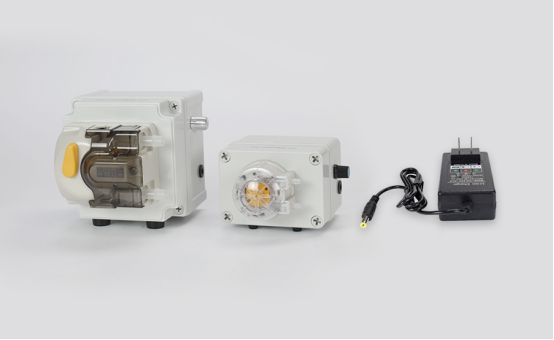
How Peristaltic Pump Pressure Works?
The pressure generated by a peristaltic pump primarily comes from the squeezing force exerted on the tubing. Driven by the motor and constrained by the pump housing ports, the tubing experiences a resistance that induces pressure in the enclosed fluid. As the squeezing force increases, so does the pressure within the tubing, resulting in a higher discharge pressure.
Peristaltic pumps operate by alternately squeezing and releasing a flexible tubing to pump fluids, thereby generating pressure. When the pump starts, rollers or rotors travel along the length of the tubing, squeezing it to reduce the cross-sectional area and form a sealed chamber, creating a peristaltic wave. This wave propagates from the inlet to the outlet, pushing the fluid forward.
What are the Factors that Affect Peristaltic Pump Pressure?
The pressure generated by a peristaltic pump is influenced by a variety of factors that directly affect the pump’s delivery efficiency and performance. The following are some of the primary influencing factors:
- Rotational Speed: Increasing the pump’s rotational speed generally leads to higher pressure. However, excessive speed can cause premature wear and tear on the pump components.
- Tube Material and Thickness: The elasticity and thickness of the tubing significantly impact pressure. Thicker, less elastic tubes tend to generate higher pressures, but they may also be more prone to wear and tear.
- Fluid Properties: The viscosity, density, and compressibility of the fluid influence the pressure generated. Highly viscous fluids require more pressure to pump, while compressible fluids may exhibit pressure fluctuations.
- Pump Head Design: The design of the pump head, including the number and arrangement of rollers, affects the pressure generation. Different designs can produce varying pressure profiles.
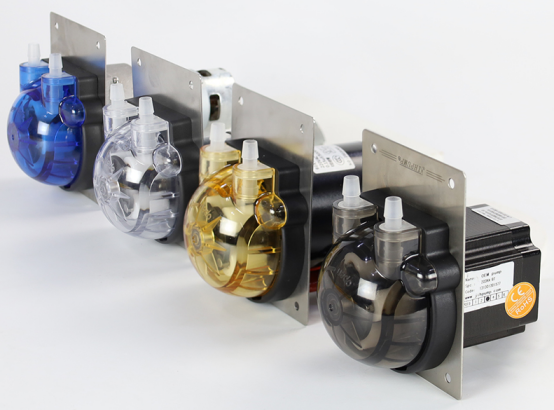
How to Measure and Control Pressure in a Peristaltic Pump?
Measuring and controlling the pressure within a peristaltic pump is essential for safe operation. The pump’s pressure rating directly impacts its ability to function reliably, preventing equipment failure, leaks, or other safety hazards due to overpressure. Knowing a pump’s pressure rating also aids in selecting the most suitable model for specific applications.
The following sections will delve into common methods employed for measuring, controlling, and adjusting various parameters related to peristaltic pump pressure:
Pressure Measurement Methods
There are primarily 3 methods for measuring the pressure of a peristaltic pump. The first method is using Pressure Gauges, the second is using Pressure Transmitters, and the third is using Differential Pressure Transmitters. The following is a detailed description of the operating steps for each method.
1. Pressure Gauges
Digital gauges: These have a digital display and often offer additional features like data logging.
Steps:
Power the gauge: Connect the gauge to a power source.
Configure settings: Set the desired pressure units and other preferences.
Read the pressure: Observe the digital display for the pressure value.
2. Pressure Transmitters
Electronic sensors: Convert pressure into an electrical signal.
Steps:
Install the transmitter: Mount the transmitter at the desired location.
Connect wiring: Connect the transmitter to the control system or data acquisition device.
Calibrate: Calibrate the transmitter using a known pressure source.
Monitor output: Observe the electrical signal or display the pressure value on a connected device.
3. Differential Pressure Transmitters
Measure pressure difference: These transmitters measure the pressure difference between two points.
Steps:
Install the transmitter: Connect the transmitter to two points in the system (e.g., inlet and outlet).
Calibrate: Calibrate the transmitter using a known pressure difference.
Monitor output: Observe the pressure difference displayed on a connected device.
Pressure Control Methods
Controlling the pressure inside a peristaltic pump is essential for safe operation. To ensure optimal performance, here are three key methods to manage the pressure:
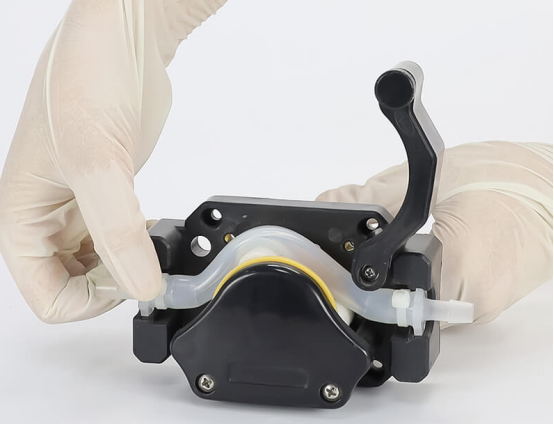
·Rotational Speed Adjustment: Altering the pump’s rotational speed is a common method to control pressure. Increasing speed generally increases pressure, while decreasing it lowers pressure.
·Tube Material and Thickness Selection: Choosing the appropriate tube material and thickness can help achieve the desired pressure range.
·Pump Head Modification: In some cases, modifying the pump head design or replacing it with a different model can effectively adjust pressure.
·Pressure Control Valves: Installing pressure control valves in the system can help regulate the pressure by limiting the flow rate or diverting excess fluid.
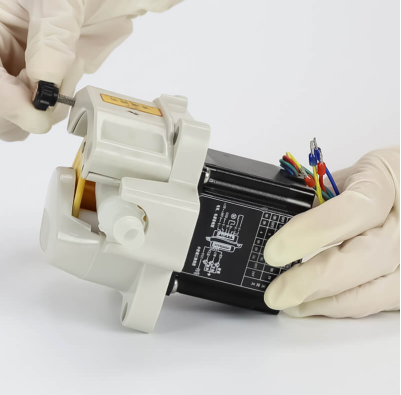
Common Problems and Solutions for Peristaltic Pump Pressure
Peristaltic pumps, while reliable, can encounter pressure-related issues. Here are some common problems and their potential solutions:
- Insufficient Pressure: This can result from low pump speed, worn tubing, or excessive fluid viscosity. To address this, consider increasing the pump’s rotational speed, replacing the tubing, or adjusting fluid properties.
- Excessive Pressure: High pressure can lead to pump damage or premature wear. It may be caused by excessive rotational speed, a clogged tube, or a faulty pressure control valve.
- Unstable Pressure: Fluctuations in pressure can be caused by factors such as air pockets in the fluid, worn tubing, or a malfunctioning pump head.
- Cavitation: Possible causes include low NPSH, suction line leakage, and excessive pump speed. These issues can be resolved by increasing NPSH, checking for leaks in the seals, and reducing pump speed.
- Tubing Wear and Tear: Incorrect tubing material may also cause peristaltic pump pressure changes and lead to equipment failure. It is recommended to use durable tubing, reduce pressure or flow rate, and regularly monitor and replace tubing.
In Summary
Understanding and effectively controlling pressure in a peristaltic pump is essential for ensuring optimal performance and reliability. By carefully considering the factors that influence pressure, employing accurate measurement techniques, and implementing appropriate control strategies, operators can optimize their pump systems for a wide range of applications.
FAQs about Peristaltic Pump Pressure
1. How to calculate suction pressure of a pump?
Suction pressure is influenced by factors such as fluid properties, pump head design, and system configuration. While there are mathematical formulas to estimate suction pressure, it is often more accurate to measure it directly using a pressure gauge or transmitter.
The total suction pressure (Ps) can be calculated using the following equation:
Ps = Pa – Hs – Hf – Hv – Pv
2. What is the pressure of the JIHPUMP peristaltic pump?
The pressure of JIHPUMP peristaltic pumps depends on the specific model, pump head design, speed and fluid characteristics. Please refer to the specifications of the pump or contact us for the exact pressure rating.
3. How much pressure does a peristaltic pump produce?
Peristaltic pumps can produce a wide range of pressures, depending on the factors mentioned earlier. The maximum pressure capability is typically specified by the pump manufacturer.