
Micro Peristaltic Pumps for Soap Dispensers: Why They Are the Best Choice
Personal hand hygiene is closely related to health. For special places such as food factories and hospitals, the hand hygiene of employees is even more related to the life safety of the general public. The slightest negligence may lead to the outbreak of a public health crisis. For this reason, professional places such as food and medicine are all equipped with automatic hand-washing facilities in the hand-washing areas. Whether it is to distribute liquid soap, hand sanitizer or alcohol solution, modern dispensers need to deliver fluids in an accurate, reliable and hygienic way. The pump, as the core of the distributor, plays a crucial role in meeting these requirements.
Although people often use traditional pump mechanisms such as gear pumps or piston pumps, they are confronted with challenges such as clogging, inconsistent flow rates, and difficulty in handling different types of fluids. To overcome these limitations, many manufacturers have chosen micro peristaltic pumps as the ideal solution. With their unique working principle, they can ensure clean, precise and durable distribution, making them the perfect match for soap dispenser systems.
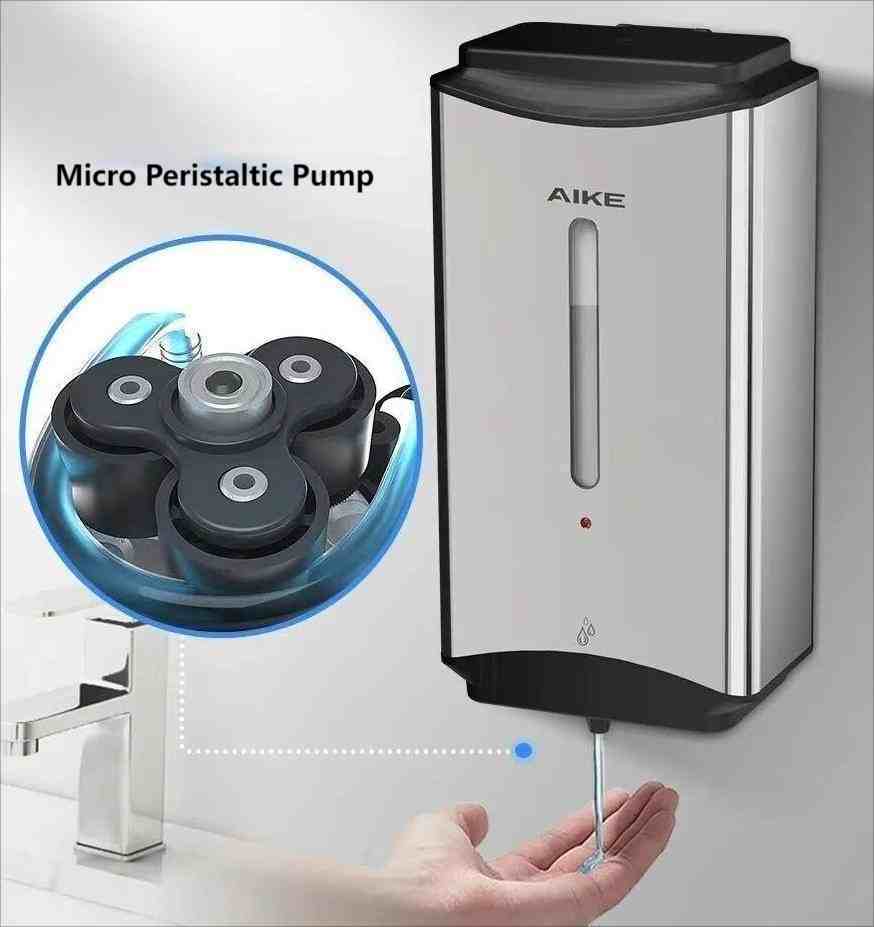
Why Micro Peristaltic Pumps Are the Ideal Choice for Soap Dispensers
The traditional pump types in soap dispensers usually struggle to strike a balance between precision, reliability and cost. Gear pumps wear out quickly when dealing with viscous soap solution. Diaphragm pumps are prone to clogging, especially when they come into contact with thick or foaming liquids. These issues directly affect the user experience and increase the maintenance costs for operators.
In contrast, the concept of peristaltic pump soap dispensers introduces a completely different approach. The working principle of a peristaltic pump is to compress and release a flexible hose with rotating rollers, generating a gentle squeezing effect that moves the liquid forward. The fluid will never come into contact with the pump mechanism itself, but only with the hose. This simple yet effective design brings several core advantages that make the micro peristaltic pump stand out:
Precise and Consistent Allocation
The micro peristaltic pump can deliver precise and repeatable liquid volumes in each cycle. Whether it is a small amount of hand sanitizer or a controllable soap flow, its consistency can ensure a better user experience and help avoid waste.
Hygienic and Pollution-free Operation
Since the liquid only comes into contact with the inner wall of the hose, there is no risk of contamination of the pump mechanism. This is particularly important for soap dispensers in places with strict hygiene requirements such as hospitals, laboratories and food service areas.
No Clogging and Low Maintenance Cost
Traditional pumps may get clogged by thick or foamy soap solutions, while peristaltic pumps can easily handle viscous or particle-containing liquids. The maintenance cost is extremely low – performance can be restored simply by replacing the hose after long-term use.
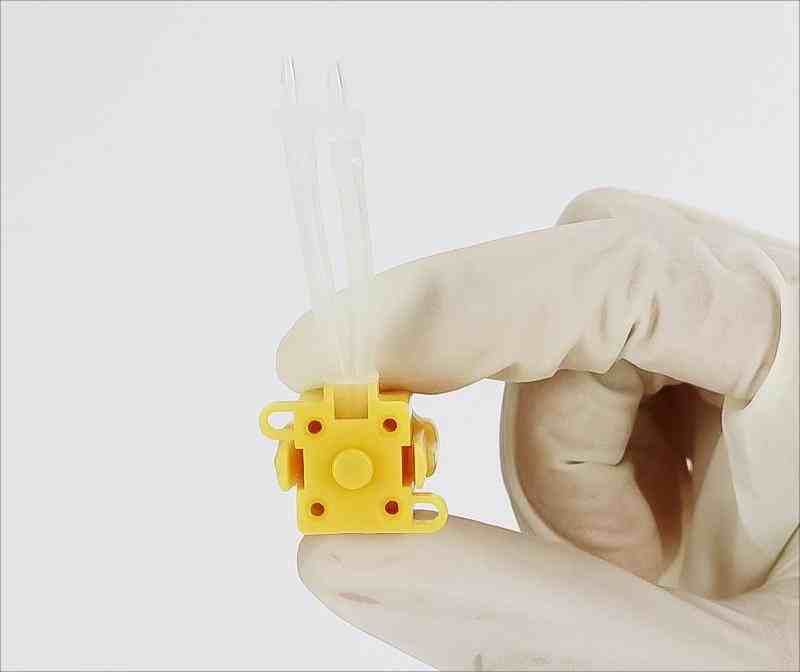
Compatible with Multiple Liquids
From liquid soap solutions and foam solutions to alcohol-based disinfectants and bactericides, micro peristaltic pumps have a wide range of applications. This makes them suitable for multi-purpose soap dispensers or products targeted at different end users.
Durable and with a Long Service Life
Because the mechanical parts of the pump do not come into direct contact with the liquid, wear is reduced. This means that the pump has a longer service life and a lower replacement frequency, thereby reducing the total cost of ownership.
For these reasons, micro peristaltic pumps are rapidly becoming the preferred choice for soap dispensers worldwide.
Micro Peristaltic Pumps Make Soap Dispensers More Reliable in Every Application
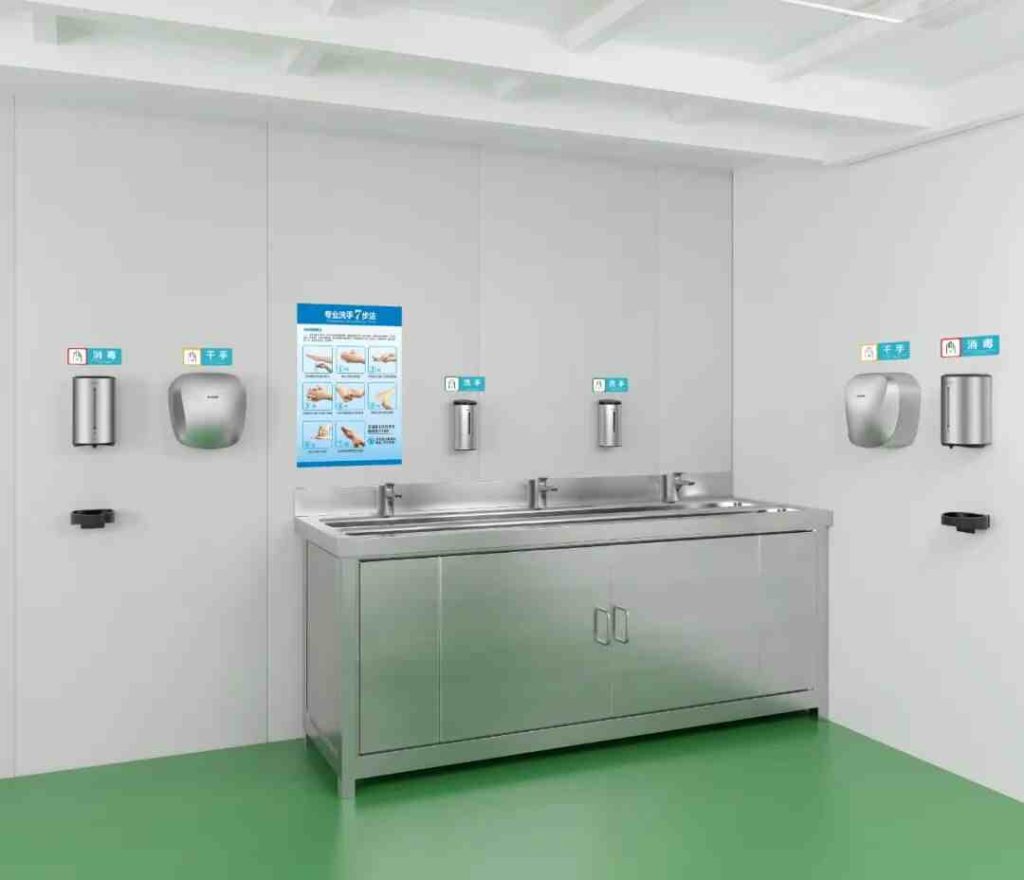
The advantages of micro peristaltic pumps are best seen in considering the wide range of circumstances under which soap dispensers are used. Their robustness and adaptability render them usefully applicable to both public and domestic environments:
Public Health and Safety Environments
Clinics, hospitals, and laboratories require maximum levels of hygiene. Automatic soap-dispensing peristaltic pumps ensure precise dispensing of antiseptic soap or sanitizer and reduce cross-contamination risks to the barest minimum. The free-contamination aspect of peristaltic pumps renders them especially beneficial in such delicate environments.
Educational Institutions
Schools and universities install hundreds of soap or sanitizer dispensers across campuses. Micro peristaltic pumps’ minimal maintenance need and extended lifespan minimize downtime, ensuring students and staff are always supplied with operational hygiene equipment.
Commercial and Hospitality Spaces
Restaurants, hotels, malls, and office buildings all rely on soap dispensers to maintain cleanliness levels. In high traffic areas, pumps must continue to deliver the same degree of performance despite heavy use. Peristaltic pump soap dispensers are capable of doing that, offering consistent operation for thousands of cycles.
Home and Smart Appliances
In the consumer market, people are increasingly turning to smart home appliances, like automated bathroom and kitchen dispensers. Micro peristaltic pumps provide a luxurious feel by giving precise amounts of soap or lotion without making much noise and taking up little space.
Specialized Applications
Certain cleaning and sanitizing fluids are highly viscous, foamy, or even corrosive. Conventional pumps could not handle such fluids, but peristaltic pumps eat them for breakfast and are hence the first choice for specialty dispensers in factories or food-processing units.
With the inclusion of micro peristaltic pumps, soap-dispensing manufacturers can be sure that soap dispensers will function reliably in these diverse applications.
How to Choose the Right Micro Peristaltic Pump for Soap Dispensers
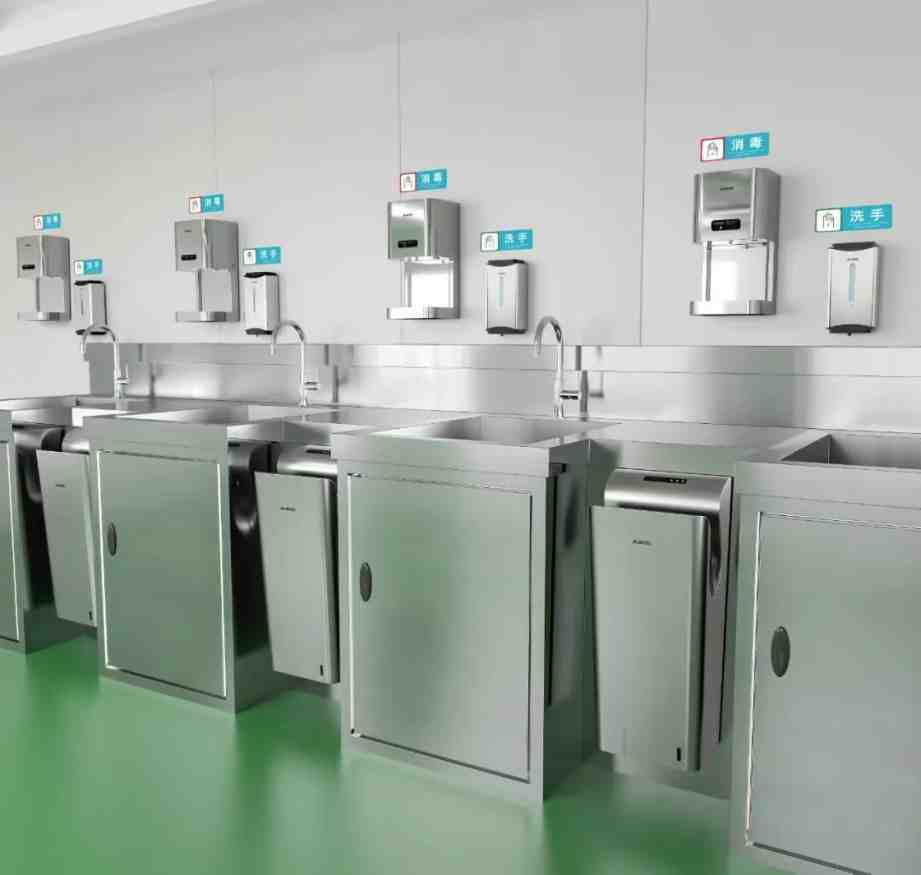
When choosing a micro peristaltic pump for a soap dispenser, manufacturers and buyers should consider the following key factors to ensure the best performance and cost-effectiveness
Flow Rate and Dispensing Accuracy
Different soap dispensers require different output volumes, ranging from small drops of disinfectant to large amounts of soap liquid. It is crucial to select a pump with an appropriate flow range and precision.
Motor Type
Micro peristaltic pumps are usually driven by DC motors or stepper motors. Dc motors are economical, efficient and compact in structure, while stepper motors offer outstanding control and precision for high-end soap dispensers.
Tubing Material and Compatibility
The selection of tube materials must match the liquid to be distributed. For instance, alcohol-based disinfectants may require tubes with higher chemical resistance, while standard liquid soaps can use cost-effective silicone tubes.
Noise and Energy Consumption
For home or office environments, quiet operation is of vital importance. For battery-powered soap dispensers, energy conservation is also an important factor.
Durability and Maintenance
Pumps with long-life design can reduce maintenance requirements and enhance overall reliability. Convenient pump pipe replacement also helps to reduce downtime.
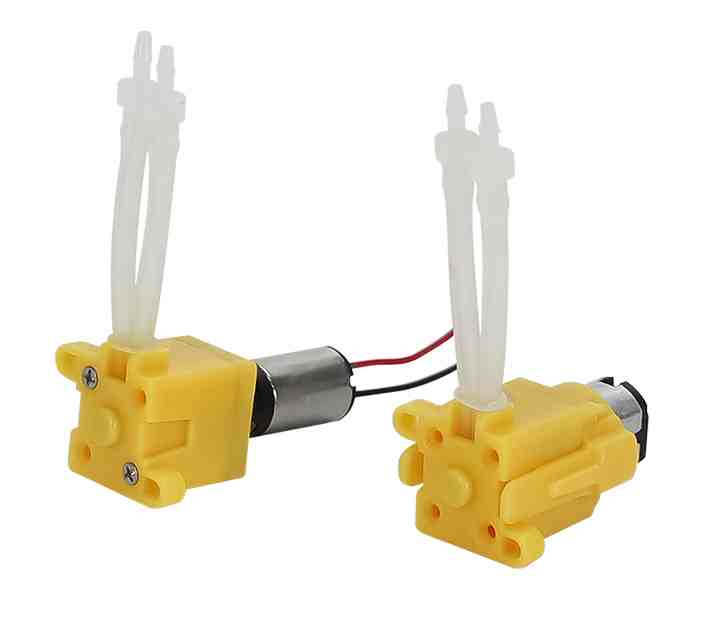
Against this backdrop, many international buyers are turning their attention to Chinese micro peristaltic pumps. For example, JIHPUMP’s WX2 micro OEM peristaltic pump is a high-precision peristaltic pump designed for easy integration into a variety of small devices. Weighing only 10 grams, the entire peristaltic pump is extremely lightweight, adding virtually no weight to the device. Furthermore, its ultra-low noise level makes it ideal for small household appliances requiring a quiet environment. Whether in a laboratory or home care setting, it operates silently.
Wrapping Up
Don’t overlook the role of pumps in soap dispensers. Traditional pumps are typically plagued by clogging, inconsistent or limited fluid compatibility, while micro peristaltic pumps, with the unique structure and mature advantages, have surmounted these problems. They offer precise, sanitary and long-lasting distribution performance, thereby enhancing user experience and working efficiency.
From public schools and hospitals to commercial hotspots with heavy traffic and household appliances, micro peristaltic pumps have become the first choice for soap dispensers in applications of all kinds. By adopting micro peristaltic pumps, soap dispenser manufacturers can ensure their products offer consistent, dependable and clean performance, thereby meeting the growing global expectations for safety and hygiene.