
Why Peristaltic Pumps Are the Best Choice to Transfer Viscous Liquids?
Why does the chocolate sauce always stop and go in the pipeline? Why does the flow rate of ointment filling fluctuate between large and small? On production lines in industries such as food processing and biomedicine, the problem of transporting viscous liquids often troubles engineers. From thick chocolate sauce, high-viscosity ointments to sludge containing a large amount of solid particles, these “troublesome” fluids impose far more stringent requirements on transmission equipment than just water. When dealing with such complex media, traditional pumps often reveal insurmountable limitations. However, peristaltic pumps, with their unique design principles, are becoming an ideal choice for the transmission of viscous liquids.
In this article, we will explore the unique challenges of handling viscous liquids, why peristaltic pumps are the ideal solution, which industries will benefit the most, and how to choose the right pump based on your needs.

Challenges of Transferring Viscous Liquids
Viscous fluids, due to their unique characteristics, are sure to cause some problems during pumping.
- Greater resistance to flow: Viscous fluids are difficult to flow, and this implies that normal pumps will require additional energy to pump them. This will strain the pump components and cause them to be worn out more.
- Risk of clogging: As viscous liquids tend to contain suspended solids or are textured, they can clog the valves and the pump chamber. This will result in downtime and increased maintenance in the long run.
- Shear sensitivity: Viscous products such as milk fat, medicinal gels and biological samples tend to be shear sensitive. Conventional pumps can alter product texture, damage delicate ingredients, or create unwanted foaming.
- Cleanliness and hygiene issues: There cannot be contamination in the pharmaceutical and food sectors. Traditional pumps subject fluids to abrasion against parts, thereby making the process of cleaning cumbersome and increasing the possibility for cross-contamination.
The three primary pain points of traditional pumps such as centrifugal pumps and gear pumps in handling viscous liquids
- Performance degradation: For every 100 cP increase in viscosity, the efficiency of the centrifugal pump may drop by 5% to 15%, and the flow stability may decrease by more than 20%
- Fluid damage: High shear force may destroy sensitive components (such as the activity of biological agents and the structure of food colloids)
- Equipment clogging: When the solid content exceeds 10%, the clogging probability of traditional pumps increases to over 60%, and the maintenance cost triples
Why Peristaltic Pumps Are Ideal for Viscous Liquids?
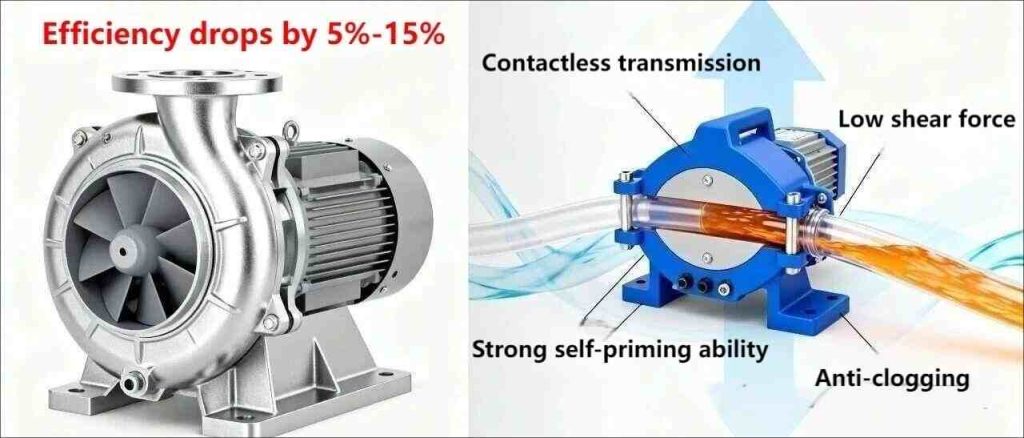
Facing the predicament of traditional pumps, peristaltic pumps have achieved a breakthrough through the principle of flexible hose compression: rotating rollers or pressure blocks compress the elastic hose, forming a continuous vacuum chamber to push the fluid forward. Throughout the process, the fluid only comes into contact with the hose, fundamentally solving the problems of contamination and clogging. This design enables it to handle complex fluids containing 80% solid suspension with ease, ranging from water samples to pastes, without the need to replace the pump head.
- Strong self-priming ability: Even when transporting high-viscosity fluids, peristaltic pumps can self-priming. Unlike centrifugal pumps that usually require pre-filled liquid, peristaltic pumps can start dry and directly draw viscous liquid into the tubes.
- Low shear pumping: The gentle extrusion movement ensures the minimum shear force. This can protect sensitive products such as emulsions, bio-fluids or creams from foaming, separation or degradation.
- No clogging issue: As there are no valves or seals in the fluid path of the pump, viscous or particle-containing fluids can also pass through smoothly. Even viscous or abrasive fluids such as adhesives or slurries can be conveyed without clogging.
- Hygienic and pollution-free: The fluid is completely enclosed within the pump tube and will not come into direct contact with the pump components, thereby reducing the risk of contamination. This is a crucial advantage for industries that require aseptic delivery, such as biotechnology or the pharmaceutical industry.
- Easy to clean and maintain: The cleaning process is very simple, only requiring rinsing or replacing the pump tube. No need to disassemble complex components. This makes peristaltic pumps an ideal choice for industries that frequently change products.
- Precise flow control: Modern peristaltic pumps can achieve precise flow regulation, which is not only suitable for batch transportation but also for the accurate measurement of viscous fluids.
Whether it’s the filling of face cream in a cosmetics factory, the transfer of high-viscosity ink in a paint workshop, or the addition of trace reagents in a laboratory, peristaltic pumps are your reliable choice.
Common Applications of Peristaltic Pumps for Viscous Liquids
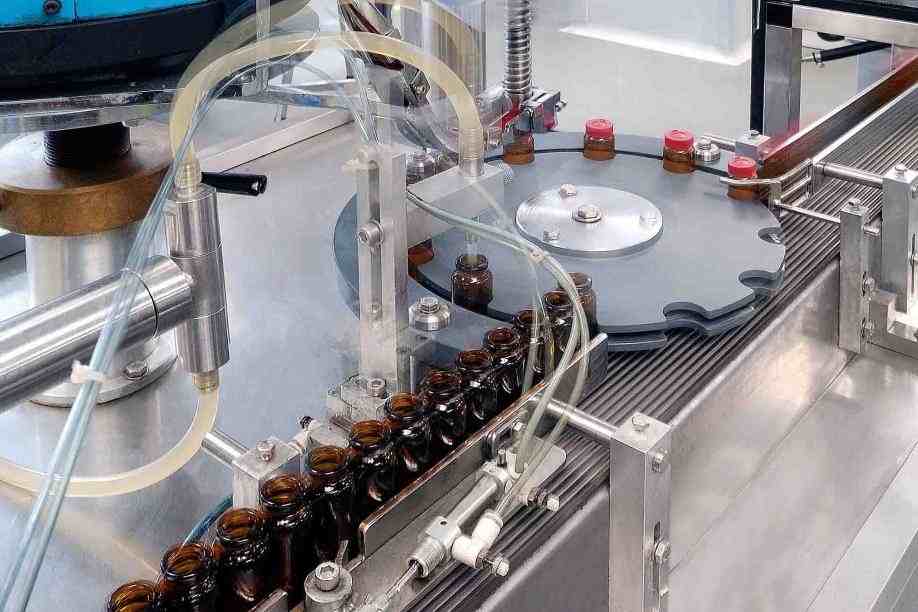
The versatility of peristaltic pumps makes them indispensable tools in many industries:
Food and beverages
- Honey and syrup: Smooth delivery, no crystallization or foaming.
- Chocolate and sauces: Maintain the texture and consistency of the product.
- Cream and yogurt: Gently pump to maintain structure.
Pharmaceuticals and biotechnology
- Gels, creams and ointments: Ensure precise measurement and no pollution.
- Cell culture media and biological products: Protect fragile biological materials from shear damage.
Cosmetics and personal care
- Lotions, shampoos and conditioners: Maintain viscosity and prevent product deterioration.
- Essence and face cream: Achieve precise filling on the packaging production line.
Chemical and industrial applications
- Adhesives and resins: Avoid the common clogging of gear pumps.
- Lubricants and oils: Smooth transportation and low maintenance costs.
- Coatings and inks: Maintain product consistency during the production process.
In these industries, enterprises not only rely on peristaltic pumps to transport viscous liquids, but also maintain the quality, consistency and safety of their products throughout the entire production process. Here are our three customer cases:
Case One: Facial mask liquid. The customer was transporting facial masks. The ordinary centrifugal pump had low precision, resulting in production waste. After replacing it with a peristaltic pump, the precision was improved, reducing costs and increasing efficiency
Case Two: Chili oil. The peristaltic pump hose is made of food-grade material and can be used in various industries. Chili oil contains particles such as chili seeds. The peristaltic pump transmission will not cause blockage or contamination.
Case Three: Anti-rust oil, using oil-specific hoses, greatly improves the precision.
Tips for Choosing a Peristaltic Pump for Viscous Liquids
To ensure that the peristaltic pump you choose is the most ideal option for viscous liquids, understanding the characteristics of different viscous liquids is the key to selecting a peristaltic pump. Fluids of different viscosity ranges require specific pump heads and hoses to be matched.
The dynamic balance between torque and rotational speed, such as when transmitting 50,000cp liquid, if the standard pump head’s rotational speed of 600rpm is still maintained, it will cause excessive friction of the hose and a sudden increase in motor load. Conversely, if only the torque is increased without limiting the rotational speed, the shear force of the high-viscosity fluid in the pipeline will increase significantly, which may disrupt the uniformity of the material
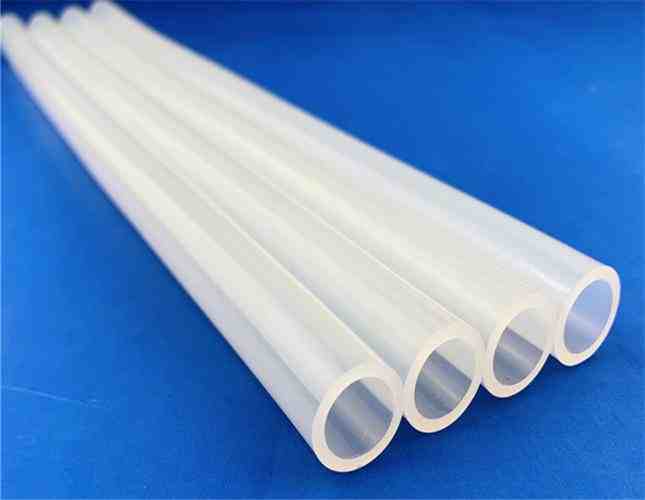
The material and wall thickness of the hose, such as 15 #, 24 # and other thick-walled pump pipes, have enhanced anti-squeezing capacity, which can effectively counteract the pipeline fatigue caused by high viscosity and are more suitable for viscous liquids. The material of the hose should take into account the characteristics of the liquid, such as whether it is corrosive or has other chemical properties.
Five Steps to Master the Configuration of Viscous Liquid Transfer
- Determine what the viscosity is?
- Does it contain particles/corrosiveness?
- What is the temperature range?
- Select a hose of the appropriate material, determine the suitable flow rate, and check if there are any restrictions on the rotational speed.
- Consider whether it is suitable for production use and whether to add external control to the peristaltic pump.
Why Choose JIHPUMP Peristaltic Pumps
Transporting viscous liquids is a challenge faced by many industries, but this does not necessarily become a bottleneck. Traditional pumps often struggle when dealing with thick, viscous or sensitive liquids. In contrast, peristaltic pumps offer an innovative solution that combines reliability, hygiene and precision.
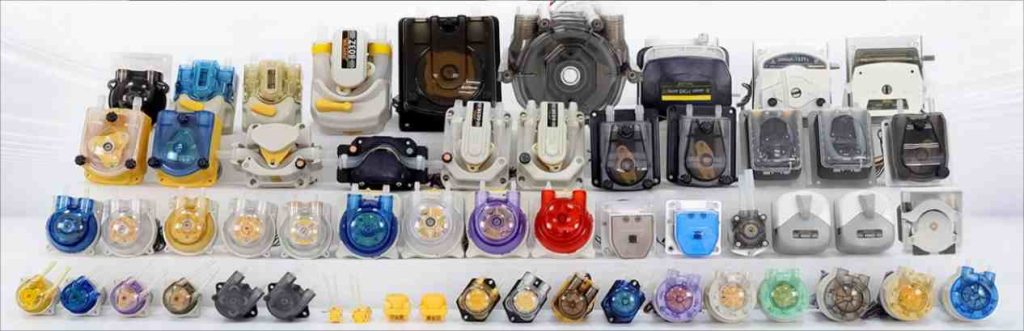
JIHPUMP possesses advanced processing and manufacturing capabilities as well as strong R&D strength, and holds over 50 independent intellectual property rights and proprietary technologies. At present, we have formed three major categories of pumps, namely pump heads, intelligent complete system pumps and OEM peristaltic pumps, with 18 standardized series, providing over 600 specifications, models and customized products.
By choosing JIHPUMP, you will have a partner dedicated to providing safe, clean and efficient solutions for the transportation of viscous fluids. Whether you are engaged in food production, pharmaceuticals, cosmetics or industrial manufacturing, our peristaltic pumps can provide reliable performance.