
What Can Be Used to Transfer Small Amounts of Liquid? 8 Essential Devices
In the laboratory, pharmaceuticals, chemical manufacturing, and the food sector, movement of small amounts of liquid (used to transfer small amounts of liquid) is an elementary and essential practice.
With experimental chemicals, pharmaceutical products, or with the liquids of foods, accurate measurement of the small volume has not only significant effects on the accuracy of outcomes but also directly affects productivity and safety. It is thus particularly critical to make the appropriate choice of tools and methods. Let’s discuss in detail how to properly transfer small amounts of liquid.

Part 1. 8 Methods Can Be Used to Transfer Small Amounts of Liquid
In the laboratory, pharmaceutical industry, chemical industry, and food industry, transferring a small amount of liquid (transferring a small amount of liquid) is a fundamental and essential procedure. Different procedures are suitable for different ranges of volumes, liquid types, and applications. Below is a comprehensive introduction to the devices to transfer liquid.
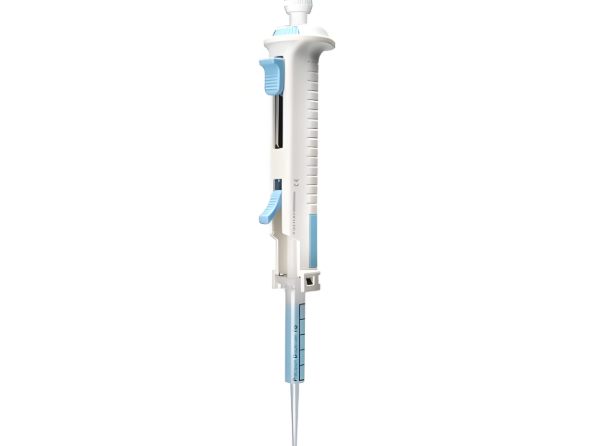
1. Pipettes
Pipettes are the most common tools used for liquid transfer in small volumes in the laboratory setting, suitable for microliter (μL) to milliliter (mL) volumes.
- Uses: Biological analysis, chemical analysis, pharmaceutical research and development.
- Advantages: Precise, repeatable, easy to use, suitable with an extensive range of liquid types.
- Safety measures: Periodic calibration, air bubble elimination before use, maintaining the vertical position to prevent backflow contamination.
- Types: Manual, adjustable, automatic pipettes.

2. Syringes
Syringes allow precise aspiration and dispensing of very small volumes of liquids and are therefore regularly used in medical, chemical, and laboratory settings.
- Applications: Transfer of drug samples, addition of chemical reagents, precise sampling.
- Advantages: Precise control, convenient use, ideally suited for batch work with small volumes.
- Precautions: Use disposable syringes to prevent cross-contamination; clean syringe or needle; proper selection of size (1 mL, 5 mL, 10 mL, etc.).
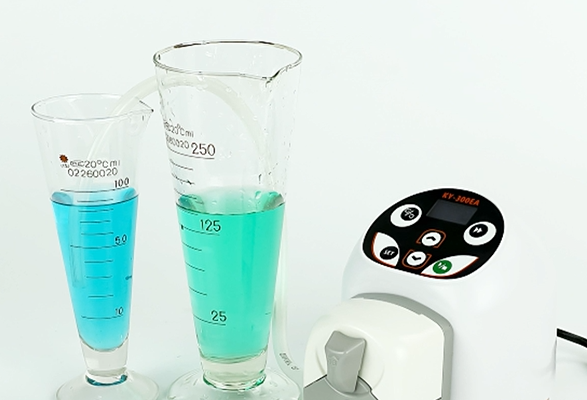
3. Peristaltic Pumps
Peristaltic pumps dispense liquid through compression of tubing, allowing non-contact handling of liquid. They are suitable for liquid transfer in a continuous or precise manner and are able to withstand corrosive, viscous, or sensitive liquids.
- Applications: Pharmaceutical production, chemistry experiments, food and drinks sample delivery.
- Advantages: High precision, flow controlled, contamination prevented, well-suited for continuous delivery.
- Safety precautions: Replace tubing regularly and maintain it clean; ensure tubing is compatible with liquid.

4. Burettes
Burettes are ideal for the accurate dispensing of liquid in chemistry experiments with fine control over volume dispensed.
- Applications: Chemical titration, laboratory analysis, classroom experiments.
- Advantages: Accurate measurement, easy to use, easy to observe reaction changes.
- Safety guidelines: Expel air bubbles first; stand firmly and upright while titrating; have scale calibration frequently checked.
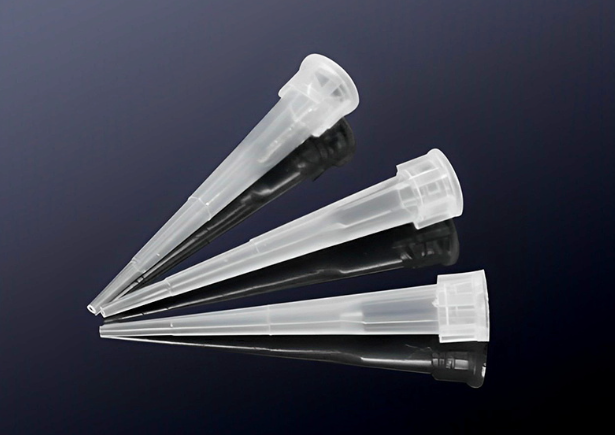
5. Micropipette Tips
Micropipette tips are used together with pipettes in handling very small volumes (μL scale). Disposable tips avoid cross-contamination.
- Applications: Molecular biology, PCR, protein analysis.
- Benefits: Highly precise, flexible use, contamination-free.
- Precautions: Check for compatibility with pipette; no air bubbles or left-over liquid.
6. Capillary Tubes
Capillary tubes utilize capillary action to draw tiny amounts of liquid, ideal for micro-scale sampling.
- Applications: Microchemical analysis, blood sampling.
- Benefits: Easy to use, doesn’t require external force, excellent for ultra-small volumes.
- Precautions: Check liquid volume; avoid breakage; keep upright while in use.
7. Automated Liquid Handling Systems
Automated devices handle hundreds or thousands of samples to improve efficiency and accuracy in high-throughput labs.
- Applications: Drug testing, gene sequencing, proteomics.
- Advantages: High accuracy, high efficiency, reduces human error, suitable for batch handling.
- Precautions: Expensive; requires periodic maintenance and calibration; ensure liquid compatibility.
8. Repeater Pipettes / Dispensers
Repeater pipettes or dispensers allow repeated dispensing of the same liquid into a number of containers, reducing time and delivering uniform volume.
- Applications: Cell culture aliquoting, preparation of micro-reactions, batch experiment at small scale.
- Advantages: Rapid operation, dispenses repetitive errors, improves efficiency.
- Precautions: Ensure liquid compatibility; avoid use with residual liquid or dripping; keep and clean regularly.
Part 2. Key Factors for Transferring Small Amounts of Liquid
When liquid volumes are small, there are number of critical points which can influence the outcome of the process in question the same way. The right technique and tools can be used for precise and safe liquid extraction.
1. Accuracy and Repeatability
Precision is the most important order. An instrument which is approved for the precision regarding the volume of liquid is assured that every single measurement can be repeated and compared.
For instance, micropipettes and high precision syringes are best suited for the volume of liquid of interest in most research or manufacturing processes. Use of the correct instrument ensures that operations involved in the transferring of small volumes of liquid are free, thereby minimizing errors and enhancing the outcome of any experiment.
2. Safety
Safety measures are required, especially during transferring flammable, poisonous, or caustic liquids. Prevention of spillage, splashing, or cross-contamination prevents hurt to the operator and harm to the environment.
Equipment with tight fittings, leak-free tips, or non-contact technology such as peristaltic pumps can preclude hazards during transferring small volumes of a liquid. Further, safe handling procedures and safety gear reduce hazards during the transfer of a liquid.

3. Liquid Properties
The physical and chemical properties of the liquid must be considered. Corrosive liquids, liquids with high viscosity, or liquids that easily evaporate require specialized equipment or materials to prevent equipment damage and safe transfer.
Peristaltic pumps, for instance, use chemically compatible tubing to pump corrosive chemicals without actually coming into contact with them, while chemically resistant-tipped pipettes can handle strong reagents. Considering liquid properties guarantees that the equipment is suitable for used to transport small quantities of liquid in specific applications.
4. Ease of Operation
Ergonomically designed instruments reduce fatigue of the operator and improve efficiency, especially in repetitive work or high-throughput experiments. Subunits such as light-weighted pipettes, automatic dispensers, or repeaters facilitate smooth and easy handling.
Instruments designed to be used for transferring small amounts of liquid without pouring guarantee against spills and improve workflow, making it more precise and less prone to errors.
Part 3. How to Choose the Right Tool for Liquid Transfer of Small Volumes
The right tool is essential for accurate, safe, and efficient liquid handling. Several parameters such as liquid volume, liquid properties, and desired mode of operation determine which device is best suited to you. The following is a detailed guide on the basis of the eight general approaches mentioned above.
1. According to Liquid Volume
- Microliter (μL) volumes: Very small volumes are most conveniently worked with micropipette tips on pipettes. Capillary tubes also handle ultra-small volumes without pumps.
- Milliliter (mL) volumes: Syringes, burettes, and repeater pipettes/dispensers work best for moderate liquid volumes, providing finely controlled operation for experiments or production runs.
- Repeated or larger transfers: In repeated or continuous fluid flow operations such as in chemical or pharmaceutical manufacturing, peristaltic pumps or automated liquid handling systems offer very high precision and efficiency.
2. Depending on Liquid Properties
- Chemically aggressive or corrosive fluids: Choose equipment with compatible materials, e.g., chemically resistant tubing on peristaltic pumps or chemical-resistant syringes.
- High-viscosity liquids: Devices like peristaltic pumps or bigger syringes are more reliable than small pipettes in transferring thick liquids.
- Volatile or sensitive liquids: Devices that minimize exposure and evaporation, i.e., micropipettes, liquid handling devices, or peristaltic pumps, are used.
3. Based on Operation Method
- Manual dispensing with high precision: Pipettes, micropipette tips, syringes, burettes, and repeaters are ideal.
- Prevent splashing or pouring: Where safety and contamination avoidance takes priority, select equipment used to deliver liquid volumes without pouring, e.g., pipettes, micropipette tips, peristaltic pumps, or liquid handling units.
- High-throughput or repetitive tasks: Automated systems, dispensers, and repeater pipettes can process several samples with consistent accuracy, reducing operator fatigue.
Summary Table for Quick Reference
| Liquid Volume | Recommended Tools | Notes |
| μL (micro-scale) | Pipettes, Micropipette Tips, Capillary Tubes | High precision, suitable for very small samples |
| mL (small-scale) | Syringes, Burettes, Repeater Pipettes | Easy to control, ideal for moderate volumes |
| Continuous / high-throughput | Peristaltic Pumps, Automated Liquid Handling Systems | High precision, minimizes contamination, suitable for repetitive operations |
Part 4. Tips for Using and Maintaining Tools for Transferring Small Amounts of Liquid
Proper care and proper use are required to give accurate, safe, and long-lasting performance for handling small amounts of liquid. The following are some specific suggestions and recommendations:
1. Drain Air Bubbles Before Use
Always degas the liquid of air bubbles before handling pipettes, syringes, or peristaltic pumps. Air bubbles lead to erroneous measurements and lose precision. Rechecking your tool’s priming guarantees the accuracy of operations in transferring small amounts of liquid.
In pipettes, aspirate and dispense slowly the liquid several times to get rid of bubbles. In peristaltic pumps, pump through a tiny volume through the tubing before actual transfer.
2. Periodic Calibration
It is essential that pipettes, dispensers, and pumps, are appropriately and regularly calibrated as part of an assessment to sustain measuring reliability. Equipment imprecision might result from gradual mechanical failure combined with a fluctuation in temperature.
To check that every single operation employed in the movement of minute volumes of liquid from one container to another is accurate as well as consistent, periodic calibration should be scheduled as per the manufacturer’s instructions.
3. Sterilization and Cleaning
Clean and disinfect the equipment after use to prevent contamination and maintain sample integrity. For pipettes and syringes, clean in the right solvents or sterile water, and for peristaltic pumps, flush the tubing using a compatible clean solution.
Cleaning properly maintains the subsequent liquid transfers accurate and secure, and reduces the potential for cross-contamination in delicate experiments.
4. Proper Storage
Correct storage conditions of tools prolongs both performance and longevity of tools. Protect tools from direct sun exposure, excessive heat, and excessive moisture. If possible, vertical storage of pipettes and syringes is okay, while pumps and automatic equipment need to be wrapped and stored in dry, clean, and fully enclosed systems. Proper storage makes all the tools available for precise use as and when needed.
5. General Usage Tips
- Use all tools gently to prevent mechanical damage.
- Employ tools in their specified ranges of volumes to provide precision.
- Replace faulty or worn-out components, such as pump tubing or pipette tips, in good time.
- In high-throughput procedures, apply repeaters, dispensers, or automated systems to reduce operator fatigue and guarantee uniform precision.
In Summary
In research, drugs, chemical production, and food processing, accurate transfer of small quantities of liquid (utilized in transferring small quantities of liquid) is critical to ensure experimental results, manufacturing efficiency, and safety. According to the properties, applications, and operating techniques of different instruments, users may choose the most suitable liquid transfer methods to ensure high precision, effectiveness, and safe handling.