
What is the Best Device to Transfer Liquid?
Liquid transfer equipment is an indispensable tool in modern industry and daily life, used for efficient and safe liquid transportation between different locations. Whether in the chemical, pharmaceutical, food and beverage, or water treatment industries, selecting the right device to transfer liquid is crucial in improving production efficiency and reducing operating costs. In this post, we will explore everything about the devices available to transfer liquid to help you find the best solution.
Part 1. What is the Liquid Transfer Equipment?
Liquid transfer equipment refers to machinery used for transporting liquids, commonly including various types of pumps, tubing systems, valves, and more. These devices are designed to meet the requirements for liquid flow, pressure, and specific media (such as viscous liquids or liquids containing particles) while ensuring high efficiency and safety.
For instance, peristaltic pump is a widely used liquid transfer device that can precisely control flow and prevent contamination, making it an ideal choice for industries such as pharmaceuticals and food processing.

Part 2. Types of Liquid Transfer Devices
There are several types of liquid transfer devices, each designed to meet specific needs based on the application, fluid properties, and flow requirements. Below, we will go into detail about the transfer devices.
1. Peristaltic Pump
Peristaltic pump is a device that uses the compression of a flexible hose to transport liquids. It is widely used in many industries, especially in high-purity liquid transfer applications. Since the liquid only comes into contact with the hose and not the pump body, this pump effectively prevents contamination and can precisely control the flow rate. It is suitable for handling viscous, particle-containing, or corrosive liquids.
How Does It Work: Peristaltic pump works by compressing the hose in a sequence using rollers, creating a negative pressure that pushes the liquid from the inlet to the outlet. This design ensures that the liquid only comes into contact with the hose, avoiding contact with the pump body, and ensuring the purity of the liquid.
Features:
- No Contamination: The liquid only contacts the hose wall, preventing direct contact with the pump body, making it ideal for industries where liquid purity is crucial, such as pharmaceuticals and food processing.
- Precise Flow Control: By adjusting the motor speed or the compression frequency of the rollers, the liquid flow rate can be precisely controlled to meet different production needs.
- Suitable for Various Liquids: It is suitable for viscous liquids, particle-containing liquids, and corrosive liquids, making it ideal for demanding working conditions.
Applications: Widely used in the pharmaceutical, food processing, chemical, and water treatment industries, particularly in applications that require high precision and contamination-free liquid transfer.

2. Centrifugal Pump
Centrifugal pump is a common liquid transfer device widely used in applications that require high flow rates. It uses the centrifugal force generated by a rotating impeller to accelerate and transport the liquid to the outlet. It is suitable for handling low-viscosity, clean water or chemical liquids, but not ideal for viscous or particle-containing liquids.
How Does It Work: Centrifugal pump uses a high-speed rotating impeller to accelerate the liquid, utilizing centrifugal force to move the liquid from the center of the pump to the outer edge, from where it is discharged through the outlet.
Features:
- High Flow Rate: The centrifugal pump is capable of delivering large volumes of liquid in a short time, making it suitable for applications requiring high flow rates.
- Not Suitable for Viscous Liquids: Due to its operating principle, centrifugal pumps are not ideal for high-viscosity liquids or liquids with a large number of particles.
Applications: Primarily used for clean water transfer, low-viscosity chemical liquid handling, and cooling systems. Common applications include water supply, air conditioning systems, and wastewater treatment.

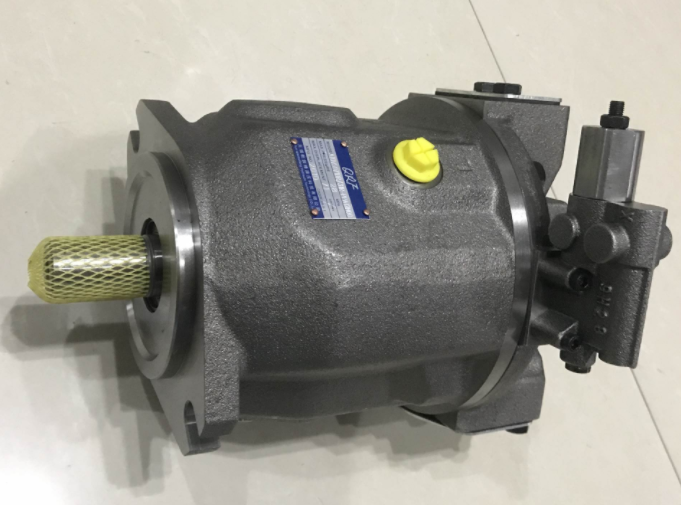
3. Piston Pump
Piston pump is a high-pressure liquid transfer device commonly used for transferring liquids that require high pressure or have high viscosity. It uses the reciprocating motion of a piston to push the liquid to the outlet, making it ideal for applications such as high-pressure cleaning and oil transportation.
How Does It Work: The piston pump generates pressure through the reciprocating motion of the piston, which pushes the liquid. The liquid enters the pump through inlet and outlet valves, and as the piston moves, the liquid is pushed to the outlet.
Features:
- High Pressure Output: Piston pumps can provide high pressure, making them suitable for applications that require high-pressure liquid transfer.
- Ideal for Viscous Liquids: Piston pumps are effective in handling viscous liquids, such as oils and lubricants.
Applications: Widely used in high-pressure cleaning, oil transportation, and chemical liquid transfer industries.
4. Screw Pump
Screw pump is a device used for continuous and stable liquid transfer, particularly in the handling of viscous or particle-containing liquids. Its rotating screw mechanism ensures smooth, steady fluid transport to the outlet, making it ideal for applications such as wastewater treatment and food processing.
How Does It Work: Screw pump transports liquid by rotating a screw within the pump chamber. As the screw turns, the liquid is continuously pushed along the pump chamber to the outlet.
Features:
- Stable Flow: Screw pumps provide stable and uniform flow, making them ideal for continuous operation over extended periods.
- Ideal for Viscous or Particle-Containing Liquids: Screw pumps are effective for handling viscous liquids and liquids containing solid particles, preventing agitation or clogging within the pump.
Applications: Commonly used in wastewater treatment, food processing, and chemical liquid transfer, screw pumps are particularly effective in handling high-viscosity or particle-laden liquids.

Part 3. How to Choose the Right Liquid Transfer Device?
Choosing the right liquid transfer equipment is key to ensuring efficient, safe, and cost-effective liquid delivery. Depending on different application requirements and liquid characteristics, selecting the right equipment can significantly enhance production efficiency and reduce operational costs.
Below, we list some considerations when choosing liquid transfer equipment.
Liquid Characteristics
- Viscosity: Liquids with higher viscosity require equipment that can handle high-viscosity fluids, such as screw pumps or peristaltic pumps.
- Corrosiveness: For corrosive liquids, equipment made from corrosion-resistant materials should be chosen.
- Particle Content: For liquids containing particles, it is recommended to use equipment that is less prone to clog, such as peristaltic pumps.
Flow and Pressure Requirements
Determine the required flow range and pressure range to ensure that the equipment can meet efficient transfer requirements based on production needs.
Operating Environment
- Temperature: The equipment should be able to handle the temperature range of the liquid being transferred.
- Site Conditions: Consider installation space, ease of operation, and noise requirements.
Cost and Maintenance
Choosing equipment that is easy to maintain and has a long lifespan can effectively reduce operational costs. For example, peristaltic pumps, with their simple structure and easy maintenance, have lower long-term operational costs.
Part 4. Applications of Liquid Transfer Devices?
Pharmaceutical Industry
The pharmaceutical industry has extremely high standards for the purity of liquid transfers, as any contamination can affect the quality of the products. Peristaltic pumps, which are free of contamination, are the preferred equipment in this industry and are widely used in drug production, filling, and infusion systems.
Food and Beverage Industry
In food and beverage production, there are stringent hygiene requirements for liquid handling. Peristaltic pumps ensure that liquids do not come into contact with the equipment, preventing cross-contamination. Therefore, they are widely used in beverage filling, juice production, and other food processing applications.

Chemical Industry
Chemical liquids often have high viscosity or corrosive properties. Screw pumps and peristaltic pumps made from corrosion-resistant materials can meet these specific needs, and are commonly used for chemical transfer and mixing processes.
Water Treatment Industry
In the water treatment industry, liquid transfer equipment must offer efficient delivery, low failure rates, and durability. Screw pumps and peristaltic pumps are reliable in handling wastewater or chemical reagents, helping to improve water treatment efficiency while minimizing equipment failures.
Part 5. What is the Best Device to Transfer Liquid?
Choosing the best device for liquid transfer depends on several factors, including the type of liquid, the required flow rate, and operating conditions.
For general purposes, peristaltic pump is often considered one of the best options due to its contamination-free operation, precise flow control, and ability to handle a variety of liquids, including viscous, particle-laden, or corrosive fluids.
However, for high-flow applications, centrifugal pumps may be more suitable, while piston pumps are ideal for high-pressure needs. Ultimately, the best device is one that aligns with your specific operational needs, offering reliability, efficiency, and cost-effectiveness.
JIHPump: Your Reliable Peristaltic Liquid Pump Manufacturer
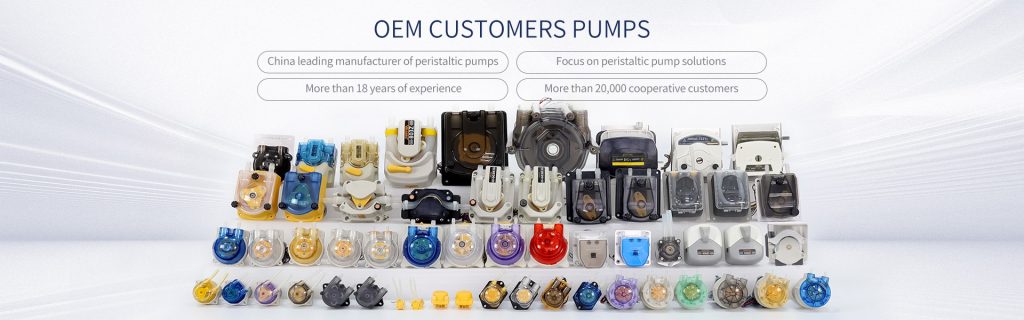
When selecting liquid transfer equipment, the quality, reputation, and service level of the supplier are crucial. As a professional peristaltic pump manufacturer, JIHPump is dedicated to providing customers with efficient and reliable liquid transfer solutions, helping them achieve optimal liquid delivery results in various application scenarios.
Why JIHPump?
High Precision Design: With advanced design, we ensure precise flow control to meet the demands of various industries. Stability and accuracy are guaranteed, whether for low or high flow requirements.
Premium Materials: JIHPump uses high-quality, corrosion-resistant, and wear-resistant materials to guarantee the equipment’s reliability over long-term use. These materials can handle high-viscosity, particulate, or corrosive liquids, meeting the needs of various operational conditions.
Comprehensive Service: It provides one-stop services and the support team provides timely solutions to address any issues during usage.
Final Thoughts
Liquid transfer equipment is an indispensable tool in modern industry, with different types of equipment suitable for various applications. Choosing the right equipment will help you optimize production processes, improve efficiency, and reduce long-term costs. If you are looking for efficient and reliable liquid transfer equipment, JIHPump peristaltic pump is your trustworthy choice.