
How to Extend the Lifespan of Peristaltic Pump Tubes?
Peristaltic pumps are widely used in various industries due to their versatility, reliability, and ease of maintenance. However, one of the key components that significantly impacts the pump’s performance and lifespan is the peristaltic pump tube. These tubes, often made of silicone, are subjected to constant flexing, compression, and exposure to different fluids, leading to wear and tear over time.
To ensure optimal performance and minimize downtime, it’s crucial to understand the factors affecting the lifespan of peristaltic pump tubes and implement effective strategies to extend their service life.

The Crucial Role of Peristaltic Pump Tubing
Peristaltic pump tubing plays a crucial role in peristaltic pump systems. A peristaltic pump primarily consists of a drive, a pump head, and a pump tube. The pump tube is responsible for transporting fluid from the pump head to the target location. The quality of the pump tube directly affects various performance aspects of the peristaltic pump, including corrosion resistance, pressure resistance, service life, flow rate control, and pumping efficiency.
Peristaltic pumps operate by using a motor to drive the pump head to rotate, alternately compressing and releasing the pump tube to transport fluid. The fluid only comes into contact with the peristaltic pump tube and does not pass through other internal parts of the peristaltic pump.
Therefore, as long as the peristaltic pump tube remains intact, fluid leakage can be prevented. The performance of the peristaltic pump tube directly affects the fluid transfer efficiency and system stability. High-quality pump tubing can ensure high-precision flow rate control and a stable pumping process.
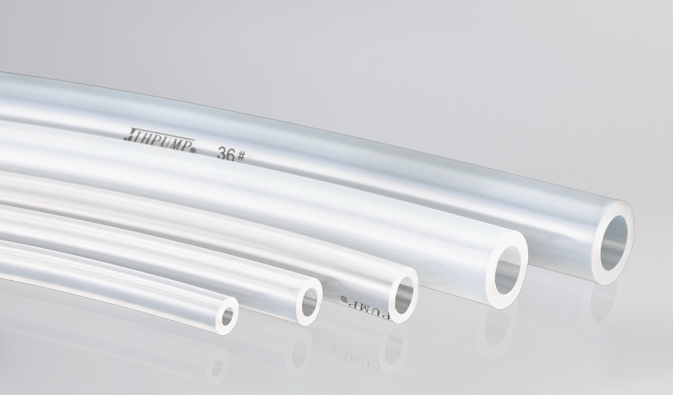
Factors Affecting the Service Life of Peristaltic Pump Tubes
The lifespan of a peristaltic pump tube depends on various factors, including the tube material’s corrosion resistance, wear resistance, and heat resistance; the properties of the fluid being pumped, such as its chemical composition, temperature, viscosity, and particle content; and operating conditions such as maintenance and usage.
1. Material Quality:
- Silicone Rubber: The most common material for peristaltic pump tubes, silicone rubber offers excellent chemical resistance, flexibility, and temperature tolerance. However, exposure to specific chemicals, UV light, and extreme temperatures can degrade the material.
- Other Materials: While silicone is the most popular choice, other materials like polyurethane, fluoropolymers, and EPDM rubber may be used for specific applications. Each material has its own strengths and weaknesses, and the appropriate choice depends on the fluid being pumped and the operating conditions.
2. Operating Environment:
- Temperature: High temperatures can accelerate the aging process of silicone rubber, leading to increased stiffness and reduced flexibility.
- Chemical Compatibility: Exposure to incompatible chemicals can cause the tube to swell, harden, or even dissolve.
- Particle Contamination: Particulate matter in the fluid can accelerate wear and tear on the tube, especially at the pinch points.
- UV Exposure: Prolonged exposure to UV radiation can degrade the silicone rubber, leading to cracking and reduced elasticity.
3. Maintenance:
- Incorrect Installation: Improper installation can lead to premature failure of the tube.
- Excessive Pressure: Exceeding the recommended operating pressure can damage the tube.
- Neglecting Cleaning: Failure to clean the tube and pump head regularly can lead to buildup of residue, which can accelerate wear and tear.
Strategies to Extend the Service Life of Peristaltic Pump Tubes
Since the peristaltic pump pumps fluid by alternately squeezing and releasing the hose, extending the life of the hose means increasing the service life of the peristaltic pump. But why do some of the same hoses break after only two days, while others can be used for hundreds or even thousands of hours? This is closely related to our daily use. So how can we increase the service life of the peristaltic pump tube?

1. Use Dedicated Tubing:
- High-Quality Tubing: Invest in high-quality, durable silicone tubing from reputable manufacturers.
- Correct Tubing Selection: Choose the appropriate tubing material based on the fluid being pumped and the operating conditions.
- Proper Installation: Ensure correct installation to avoid premature failure.
2. Reduce Rotational Speed:
- Optimize Pump Settings: Lowering the pump’s rotational speed can reduce the stress on the tubing, especially when pumping viscous fluids.
- Balance Flow Rate and Tube Life: Find the optimal balance between flow rate and tube lifespan.
3. Match the Medium:
- Chemical Compatibility: Use a chemical compatibility chart to select the appropriate tubing material for the fluid being pumped.
- Avoid Aggressive Chemicals: If possible, avoid pumping highly corrosive or reactive chemicals.
4. Keep Clean:
- Regular Cleaning: Clean the tubing and pump head regularly to remove any residue or debris.
- Proper Cleaning Solutions: Use appropriate cleaning solutions that won’t damage the tubing.
- Avoid Harsh Cleaning Agents: Avoid using harsh chemicals that can degrade the tubing material.
5. Regular Inspection:
- Visual Inspection: Regularly inspect the tubing for signs of wear, such as cracks, cuts, or discoloration.
- Replace Worn Tubing: Replace worn or damaged tubing promptly to prevent leaks and downtime.
- Maintain Proper Alignment: Ensure that the tubing is properly aligned with the pump head to minimize stress and wear.
Final Words
By following these strategies and considering the factors affecting tube lifespan, you can significantly extend the life of your peristaltic pump tubes. Regular maintenance, proper selection of tubing materials, and optimized operating conditions are key to ensuring optimal performance and minimizing downtime.
JIHPUMP is a core manufacturer specializing in precision fluid transfer technology. With a proven track record and a commitment to innovation, JIHPUMP is well-positioned to meet the evolving needs of the global market.