
Industrial Peristaltic Pumps Revolutionize Wastewater Treatment
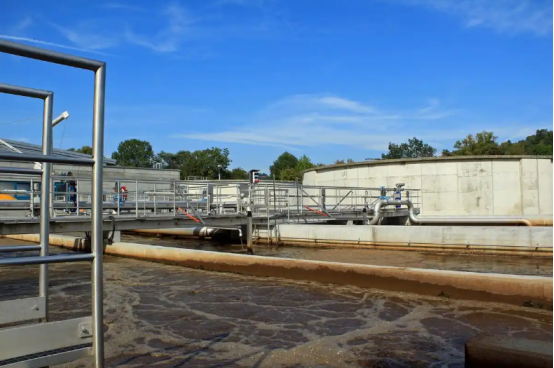
In recent years, the rapid pace of industrialization and urbanization has led to significant water pollution. Wastewater treatment has become essential for environmental protection and sustainable development. Industrial Peristaltic pumps, known for their precision and reliability, have found widespread application in wastewater treatment.
This article explores the unique characteristics of industrial peristaltic pumps and their critical role in various wastewater treatment processes, such as chemical dosing and fluid transfer.
What is an Industrial Peristaltic Pump?
An industrial peristaltic pump is a type of positive displacement pump that operates by repeatedly compressing and relaxing a flexible tube. As the tube is compressed, it forces the fluid forward. This simple yet effective mechanism allows for precise fluid transfer, minimal shear stress, and excellent sealing capabilities. Peristaltic pumps are widely used in industrial applications, particularly for handling viscous fluids, slurries, and fluids containing solids.
Applications of Industrial Peristaltic Pumps in Wastewater Treatment
Industrial peristaltic pumps possess a strong self-priming capability, making them suitable for elevating the water level of wastewater to be treated. Due to their low shear force, peristaltic pumps can transfer flocculants without compromising their effectiveness, as they are sensitive to shear forces. When transferring fluids, the fluid only comes into contact with the inner surface of the tube. Therefore, when transferring wastewater containing sand and mud, the pumped liquid does not come into contact with the pump itself, only the pump tube, preventing clogging.
Industrial peristaltic pumps offer high precision in fluid transfer, ensuring accurate dosing of reagents. This enables effective water treatment while minimizing the addition of harmful chemicals. Furthermore, peristaltic pumps are widely used in various water quality analysis instruments to transfer samples and analytical reagents.

Water Quality Monitoring
· Precise Sample Extraction: These pumps can extract precise volumes of wastewater samples for laboratory analysis, ensuring accurate and reliable results. By compressing and releasing the pump tube, water samples are drawn into the instrument and maintained at a constant temperature of 4°C using a temperature control system. This enables automated sample collection, distribution, and isothermal storage.
· Sample Analysis: Peristaltic pumps are used for collecting and transferring wastewater samples, as well as for sample introduction into online monitoring instruments.
Wastewater Transfer
· Wastewater Transfer: When transferring wastewater from one location to another, such as from a collection well to a treatment facility, peristaltic pumps can minimize shear stress on the fluid, making them suitable for transferring sensitive biological materials or slurries. This ensures smooth operation throughout the wastewater treatment process.
· Sludge Concentration: Peristaltic pumps can be used for liquid transfer during sludge concentration processes, as well as for pretreatment before sludge dewatering.
· Sludge Transfer: Peristaltic pumps can be used to transfer high-concentration, high-viscosity sludge, preventing blockages and wear.
Chemical Dosing
· Precise Chemical Dosing: Peristaltic pumps are used for precise dosing of chemicals such as coagulants, disinfectants, and pH adjusters, ensuring the stability and efficiency of the wastewater treatment process.
· Sodium Hypochlorite Dosing System: In sodium hypochlorite dosing systems, peristaltic pumps accurately dose the sodium hypochlorite solution to the appropriate concentration, meeting the requirements of wastewater treatment.
Other Applications
· Bioreactor Feeding: Peristaltic pumps can accurately dose nutrients and microorganisms into bioreactors, controlling the reaction process.
· Membrane Separation Processes: Peristaltic pumps can deliver feedwater to membrane modules for separation, achieving water purification.

Advantages of Industrial Peristaltic Pumps in Wastewater Treatment
Industrial peristaltic pumps have revolutionized wastewater treatment by offering a range of benefits, including precise dosing, gentle fluid handling, and reliable operation. Their versatility, durability, and low maintenance requirements make them an ideal choice for a variety of wastewater treatment applications.
By understanding the key advantages and applications of these pumps, wastewater treatment facilities can optimize their processes, reduce costs, and improve overall performance.
- Gentle Fluid Handling: Peristaltic pumps minimize shear stress on the fluid, preserving the integrity of sensitive biological materials and preventing damage to delicate particles.
- Precise Dosing: Their ability to deliver accurate and repeatable doses of chemicals ensures optimal treatment performance and reduces operational costs.
- Self-Priming Capability: Peristaltic pumps can self-prime, making them suitable for applications where suction lift is required, such as transferring wastewater from low-lying areas.
- Sealless Design: The absence of seals eliminates the risk of leakage and contamination, improving safety and environmental impact.
- Versatile Fluid Handling: Peristaltic pumps can handle a wide range of fluids, including viscous liquids, slurries, and abrasive substances.
- Dry Running Capability: These pumps can operate without damage even when running dry, providing added reliability and peace of mind.
- Low Maintenance: Peristaltic pumps require minimal maintenance, reducing downtime and operational costs.
Additional Considerations
When selecting a peristaltic pump for wastewater treatment, it is essential to consider factors such as flow rate, pressure, fluid viscosity, and chemical compatibility. By carefully evaluating these factors, engineers and operators can choose the most suitable pump for their specific needs.
Furthermore, regular maintenance and inspection of peristaltic pumps are crucial to ensure optimal performance and longevity. This includes checking the condition of the pump tube, replacing worn components, and cleaning the pump to remove any debris or buildup.
By incorporating industrial peristaltic pumps into their operations, wastewater treatment facilities can achieve significant improvements in efficiency, reliability, and environmental impact.