
Peristaltic Pump: What is It & How Does It Work?
Peristaltic pumps play an important role in transferring liquids, especially in handling liquids that other pumps cannot handle, such as toxic chemicals, mud, wastewater, etc. Peristaltic pumps can easily handle these liquids.
In this article, we will introduce everything about peristaltic pumps in detail, such as what is a peristaltic pump, how does it work, its advantages and disadvantages, and more.
Part 1. What is a Peristaltic Pump?
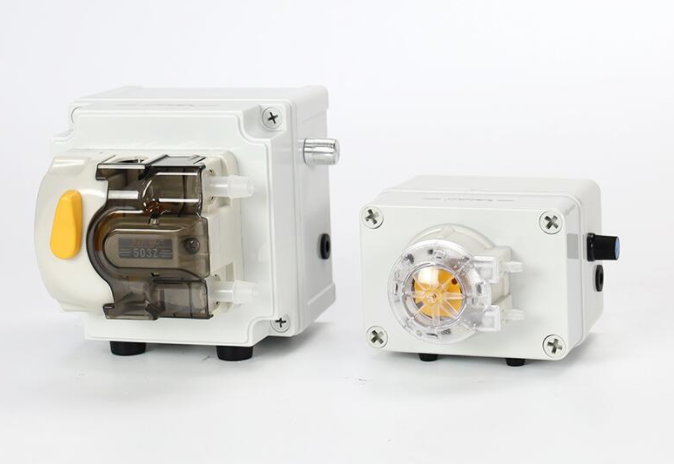
Peristaltic pumps are positive displacement pumps and are one of the most versatile and flexible pump systems available on the market today. They provide a simple and reliable solution for conveying fluids.
Peristaltic pumps do not have valves, seals, or glands, but they are equipped with hoses. As a result, when the peristaltic pump conveys liquid, it won’t come into contact with other components of the peristaltic pump, preventing contamination of the product or the pump itself.

Part 2. How Does Peristaltic Pump Work?
Do you think the working principle of a peristaltic pump to be particularly complex? The working principle of a peristaltic pump is simple and ingenious. Let’s take a look at it:
Tube Compression: The pump consists of a flexible tube or hose and a rotor with a set of rollers or shoes. As the rotor turns, the rollers compress the tube, creating a seal and pushing the fluid inside forward.
Restoration: Once the roller passes, the tube returns to its original shape, creating a vacuum that draws more fluid into the tube.
Continuous Flow: This cycle of compression and relaxation generates a continuous, pulseless flow of fluid, ensuring precise and consistent delivery.
Part 3. Applications of Peristaltic Pump
So, what is peristaltic pump used for? Peristaltic pumps are widely used, primarily for the transmission, quantitative, and metering of various liquids, which can bring convenience to the transportation of liquids in many industries. Scenarios where peristaltic pumps can be used include:
Medical and Pharmaceutical: Peristaltic pumps are used in dialysis machines, infusion pumps, and for the contamination-free transfer of sterile liquids.
Food and Beverage: Peristaltic pumps are ideal for dosing and transfer of ingredients in food processing, such as juices, yogurt, beer, condiments, syrups, etc., which can ensure hygiene and prevent contamination.
Chemical Processing: Suitable for precise and safe handling of corrosive chemicals, slurries and viscous fluids.

Water and Wastewater Treatment: Used for chemical dosing, sludge transfer and sampling to ensure accurate and reliable operation.
Biotechnology: Used in laboratory environments for cell culture, fermentation and other sensitive processes that require sterile conditions.
Laboratories: Peristaltic pumps can help transport samples in laboratory research such as decolorization, perfusion, liquid chromatography, acidic or alkaline solutions, etc.
Other Industries: Peristaltic pumps can also transport liquids such as flammable liquids, printing inks, lubricants, etc.
Part 4. Pros & Cons of Peristaltic Pump
Pros of Peristaltic Pump
Contamination-free operation: The pump moving parts are isolated from the process media, and the media only contacts the inner surface of the pipe, reducing the risk of contamination. This feature makes peristaltic pumps particularly suitable for the medical, pharmaceutical and food processing industries.
Versatility: They can handle a wide range of fluids, including viscous, abrasive and shear-sensitive liquids. This versatility extends their use to chemical processing, wastewater treatment and biotechnology.
Easy maintenance: The simple design with minimal moving parts reduces the maintenance required for wearing parts.
Low maintenance cost: It does not use valves, seals and glands, so replacing the pipe is usually the only necessary maintenance task, resulting in relatively low maintenance costs.
Self-priming and dry-running: Peristaltic pumps can be self-priming and run dry without damage, providing operational flexibility and convenience.
Cons of Peristaltic Pump
Although peristaltic pumps perform well in a variety of applications, they still have some disadvantages.
The flow rate of the peristaltic pump is not smooth because it’s the pulsating flow. Therefore, if you need smooth flow, another pump solution should be considered.
The flexible tube of the peristaltic pump is continuously compressed and decompressed. It will deteriorate with time, thus frequent replacements are necessary.
If the peristaltic pump tube is misused or not changed, it could leak.
Liquid viscosity may reduce the performance of the peristaltic pump.
Part 6. How to Maintain & Clean Peristaltic Pump?
Maintain Peristaltic Pump
Maintenance is a crucial task for peristaltic pumps. Maintaining it will not only affect the user experience of the peristaltic pump but also its service life. Next, we will go into detail on how to maintain the peristaltic pump:
Regular inspection: Check the peristaltic pump tube regularly to see if it is worn, cracked, or leaking.
Replace the tube: If there is a problem with the pipe, such as wear, cracking, etc., replace it in time to avoid more serious consequences.
Check the condition of rollers and shoes: Make sure the rollers or shoes of the peristaltic pump are in good condition and rotate smoothly without sticking or excessive wear. If necessary, the rollers or shoes can be lubricated or replaced.
Flow check: Regularly check and calibrate the flow rate to ensure that the pump delivers the correct amount of liquid.
Seal check: Check the seals for leaks or signs of wear. Replace the seals if necessary to prevent leaks.

Clean Peristaltic Pump
To ensure a better performance of the peristaltic pump, regular cleaning is necessary. Before cleaning the peristaltic pump, ensure safety first, turn off the peristaltic pump and unplug the power supply.
When cleaning the peristaltic pump tube, you can use soap instead of normal fluid and then use disinfectant such as isopropyl alcohol. After cleaning the tube, you need to allow it to dry before running it.
Regarding the pump head, you can wipe the rollers and shoes with a soft cloth and use a brush to remove stubborn residues. The outside of the peristaltic pump can be wiped with a damp cloth, but be careful to make sure all parts are dry when reassembling after cleaning.
Part 7. Tips to Choose the Right Pump
Tip 1: Clear Your Demands & Requirements
Assess the application scenarios for the peristaltic pump you need and consider the flow rate, fluid viscosity, and chemical compatibility of the fluid it needs to handle.
Tip 2: Confirm the Tube of Peristaltic Pump
It is crucial to understand the chemical composition of the fluid to be pumped and dispensed, especially when it is chemically corrosive. Ensure that the tube is compatible with the fluid. Additionally, the inner diameter and wall thickness of the tube will impact the flow rate and pressure, so it’s important to ensure that the tube size meets your requirements.
Tip 3: Evaluate the Functionality of Peristaltic Pump
When selecting a peristaltic pump, consider choosing one that is easy to maintain and easily replaced pipes, which can reduce machine downtime.
Additionally, you should also consider the usage scenario of the pump. If the peristaltic pump needs to be relocated between locations, it’s important to consider the size and portability of the device.
Tip 4: Evaluate the Performance & Services
When choosing a peristaltic pump, selecting a reliable peristaltic pump manufacturer like JIHPump is crucial in ensuring quality and durability. JIHPump sets itself apart through its focus on designing, developing, manufacturing, and marketing high-performance peristaltic pumps, backed by a commitment to providing excellent technical support.
Such a peristaltic pump is of better quality and has a low chance of damage. Warranty and responsive customer support are equally important, which are crucial for long-term reliability and troubleshooting.
FAQs about Peristaltic Pump
1. What kind of chemical feeder is a peristaltic pump?
In the context of a chemical feeder, a peristaltic pump is used to mechanically move chemicals from one place to another, typically from a storage tank to a treatment process.
2. How is a peristaltic pump different from a normal pump?
A peristaltic pump moves fluid by compressing and releasing a flexible tube, providing precise flow control, self-priming, and the ability to handle sterile or corrosive fluids without contamination.
In contrast, a normal pump, such as a centrifugal pump, uses rotating impellers to create a continuous flow, requires priming, and involves direct fluid contact with internal components, making it less suitable for sensitive or highly viscous fluids.
3. What is the lifespan of a peristaltic pump?
The lifespan of a peristaltic pump typically ranges from 1,000 to 10,000 hours of operation. However, this can vary depending on factors such as the quality of the pump, the type of tubing used, the nature of the fluids being pumped, and the operating conditions. Regular maintenance and proper usage can help extend the pump’s lifespan.