
The Benefits of Peristaltic Pumps in Food Processing
In recent years, with the rising living standards, people have become increasingly concerned about food safety and hygiene. The demand for transformation is growing among a large number of food companies, and intelligent manufacturing has become a significant trend driving industrial upgrading and technological innovation. In this context, modern, standardized, and mechanized production lines are essential for food companies seeking growth and development, and peristaltic pumps play a crucial role in this transformation.
Due to their unique characteristics, peristaltic pumps have been widely adopted by food processing companies for their automated production lines. For instance, peristaltic pumps can meet current hygiene standards and handle products delicately in industries such as dairy, bakery, cereals, and confectionery.
How Peristaltic Pumps Work?
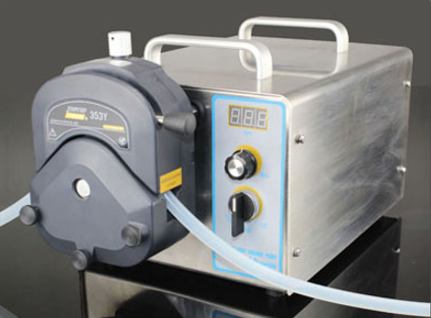
A peristaltic pump operates by using a motor to rotate rollers that squeeze a flexible tube. As the rollers move along the tube, they create a vacuum, drawing fluid into the tube. The rollers then compress the tube, forcing the fluid out. This pumping action is similar to how our intestines move food.
Unlike many other types of pumps, peristaltic pumps do not require valves. The fluid only comes into contact with the inner surface of the tube, which minimizes contamination and reduces the risk of product degradation. This also makes them easy to clean and sanitize.
A peristaltic pump consists of three main components: a drive motor, a pump head, and a tube. The flow rate of the pump can be adjusted by changing the diameter of the tube or the speed at which the rollers compress it.
What are the applications of peristaltic pumps in the food industry?
Peristaltic pumps, with their distinctive features, have become indispensable in the automated production lines of numerous food processing companies. The following are some of their primary applications:
Food Additive Dosage
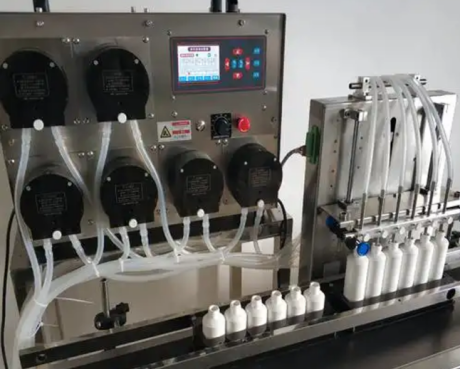
Peristaltic pumps are ideal for the precise dosing of food additives such as colors, flavors, and preservatives. Accurate ingredient dosing is crucial for ensuring product quality and taste in food processing. Peristaltic pumps can provide accurate and repeatable flow rates, thus ensuring consistent product quality.
Food Processing
Peristaltic pumps are versatile tools in food processing, capable of handling a wide range of tasks. They can efficiently transfer viscous fluids like syrups and sauces, pump abrasive slurries such as fruit pulp and vegetable pastes, and accurately meter chemicals for water treatment and cleaning processes. This makes them invaluable for various applications in the food industry, from simple fluid transfer to complex chemical dosing.
Food Filling
Food filling is a critical process that directly impacts product quality and production efficiency. Peristaltic pumps offer precise control over flow rate and pressure, enabling efficient and accurate filling of various containers. Whether it’s filling bottles with juices, water, and milk, pouches with sauces and condiments, or cartons with dairy products and soups, peristaltic pumps can handle continuous and graded filling, significantly improving production efficiency and product quality.
Food Transportation
Peristaltic pumps are used to transport food products within a processing plant or between different facilities. They can handle a wide range of flow rates and pressures, making them suitable for various transportation tasks.
Cleaning-in-Place (CIP)
Peristaltic pumps offer significant advantages for cleaning-in-place (CIP) and sterilization-in-place (SIP) procedures in the food industry. The enclosed design of the pump and tubing eliminates the risk of bacterial contamination and the formation of hard-to-clean areas. The self-priming capability ensures thorough cleaning of the system, and the use of food-grade tubing allows for effective sanitation using various methods. This results in improved hygiene and reduced cleaning costs.
The Benefits of Peristaltic Pumps in Food Processing
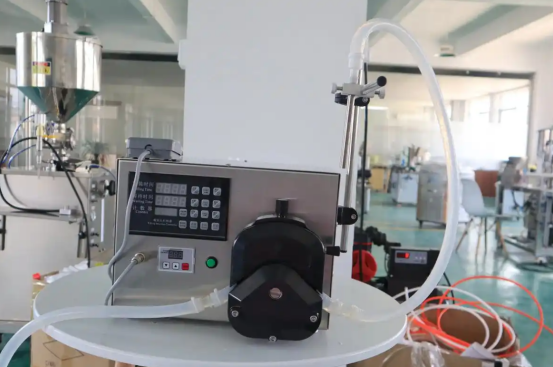
Peristaltic pumps have excellent application advantages in the food industry. They can ensure product hygiene, provide reliable conveying performance, adapt to various liquid characteristics, and convey in a low shear force manner. These advantages make peristaltic pumps an indispensable and important equipment on food production lines, providing reliable support for the smooth operation of production lines and the assurance of product quality.
Hygienic Design:
Peristaltic pumps are simple in design and have minimal contact between the pump and the fluid. This reduces the risk of contamination and makes it easy to clean and disinfect. The non-contact delivery method is used, and the liquid is completely isolated from the pump components to ensure a non-contamination and cross-infection delivery process.
This is very important for the food and pharmaceutical industries to ensure the hygiene and safety of the products and meet the relevant food and drug production quality standards.
Precise Flow Control:
Peristaltic pumps offer precise and repeatable flow rates, enabling accurate metering and mixing of ingredients. This is crucial for processes requiring precise dosing, ensuring consistent product quality.
Versatility:
Peristaltic pumps can handle a wide range of fluids, including high-viscosity liquids, slurries, and volatile substances. The ability to select different tubing materials based on specific process requirements adds to their versatility.
Simplicity and Durability:
With minimal moving parts, peristaltic pumps require minimal maintenance and downtime. Simple tube replacement eliminates the need for valve or seal replacement. Their robust design ensures reliability.
Cost-effectiveness:
Silicone tubing can be sterilized using conventional methods, including radiation, steam and chemical solutions, and the tubes are easily replaceable, reducing the cost of sterilization regulations. Cleaning in place (CIP) and sterilization in place (SIP) are essential in food manufacturing. Peristaltic pumps can be cleaned without further disassembly of the pump, saving time and reducing costs.
In Summary
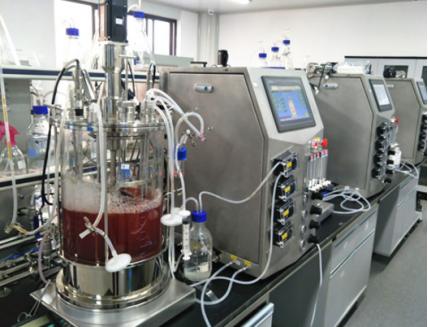
Peristaltic pumps offer numerous advantages for food processing applications. Their hygienic design, precise flow control, gentle pumping action, and versatility make them an ideal choice for a wide range of food processing tasks. By understanding the benefits of peristaltic pumps, food processors can improve their production efficiency, product quality, and overall operational efficiency.
JIHPUMP is a leading provider of peristaltic pumps designed specifically for the food industry. Our pumps offer a wide range of benefits, including increased production efficiency, improved product quality, and enhanced food safety. By providing precise fluid transfer and dosing, our pumps contribute to the mechanization and intelligent development of the food industry.