
Best 6 Chemical Transfer Pumps for Safe Chemical Handling
In daily industrial and laboratory operations, transferring chemical substances, especially highly corrosive and hazardous liquids, can be a challenging task. This is where chemical transfer pumps come to the rescue! But what exactly are chemical transfer pumps? What are their key features? And how do you choose the right one? This article will provide you with all the answers, let’s dive in!
Part 1. What is Chemical Transfer Pump?
Chemical transfer pump is a specialized pump designed for transporting chemicals such as acids, alkalis, solvents, and oils. To withstand the corrosive effects of chemicals, these pumps are typically made from materials that are resistant to corrosion, such as stainless steel, plastic, or ceramic.
They transfer liquids by converting mechanical energy, often using mechanisms such as pistons, screws, or gears. Compared to standard pumps, chemical transfer pumps are specifically designed to prioritize corrosion resistance, leak prevention, and efficiency.
This makes them essential in various complex industrial environments, particularly where hazardous or valuable chemical liquids are transferred, ensuring long-term stability.
Key Features of Transfer Pump for Chemicals
- Corrosion Resistance: Made from high-resistant materials like stainless steel, polypropylene, or PVDF to endure corrosive liquids.
- Leak-Proof Design: Features double mechanical seals or diaphragm systems to minimize the risk of harmful leaks.
- Flow Control: Equipped with adjustable flow mechanisms for precise liquid transfer in various operations.
- Durability and Reliability: Built with heat-resistant and wear-resistant components for stable performance in harsh conditions.
- Ease of Maintenance: Designed for easy disassembly and cleaning to reduce downtime and enhance efficiency.
Part 2. 6 Types of Pumps Used for Chemical Transfer
There are several types of pumps available for chemical transfer, each designed to handle specific types of fluids and applications. In this section, we will focus on six of the most commonly used pumps and help you choose the best pump for your chemical transfer needs.
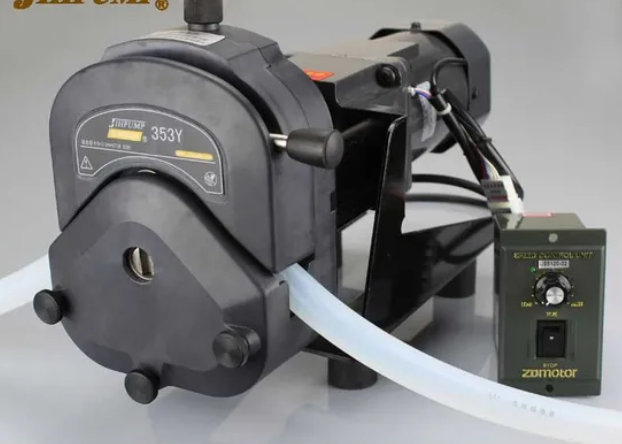
1. Peristaltic Pump
Peristaltic pumps work by compressing a flexible tube to move liquid, making them perfect for transferring viscous or shear-sensitive chemicals. They are commonly used in laboratories and chemical dosing applications where precision and contamination-free operation are crucial. The absence of valves and seals reduces maintenance needs and leakage risks.
Key Features:
- Precision dosing with minimal contamination.
- No seals or valves, reducing maintenance needs.
- Gentle handling of sensitive liquids.
Applications:
- Laboratory chemical dosing.
- Transferring syrups, emulsions, or slurries.
- Biopharmaceutical and chemical research.
- etc

2. Diaphragm Pumps
Diaphragm pumps are highly versatile and are ideal for handling corrosive, abrasive, and hazardous liquids. They use a flexible diaphragm to move fluid, creating a leak-proof and highly reliable solution for chemical transfer. These pumps are commonly employed in industries dealing with acids, alkalis, or toxic chemicals due to their safety and efficiency.
Key Features:
- Self-priming and capable of running dry.
- Leak-proof design for handling hazardous chemicals.
- Suitable for high-viscosity or slurry-like substances.
Applications:
- Acid and alkali transfer.
- Oil and gas operations.
3. Centrifugal Pumps
Centrifugal pumps are widely used for transferring low-viscosity chemicals. They work by converting rotational energy from a motor into kinetic energy to move the liquid.
These pumps are efficient for high-flow applications, such as water treatment plants and chemical processing facilities. Materials like stainless steel or plastic are often used to make them suitable for mildly corrosive chemicals.
Key Features:
- Corrosion-resistant materials like stainless steel and plastic.
- High flow rates suitable for continuous operation.
- Simple structure, making it easy to maintain.
Applications:
- Water treatment plants.
- Transferring mild chemical solutions.
- General-purpose fluid transfer tasks.

4. Gear Pumps
Gear pumps are designed for transferring high-viscosity liquids, such as oils, resins, or adhesives. They use interlocking gears to push the fluid through the system, ensuring a consistent and steady flow. These pumps are often constructed with corrosion-resistant materials to handle certain types of chemicals.
Key Features:
- Consistent flow for high-viscosity liquids.
- Durable and compact design.
- Efficient operation under demanding conditions.
Applications:
- Oil and refinery industries.
- Processing adhesives and resins.
- Industrial chemical handling.
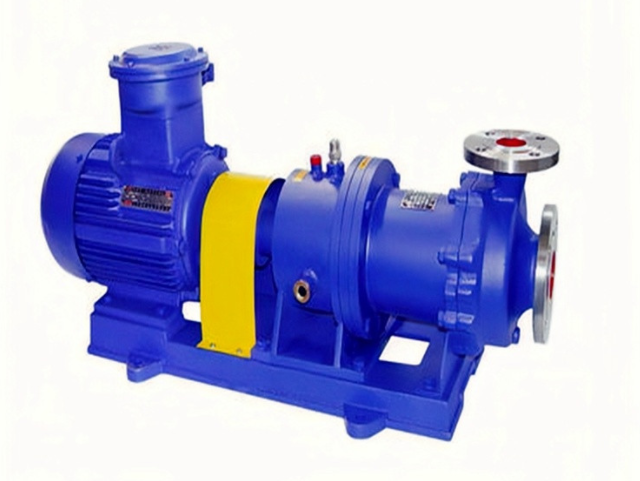
5. Magnetic Drive Pumps
Magnetic drive pumps are a leak-proof option for transferring toxic or expensive chemicals. They utilize magnetic coupling instead of traditional seals to eliminate the risk of leaks. These pumps are well-suited for applications that require high safety standards, such as pharmaceutical and chemical manufacturing.
Key Features:
- Seal-less design ensures leak-free operation.
- Minimal maintenance requirements.
- Handles hazardous or high-value liquids.
Applications:
- Pharmaceutical and chemical manufacturing.
- Transferring toxic or corrosive liquids.
- High-precision industrial processes.
6. Piston Pumps
Piston pumps operate by using a piston to create pressure, making them suitable for high-pressure chemical applications. These pumps can handle both thin and thick liquids and are commonly used in chemical injection and metering applications, especially where precise control is needed.
Key Features:
- High-pressure capabilities.
- Suitable for low- and high-viscosity liquids.
- Durable construction for industrial applications.
Applications:
- Chemical metering in plants.
- Industrial cleaning systems.
- Fertilizer and pesticide injection.
Part 3. Key Considerations When Selecting a Chemical Transfer Pump
When selecting a chemical transfer pump, consider the following factors:
Chemical Compatibility: Ensure the pump materials are resistant to the specific chemicals being handled. Some chemicals can cause corrosion or degradation, so selecting the right material, such as stainless steel, polypropylene, or PTFE, is essential for longevity and safety.
Flow Rate and Pressure: Choose a pump that meets the required capacity for your application. Consider both the flow rate (measured in gallons per minute or liters per minute) and the pressure rating to ensure efficient chemical transfer without excessive wear or inefficiency.
Temperature and Viscosity: Different pumps perform better under varying temperature and viscosity conditions. High-viscosity chemicals may require positive displacement pumps like gear or diaphragm pumps, while high-temperature applications need pumps with heat-resistant materials to prevent breakdown.
Safety and Maintenance: Look for features that enhance operational safety, such as leak-proof designs, double-sealed systems, and explosion-proof options for volatile chemicals. Additionally, consider the ease of maintenance, including access to replacement parts, simple cleaning procedures, and self-priming capabilities to minimize downtime and operational costs.
Part 4. Why Chemical Transfer Pump is Important?
Chemical transfer carries certain risks, especially when handling corrosive and hazardous chemical liquids. Any negligence could lead to serious consequences. Therefore, having a chemical transfer pump becomes crucial.
Safety and Leak Prevention
Chemical transfer pumps are engineered with safety features, such as leak-proof designs and corrosion-resistant materials, to minimize the risk of hazardous chemicals spilling into the environment. This is essential for protecting workers, preventing accidents, and meeting regulatory standards.
Precise and Consistent Flow
Many chemical processes require precise control over the flow rate. Chemical transfer pumps, especially those with flow rate control mechanisms, help maintain consistent chemical delivery, ensuring process efficiency, reducing the risk of errors.
Protection of Equipment
Chemicals can be highly reactive and damaging to both equipment and infrastructure. Specialized transfer pumps are designed to handle such chemicals without causing damage, extending the lifespan of the pump and other equipment.
Versatility Across Applications
Chemical transfer pumps can handle a wide variety of chemicals, including acids, alkalis, solvents, oils, and other industrial fluids. Their versatility makes them suitable for use in numerous industries such as pharmaceuticals, food and beverage, water treatment, petrochemicals, and manufacturing.
Increased Efficiency and Productivity
By using the right pump, companies can optimize their chemical transfer processes, reducing downtime and ensuring a continuous, uninterrupted workflow. This leads to improved productivity and efficiency in manufacturing and industrial operations.
Compliance with Regulatory Standards
Many industries, especially those dealing with hazardous chemicals, are required to follow strict safety and environmental regulations. Chemical transfer pumps are designed to meet these standards, ensuring compliance and helping businesses avoid fines or legal issues.
In Summary
Chemical transfer pumps are indispensable equipment in modern industries and play an important role in chemical, environmental protection, food, pharmaceutical, and other industries. When choosing a chemical transfer pump, you need to make comprehensive considerations based on factors based on your needs.
If you are looking for a high-quality chemical transfer pump, like peristaltic pump, JIHPump is a great peristaltic pump supplier, your can trust. It’s an experienced and comprehensive service manufacturer that will bring greater protection and benefits to your production.