
Peristaltic Pump vs Diaphragm Pump: Which One to Choose?
Both diaphragm and peristaltic pumps are widely used in the market today, and each has its own unique benefits and uses, but which one is more suitable for your business?
In this article, we will conduct a comprehensive comparison of peristaltic pumps vs. diaphragm pumps. You can learn all the details about peristaltic pumps and diaphragm pumps from here, such as what they are, working principles, advantages and disadvantages, application scenarios, etc., to help you make a better decision.
Part 1. What is Peristaltic Pump? And What is Diaphragm Pump?
Peristaltic Pump: A peristaltic pump is a pump used for liquid delivery. Its design is inspired by the peristaltic motion of the human esophagus. Its key components include a rotor and a set of rollers or shoes. It mainly transfers liquid by squeezing a liquid-filled hose in one direction.
Diaphragm Pump: The diaphragm pump is a flexible membrane that vibrates back and forth, changing the volume within the pump chamber. This action causes fluid to be drawn into the pump chamber during the suction stroke and expelled on the discharge stroke.
Part 2. Working Principle of Peristaltic Pump & Diaphragm Pump
How Does Peristaltic Pump Work?
Peristaltic pumps work by using a rotor with rollers or shoes to compress and release a flexible tube, creating a peristaltic motion that moves fluid through the tube.
As the rotor turns, the rollers compress the tube, trapping the fluid and pushing it forward. This action creates a vacuum behind the rollers, drawing more fluid from the inlet into the tube.
Consequently, the fluid moves smoothly and continuously without contact with the pump’s internal components, making it ideal for handling corrosive, viscous, or shear-sensitive fluids. The process is self-priming and can run-dry without damage.

How Does Diaphragm Pump Work?
The diaphragm pump’s working principle is to use a flexible diaphragm that vibrates back and forth within a chamber, driven mechanically, hydraulically, or pneumatically.
During the suction stroke, the diaphragm moves away from the chamber, increasing the volume and creating a vacuum, which draws fluid in through the inlet valve.
During the discharge stroke, the diaphragm moves back toward the chamber, reducing the volume and increasing the pressure, which closes the inlet valve and opens the outlet valve, causing fluid to be discharged. A check valve ensures one-way flow.
Part 3. Advantages & Disadvantages of Peristaltic Pump & Diaphragm Pump
Peristaltic Pump:
Advantages:
Leak-Free Operation: The design of the peristaltic pump completely encloses the liquid in the tubing, with no moving parts that are directly in contact with the liquid. This effectively prevents leaks, making it an ideal solution for applications that require strict contamination control.
Versatile: Peristaltic pumps can handle viscous liquids, slurries, and liquids containing solid particles, making them suitable for a wide range of applications.
Precise Control: The flow rate of a peristaltic pump is proportional to its rotation speed, which enables precise control, particularly useful in laboratory or precision industrial applications.
Easy Maintenance: With no complicated mechanical components, maintaining and replacing parts in a peristaltic pump is relatively simple, usually only requiring tube replacement.
No Liquid Contamination: The pump’s design keeps the pump mechanism separate from the liquid, preventing direct contact, which is ideal for industries like food and pharmaceuticals.
Disadvantages:
Flow Rate Limitation: Peristaltic pumps typically have a limited flow rate, making them more suitable for small to medium flow applications rather than large-scale fluid transfer.
Tube Wear: As the liquid is pumped through elastic tubing, it may wear out over time and requires regular replacement.
Low Pressure: Compared to other pump types, peristaltic pumps have relatively low operating pressure, making them unsuitable for high-pressure applications.

Diaphragm Pump:
Advantages:
Versatile Liquids Handling: Diaphragm pumps are highly effective at pumping a wide range of liquids, including viscous fluids and liquids with suspended particles. They are also ideal for handling corrosive, volatile, or hazardous chemicals.
Leak-Free Operation: Similar to peristaltic pumps, diaphragm pumps also prevent leaks by using diaphragms and valves to regulate the flow of liquid, ensuring a sealed system that prevents contamination.
Wide Application Range: Diaphragm pumps can handle a wide range of liquids, from clean water to sludge and viscous fluids, providing high efficiency across various industries.
No Lubrication Required: Diaphragm pumps don’t require lubrication, reducing the risk of contamination in the liquid being pumped.
Disadvantages:
Flow Rate Instability: Diaphragm pumps may experience fluctuating flow rates during operation, especially at higher pressures, which may affect the fluid delivery stability.
Complex Maintenance: Diaphragm pumps have more complex internal structures, requiring regular inspection and replacement of diaphragms and valves, making maintenance more cumbersome.
Higher Vibration and Noise: Due to mechanical movements and valve switching, diaphragm pumps tend to generate more vibration and noise, which may be undesirable in noise-sensitive environments.
Higher Costs: Compared to peristaltic pumps, diaphragm pumps have higher equipment and maintenance costs, making them better suited for applications with higher liquid handling demands.

Part 4. Applications of Peristaltic Pump & Diaphragm Pump
Applications of Peristaltic Pump
Due to their unique working principle and design features, peristaltic pumps are suitable for a variety of usage scenarios. Here are some typical application scenarios:
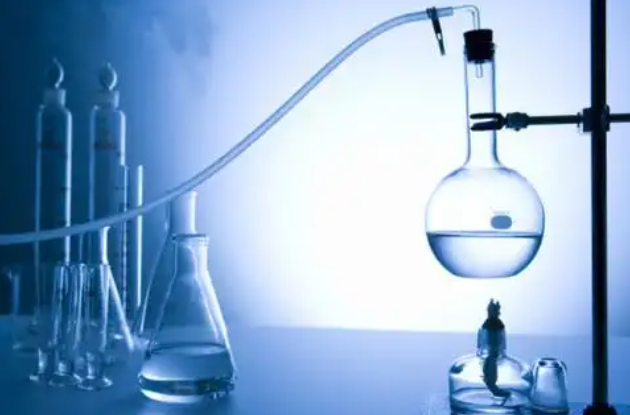
Medical and pharmaceutical: The liquid from the peristaltic pump only contacts the hose, reducing the risk of contamination. As a result, it is highly suitable for conveying sterile, sensitive liquids, etc. and can accurately measure pharmaceutical ingredients.
Food and Beverages: Peristaltic pumps are able to handle viscous and particulate-containing liquids, transfer viscous foods and beverages without contamination. They are also easy to clean and sterilize, which meet the food-safety requirements.
Water and wastewater treatment: Peristaltic pumps are ideal for dosing chemicals and transporting sludge in sewage treatment plants because they can precisely manage flow rates and handle high viscosity and particulate-containing liquids.
Chemical processing: The peristaltic pump only comes into contact with the tube when transporting chemical liquids, which minimizes damage to the pump even when shear-sensitive and corrosive chemicals are being transported.
Applications of Diaphragm Pump
Oil and Gas: Diaphragm pumps are capable of transporting high-viscosity fluids and abrasives common in the oil and gas industries at high pressures.
Chemical Manufacturing: Because diaphragm pumps are made of chemically resistant materials, they are ideal for handling corrosive and hazardous chemicals.
Automotive: Diaphragm pumps are ideal for pumping fluids such as paints, varnishes, lubricants, and coolants during the production process as they can handle a wide range of chemistries and viscosities.
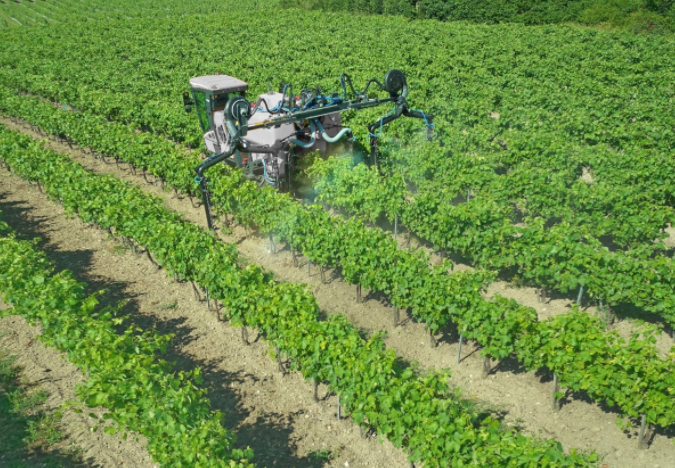
Agriculture: Diaphragm pumps are also suitable for field irrigation, pesticide spraying, and other scenarios.
Generally, peristaltic pumps are suitable for gentle, non-contaminating fluid handling, especially when hygiene requirements are high and fluid shear must be minimized.
They excel in applications where self-priming and dry-running are important, but they are limited by lower pressures, flow rates, and the need for regular pipeline maintenance.
Diaphragm pumps are suitable for high-pressure applications and can handle corrosive, abrasive, and hazardous fluids. They are reliable, leak-free, require minimal maintenance, and produce pulsating flow but with higher noise levels.
Part 5. How To Choose The Right Pump?
Tip 1. Clear Your Purpose
Before choosing which pump to use, first you need to determine its intended purpose, such as wastewater treatment, irrigation, food and beverage processing, oil or other scenarios.
Tip 2. Understand the Fluid Characteristics
Clearing the usage scenario, you must understand the liquid’s properties, including whether it is made of water, chemicals, or mud, as well as its viscosity and solid-to-liquid ratio.
Tip 3. Ensure the Flow Rate
After that, you need to determine the required flow rate, such as the fluid flow rate per unit time, so you can determine which pump can meet your flow requirements.
Tip 4. Maintenance and Durability
It is also important to understand device maintenance and durability, such as the maintenance requirements of the pump, the frequency of replacement of parts, durability, and the difficulty of maintenance, whether professional knowledge is required, etc.
Tip 5. Cost
Finally, you need to understand the approximate budget, such as the initial purchase price, energy consumption during equipment operation, maintenance costs, and the service life of the pump.
Peristaltic Pump vs. Diaphragm Pump: Which One is Better?
There is no such thing as saying one is better or worse. Both peristaltic pumps and diaphragm pumps are excellent pumps with unique features. The choice of pump depends mainly on the scenario you use and your requirements, as we previously discussed how to choose the right pump for your business.
For instance, if your pump is frequently used in high-pressure environments and handles corrosive liquids, a diaphragm pump would be a better choice. If you want to avoid contamination during transportation, a peristaltic pump will be more suitable for you.
FAQs
Is a peristaltic pump a diaphragm pump?
No, peristaltic pumps are not diaphragm pumps. Peristaltic pumps deliver fluids through a flexible tube using a rotating mechanism, which creates peristaltic motion. On the other hand, diaphragm pumps use a flexible diaphragm to create varying pressures in a chamber, which delivers fluids into a valve. Both are positive displacement pumps, but they operate differently.
Do peristaltic pumps push or pull?
Peristaltic pumps can both push and pull liquids. They move liquids by compressing and releasing a flexible tube with a rotating mechanism, creating a peristaltic motion that pushes the liquid forward. This action enables the pump to efficiently push liquid through the tubing and create suction that draws liquid into the pump.
What are diaphragm pumps good for?
Diaphragm pumps are versatile and can efficiently deliver fluids of various viscosities, including corrosive and abrasive liquids. They are widely used in industries such as chemical processing, agriculture, and petroleum. at USD 2.18 billion in 2023 and is projected to grow by 6.62% from 2024-2033. The market is expected to reach USD 4.14 billion by 2033.