
What are the Common Materials for Peristaltic Pump Tubes?
Peristaltic pumps are versatile devices widely used in various industries for fluid transfer. A critical component of these pumps is the peristaltic pump tube, which directly contacts the fluid being pumped. The choice of material for this tube significantly impacts the pump’s performance, durability, and suitability for specific applications. This article will delve into the common materials used for peristaltic pump tubes, their properties, and how to select the appropriate material for a given application.
What is a Peristaltic Pump Tube?
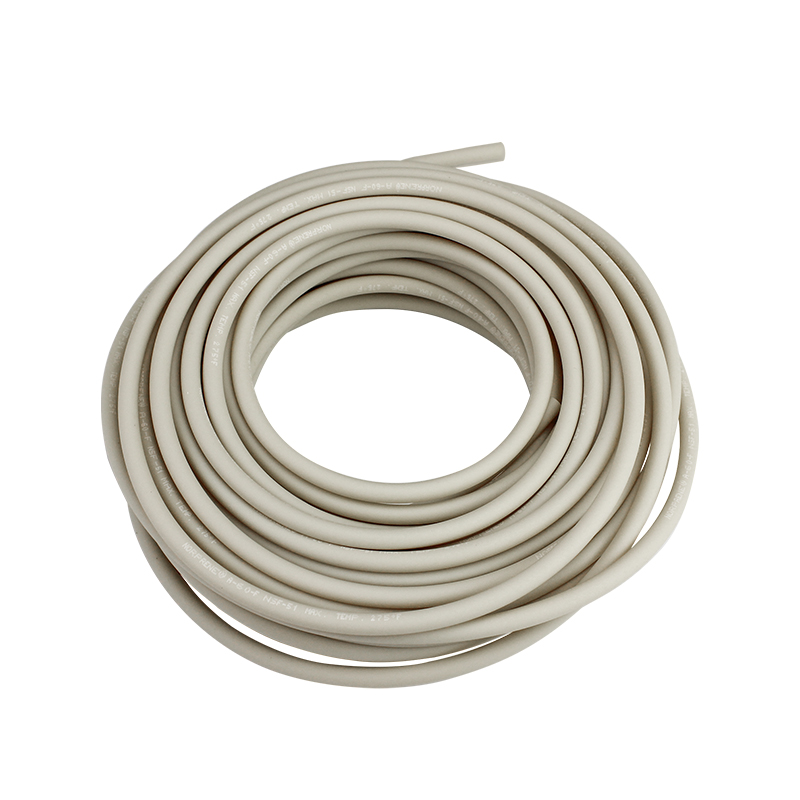
A peristaltic pump tube is a flexible tube that is compressed and released by rollers within a peristaltic pump. As the rollers rotate, they generate a wave-like motion which propels the fluid through the tube. As a crucial component of peristaltic pumps, these tubes are characterized by their softness, wear resistance, and corrosion resistance.
The structure of a peristaltic pump tube features a smooth inner wall that minimizes fluid resistance and enhances pumping efficiency, and a resilient, wear-resistant outer wall designed to withstand the compression of rollers or pads. Additionally, peristaltic pump tubes exhibit a certain degree of flexibility, facilitating installation and use in complex environments.
Applications of Peristaltic Pump Tubes
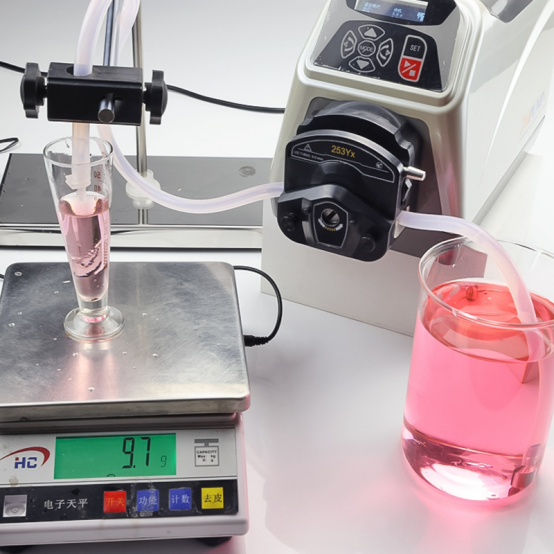
Peristaltic pump tubing finds extensive application in various industries such as chemical, pharmaceutical, food, and environmental engineering. Its primary advantages include controllable flow rate, contamination-free operation, and robust adaptability to varying fluid concentrations and pressures.
Common applications include:
- Pharmaceutical: Used in contamination-free and corrosion-resistant pumping systems. The tubing meets USP Class VI standards, can withstand high-temperature sterilization, and is compatible with various drive options. Applications include nutrient and pH adjuster pumping in fermentation processes, and cosmetic liquid dispensing.
- Laboratory: Employed for small volume fluid dispensing and metering, offering high repeatability and eliminating the need for valves, thereby preventing fluid blockages and siphoning. Common uses include cell and tissue transfer, specimen decolorization, perfusion, liquid chromatography analysis, and acidic or basic solution transfer.
- Food: Utilized in food production lines for dispensing and filling juices, yogurt, seasonings, syrups, and other food products. The tubing’s ease of replacement without cleaning makes it suitable for handling diverse fluids.
- Chemical: Used for transferring various corrosive fluids such as acids, bases, and solvents. Its leak-proof and contamination-free characteristics make it ideal for handling sensitive or high-value fluids. The gentle pumping process minimizes shear forces and bubble formation.
- Environmental: Employed in wastewater treatment, waste gas treatment, and other environmental engineering applications to ensure environmental safety and operator protection.
- Industrial: Widely used for transferring fuel liquids, etching chemicals, printing inks, laundry chemicals, grinding fluids, and lubricants. Its self-priming and dry-running capabilities prevent catastrophic failures in many industrial systems.
Common Materials for Peristaltic Pump Tubes
Peristaltic pump tubing is a flexible tube designed to convey liquids, gases, or mixtures thereof within a peristaltic pump. The choice of material for this tubing is critical as it directly influences the pump’s performance and the suitability for specific applications.
Common materials include silicone, fluororubber, natural rubber, and EPDM, each offering distinct properties in terms of chemical resistance, temperature tolerance, and durability.
Comparison of Common Materials
| Material | Advantages | Disadvantages | Applications |
| Silicone | Excellent chemical resistance, wide temperature range, biocompatible, smooth inner wall | Higher cost | Pharmaceutical, food, biotechnology |
| Fluororubber (e.g., PTFE) | Exceptional chemical resistance, high temperature resistance, abrasion resistance | Higher cost, limited flexibility | Chemical processing, handling highly corrosive fluids |
| Natural rubber | Good elasticity, low cost | Prone to aging, limited chemical resistance | General industrial applications |
| Ethylene Propylene Diene Monomer (EPDM) | Good chemical resistance to many chemicals, excellent weather resistance | Limited temperature range | Automotive, industrial, and general-purpose applications |
Detailed Introduction of Different Materials
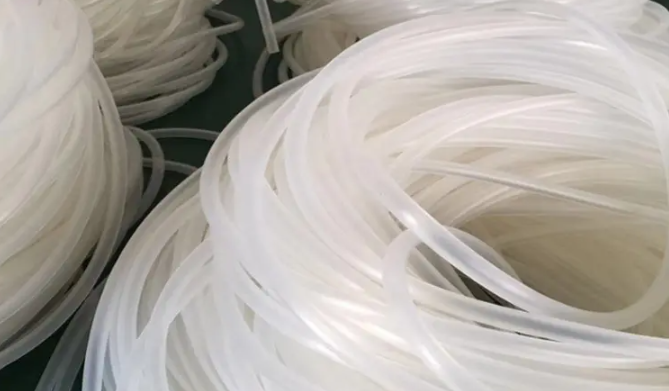
·Silicone Rubber: Silicone rubber is characterized by its exceptional high-temperature stability. While its strength at room temperature is only about half that of natural rubber or some synthetic rubbers, silicone rubber can maintain a certain degree of flexibility, resilience, and surface hardness even at temperatures above 200°C, with no significant changes in mechanical properties.
Silicone rubber exhibits excellent low-temperature performance, with a glass transition temperature generally ranging from -70°C to -50°C; special formulations can even reach -100°C. Silicone rubber offers outstanding chemical resistance, a wide temperature operating range, and biocompatibility. It is frequently used in the pharmaceutical and food industries for handling sensitive fluids.
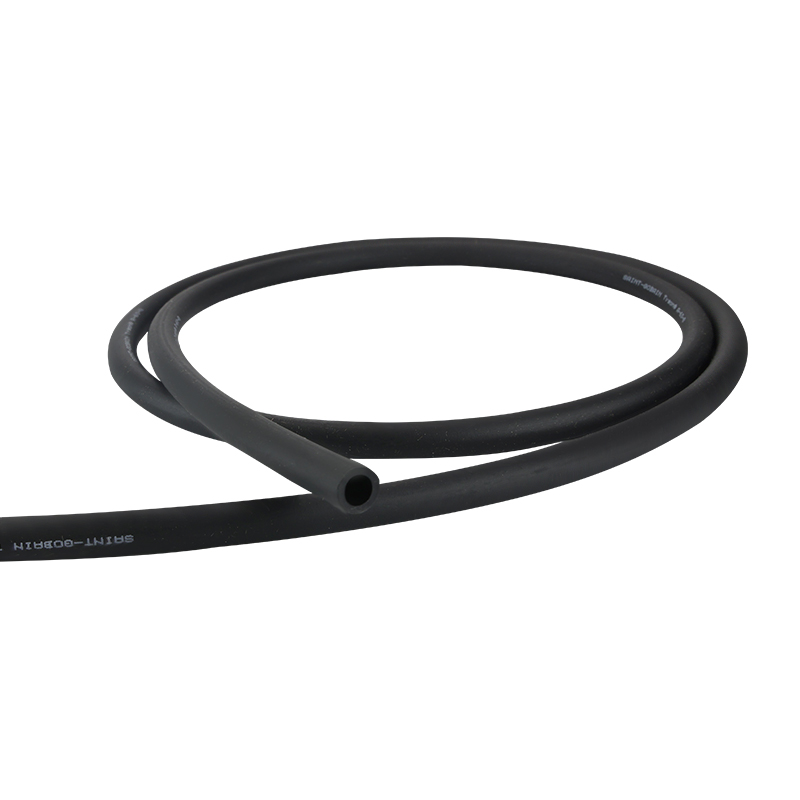
·Fluororubber: Fluororubber refers to synthetic elastomers where fluorine atoms are bonded to the carbon atoms in the main or side chains. The introduction of fluorine atoms endows the rubber with excellent heat resistance, oxidation resistance, oil resistance, corrosion resistance, and weatherability.
Fluororubber has found extensive applications in aerospace, automotive, petroleum, and household appliances, and is an indispensable material in cutting-edge defense industries. Fluororubber, such as PTFE, exhibits outstanding resistance to a wide range of chemicals, including strong acids and bases. It is the ideal choice for handling highly corrosive fluids in chemical processing applications.
·Natural Rubber:Natural rubber, derived from the latex of rubber trees, has been a staple material for centuries due to its excellent elasticity and resilience. It offers a cost-effective solution for many applications, particularly those requiring flexibility and vibration absorption.
However, natural rubber has certain limitations. It is susceptible to aging, which can lead to degradation of its properties over time. Additionally, its chemical resistance is relatively limited, making it less suitable for applications involving exposure to strong acids, bases, or solvents.
·EPDM:EPDM is a synthetic rubber that offers a well-balanced combination of properties, making it a versatile choice for various applications. It exhibits excellent resistance to a wide range of chemicals, including ozone, weathering, and many organic solvents. This makes EPDM particularly suitable for outdoor applications and environments where exposure to harsh chemicals is a concern.
EPDM also possesses good elasticity and flexibility, similar to natural rubber, but with enhanced durability and resistance to aging. These properties make EPDM a popular choice in automotive applications, such as seals, gaskets, and hoses, as well as in industrial settings where reliable performance in demanding conditions is required.
How to Select a Peristaltic Pump Tube
Peristaltic pumps often require prolonged continuous operation, underscoring the significance of selecting the appropriate tubing and accessories. The following factors should be meticulously evaluated when choosing peristaltic pump tubing:
Fluid Properties
- Chemical Compatibility: Ensure the tube material is resistant to the specific chemicals or substances being pumped. Consult compatibility charts or manufacturer recommendations.
- Viscosity: The viscosity of the fluid affects the tube’s thickness and the pump’s operating pressure. Higher viscosity fluids may require thicker tubes or higher pump pressure.
- Temperature: The tube material must be able to withstand the operating temperature range of the fluid. Extreme temperatures can affect the tube’s elasticity and durability.
Operating Conditions
- Temperature: The tube material should be compatible with the ambient temperature and any temperature fluctuations. Extreme temperatures can affect the tube’s performance and lifespan.
- Pressure: The tube must be able to withstand the operating pressure without bursting or deforming. Higher pressures may require thicker or reinforced tubes.
- Environmental Factors: Consider any environmental factors that could affect the tube, such as exposure to sunlight, moisture, or corrosive agents.
Flow Rate and Accuracy
- Required Flow Rate: Determine the desired flow rate to select a tube with an appropriate inner diameter and pump speed.
- Dosing Precision: If precise dosing is required, consider factors such as tube wall thickness, roller compression, and fluid properties.
Tube Life
- Operating Conditions: The tube’s lifespan will depend on factors such as temperature, pressure, fluid properties, and maintenance practices.
- Maintenance: Regular inspection, cleaning, and lubrication can help extend the tube’s life.
Final Thoughts
The choice of material for a peristaltic pump tube is crucial for optimal performance and longevity. By carefully considering the specific application and the properties of the fluid being pumped, engineers and technicians can select the most suitable material.
Factors such as chemical compatibility, temperature resistance, and cost should all be weighed when making a decision.If you have any more questions or concerns, we’re here to help.