
Centrifugal Pump vs Peristaltic Pump: Which One is Better for You?
During the operation of fluid transfer and dosing, the choice of an appropriate type of pump is crucial. Centrifugal pumps and peristaltic pumps are two primary types, extensively contrasted due to their diverse working mechanism and application situations. Which would be a better fit for your need? This article will provide a comprehensive comparison of their differences to help you make a better decision.
Part 1. What is Centrifugal Pump?
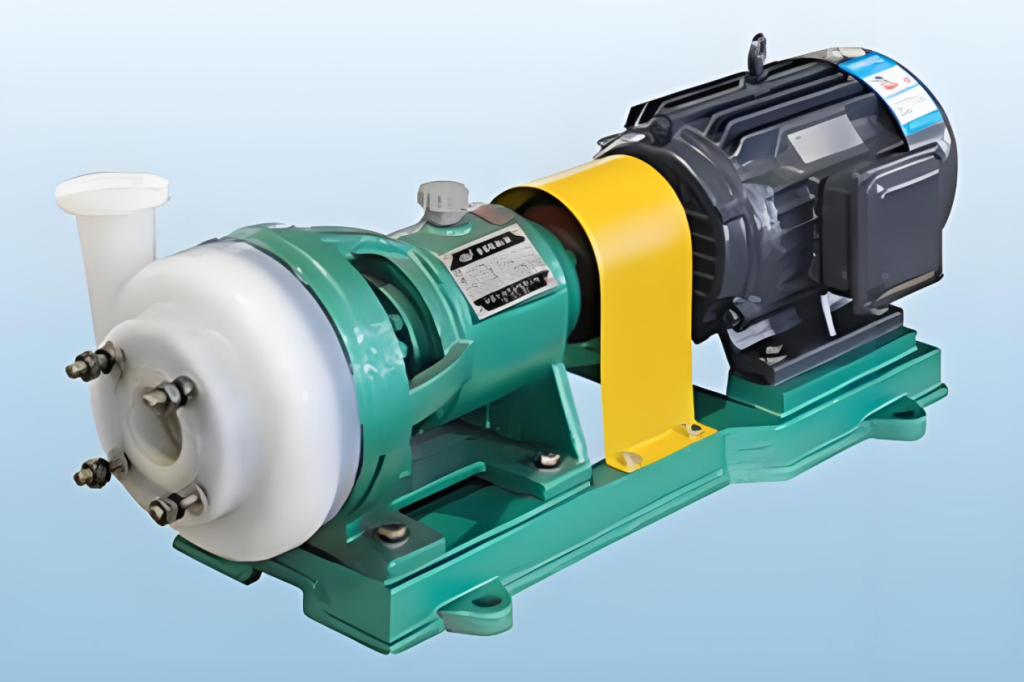
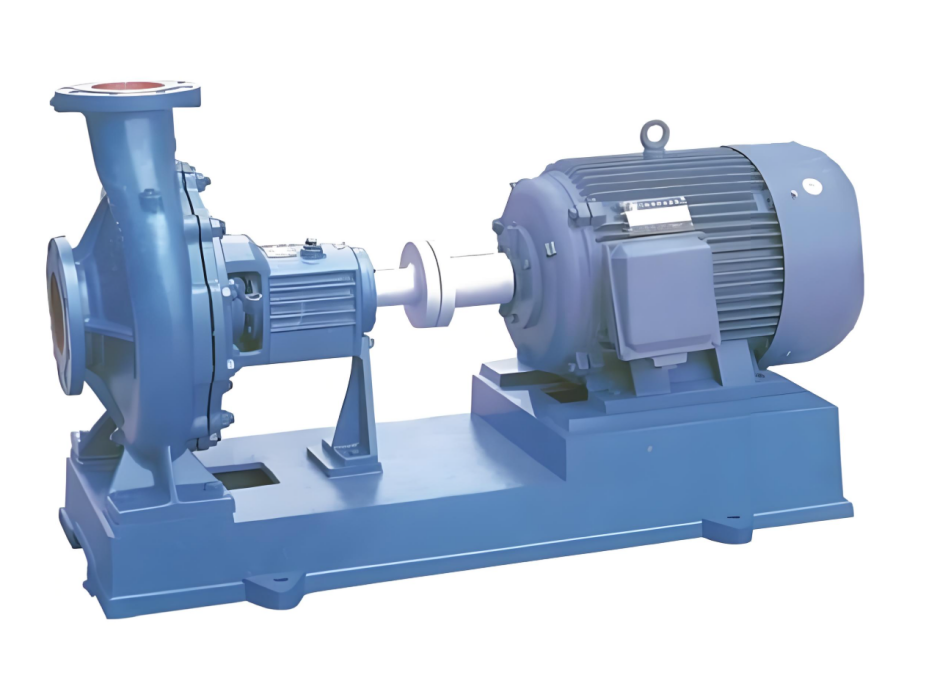
Centrifugal pump is a pump that utilizes the centrifugal force created by rotation of the impeller to draw in the liquid from the inlet and expel it out through the outlet. As a result of the process, the liquid gains kinetic energy and pressure energy, hence the continuous transfer. Its construction consists mainly of an impeller, pump casing, and pump shaft with relatively simple design in maintaining constant delivery of the liquid.
Key Features of Centrifugal Pump
- Dependent on the rotation of the impeller and centrifugal force to transport liquids
- Structurally simple, having basically impeller, casing, and shaft
- High in efficiency for continuous and stable high-flow transfer
- Provides kinetic energy as well as pressure to the fluid
Part 2. What is Peristaltic Pump?
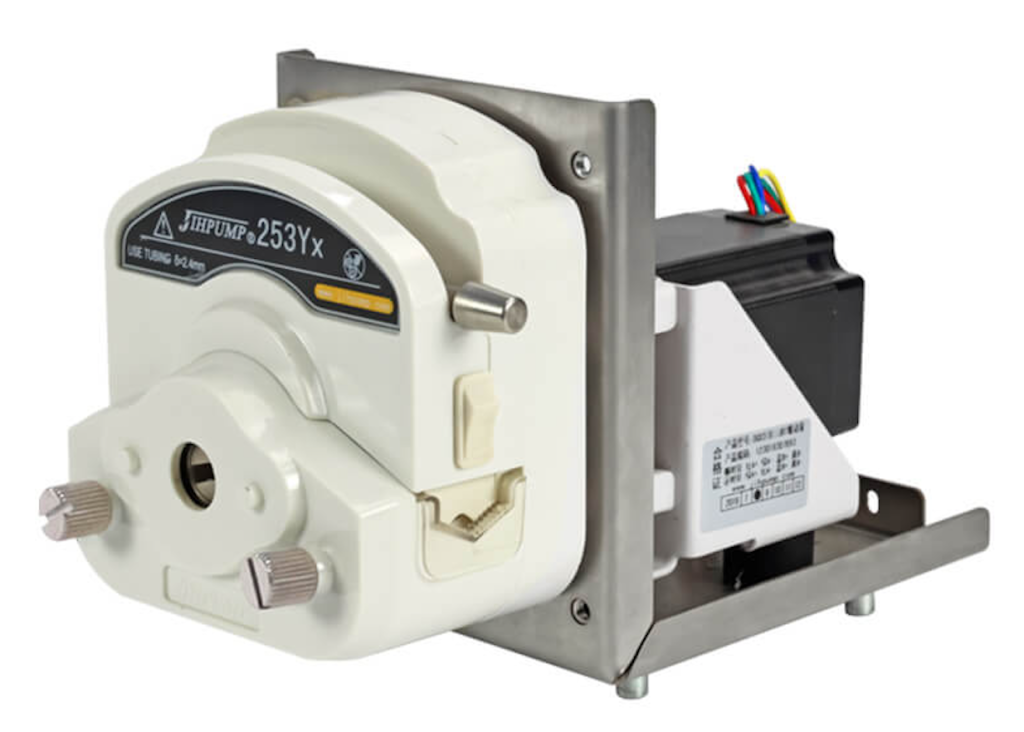
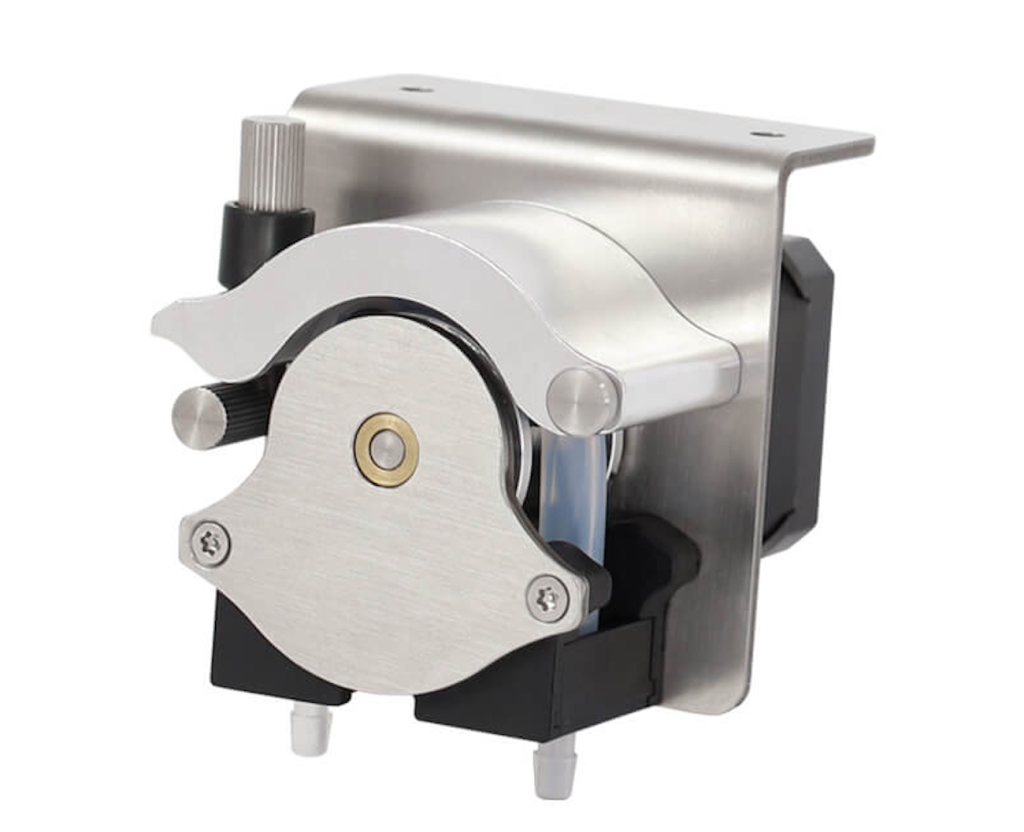
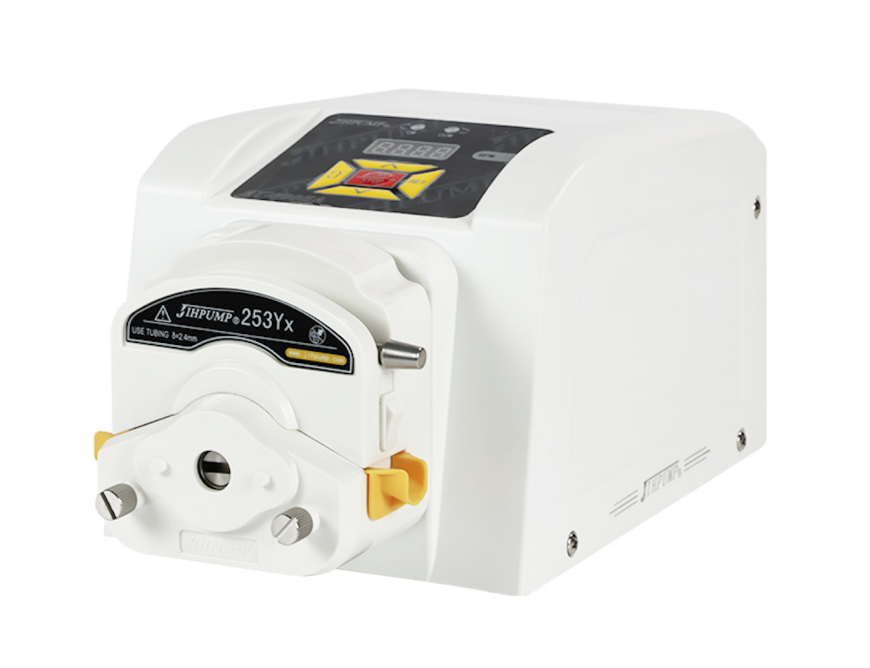
A peristaltic pump operates by compressing and relaxing an elastic tube with turning rollers or shoes, which push the fluid inside the tubing through. The fluid is completely contained in the pump tube and is not in direct contact with any other part of the pump, hence not being contaminated and corroded. Its structure does not employ any valves or seal members, as the tubing itself is the sole fluid-contacting element.
Key Features of Peristaltic Pump
- Pumps liquid by compressing and decompressing an elastic tube by rollers or shoes
- Liquid comes into contact only with the pump tube, preventing corrosion and contamination
- No need for additional valves or sealing devices
- Relies on tubing’s elasticity for dosing and fluid transfer
Part 3. Working Principle of Peristaltic Pump and Centrifugal Pump
Peristaltic Pump
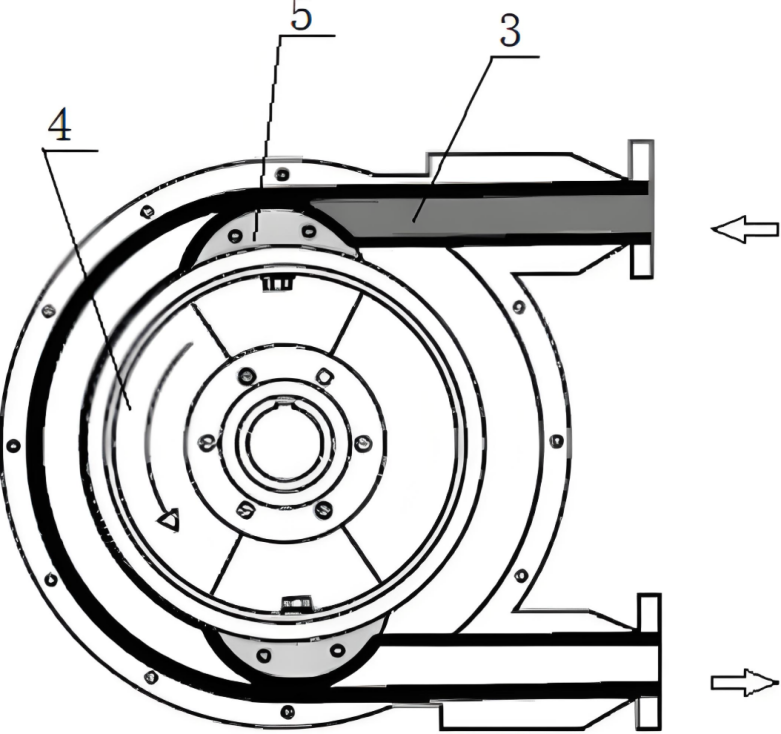
Peristaltic pump works principle of mechanical action of rollers or shoes along an elastic tube. As the rotor turns, the rollers sequentially compress the tubing at discrete points, creating a “pushing” action that drives the liquid in a direction.
When the roller traverses a point, the tubing returns to its original form due to its elasticity, creating suction that draws more ldiquid into the tube. This process of compression and release is reiterated repeatedly, creating a smooth, pulse-free flow.
As the fluid is fully within the tube, contact with pump moving parts is prevented. This design prevents cross-contamination and does not subject the fluid to mechanical abrasion, the reason why peristaltic pumps are especially valued in situations where sterile, precise, or contamination-free transfer is a necessity. Flow rate is readily controlled by varying the rotor speed or by selecting tubing of diverse diameters.
Centrifugal Pump
The working principle of a centrifugal pump is based on the fact that it converts mechanical rotational energy into movement of the fluid using an impeller. As the impeller is spun at a high rate, the liquid comes in through the suction port and gets thrown to the center of the impeller, or the “eye.” The rotating impeller blades then transfer kinetic energy to the liquid, which is thrown to the outside towards the pump casing.
When the liquid reaches the pump casing volute or diffuser, the high velocity of flow is converted to pressure energy and becomes able to leave the pump at a higher pressure and flow rate. The constant repetition of this process makes centrifugal pumps deliver a continuous, uninterrupted flow of liquid. The pump operation is dependent on impeller size, rotational speed, and pump casing design.
Centrifugal pumps are widely used as a result of their high fluid capacity and their effectiveness in conveying fluid, thus one of the most utilized pumps in industrial and commercial networks.
Part 4. Centrifugal Pump vs Peristaltic Pump: Key Differences
The most important distinctions when peristaltic pumps are compared to centrifugal pumps are their operation principle, contact of the fluid, accuracy, and suitability for many applications. These distinctions will help you select the right pump according to your operation demands.
Comparison in Detail
Fluid Contact
The fluid comes into contact directly with the internal pump components such as the casing and the impeller in centrifugal pumps. The fluid, nonetheless, only touches the tubing with peristaltic pumps and never the possibility of contamination or corrosion inside the pump.
Flow and Precision
Centrifugal pumps can achieve high flow rates efficiently but lack precision for dosing and metering use. Peristaltic pumps are accurate and controllable even at low flow rates, which makes them appropriate for uses requiring accuracy.
Maintenance
Centrifugal pumps require regular checks on seals, bearings, and impellers. Peristaltic pumps require less complex maintenance since the main wear item is tubing, which is easily replaced.
Application Suitability
Centrifugal pumps are more ideal to pump clean, low-viscosity fluids at high speeds. Peristaltic pumps are more ideal to pump viscous, abrasive, or sensitive fluids, especially when contamination of the fluid is not acceptable.
Comparison Table
| Aspect | Centrifugal Pump | Peristaltic Pump |
| Working Principle | Uses impeller rotation and centrifugal force to move liquid | Uses rollers/shoes to compress tubing and push liquid |
| Fluid Contact | Liquid contacts impeller and pump casing | Liquid only touches the tubing (no contact with pump body) |
| Flow Characteristics | High flow rate, continuous transfer | Precise, controllable flow, suitable for dosing |
| Viscosity Handling | Best for low-viscosity fluids | Handles high-viscosity, abrasive, or sensitive fluids |
| Maintenance | Requires inspection of seals, bearings, impellers | Easy maintenance, tubing replacement is the main task |
| Contamination Risk | Higher (fluid contacts internal parts) | Very low (fluid isolated in tubing) |
| Application Focus | Water supply, cooling, irrigation, general industry | Pharmaceuticals, food, chemical dosing, wastewater treatment |
Part 5. Centrifugal Pump Advantages and Disadvantages
Centrifugal pumps are commonly used in applications where high volumes of liquid must be shifted continuously. Prior to selecting one, it is essential to familiarize yourself with both their advantages and limitations, since they have implications on suitability for various fluids and conditions.
Advantages:
Moderate cost: Established manufacturing process and common availability render centrifugal pumps cost-effective.
High flow rates: The impeller can transport liquid at a high rate of flow, ideal for long-term, high-flow applications.
Simple construction and steady operation: Pump casing, impeller, and bearings constitute the bulk of the parts; it has a reliable construction that runs smoothly with minimal vibration.
Disadvantages:
Not suitable for highly viscous or solid-containing fluids: Highly viscous fluid reduces efficiency, while solids wear out or clog the impeller.
Can generate shear forces: Fluid is highly agitated within the impeller, which may cause degradation of sensitive media like emulsions or biological fluids.
Seals and impeller require periodic maintenance: Long-term use can lead to leakage or wear, prompting inspection and component replacement.
Part 6. Peristaltic Pump Advantages and Disadvantages
Peristaltic pumps are best suited for accurate fluid dosing and for processing liquids which need to be kept uncontaminated. Knowing their strengths and weaknesses assists in establishing whether they suit particular processes.
Advantages:
High accuracy: Positive displacement action gives a specific volume per turn of the rotor, rendering them ideal for exact dosing and chemical injection.
Fluid only contacts tubing: Liquid never contacts pump components, eliminating possible contamination or corrosion, suitable for sanitary applications.
Can pump special fluids: Pump corrosive, heavy, or particle-contaminated fluids without clogging or harming the fluid.
Simple operation and maintenance: Service is restored instantly by replacing the tubing, without intricate disassembly.
Disadvantages:
Limited flow and pressure range: Tubing constraints make them unsuitable for bulk water supply or high-head applications.
Tubing must be replaced periodically: Tubes will degrade over time, raising operating costs.
Increased initial capital investment: Compared to an equivalent centrifugal pump, peristaltic pumps have a higher initial cost.
Part 7. Centrifugal vs Peristaltic Pump: Which Pump to Use?
It largely depends on your fluid characteristics, flow requirements, and operating considerations whether you’re using a centrifugal or peristaltic pump.
Choose a Peristaltic Pump if
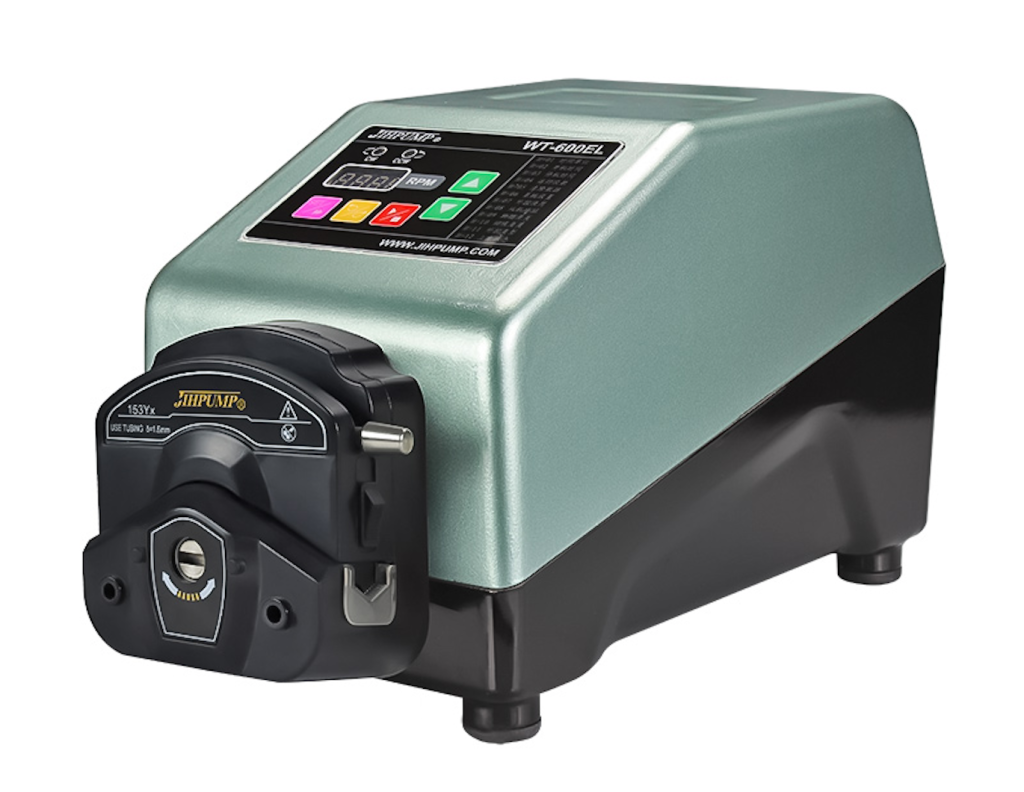
You need precise dosing, contamination-free transfer, or must deal with corrosive, thick, or particle-containing fluids. Peristaltic pumps assure precise flow control, allow only the liquid to touch the tubing, and reduce the chance of contaminating sensitive fluids. They are particularly appropriate for use in pharmaceuticals, food processing, chemical dosing, or laboratory settings where accuracy and cleanliness are paramount.
Choose a Centrifugal Pump if
You need to transport massive amounts of low-viscosity liquid on a continuous basis and want to keep initial expenditure to a minimum. Centrifugal pumps work best if flow consistency and efficiency are priorities, and the liquid is not shear-sensitive. Centrifugals are ideal for use in water distribution, cooling systems, and industrial fluid transfer in general where massive flow rates are critical.
The decision is one of trade-off between cost and flow rate versus precision and fluid compatibility. Understanding the special requirements of your process will guide you to the optimum type of pump.
Summary: Why Choose JIHPump Peristaltic Pumps?
From the comparison, it will be seedn that peristaltic pumps and centrifugal pumps each possess their own merits. If your application involves pharmaceuticals, food, chemicals, or laboratory processes involving accurate liquid handling, peristaltic pumps clearly offer more advantages.
Advantages of JIHPump Peristaltic Pumps:
- Large variety of models to suit a wide range of applications
- High-quality tubing that is corrosion-resistant and long-lasting
- World-class and trusted with reliable and proven performance
For high-performance peristaltic pumps, JIHPump is a partner you can trust.