
How to Choose the Right Food Grade Peristaltic Pump Tubing?
Peristaltic pumps are widely used in the production of food, beverages and pharmaceuticals because they can transport liquids in a clean and controllable way without exposing the liquids to mechanical components. The tubes in these pumps play a crucial role – they are the only mechanical components that come into contact with the products. When choosing high-quality food-grade silicone tubes, what key factors should be considered to ensure that they meet the high standards of industry requirements?
Below, in this article, we will reveal the answer to you and help you protect your products and profits through the right choices.
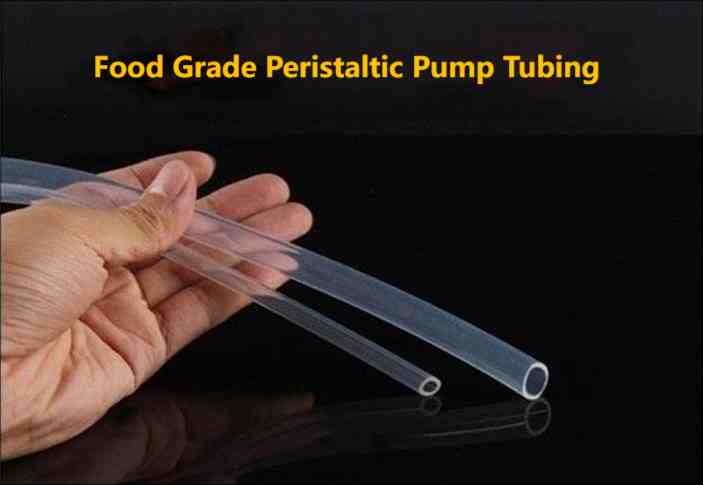
Why Food Grade Tubing Matters?
In food and beverage, every detail of the production line is of the highest importance. From processing raw materials to packaging, components and equipment alike must all adhere to strict standards in order to uphold product safety and compliance.
Peristaltic pumps have wide-ranging uses in the transportation of liquids, such as juice bottling, dairy functions, syrup dispensing, coffee and tea machines, and even in the production of pharmaceuticals and health care products. Peristaltic pumps operate on the principle of a flexible tube being squeezed by rollers in a repetitive manner to push the liquid forward without any chance of contamination. The tube itself is the only contact area between the pump and the product.
Using uncertified or inappropriate tubes can create serious problems: chemical leaching, bacterial growth, flavor change, and even regulatory noncompliances. Food-grade tubes, on the contrary, are specially designed for the transfer of consumer goods. It is made of high-purity materials, such as platinum-cured silicone, polyethylene or thermoplastic elastomers. Most importantly, it complies with international food safety standards such as FDA, USP Class VI, NSF and EU 10/2011.
With no suitable tubes, manufacturers stand to face cross-contamination, equipment failure and loss of consumer trust. In industries where hygiene and reliability are of utmost importance, food-grade tubes are not an option but a requirement.
How to Choose the Right Food Grade Peristaltic Pump Tubing?
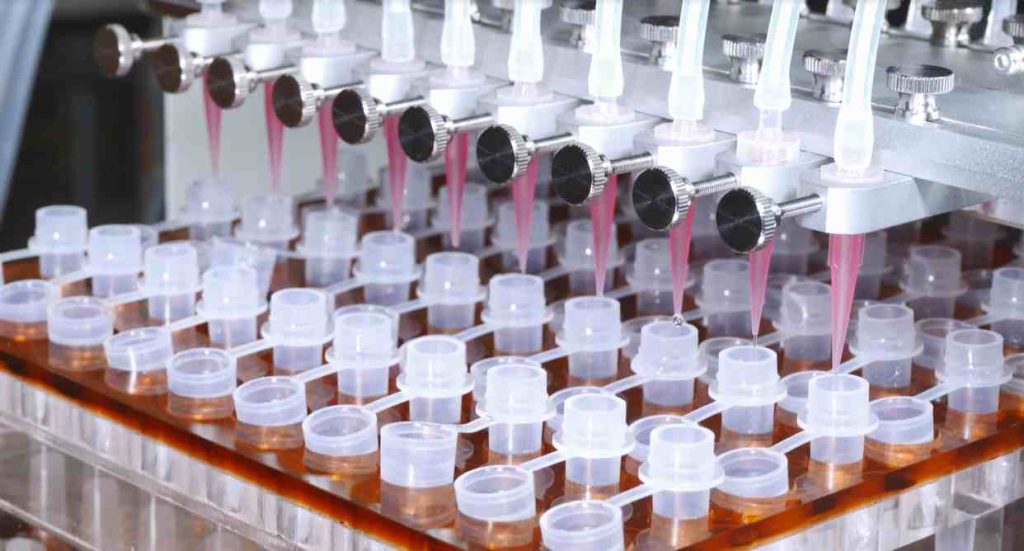
In selecting silicone tubing, in addition to its size, operating pressure, and temperature range, one must also consider performance properties such as durability, chemical stability, and elasticity. High-quality silicone tubing provides a more secure seal and longer service life, ensuring smooth operation of peristaltic pumps. Below are key parameters to consider in the selection of food-grade peristaltic pump tubing:
1. Material Compatibility
- Silicone tubing: The favorite of food and beverage systems. It is flexible, soft, translucent, and biocompatible. It is appropriate for water-based fluids, milk, and low-fat beverages. Silicone, however, does not have good chemical resistance to harsh solvents or oils.
- Tygon tubing: High chemical resistance and transparency make it applicable to acidic juices, spirits, and syrups. Tygon generally has a longer life than silicone.
- Norprene or Santoprene tubing: Heavy-duty applications with long duration, like heavy-duty industrial use. The products are resistant to extreme cleaning cycles (CIP/SIP) and temperatures and are ideal for continuous running of production lines.
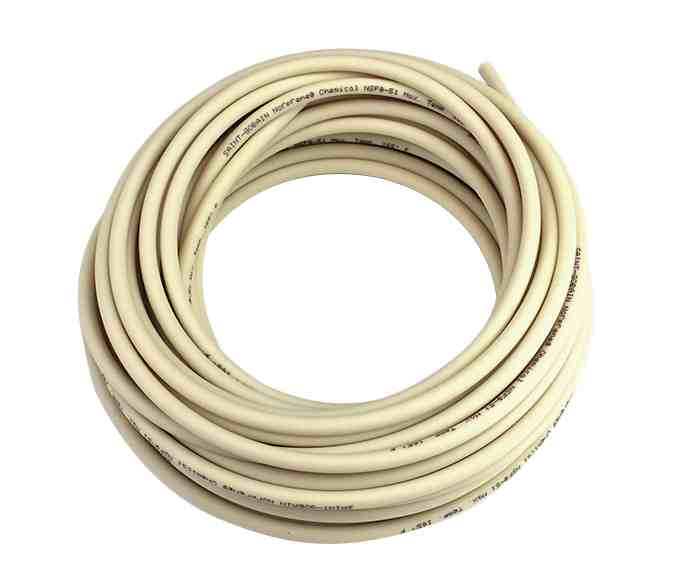
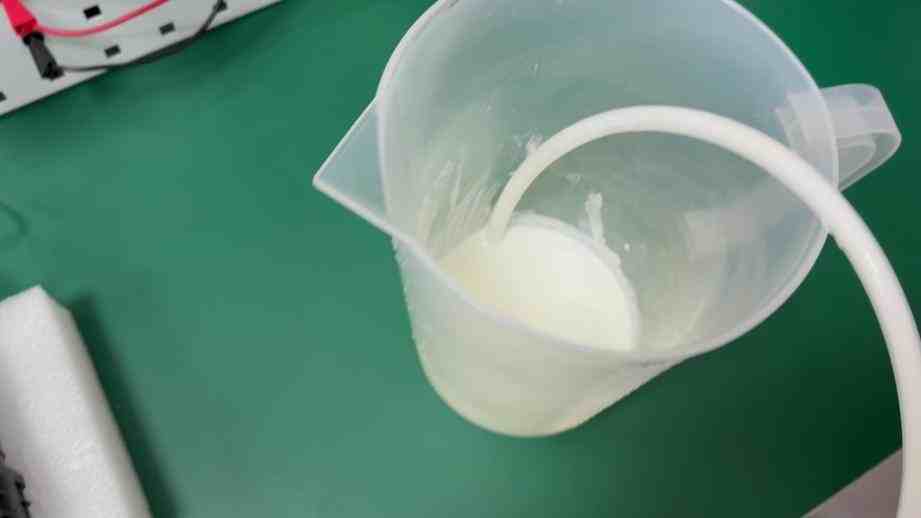
The specific choice will depend on the fluid being transferred. Syrupy fluids require pressure and stick-resistant hoses, and milk requires repeat-sterilizable hoses.
2. Certifications and Compliance
Always check certifications that are relevant. Food-grade hoses must consist of materials which meet the following accepted standards:
- FDA 21 CFR 177.2600 (food contact certification)
- USP Class VI (pharmaceutical use biocompatibility certification)
- NSF 51/61 (food equipment materials)
- EU 10/2011 (EU Food Safety Regulation)
Without these, the hose cannot provide safety for food and beverage contact. This is especially important for those manufacturers selling to more than one market.
3. Mechanical Properties
Peristaltic pump tubing undergoes repeated cycles of compression and relaxation. Thus elasticity and wall thickness are necessary:
- Elasticity: The tube should be readily compressible without causing permanent deformation.
- Wall Thickness Accuracy: Uniform wall thickness results in uniform flow rates and precise metering.
- Durability: More life for the tube reduces downtime and minimizes cost of ownership.
Improperly designed tube can lead to unstable flow or bursting, with ensuing loss of product and possibility of contamination.
4. Cleanability and High-Temperature
Processing of food and beverages normally entails sterilization. Tubing is repeatedly exposed to the following conditions:
- Autoclaving at high temperatures (autoclaving).
- Chemical cleaning with alkaline or acid solutions by CIP (clean-in-place).
- High-temperature SIP (steam sterilization in place).
For example, silicone tubing can be autoclaved repeatedly but may be damaged faster under the influence of aggressive cleaning solutions. Norprene, however, holds up after repeated CIP cycles.
5. Pump and Dimensions Compatibility
Pump tubing should be compatible with the peristaltic pump head specifications. Inner diameter (ID), outer diameter (OD), and wall thickness have direct implications for flow rate and pump life. Even minor differences can lead to leaks, pulsation, or excessive wear. Always refer to the pump manufacturer’s dimensional chart prior to ordering.
6. Cost and Lifespan
Price is not the sole factor in selecting your pump tubing. While good-quality food-grade peristaltic pump tubing may be more expensive to buy, it will also last longer, reducing downtime and maintenance costs. In most cases, high-quality tubing will be cheaper to own compared to cheaper tubing that has to be replaced time and again.
Practical Applications of Food Grade Peristaltic Pump Tubing
Due to the versatility of peristaltic pumps, they are a must-have item in most industries. Food grade tubing makes it possible to use such pumps for the safe and reliable transfer of sensitive and edible products in the following applications:
- Dairy Industry: Used for milk transfer, yogurt dosing, and cream dispensing. Food grade silicone tubing is used as it is biocompatible and can withstand sterilization.
- Beverage Industry: From soft drinks and fruit juices to beer and wine, peristaltic tubing offers sanitary, accurate filling. Tygon tubing is normally used for alcoholic beverages and acidic fruit juices because of its improved chemical resistance.
- Coffee, Tea, and Vending Machines: Food-grade tubing is used for liquid sugar, syrups, and flavor concentrates. It’s clear so the operator has a quick visual on flow and cleanliness.
- Pharmaceutical and Nutraceuticals: Used in vitamin drinks, supplements, and low-volume liquid administration. Tubing must be able to meet both food- and pharmaceutical-grade standards such as USP Class VI.
- Sauces and Condiments: Mayonnaise, ketchup, and salad dressing require tubing that can withstand clogging and is viscous fluid-compatible. Norprene tubing is a strong candidate for these applications since it is extremely durable.
In all of these cases, the tubing is not just a pipe—it is the product’s first line of defense and a protector of consumer safety.
Conclusion

The proper selection and use of silicone hose specifications for peristaltic pumps is crucial for ensuring the proper operation and long-term stability of the equipment. A thorough understanding of the various parameters and performance characteristics of silicone hoses, along with appropriate selection and maintenance based on actual application requirements, will help improve the overall performance and lifespan of the peristaltic pump.
For more information on silicone hose specifications for peristaltic pumps, please feel free to contact us.