
Optimizing Winemaking with Peristaltic Pumps
Winemaking is a delicate art that requires precision and care at every stage. From gentle handling of grapes to the final bottling, each step influences the final quality of the wine. In recent years, peristaltic wine pumps have emerged as indispensable tools for modern wineries, offering numerous advantages over traditional pumping methods. This article will explore the principles of peristaltic pumping, its benefits in winemaking, key considerations for selecting the right pum.
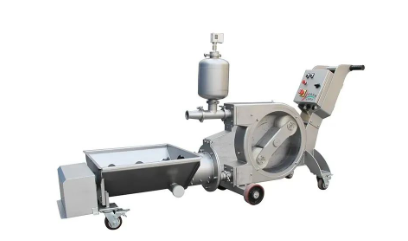
How Peristaltic Pumps Work?
Peristaltic pumps operate on a simple yet ingenious principle. They utilize a flexible tube and a series of rollers that move along the tube’s length. As the rollers pass over the tube, they compress it, creating a vacuum that draws in fluid. As the rollers move further, they propel the fluid forward, much like squeezing toothpaste from a tube. This continuous squeezing and releasing action ensures a gentle and pulsating flow, minimizing shear stress on the wine.
Advantages of Using Peristaltic Pumps
Peristaltic pumps exhibit excellent self-priming capabilities, can run dry without damage, and avoid contaminating components beyond the tubing. They offer bidirectional flow, adjustable speed, and non-return flow, making them ideal for gently transferring grape must. In winemaking, peristaltic pumps provide several advantages, including:
- Sanitary Operation: The only part of the pump that comes into contact with the wine is the inner surface of the tube. This significantly reduces the risk of contamination from external sources, ensuring the utmost hygiene throughout the winemaking process.
- Gentle Handling: The pulsating action of peristaltic pumps minimizes shear forces on the wine, preserving its delicate aromas, flavors, and delicate structures. This is crucial for maintaining the integrity of high-quality wines.
- Dry Run Capability: Unlike many other pump types, peristaltic pumps can operate even when there is no liquid in the tube. This prevents damage to the pump and ensures safe operation during start-up and shut-down.
- Variable Flow Rate: By adjusting the speed of the rollers, the flow rate of the wine can be easily and precisely controlled. This flexibility is essential for various stages of the winemaking process, from gentle transfers to more demanding applications.
- Self-Priming: Peristaltic pumps can easily handle liquids containing air bubbles or with high viscosity, making them suitable for a wide range of winemaking tasks.
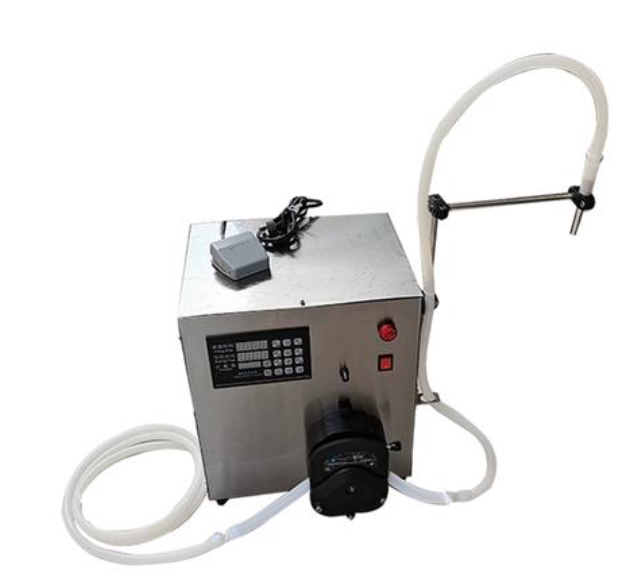
Use of Peristaltic Pumps in Winemaking
Peristaltic pumps find numerous applications throughout the winemaking process:
- Must Transfer: Gently and efficiently transferring grape must from the press to fermentation tanks. This minimizes the risk of oxidation and preserves the delicate aromas of the freshly pressed juice.
- Sugar Addition: Precisely adding sugar during fermentation is crucial for achieving the desired alcohol content and sweetness. Peristaltic pumps enable accurate and controlled sugar additions, ensuring consistent results.
- Wine Transfer: Moving wine between different vessels, such as from fermentation tanks to aging barrels or from barrels to blending tanks, requires careful handling. Peristaltic pumps provide a gentle and controlled method for these transfers.
- Filtration: During the filtration process, peristaltic pumps can gently move the wine through filter media, ensuring minimal disruption to the wine’s delicate structure.
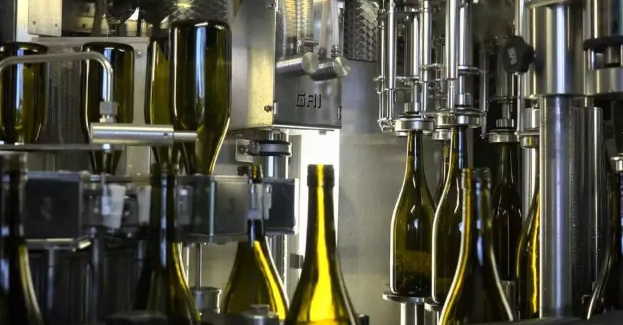
- Bottling: Accurately filling bottles with wine is essential for both quality and consumer satisfaction. Peristaltic pumps provide precise control over the filling process, minimizing spillage and ensuring consistent fill levels.
Factors to Consider When Selecting a Peristaltic Pump
Choosing the right peristaltic pump for your winery requires careful consideration of several factors:
Consistency of Flow Rate
Wineries often require precise control over the flow rate of wine. Therefore, when selecting a peristaltic pump, it is essential to consider its flow rate range and accuracy. The required flow rate will vary depending on the specific application. For example, transferring large volumes of must will require a higher flow rate than adding small amounts of sugar.
Peristaltic Pump Tube Material Selection
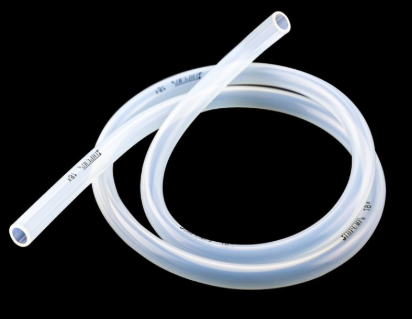
Wine may contain alcohol and other chemical components, so the chemical compatibility of the peristaltic pump tube material must be considered. Common materials include silicone, PTFE, and Santoprene, each with its own advantages and limitations. Silicone tubing and silicone-based materials typically do not react chemically with wine and are suitable for use in wineries. Additionally, the tube material should meet USP Class VI requirements to ensure that no harmful substances are released.
Drive Type
Peristaltic pumps can be driven by electric motors or pneumatic actuators. Electric drives are generally more common in wineries due to their ease of use and control.
Corrosion Resistance
Winemaking involves exposure to various acids and other chemicals. It is crucial to select a pump with components that are resistant to corrosion to ensure long-term durability and reliable operation.
Ease of Maintenance and Operation
Equipment in wineries needs to be easy to maintain and operate. When selecting a pump head, consider whether it is easy to replace the tubing and secure it, as well as whether the roller structure is flexible. Additionally, the pump should be easy to disassemble for maintenance.
JIHPUMP Peristaltic Pumps: Uncompromising Quality and Precision
Peristaltic pumps have revolutionized winemaking by offering a gentle, efficient, and reliable method for handling wine throughout the production process.
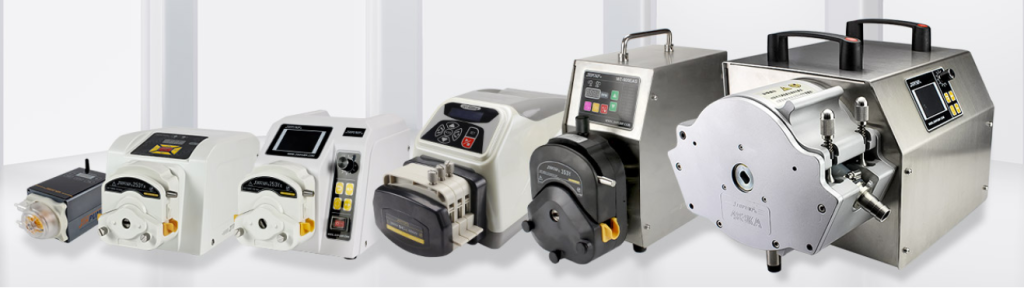
JIHPUMP, a leading name among peristaltic pump manufacturers, offers a wide range of high-quality pumps designed for the winemaking industry. Their pumps are renowned for:
- Precision: Delivering accurate and consistent flow rates for precise control over winemaking processes.
- Durability: Constructed from high-quality materials that are resistant to corrosion and wear and tear, ensuring long-term reliability.
- Sanitation: Designed with hygiene in mind, minimizing the risk of contamination and ensuring the highest quality wine.
- Ease of Use: User-friendly design and intuitive controls make JIHPUMP pumps easy to operate and maintain.
- Customized (OEM) peristaltic pump: Suitable for occasions with special requirements and can be customized according to customer needs.
For expert advice on choosing the right peristaltic pump for your winemaking needs, don’t hesitate to reach out to our team.