
What Are the Key Factors Influencing Peristaltic Pump Filling Precision?
In the filling production lines of industries such as food, pharmaceuticals, and chemicals, precision is the core metric for evaluating equipment performance. As an innovator in the field of fluid transfer, peristaltic pumps have become the preferred equipment for precision filling systems due to their advantages of being pollution-free, easy to clean, and highly adaptable.
This article delves into the critical factors that determine the filling accuracy of peristaltic pumps, providing insights for users seeking to maximize their operational efficiency.

Tracing the Working Principle and Accuracy Advantages of Peristaltic Pumps
Peristaltic pump filling systems are a liquid filling technology based on the peristaltic pump principle. Through the special working principle and control system of the peristaltic pump, efficient and precise liquid filling is achieved. The peristaltic movement is generated by the alternating squeezing and releasing of the elastic conveying hose by the pump head of the peristaltic pump, thereby driving the liquid flow and realizing filling.
Please watch the following video for a clearer understanding of this working process:
Peristaltic pumps use rotating rollers to alternately squeeze the hose to create a vacuum for fluid transfer. Their core advantages are reflected in:
Zero Cross-Contamination: Peristaltic pumps operate by compressing a flexible tube or hose, creating a moving fluid pocket. This eliminates direct contact between the fluid and the pump components, ensuring sterility and preventing cross-contamination. The consistent volume displaced per rotation contributes to the pump’s inherent accuracy.
Self-Cleaning Characteristics: The valve-less structure avoids residue.
Precise Metering: The rotational speed has a linear relationship with the flow rate.
Five Key Factors Affecting Filling Accuracy
In today’s environment of increasing demand for refined production, filling accuracy directly impacts product quality and production cost control. As a professional solution provider in the field of fluid transfer, we combine 19 years of industry experience and have summarized the following key factors that need to be carefully considered to achieve high filling accuracy with peristaltic pumps:
Hose Material and Elastic Modulus
The hose is the heart of a peristaltic pump, and its material properties significantly impact filling accuracy. The hose must possess excellent elasticity to ensure consistent recovery after compression. Materials like platinum-cured silicone, thermoplastic elastomers (TPE), and fluoropolymers are commonly used due to their superior flexibility and chemical resistance. The elastic modulus, a measure of a material’s stiffness, plays a crucial role. A lower elastic modulus allows for easier deformation and recovery, leading to more consistent fluid displacement.
Selecting the right hose material and ensuring its compatibility with the fluid being handled is essential for maintaining filling precision.
Pump Head Structural Design
The pump head’s design, including the number, arrangement, and pressure of the rollers or shoes, directly affects the compression and release of the hose. A well-designed pump head ensures uniform compression, minimizing pulsation and maximizing accuracy. Precision manufacturing of the pump head components is crucial for consistent performance. Factors such as the roller diameter, spacing, and pressure adjustment mechanisms contribute to the overall filling precision.
Peristaltic pumps manufacturers invest heavily in research and development to optimize pump head designs for various applications, ensuring their products meet stringent accuracy requirements.

Drive System Performance
The drive system’s stability and control precision are vital for accurate filling. The motor’s speed stability, control accuracy, and responsiveness directly influence the flow rate consistency. Advanced drive systems with precise speed control and feedback mechanisms minimize variations in fluid delivery.
The drive system’s vibration and noise levels can also affect hose compression and release, impacting filling accuracy.
Fluid Property Adaptation
The fluid’s characteristics, such as viscosity, density, and surface tension, influence its flow behavior within the hose. High-viscosity fluids require higher compression forces and slower flow rates to maintain accuracy. Some fluids may react with the hose material, causing swelling or degradation, which can affect filling precision.
Selecting a hose material compatible with the fluid and adjusting the pump parameters to accommodate the fluid’s properties are essential for achieving accurate filling. Peristaltic pumps manufacturers often provide guidelines and recommendations for fluid compatibility and parameter adjustments.
System Integration Solutions
The overall system integration, including the pump’s installation, tubing layout, and environmental conditions, impacts filling accuracy. Proper installation and tubing configuration minimize pressure fluctuations and ensure consistent fluid delivery. Integrating sensors, controllers, and other automation components enhances control and monitoring capabilities, improving overall filling precision.
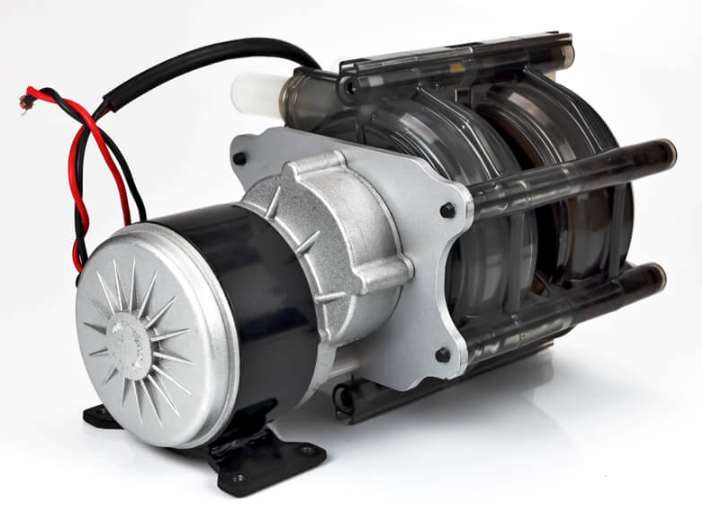
Industry Application Cases – Using Peristaltic Pump Filling Lines
Peristaltic pumps are widely used in various industries, including pharmaceuticals, food and beverage, chemical processing, and biotechnology.
In pharmaceutical filling lines, peristaltic pumps ensure sterile and accurate dispensing of liquids and suspensions.
In the food and beverage industry, they are used for precise filling of sauces, flavors, and other liquids. Chemical processing applications benefit from the pumps’ ability to handle corrosive and abrasive fluids.
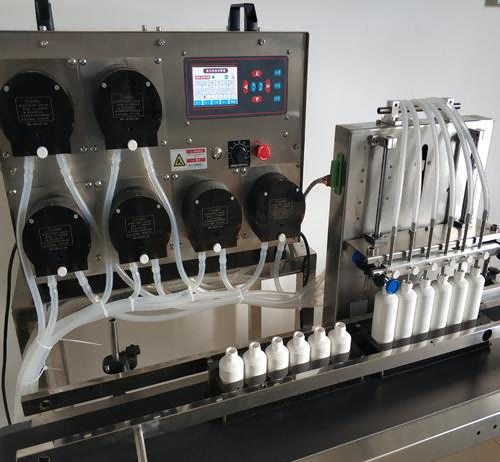
In biotechnology, peristaltic pumps are used for cell culture and media transfer, where maintaining sterility and viability is crucial.
These applications highlight the versatility and reliability of peristaltic pumps in demanding filling processes.
JIHPUMP – Customizing Your Peristaltic Pump Usage Needs
peristaltic pumps manufacturer – JIHPUMP

Choosing a reliable peristaltic pumps manufacturer is essential for ensuring optimal filling precision and performance. JIHPUMP offers a wide range of high-quality peristaltic pumps and customized solutions to meet diverse application requirements. With a focus on innovation and customer satisfaction, JIHPUMP provides expert technical support and guidance to help users select the right pump and optimize their filling processes. Their commitment to quality and reliability makes them a trusted partner for industries seeking precise and efficient fluid handling solutions.
In conclusion, achieving high filling precision with peristaltic pumps requires a comprehensive approach that considers hose material, pump head design, drive system performance, fluid properties, and system integration. By understanding and addressing these key factors, users can maximize the accuracy and efficiency of their filling processes.