
Why Choose Peristaltic Pumps for Aseptic Filling?
Aseptic filling is a critical process in industries like pharmaceuticals, biopharmaceuticals, food and beverage, and cosmetics, where maintaining the sterility of the product is paramount. This process involves filling sterilized products into pre-sterilized containers under aseptic conditions, preventing microbial contamination and ensuring product safety and efficacy. Choosing the right filling technology is crucial for successful aseptic filling, and peristaltic pumps have emerged as a preferred option for many applications due to their unique advantages.
This article explores the aseptic filling process, discusses common metering methods, and delves into the specific benefits of using peristaltic pumps in aseptic filling systems.
What is Aseptic Filling?
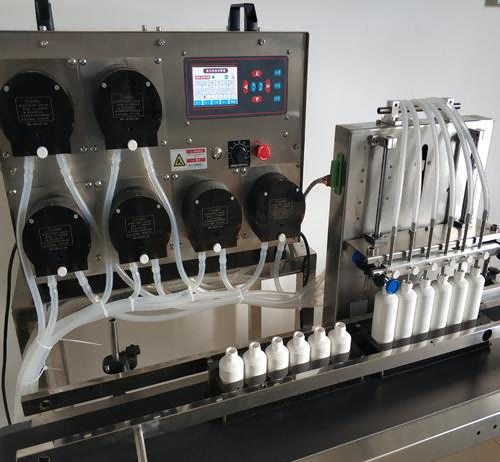
Aseptic filling is a highly controlled manufacturing process designed to prevent microbial contamination of sterile products during packaging. It involves a series of coordinated steps, starting with the sterilization of both the product and the packaging components (containers, closures, etc.).
The filling process itself takes place within a controlled environment, such as a cleanroom or isolator, where air quality, temperature, and humidity are strictly regulated. The product is then transferred into the sterilized containers using a precise filling system, after which the containers are immediately sealed to maintain sterility.
Aseptic filling is essential for products that cannot be terminally sterilized, such as certain pharmaceuticals, biologics, and some food and beverage items.
Three Common Metering Filling Methods for Aseptic Filling
Aseptic filling generally involves three types of filling methods, such as time-pressure filling, piston pump filling, and our peristaltic pump filling. Among them, peristaltic pump filling is a method that has recently gained popularity.
Piston Pump Filling
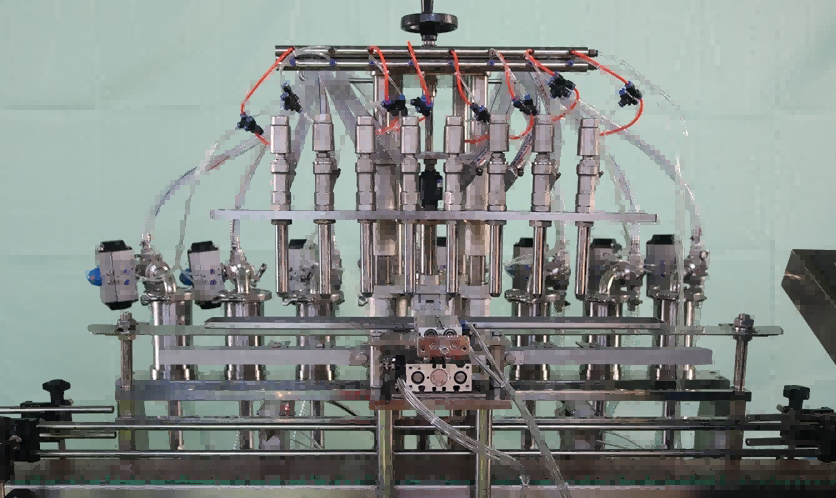
Piston pumps utilize a reciprocating piston within a cylinder to draw and dispense precise volumes of liquid. They offer high accuracy and are suitable for a range of viscosities. However, the direct contact between the product and the pump components can pose a risk of contamination and requires thorough cleaning and sterilization.
Peristaltic Pump Filling
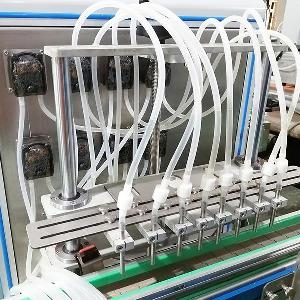
Peristaltic pumps operate by compressing a flexible tube, creating a wave-like motion that propels the fluid forward. The key advantage of peristaltic pumps is that the product only contacts the inside of the tubing, eliminating contact with the pump mechanism. This minimizes the risk of contamination and makes them ideal for aseptic filling.
Time-Pressure Filling
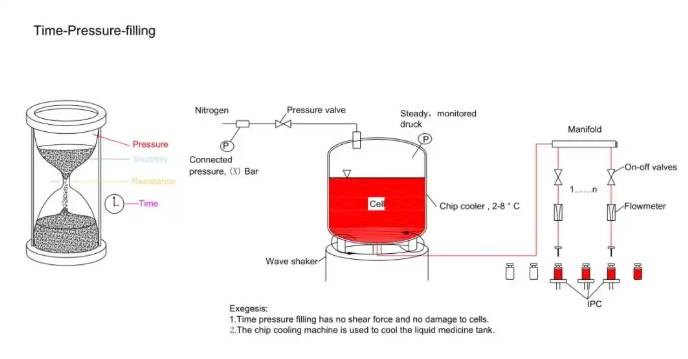
Time-pressure filling relies on controlling the duration and pressure of fluid flow to achieve the desired fill volume. While simple and cost-effective, this method is less accurate than piston or peristaltic pumps and can be affected by variations in fluid viscosity and temperature. It is generally not preferred for critical aseptic filling applications.
Why Choose Peristaltic Pumps for Aseptic Filling?
Peristaltic pumps offer several compelling advantages that make them particularly well-suited for aseptic filling:
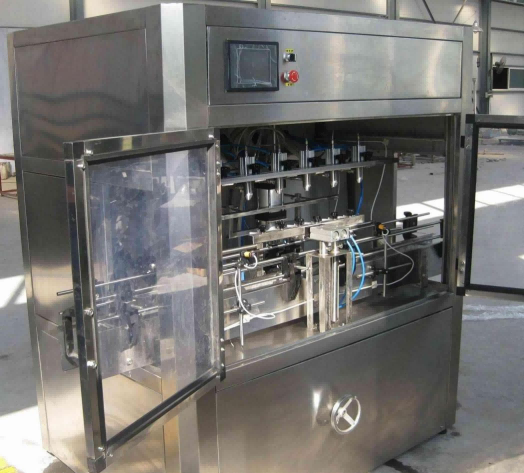
Safety and Hygiene, No Risk of Cross-Contamination
The fundamental principle of peristaltic pumping, where the fluid is contained within the tubing and never contacts the pump itself, inherently minimizes the risk of product contamination. This is crucial in aseptic filling, where maintaining sterility is paramount.
The absence of valves, seals, or other complex internal components further reduces the potential for contamination and simplifies cleaning. This also eliminates the risk of cross-contamination between different products, making peristaltic pumps ideal for multi-product filling lines.
Easy to Clean and Sterilize
Peristaltic pumps have a simple design, with only the tubing contacting the liquid, making them very easy to clean and disinfect. Traditional pumps may have complex structures such as valves and seals, which are prone to dirt and grime; while peristaltic pumps have a simple structure, the tubing is detachable, and there are no hidden gaps, which meets the cleaning and validation requirements of aseptic filling.
The tubing can be sterilized by high-temperature and high-pressure sterilization (such as SIP), gamma ray irradiation, or chemical disinfection (such as CIP circulation), which can meet the needs of different sterility levels, reduce downtime, and improve the overall efficiency of the aseptic filling process.
High Filling Accuracy, Precise Metering
Modern peristaltic pumps offer excellent volumetric accuracy and repeatability, allowing for precise control of the filling volume. By controlling the rotational speed through a servo motor, combined with the stability of the hose size, a filling accuracy of ±1% can be achieved, making it suitable for medicines, biological agents, and other products with strict dosage requirements. This level of precision is essential to ensure correct product dosage and minimize product waste.
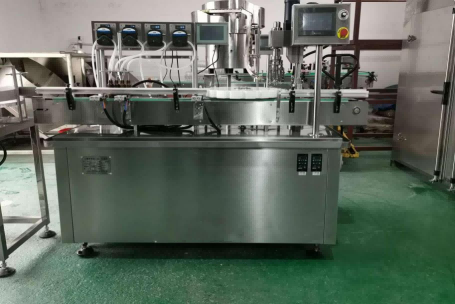
Low Maintenance Cost & Convenient Operation
Consumables are limited to the tubing, and the main maintenance cost lies in regularly replacing the tubing, which is more economical compared to replacing mechanical seals, rotors, and other parts of other types of pumps.
Rapid shutdown response, no need to depressurize or drain the pipeline, the tubing naturally closes and stops the flow when the machine is shut down, preventing dripping and contamination of the filling area.
Wide Compatibility
Peristaltic pumps are compatible with a wide range of fluids, including liquids, suspensions, and even viscous materials. They can handle shear-sensitive fluids, such as cell cultures and protein solutions, without causing damage. This versatility makes them suitable for a diverse range of aseptic filling applications across various industries.
Try to Build an Aseptic Filling System with JIHPUMP Peristaltic Pumps

JIHPUMP offers a comprehensive range of peristaltic pumps designed for various applications, including aseptic filling. Integrating JIHPUMP peristaltic pumps into an aseptic filling system is a straightforward process. By selecting the appropriate pump model based on the required flow rate, pressure, and fluid compatibility, a customized aseptic filling system can be easily configured.
JIHPUMP also provides technical support and application expertise to assist in the design and implementation of aseptic filling systems, ensuring optimal performance and compliance with industry standards.
If you are interested in building an aseptic filling system, please feel free to contact us.