
How to Choose the Right Peristaltic Pump for Your Fish Tank?
Maintaining a healthy and thriving aquarium requires careful attention to water quality, circulation, and oxygenation. While traditional submersible pumps are common, peristaltic pumps offer a unique and often superior solution for specific aquarium needs. This article will delve into the world of fish tank peristaltic pumps, exploring their benefits, usage precautions, and key factors to consider when choosing the right model for your aquatic environment.
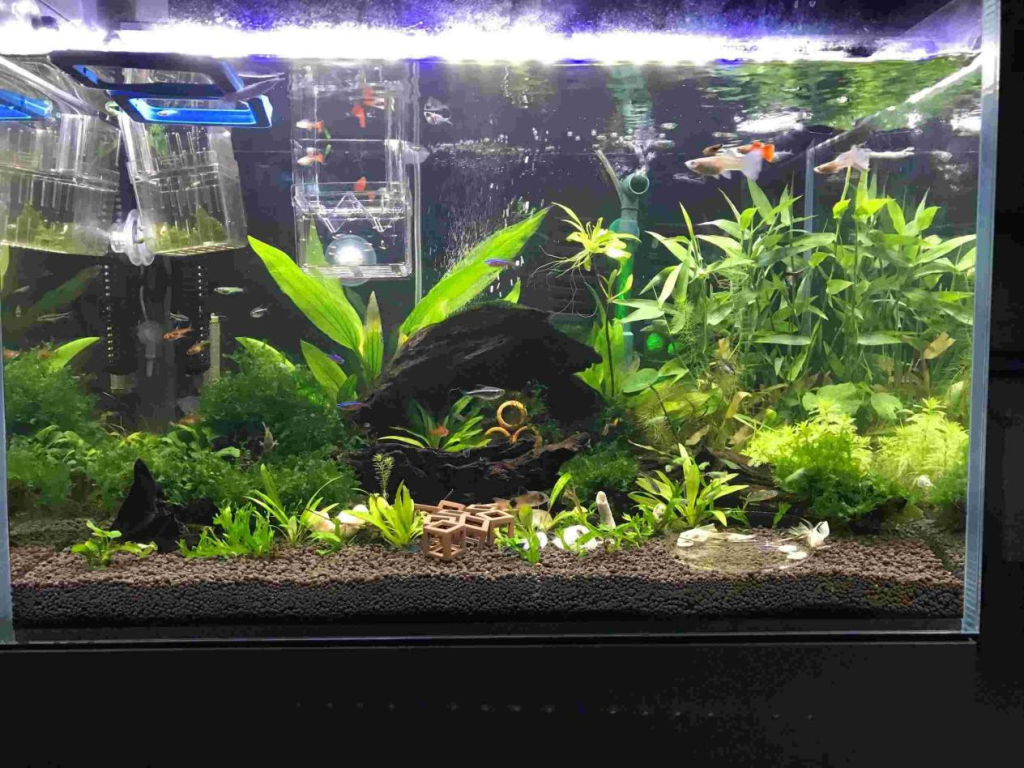
What is A Fish Tank Peristaltic Pump?
A fish tank peristaltic pump is a small water pump that circulates water to remove debris and uneaten food from the bottom of the tank, promoting water circulation and filtration. It also discharges waste and gases to the water surface, allowing them to fully interact with oxygen in the air and be released. This increases the oxygen content in the water, improves water quality, ensures the health of aquatic life, and provides a healthy living environment for fish.
Simply put, it is a pump that can slowly and steadily transport liquids, mainly used to reduce harmful substances in the fish tank and maintain clear and transparent water quality.
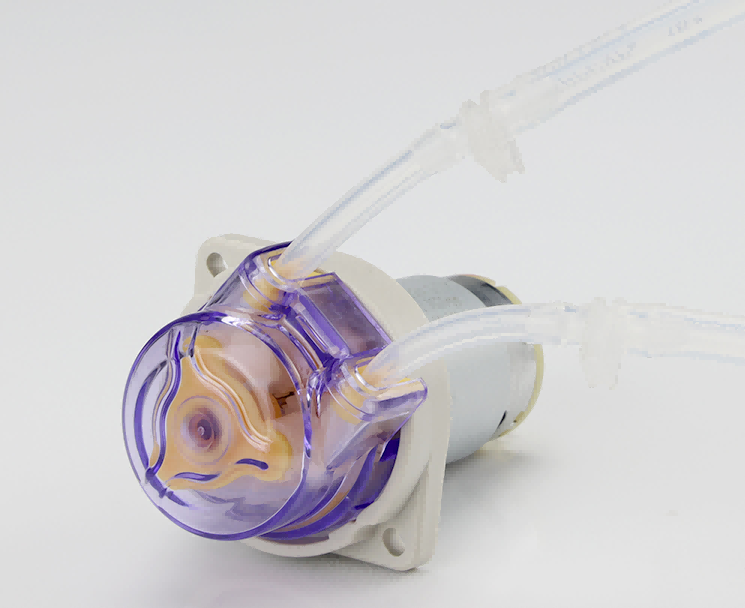
Benefits of Using Peristaltic Pump in A Fish Tank
Peristaltic pumps offer several advantages for aquarium use, making them a valuable tool for maintaining a healthy aquatic ecosystem:
Increased Oxygen Levels
By creating consistent and adjustable water flow, peristaltic pumps enhance surface agitation, which is crucial for oxygen exchange. Increased surface area exposure to the air promotes the dissolution of oxygen into the water, benefiting fish and other aquatic life.
Circulating Water
Effective water circulation is essential for distributing nutrients, maintaining even water temperature, and preventing stagnant zones. Peristaltic pumps provide a controlled and reliable method for circulating water throughout the tank, ensuring all areas receive adequate flow.
Promoting Water Flow
Peristaltic pumps can be strategically placed to create specific flow patterns within the aquarium. This is particularly beneficial for reef tanks or planted aquariums, where specific water currents are necessary for the health and growth of corals and aquatic plants. The gentle, yet consistent flow from a peristaltic pump is less disruptive than some high-powered submersible pumps, creating a more natural environment.
Ensuring Water Quality
Because the water is contained within the tubing, peristaltic pumps minimize the risk of contamination. They also prevent the buildup of debris and detritus within the pump itself, contributing to better water quality. The gentle pumping action also minimizes the disturbance of substrate, preventing clouding and maintaining a cleaner tank.
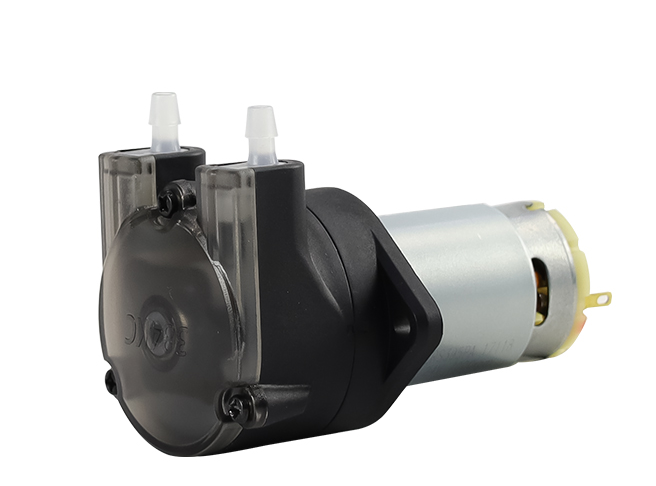
Precautions for Using A Fish Tank Peristaltic Pump
While generally safe and efficient, some precautions should be taken when using peristaltic pumps in aquariums:
- Tubing maintenance: The flexible tubing is the only part of the pump that comes into contact with the water and will wear over time. Regular inspection and replacement of the tubing are crucial to prevent leaks and ensure optimal pump performance. The frequency of replacement will depend on the pump usage, flow rate, and type of fluid pumped.
- Flow rate monitoring: Periodically check the flow rate of the pump to ensure it’s operating within the desired range. Changes in flow rate can indicate tubing wear or other issues requiring attention.
- Pump placement: Choose a location for the pump that allows easy access for maintenance and tubing replacement. Ensure the tubing is not kinked or constricted, as this can affect flow rate and damage the tubing.
- Electrical safety: As with any electrical device near water, exercise caution when handling the pump and its power supply. Ensure the area around the pump is dry and that the pump is properly grounded.
- Regular cleaning is very important: Clean the filter and water pipes of the peristaltic pump regularly to prevent bacterial growth and clogging
How to Choose The Right Fish Tank Peristaltic Pump?
Selecting the appropriate peristaltic pump for your aquarium depends on several crucial factors:

Determine flow requirements:
The size of your tank, the type of inhabitants, and the desired water turnover rate will determine the necessary flow rate. Larger tanks and tanks with high bioloads (many fish) will require higher flow rates. Research the specific needs of your aquarium setup to determine the ideal gallons per hour (GPH) or liters per hour (LPH) rating.
Confirm head:
“Head” refers to the vertical distance the pump needs to lift the water. Consider the height from the pump to the top of the tank or any other point where water needs to be delivered. Choose a pump with a head rating that exceeds your requirements to ensure adequate flow.
Material and durability:
Look for pumps made with high-quality, corrosion-resistant materials, especially for the pump housing and rollers. The tubing material should be compatible with aquarium water and resistant to wear. Consider the overall build quality and reviews from other users regarding durability and lifespan.
Noise and vibration:
Some peristaltic pumps can generate noise and vibration during operation. If noise is a concern, look for pumps that are advertised as quiet or have dampening features. Consider where the pump will be located and how any noise might affect the surrounding environment.
Budget:
Peristaltic pumps come in a range of prices. Determine your budget beforehand and look for pumps that meet your needs within your price range. Keep in mind that investing in a higher-quality pump may save you money in the long run due to increased durability and performance.
JIHPUMP Peristaltic Pump for Fish Tank
JIHPUMP offers a range of peristaltic pumps suitable for aquarium use, including models designed for easy integration and quiet operation. Two examples include:
293KC Quick Mounting Panel OEM Peristaltic Pump
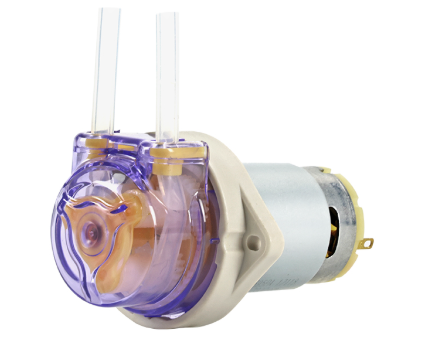
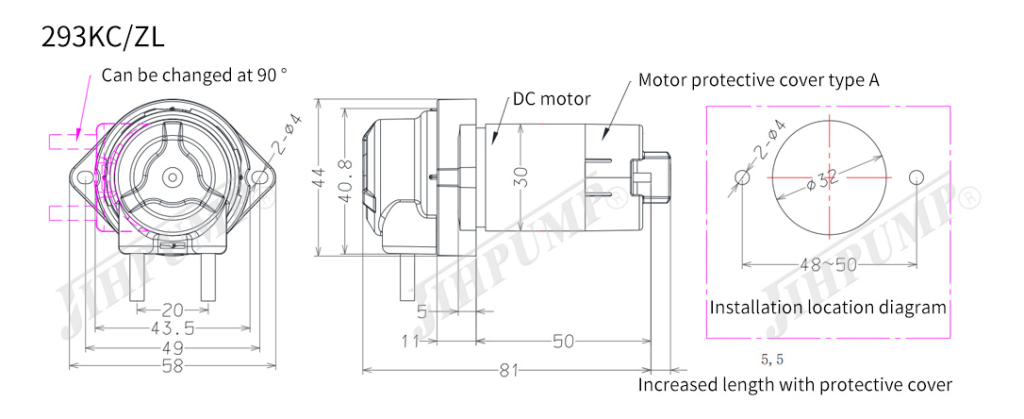
The 293KC Quick Mounting Panel OEM peristaltic pump boasts a sleek and compact design for seamless integration into various applications. Its adjustable tubing direction caters to specific system requirements, while the pump cover is available in clear, blue, and yellow to complement different aesthetics. Featuring a 3-roller design ideal for low-pulse dosing and a high-speed micro motor optimized for interval operation, this pump also includes a base with strip-shaped mounting holes for direct and easy installation onto user equipment.
Overall Dimension
384KC Quick Mounting Panel OEM Peristaltic Pump
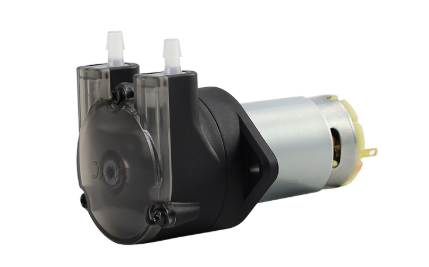
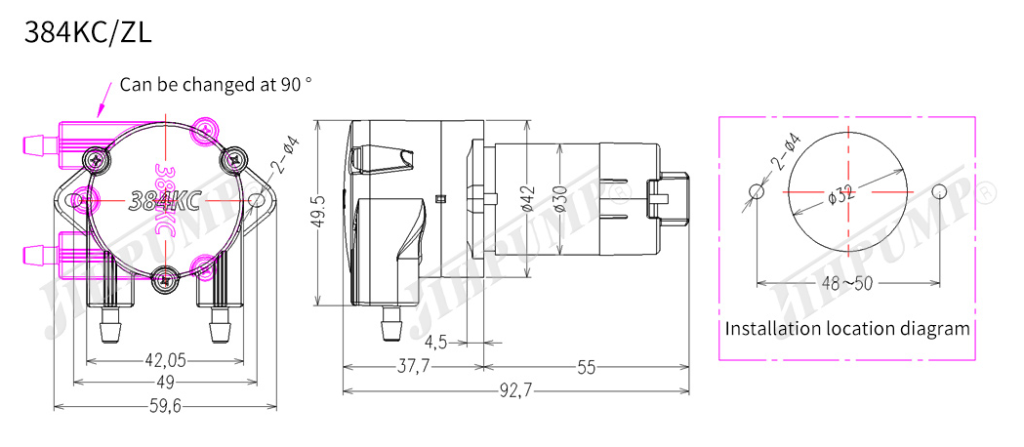
The 384KC Quick Mounting Panel OEM peristaltic pump offers a compact, elegant, and low-noise design, perfect for quiet environments. Its pump cover rotates 90° or 180° for flexible four-directional installation. Featuring a four-roller low-pulsation design for smooth flow and a high-speed motor optimized for intermittent operation, this pump also offers quick tube replacement and a base with strip-shaped mounting holes for easy integration into user equipment.
Overall Dimension
Choosing the right peristaltic pump requires careful consideration of your aquarium’s specific needs and the features of available models. By understanding the benefits, precautions, and selection criteria outlined in this article, you can make an informed decision and provide a healthier and more vibrant environment for your aquatic creatures.
If you have any further questions about choosing the right peristaltic pump for your fish tank, please feel free to consult our professional customer service team to ensure you select the ideal pump for your unique needs.