
Why Does My Peristaltic Pump Have Air Bubbles?
If your peristaltic pump experiences fluctuations in flow rate, inaccurate measurement, or fails to draw in liquid, the first thing to check is whether there are air bubbles in the pipeline. Whether it’s for laboratory sampling, chemical batching, food production, or water treatment, as long as there is a little air accumulated in the pipeline, it will directly disrupt the equipment’s transmission accuracy. Such faults are very detrimental to high-precision transmission and will greatly affect the experimental results. Moreover, the cause of air bubbles needs to be considered comprehensively in various situations.
Below is the explanation we will share regarding several common causes of peristaltic pump air bubbles and the specific solutions to this problem.
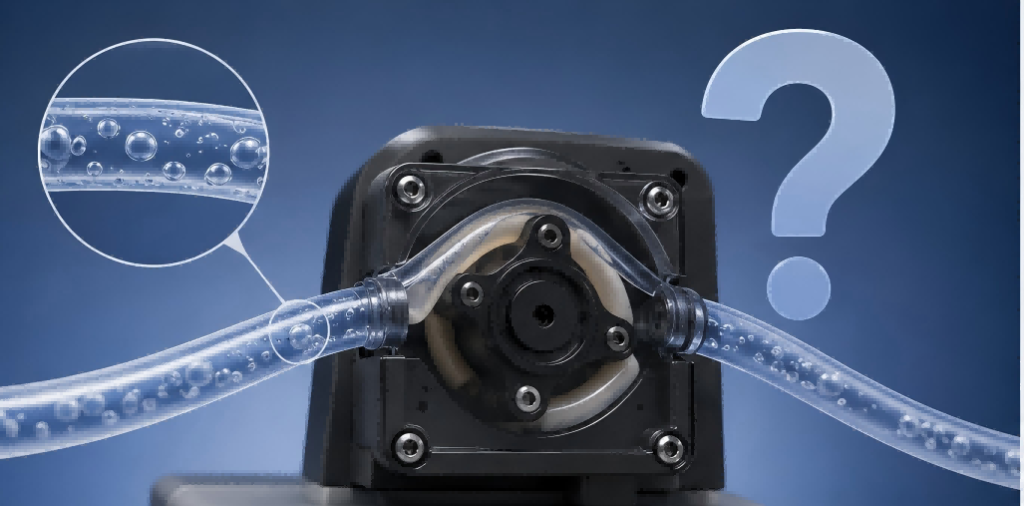
Why Air Bubbles Appear in a Peristaltic Pump System
The peristaltic pump compresses the hose by rotating the rollers to transport the liquid. Since the liquid only comes into contact with the hose, the pump itself usually does not introduce air into the liquid. Instead, bubbles usually enter from other parts of the system.
Loose Tubing Connections
Even a tiny leak on the joint or connector can cause air to enter the suction pipeline. Since the suction side of the system is under negative pressure, even if there is no obvious liquid leakage, air may still be sucked in.
Before looking for more complex causes of the fault, please check all the pipe connections, hose clamps and joints to ensure they are completely sealed.
The Suction Tube is not Fully Submerged
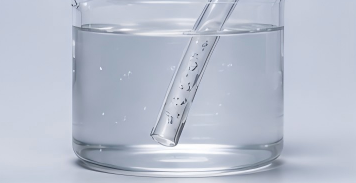
If the liquid level is lower than the end of the suction pipe, the pump will simultaneously draw in both liquid and air. This situation often occurs in almost empty chemical storage tanks, sampling containers or water tanks.
Maintaining an adequate liquid level and ensuring that the suction tube is always submerged in the liquid can prevent intermittent air intake.
Worn or Damaged Pump Tubing
The peristaltic pump tubing is a consumable item. Over time, repeated compression will reduce its elasticity or cause minor cracks. Damaged tubing may fail to seal properly during the pumping process, resulting in reduced suction and occasional air entry.
Regularly inspecting the pipelines and replacing them according to the maintenance recommendations provided by the manufacturer can help maintain the stable performance of the pump.
Pump Speed is Too High
Running the pump at unnecessarily high speeds may increase turbulence in the liquid, particularly in applications involving low-viscosity fluids. In some systems, excessive suction speed can also make it easier for air to enter through minor leaks.
If bubbles appear after increasing the pump speed, try reducing the RPM and observe whether the flow becomes more stable.

Foaming Liquids
Some liquids, after being stirred and mixed, tend to incorporate air naturally. For instance, cleaning agents, detergents, biological culture solutions, and some food raw materials all produce foams with fine bubbles after being stirred.
These bubbles are inherent in the liquid itself, not caused by air entering through the pump pipeline. It is advisable to appropriately reduce the stirring time before pumping or let them stand for a while to allow the bubbles to escape, which can effectively improve the pumping stability.
How to Remove Air Bubbles and Prime the Pump Properly
When air enters the fluid path, the pump may lose prime or deliver inconsistent flow. Proper peristaltic pump troubleshooting starts with removing trapped air and restoring a continuous liquid column inside the tubing.
Step 1: Inspect the entire suction line
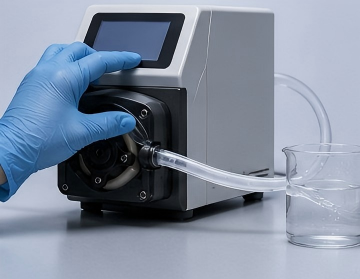
Begin with a visual inspection from the liquid source to the pump inlet.
Look for:
- Loose fittings
- Damaged tubing
- Cracked connectors
- Kinked hoses
- Improperly installed tubing
Correcting these simple issues often resolves the problem without replacing any components.
Step 2: Ensure the suction tube is fully immersed
Verify that the inlet tube remains below the liquid surface throughout operation.
If the application involves changing liquid levels, consider repositioning the suction tube or using a level control system to prevent air from being drawn into the line.
Step 3: Prime the pump correctly
If air has already entered the tubing, the pump should be primed before normal operation resumes.
For users wondering how to prime a peristaltic pump, the general process is straightforward:
- Fill the suction tubing with liquid whenever practical.
- Ensure the inlet remains submerged.
- Run the pump continuously until a steady, bubble-free stream exits the discharge tubing.
- If your pump includes a dedicated Prime function, use it according to the manufacturer’s operating instructions.
Once the tubing is completely filled with liquid, the pump should return to a stable flow rate.
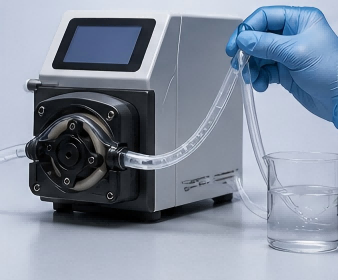
Step 4: Replace worn tubing if necessary
If bubbles continue to appear after checking the installation, inspect the pump tubing carefully.
Tubing that has become flattened, hardened, or cracked should be replaced. Since tubing directly affects sealing performance, replacing worn tubing is often one of the simplest and most effective maintenance actions.
Step 5: Test the system under normal operating conditions
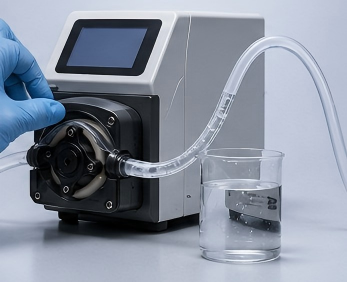
After removing the air, monitor the system for several operating cycles.
A stable discharge stream without intermittent bubbles generally indicates that the issue has been resolved. If bubbles reappear consistently, additional troubleshooting may be necessary.
When Air Bubbles Mean Something Else
Although most bubble problems are caused by improper installation, if bubbles persist for a long time, it often indicates that there are other hidden problems in the entire fluid system.
- Inconsistent pipe specifications: The size of the used hose and the recommended size of the pump head are not consistent, which will weaken the extrusion effect and reduce the liquid absorption capacity.
- Wear of pump head components: Over time, components such as rollers will wear out, resulting in uneven force on the hose during compression and a decrease in the stability of the liquid transportation.
- Insufficient adaptability to working conditions: High-viscosity liquids require higher suction forces; for media that are prone to foaming, even if the equipment is in good condition, gas will continue to be produced, and adjustments to the process or replacement of compatible hoses can be made to improve the situation.
If after checking each item of installation, the liquid still frequently fails to be sucked, thoroughly review the entire liquid path: liquid suction height, total length of the pipeline, joint sealing performance, operating parameters, and search for hidden air intake points.
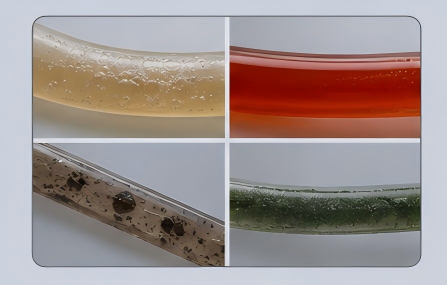
Do not directly conclude that the pump body is damaged. Follow the process to check each item one by one to solve the problem more efficiently and economically.
In summary, bubbles are a common fault of the peristaltic pump. Generally, it is not due to damage to the pump body. Most of the time, it is caused by leakage at the pipe connections, incorrect placement of the suction pipe, aging of the pipeline, or improper working conditions resulting in air intake. Everyone should address the problem of bubbles based on the specific situation and the pipeline, as well as the particularity of the liquid.
If you have any further questions about the peristaltic pumps, please feel free to contact our professional technical engineers for professional assistance.