
Why Swimming Pools Need Peristaltic Dosing Pumps for Perfect Water Balance
Balance of water quality in swimming pools is crucial to avoid algae development, interrupt the growth of unhealthy bacteria, and make individuals relax in the water. Traditional pool operators relied on the manual addition of chemicals such as chlorine, acid or pH regulators. Although the method appears straightforward, there are evident shortcomings: irregular effects, wastage of chemical substances and exposure to harmful substances unnecessarily.
Dosing pumps, with its unique working principle and physical arrangement, has surfaced as a valuable technology to address such bottlenecks. Thereafter, in the following article, we are going to discover how peristaltic dosing pumps keep this ginormous swimming pool clean.

What Is a Dosing Pump in Swimming Pools?
A dosing pump is a planned equipment item which delivers exact amounts of chemicals into a fluid system. In the case of swimming pools, dosing pumps are used to feed disinfectants like chlorine automatically and pH regulators like acids or alkaline solutions into the pool water.
Instead of relying on human discretion and manual addition of chemicals, a dosing pump for swimming pools has consistent levels of chemicals that comply with health and safety standards. This precision prevents the common errors of over-chlorination (eye and skin irritation) and under-chlorination (bacterial contamination threat).
There exist various types of dosing pumps, including diaphragm pumps, solenoid pumps, and peristaltic pumps. They all have their use, but for swimming pools where reliability, simplicity, and chemical resistance are essential, the peristaltic dosing pumps are now the first choice.
How Do Dosing Pumps Work?
The operation of a dosing pump is straightforward: it injects a measured amount of liquid chemical into a system at specified intervals or flow rates. However, the working mechanism is different depending on the pump type.
For instance, diaphragm dosing pumps use an elastic membrane to push chemicals through a valve system. While functional, the pumps have small internal parts that can clog or wear out over time, especially when pumping corrosive pool chemicals.
By comparison, a peristaltic dosing pump works on a simple yet highly efficient principle. A rotor with a series of rollers or shoes squeezes a flexible tube in a rotating motion. The liquid inside the tube is compressed by the rollers moving forward, creating a controlled flow. As the rollers release, the tube regains its shape, drawing in more liquid. A continuous pumping cycle is thereby created.
For swimming pools, this means hassle-free, precise, and continuous chemical dosing without the inconveniences of complex maintenance.

Why Peristaltic Dosing Pumps Are Ideal for Swimming Pools?
The peristaltic pump conveys fluid by periodically squeezing the hose through rollers. The sodium hypochlorite solution only comes into contact with the inner wall of the hose throughout the process and is completely isolated from the metal parts of the pump head. This design fundamentally avoids the pump body wear caused by chemical corrosion and eliminates the risk of leakage at the same time. In contrast, the metal parts of diaphragm pumps, such as valve balls and seals, are prone to corrosion when in long-term contact with sodium hypochlorite, which can lead to seal failure and measurement deviation.
Completely Solve the Problems of Air Lock and Crystallization Blockage
Sodium hypochlorite is prone to decompose and produce chlorine gas at high temperatures or under light. Traditional pumps (such as diaphragm pumps) are likely to form gas locks due to gas retention, resulting in flow interruption. Peristaltic pumps have self-priming and dry running capabilities. Gas can be naturally discharged along with the fluid without the need for auxiliary exhaust devices. Its full-flow channel design also prevents the accumulation of crystalline substances, making it particularly suitable for the transportation of high-concentration sodium hypochlorite.
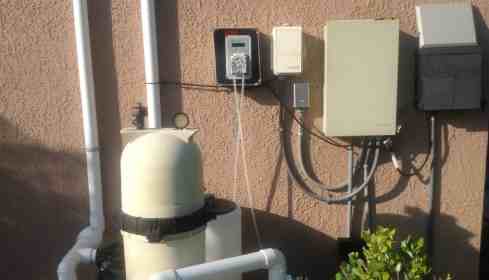
The Full Life Cycle Cost Has Been Significantly Optimized
1) Low maintenance cost: The only consumable is the hose. It only takes a few minutes to replace the hose pump head without the need for professional tools. Diaphragm pumps, however, require regular replacement of valve groups and seals, and a single maintenance cycle takes 4 to 6 hours.
2) Simplification of auxiliary equipment: No additional devices such as back pressure valves and safety valves (necessary for diaphragm pumps) are required, saving installation and procurement costs.
3) Long-term operation: The lifespan of industrial-grade hoses can reach several thousand hours. For instance, a certain sewage treatment plant only requires maintenance once every six months.
Key Benefits Compared to Other Pool Dosing Methods

To realize why peristaltic dosing pumps are the top of the line, let’s put them into perspective with the others:
- Hand Dosing: Guesswork pouring of chemicals is imprecise and dangerous. Overdosing causes chemical burns and unpalatable swimming conditions, while underdosing creates unsafe water. Peristaltic pumps eliminate guesswork.
- Diaphragm Pumps: Diaphragm pumps are common in chemical dosing, but their check valves can be clogged when dosing viscous or crystallizing chemicals. They also require more maintenance than peristaltic pumps.
- Gravity Feed Systems: Some pools employ a simple drip system, but they are inaccurate and prone to uneven chemicals. Peristaltic pumps provide accurate, controlled, and programmable dosing.
In general, peristaltic pumps achieve the ideal combination of precision, safety, and low maintenance that makes them an appropriate choice for swimming pool water treatment.
Choosing the Right Swimming Pool Dosing Pump
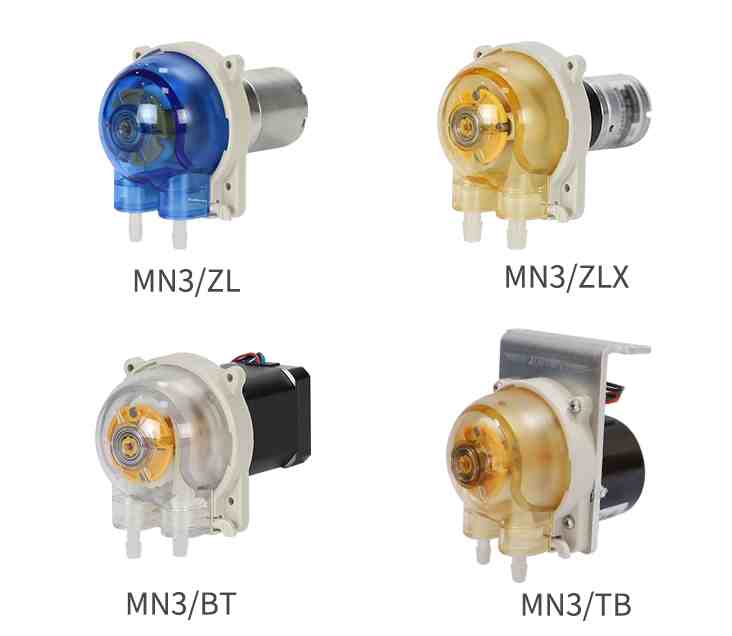
Selecting the right swimming pool dosing pump depends on the size of the pool, the type of chemicals being used, and the level of automation desired. Here are key considerations:
Flow Rate and Capacity
Determine how much chemical your pool requires on a daily or hourly basis. Peristaltic pumps come in different capacities to suit residential and commercial pools alike.
Chemical Compatibility
Make sure the tubing material is compatible with the pool chemicals you intend to use. For example, tubing designed for chlorine may differ from tubing used with acids.
Control and Automation
Modern dosing pumps often integrate with pool controllers or monitoring systems, allowing for real-time adjustments based on pH or chlorine sensors. This level of automation ensures optimal water balance with minimal human intervention.
Ease of Maintenance
Look for designs that allow quick tubing changes without complicated tools. This ensures minimal downtime when servicing is required.
Reliability and Durability
For commercial pools in particular, choosing a robust peristaltic dosing pump is critical to avoid disruptions during peak usage.
By evaluating these factors, pool operators can invest in a dosing system that not only meets their immediate needs but also provides long-term value.
Final Thoughts
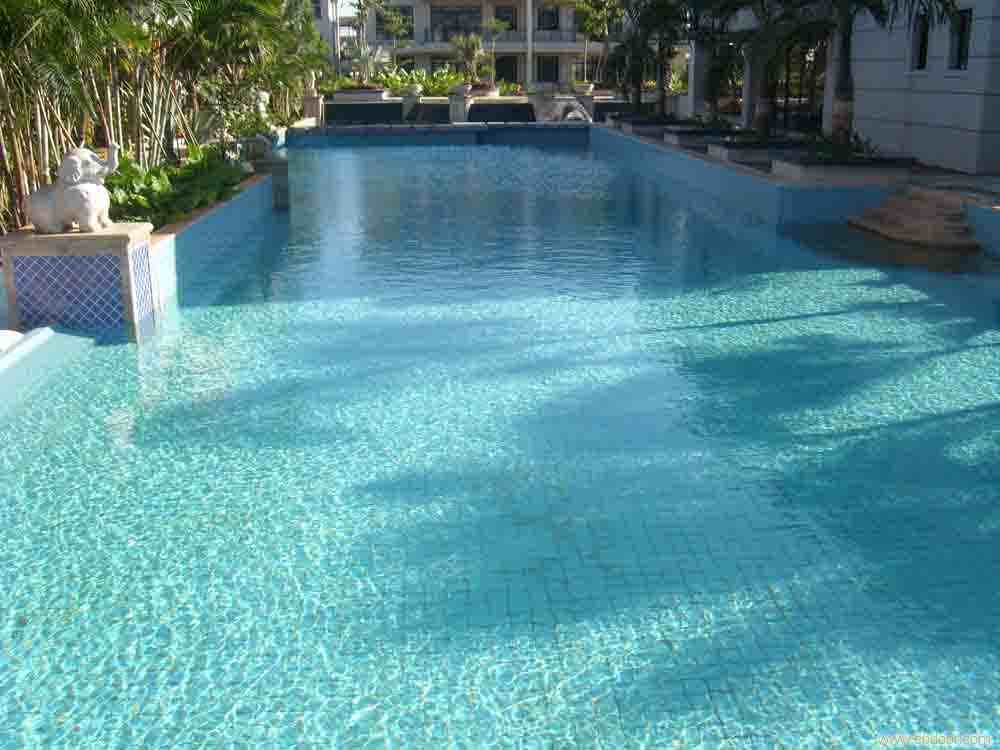
Maintaining perfect water balance in a swimming pool is both a science and an art. While manual methods or older dosing technologies may have served in the past, modern expectations for safety, convenience, and efficiency call for more advanced solutions.
Peristaltic dosing pumps provide the accuracy, chemical resistance, and ease of use that pool operators need to keep water crystal clear and safe for swimmers. Whether for a backyard pool or a large aquatic facility, these pumps represent a reliable and cost-effective way to ensure consistent water quality.
By choosing the right dosing pump, pool owners can simplify maintenance, reduce chemical waste, and guarantee a safer, more enjoyable swimming experience for everyone.