
Peristaltic Pump Parts: What Makes a Peristaltic Pump Work?
A peristaltic pump is a type of pump that transports fluids using a flexible tube and the compression action of rollers. It is widely used in laboratories, pharmaceuticals, food processing, chemical industries, and water treatment. Whether for research or industrial production, peristaltic pumps are favored for their contamination-free operation, easy maintenance, and precise flow control.
However, to ensure the long-term stable operation of a peristaltic pump, it is crucial to properly understand and use peristaltic pump parts. In this post, we will guide you through the key components of peristaltic pumps, how to select the right accessories, and essential daily maintenance tips.
Part 1. What are Peristaltic Pump Parts?
Peristaltic pump parts are the fundamental components that ensure the pump operates properly, including the tubing, pump head, rollers, motor drive, and control system. The selection and quality of these parts directly affect the pump’s delivery accuracy, service life, and maintenance costs.
Understanding and correctly replacing these components can not only prevent unexpected downtime, but also significantly enhance the overall performance of the equipment.

Part 2. Key Parts of a Peristaltic Pump
Peristaltic pump’s reliable operation depends on several critical components, each playing a vital role in ensuring accurate flow, long service life, and smooth maintenance. Let’s explore their key parts in the following section:
1. Pump Tubing
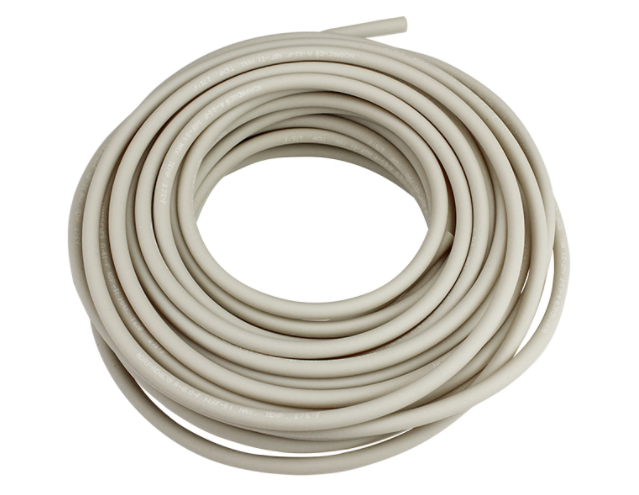
Peristaltic pump tubing serves as the primary channel for fluid transport in a peristaltic pump. The rollers or shoes repeatedly compress the tubing, generating a peristaltic motion that moves the fluid forward. Since the tubing is in direct contact with the pumped liquid, its properties are critical for flow accuracy, chemical compatibility, and overall pump performance.
Key Features:
- Wear Resistance: Tubing must withstand continuous compression and rolling over long periods.
- Chemical Resistance: It should resist acids, bases, solvents, and other reactive fluids to prevent degradation.
- Elasticity: Flexible tubing ensures proper compression and rebound, maintaining consistent flow and preventing backflow.
- Temperature Tolerance: Certain materials can operate under high or low temperatures without losing structural integrity.
- Common Materials: Silicone, TPU (Thermoplastic Polyurethane), PharMed® BPT, Viton®. Material selection depends on fluid type, temperature, and application requirements.
Maintenance Tips: Regular inspection and timely replacement are essential to prevent leaks and ensure consistent flow.
2. Pump Head
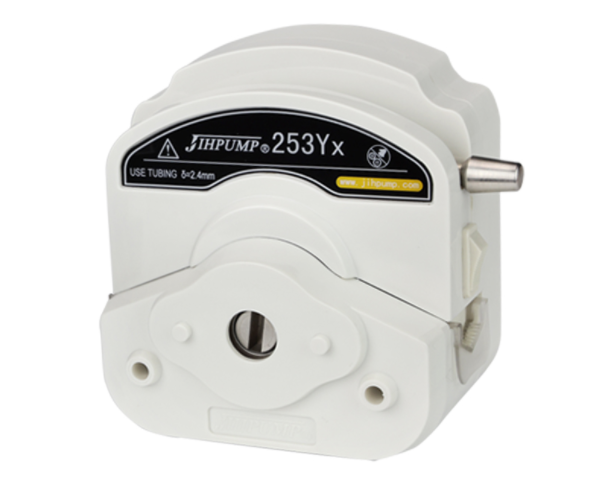
The peristaltic pump head holds the tubing in place and supports the rollers or shoes, ensuring uniform compression for smooth fluid flow.
Key Features:
- Durable and structurally stable, capable of withstanding continuous operation.
- Some designs allow quick tubing replacement, reducing downtime.
- Precision-engineered surfaces minimize tubing wear and maintain flow accuracy.
Maintenance Tips: Check for cracks or wear in the pump head and ensure all fasteners are tight to prevent misalignment.
3. Rollers or Shoes
Rollers or shoes move along the tubing, compressing it and pushing the fluid forward. They are central to the peristaltic action that drives the pump.
Key Features:
- Made of durable materials such as stainless steel or reinforced plastics.
- Subject to wear over time; excessive wear can reduce flow accuracy and damage tubing.
- Precision-balanced rollers reduce vibration and noise during operation.
Maintenance Tips: Inspect rollers regularly for wear, deformation, or surface damage, and replace as needed to maintain efficiency.
4. Housing & Controller
The housing protects internal components, while the controller provides the user interface for pump operation.
Key Features:
- Sturdy enclosures safeguard against dust, moisture, and mechanical damage.
- Digital controllers enable programmable speed, automated dosing, and precise flow management.
- Some models support remote monitoring and integration with industrial control systems.
- Maintenance Tips: Keep the housing clean and ensure all ventilation paths are clear. Check controller software/firmware updates if applicable.
5. Motor & Drive System
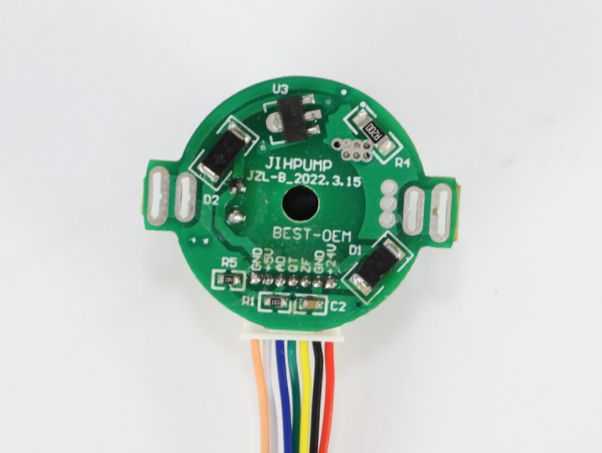
The motor and drive system control the rotation of rollers or shoes, determining the pump’s flow rate and precision.
Key Features:
- Stepper motors and servo motors are commonly used in high-precision or high-torque applications.
- Smooth speed control allows for accurate dosing and flow regulation.
- High-efficiency drives reduce energy consumption and heat generation.
Maintenance Tips: Periodically check motor mounts, belts (if any), and electrical connections. Ensure the system operates within recommended voltage and load limits.
6. Accessories & Spare Parts
Tubing connectors, adapters, clamps, lubricants, and mounting brackets enhance pump stability and adaptability.
Spare parts help maintain continuous operation without unplanned downtime.
Key Features:
- Ensure compatibility with pump tubing and head.
- Designed to withstand environmental conditions and chemical exposure.
Maintenance Tips: Keep a set of critical spare parts on hand and replace worn accessories promptly to ensure smooth and reliable pump performance.
Part 3. How to Choose the Right Peristaltic Pump Parts?
Selecting the appropriate components for a peristaltic pump is essential to ensure reliable performance, accurate flow, and long-term durability. The right choice depends on several key factors:
1. Consider the Properties of the Fluid
Corrosive or Aggressive Chemicals: Use tubing and components made from chemically resistant materials such as Viton® or other high-performance elastomers to prevent degradation and leaks.
Food or Pharmaceutical Fluids: Choose food-grade or medical-grade tubing such as silicone or PharMed® BPT to ensure compliance with hygiene standards and prevent contamination.
Viscous or Particulate Fluids: Select tubing and pump heads capable of handling higher viscosity or solids without clogging or excessive wear.
2. Match Components to the Application Environment
Laboratory Applications: Prioritize small-diameter tubing, precision rollers, and motors that allow for low flow rates and highly accurate dosing.
Industrial Applications: Focus on durability, robust pump heads, and motors capable of continuous operation over long periods with minimal maintenance.
3. Determine Flow Rate and Pump Speed Requirements
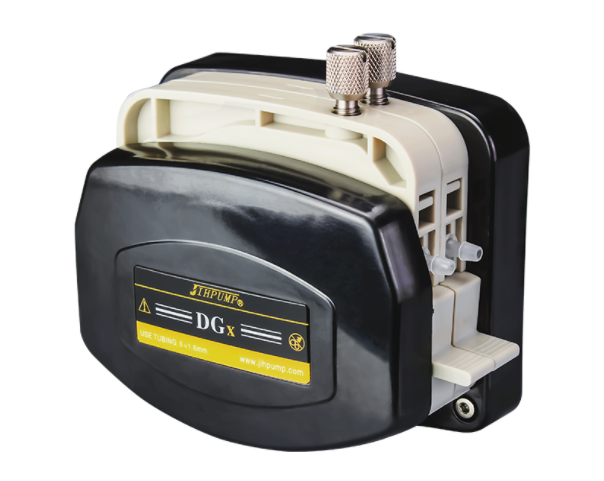
The choice of motor type and drive system directly impacts the achievable flow range and control accuracy. Stepper or servo motors may be necessary for precise dosing, while larger industrial pumps may require high-torque motors for continuous operation.
Ensure that tubing diameter and pump head design are compatible with the desired flow rates to prevent over or under-delivery.
4. Check Compatibility and Quality
Use original equipment manufacturer (OEM) parts or high-quality components from reputable suppliers to guarantee performance, longevity, and safe operation.
Confirm that tubing, rollers, and pump heads are fully compatible with each other to avoid premature wear or failure.
Choosing the right peristaltic pump parts requires careful consideration of fluid properties, application environment, flow requirements, and component compatibility. Investing in high-quality, compatible parts not only improves performance but also reduces maintenance costs and downtime.
Part 4. Maintenance and Replacement Recommendations for Peristaltic Pump Parts
Proper maintenance and timely replacement of peristaltic pump components are essential to ensure stable operation, prolong service life, and prevent unexpected downtime. Here are detailed guidelines for each major part:
1. Pump Tubing
Regular Inspection: Frequently check for signs of wear, cracking, or deformation, as damaged tubing can lead to leaks or inconsistent flow.
Replacement Timing: Replace tubing immediately if cracks, brittleness, or leaks are detected. The replacement frequency also depends on fluid type, operating temperature, and usage intensity.
Cleaning: For food, pharmaceutical, or laboratory applications, regularly clean or sterilize tubing to prevent contamination or residue buildup.
2. Pump Head
Cleanliness: Keep the pump head free of dust, debris, and chemical residues that may cause corrosion or reduce efficiency.
Structural Check: Periodically inspect for cracks, loose screws, or misalignment, which can affect roller compression and flow accuracy.
Quick-Change Design: If equipped with a quick-change pump head, follow manufacturer instructions to safely remove and replace tubing.
3. Rollers or Shoes
Inspection: Listen for unusual noises or check for uneven fluid flow, which may indicate worn or damaged rollers.
Replacement: Replace rollers or shoes if they show signs of wear, surface damage, or imbalance. Regular maintenance ensures smooth operation and prevents excessive tubing wear.
Lubrication: Use manufacturer-recommended lubricants if required; avoid excessive or inappropriate lubrication that could contaminate the fluid.
4. Motor & Drive System
Operation Limits: Avoid overloading or running the motor at extreme speeds beyond manufacturer specifications.
Lubrication and Bearings: Periodically check and lubricate motor bearings if applicable, ensuring smooth and efficient operation.
Electrical Inspection: Inspect wiring and connections for wear or damage to prevent unexpected motor failure.
5. Housing & Controller
Clean and Dry: Keep the housing and controller free from dust and moisture. Liquid ingress can damage electronics or control circuits.
Function Check: Regularly test digital controllers and display interfaces to ensure proper operation and calibration.
Software/Firmware Updates: For smart controllers, update software as recommended to maintain accuracy and functionality.
Part 5. Why High-Quality Peristaltic Pump Parts Matter?
Using high-quality components in a peristaltic pump is essential for achieving reliable performance, operational efficiency, and safety. The benefits of choosing premium parts include:
1. Extend Service Life
High-quality tubing, rollers, and pump heads are more resistant to wear, chemical corrosion, and deformation.
Durable components reduce the frequency of maintenance and replacement, ensuring continuous operation and minimizing downtime.
2. Ensure Accurate Fluid Transfer
Premium parts maintain consistent compression and flow, preventing fluctuations in delivery rate.
High-quality materials and precise manufacturing reduce the risk of contamination, which is critical in pharmaceutical, food, or laboratory applications.
3. Lower Operational Costs
Fewer unexpected breakdowns and reduced maintenance requirements translate into lower repair costs and higher production efficiency.
Stable, long-lasting components allow for predictable scheduling and less disruption to workflow.
4. Guarantee Safety
In sensitive industries such as food processing, pharmaceuticals, and biotechnology, the quality of pump components directly impacts product safety and compliance.
Using reliable, certified parts ensures that fluids remain uncontaminated and that the pump operates within safe parameters.
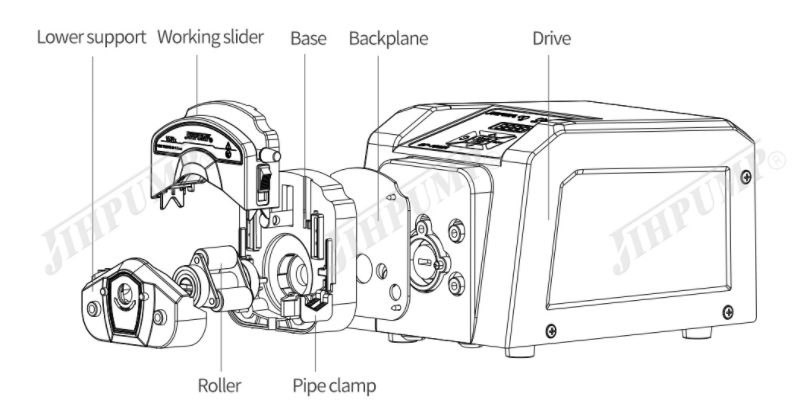
Part 6. JIHPump Peristaltic Pump – Your Reliable Choice
JIHPump is a professional peristaltic pump manufacturer specializing in the research, development, and production of high-performance pumps, each equipped with premium peristaltic pump parts. Their products are widely used in laboratories, pharmaceuticals, food processing, chemical industries, and a variety of other applications.
Key Advantages:
- Versatile Applications: Offers both laboratory-grade and industrial-grade pumps to meet a wide range of application requirements.
- High-Precision Control: Ensures stable pump speed and accurately adjustable flow rates, suitable for demanding fluid transfer tasks.
- Durable and Reliable: Made from high-quality materials with precise manufacturing processes, ensuring long-term, stable operation.
- Customized Solutions: Provides tailored pump designs to accommodate special fluid properties or unique process requirements.
- Professional Support: Offers technical consultation and solutions to help users achieve efficient and safe fluid handling.
By using JIHPump peristaltic pumps, users can achieve efficient, precise, and reliable fluid transfer. Whether for scientific research or industrial production, these pumps enhance operational efficiency while reducing maintenance costs.
Summary
The stable operation of a peristaltic pump relies on high-quality pump design and proper usage. Every aspect, from tubing, pump head, and rollers to the drive and control system, is critical. Selecting the right pump and performing regular maintenance not only improves efficiency but also extends service life and lowers total ownership costs.
JIHPump offers a full range of high-performance peristaltic pumps to meet the diverse needs of laboratory and industrial applications, making it an ideal choice for reliable fluid transfer.