
Safe and Efficient Blood Handling: Why Peristaltic Pumps Are the Preferred Choice
Whether for therapeutic, diagnostic or research purposes, the handling of blood requires extra caution. Incorrect selection of pumping technology may lead to hemolysis (destruction of red blood cells), protein denaturation, platelet activation or catastrophic cross-contamination. These incidents may endanger patient safety, distort research data or destroy valuable biological samples. Therefore, choosing a pump that can ensure gentle, sterile and precise liquid delivery is not only an engineering decision, but also a crucial medical necessity.
In this article, we will explore why choosing the right pump is crucial for blood processing applications, the prominent advantages of peristaltic pumps, their main medical applications, and the points to note when selecting a reliable medical-grade peristaltic blood pump.
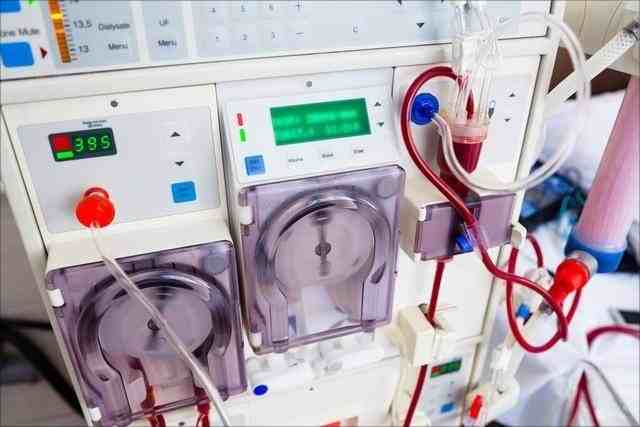
Why Pump Selection Is Critical for Blood Handling?
Blood is no ordinary fluid—it’s a highly sensitive and complex fluid. Improper handling can cause irreversible damage to blood cells, clotting, or even contamination that compromises patient safety.
- Blood cells are fragile: Excess mechanical stress can cause hemolysis of red blood cells, reduce oxygen-carrying capacity, and lead to life-threatening clinical complications.
- Sterility is paramount: Any contamination during blood transfer can cause infection or other medical risks.
- Consistency matters: Blood flow needs to be continuous and precise, with no variation to compromise life-supporting therapies like dialysis or cardiopulmonary bypass.
Therefore, the ideal blood pump needs to behave less like a harsh industrial tool and more like the human heart—gentle, consistent, and completely isolated propulsion.
Why Peristaltic Pumps Are Ideal for Blood Applications?
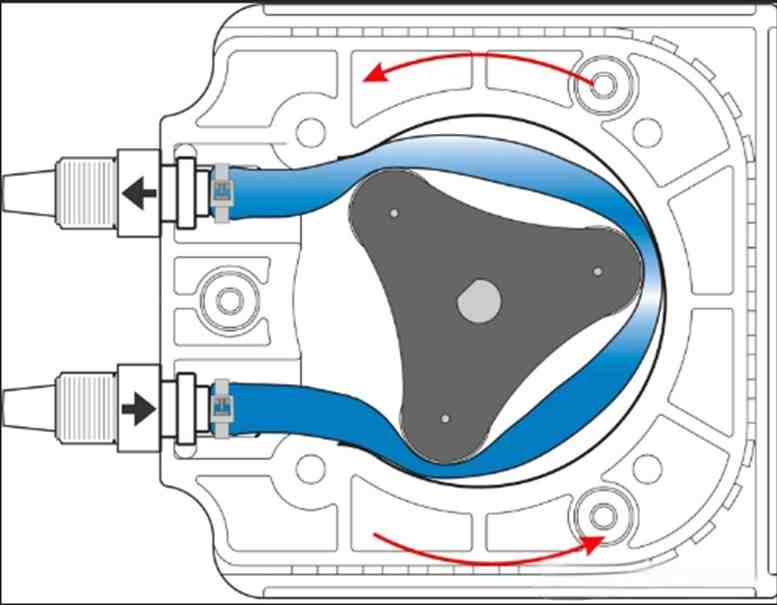
While various pump technologies exist, the unique mechanism of the peristaltic pump for blood applications makes it uniquely suited to overcome the challenges of handling this fragile fluid.
Common Pumps Used in Blood-Handling Applications
There have been several categories of pumps used in the medical field for blood handling, such as:
- Centrifugal pumps: Effective for bulk circulation but can subject the blood to shear stress.
- Roller pumps: Apply in extracorporeal circulation but can cause hemolysis when not controlled well.
- Peristaltic pumps: Technologized to minimize blood trauma with contamination-free transfer.
Advantages of Peristaltic Pumps in Blood Transfer
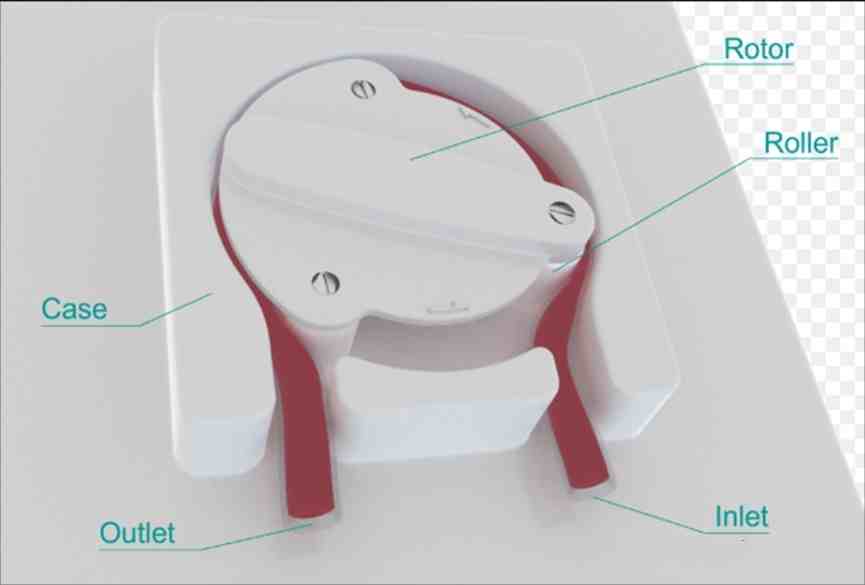
The peristaltic pump is based on a mechanism both simple and deeply powerful and that makes it uniquely suited to blood contact. Rollers or shoes on rotors compress and release in turn an area of flexible tubing, creating an advancing occlusion that forces the liquid onward. This design has four unique advantages:
Better Biocompatibility and No Contamination: The fluid path is completely within a single-use, sterile tube. The blood never touches anything besides pre-sterilized tubing, where there is no risk of cross-contamination between patients or batches. There is no need for complex cleaning and validation procedures between uses—just change the tube.
Unparalleled Gentleness and Minimal Shear: The peristaltic action is by definition gentle, generating minimal shear forces. This is required to preserve the integrity of erythrocytes (red blood cells), platelets, and other fragile blood components, precluding destruction resulting in spurious biological reactions.
Inherent Seal and Leak Prevention: The positive pumping action creates a sealed system. There are no diaphragms or valves that could fail and cause leaks. This containment is important in protecting both the operator from exposure and the sample from the outside environment.
Accurate and Adjustable Flow: Recent peristaltic pumps offer extremely high accuracy and reliability of flow rates. The accuracy is required for therapeutic processes like hemodialysis, where the blood to dialysate flow ratio must be tightly controlled for effective therapy.
Applications of Peristaltic Pumps in Blood Handling
The unique benefits of peristaltic pumps have made them the technology of choice in numerous life-critical medical applications:
- Hemodialysis and Blood Purification: A classic application. Peristaltic pumps are the reliable blood pump at the heart of dialysis machines, quietly drawing blood from the patient, circulating it through the dialyzer, and pumping it back into the body. Their gentle action and closed system are vital for patients being treated for hours, multiple times weekly.
- Cardiopulmonary Bypass (Heart-Lung Machine): The heart-lung machine takes over the function of the heart and lungs during open-heart surgery. Peristaltic pumps are trusted to circulate oxygenated blood through the patient’s body without damaging the blood cells in the process of this life-saving procedure.
- Extracorporeal Membrane Oxygenation (ECMO): As with bypass but for longer term support, ECMO provides long-term cardiac and respiratory support. Reliability and gentleness of peristaltic pumps are critical to circulate blood through the oxygenator for days or weeks.
- Blood Component Separation and Transfusion: Blood bank and laboratory peristaltic pumps are used for the transfer of whole blood, separation of blood components (plasma, platelets, red cells), and transfusion of blood components to patients with accurate and controlled flow rates.
How to Choose a Reliable Medical-Grade Peristaltic Blood Pump
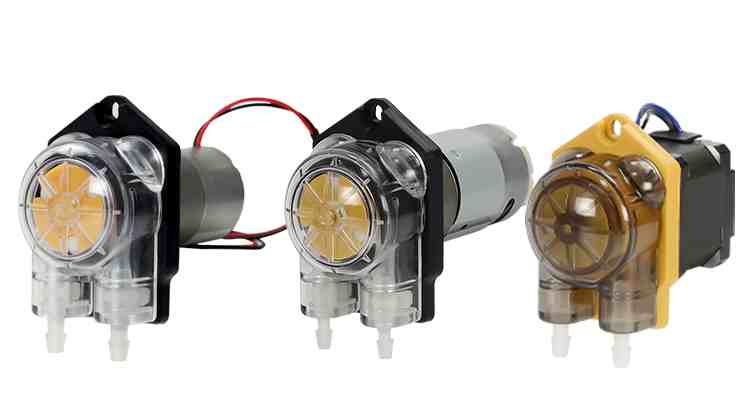
Choosing the right blood pump is not just about its working principle. For medical applications, specific characteristics are indispensable:
- Medical certification and biocompatibility: Ensure that blood pumps, especially blood pump catheters, comply with relevant international standards (such as ISO 13485, FDA regulations). Materials in contact with liquids need to pass ISO 10993 biocompatibility certification.
- Flow range and accuracy: Select the appropriate flow range of the blood pump (from milliliters/minute to liters/minute) based on application requirements. Verify its accuracy specifications to determine whether it can meet the accuracy you require.
- Blood pump catheter material: Select the blood pump catheter material based on its flexibility, chemical compatibility and low protein binding rate (such as medical-grade silicone, Pharmed® BPT).
- Operational reliability and stability: The blood pump must be capable of providing a smooth, low-pulse flow rate and stable performance for a long time. Look for a stable housing, a powerful motor and an accurate rotor mechanism.
- Safety features: Advanced features are of vital importance. Look for pressure sensors to detect pipeline blockages, flow meters to confirm whether the function is normal, and the alarm system to immediately alert the operator when a fault occurs.
Looking for a Reliable Blood Transfer Solution for Your Medical Device?

The theoretical advantages of peristaltic technology are clear, but taking a partner with a long history of knowledge and known performance to deploy a pump meeting these specifications in real-world application within a medical device is another. You need a pump designed to rigorous levels of quality, but also a team behind it who knows the exacting demands of the medical marketplace.
The JIHPUMP team has been in R&D, application & promotion of peristaltic pump clean transmission technology for nearly 20 years. Our broad domain knowledge is committed to providing high-performance, safe, and certified peristaltic pump solutions to medical device manufacturers worldwide. We appreciate the timeliness demanded by your applications and are committed to making your innovation easier with our experience.
Call us today to discuss your specific needs. Let our engineering team help you determine the perfect fluid handling solution for your next-generation medical device.