
A Complete Guide to Agricultural Pumps: Which One Is Right for You?
In modern farming, efficient application of liquid fertilizers is crucial to increase yields of crops, reduce wastage and attain sustainable production. Considering there are many products available in the market, it is essential to understand the differences between various agricultural fertilizer pumps.
This report discusses the most popular liquid fertilizer pumps applied in agriculture, thoroughly analyzes their individual strengths and weaknesses, and explains why peristaltic pumps have become the optimal choice for increasingly agricultural uses.
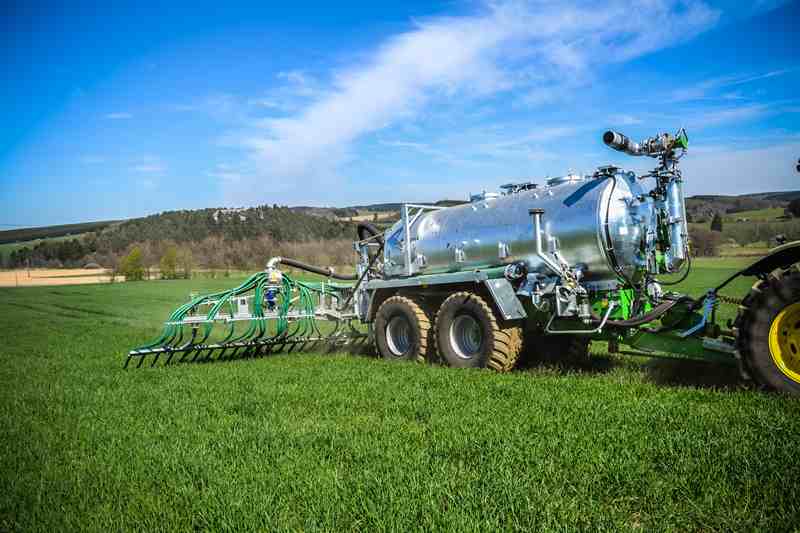
Common Types of Liquid Fertilizer Pumps in Agriculture
Choice of an appropriate liquid fertilizer pump is of vital importance because it affects the efficiency, accuracy and cost-effectiveness of the fertilization program. There are mainly four classes of pumps used in agriculture, and each type of pump works on a different mechanism and optimum use conditions.
Centrifugal Pumps
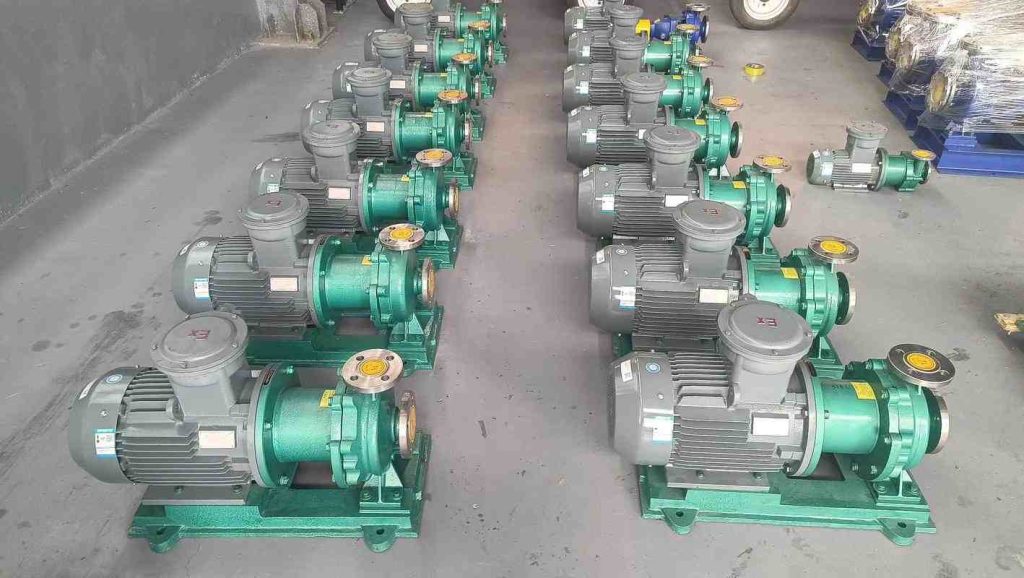
One of the most common pump types used in agriculture are centrifugal pumps because they are easy to design, have high flow rate and are low cost. The working principle is to use a rotating impeller to create a vacuum to draw in the liquid, then speed it out using centrifugal force.
Key features:
- Big flow rate: It is the most appropriate for rapid transport of vast amounts of liquid.· ·
- Simple and tough construction: Usually easy to maintain and fix. ·
- Low initial cost: It is usually the cheapest alternative. ·
However, impellers with high speed can prove to be a serious disadvantage as far as fertilization is concerned. Shearing action will disconnect the complex chemical structure of some liquid fertilizers and thus reduce their effectiveness. They lack a self-priming characteristic so far and are prone to pipeline air.
Diaphragm Pumps
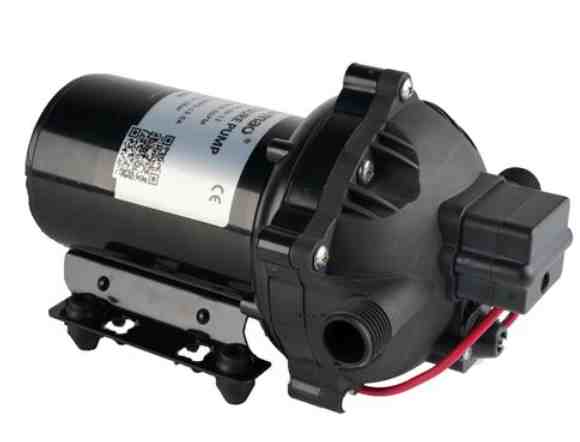
A diaphragm pump is a positive displacement pump which uses a flexible diaphragm to transport liquids. The diaphragm moves back and forth to form a vacuum to suck the liquid and push it in the return stroke.
Main characteristics:
- Self-priming: It has the ability to handle the air in the pipe and can idle for a short while without getting damaged.
- Good chemical resistance: The interior components may be made of many alternative materials in order to handle corrosive fertilizers.
- Less shear force: Compared to centrifugal pumps, it applies less stress to fertilizers.
Although diaphragm pumps are less harsh than centrifugal pumps, unless properly controlled with pulsation dampers, their pulsating nature can sometimes cause unbalanced fertilization. As the valves and the diaphragms themselves will eventually wear out, the maintenance process becomes more complicated.
Piston/Reciprocating Pumps
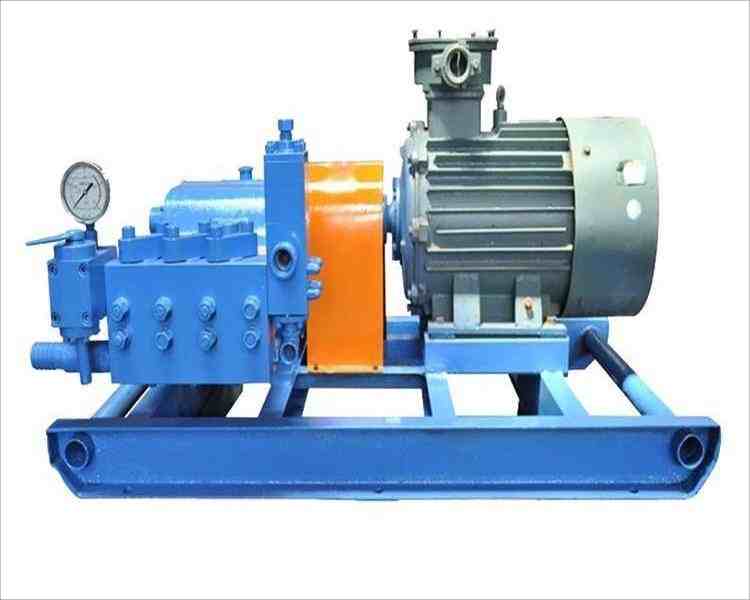
A piston pump is also a positive displacement pump. It utilizes a reciprocating piston for developing pressure and moving fluids. They are renowned for their ability to generate high pressure and provide precise and stable flow.
Key features
- High-pressure capability: It is highly well-matched for use in long-distance spraying or injection into high-pressure pipes.
- Accurate and consistent flow: It has the ability to precisely measure fertilizers.·
- Its solid structure: Typically can withstand rigorous conditions.
The main disadvantage of piston pumps is that they are intricate in nature and call for more maintenance. The sliding seals of the piston wear out, especially when they deal with abrasive or corrosive fluids, leading to leakage and loss of efficiency.
Peristaltic Pumps
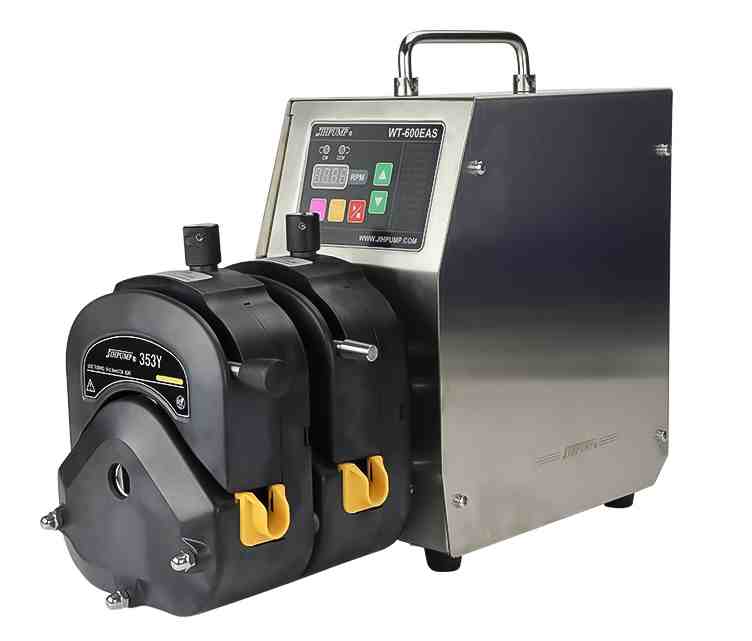
Peristaltic pumps are displacement pumps, and their unique and very valuable mechanism can be utilized to handle liquid fertilizers. The pump works through the movement of a train of rotating rollers or sliders squeezing flexible tubes, which produce soft wavy movements that push the fluid in the forward direction.
Key features
- Unparalleled lightness and flexibility: The compression does not deform the precise chemical and biological components in modern fertilizers.·
- Free of pollution: the fertilizer only comes into contact with the pipes, without the possibility of contamination of the mechanical parts of the pump.·
- Self-priming type, idling-capable: very reliable, requiring hardly any manual handling.
- Low maintenance cost: The only component that needs to be frequently replaced is the pipe.
It possesses a high level of compatibility with the transportation of viscous and abrasive liquids: it easily transports fertilizers of any concentration.
To provide a clearer understanding of the differences between these pump types, the following table offers a side-by-side comparison:
| Pump Type | Flow Precision | Fluid Compatibility | Maintenance Needs | Ideal For |
| Centrifugal | Low | Clear, non-viscous | Low | High-volume irrigation |
| Diaphragm | Medium | Corrosive or viscous | Medium | Sprayers, fertigation |
| Piston/Reciprocating | High | Thick, abrasive fluids | High | Precision micro-dosing |
| Peristaltic | Very High | Excellent | Low | Smart irrigation, fertigation |
Why Peristaltic Pumps Are Ideal for Liquid Fertilizer Application?
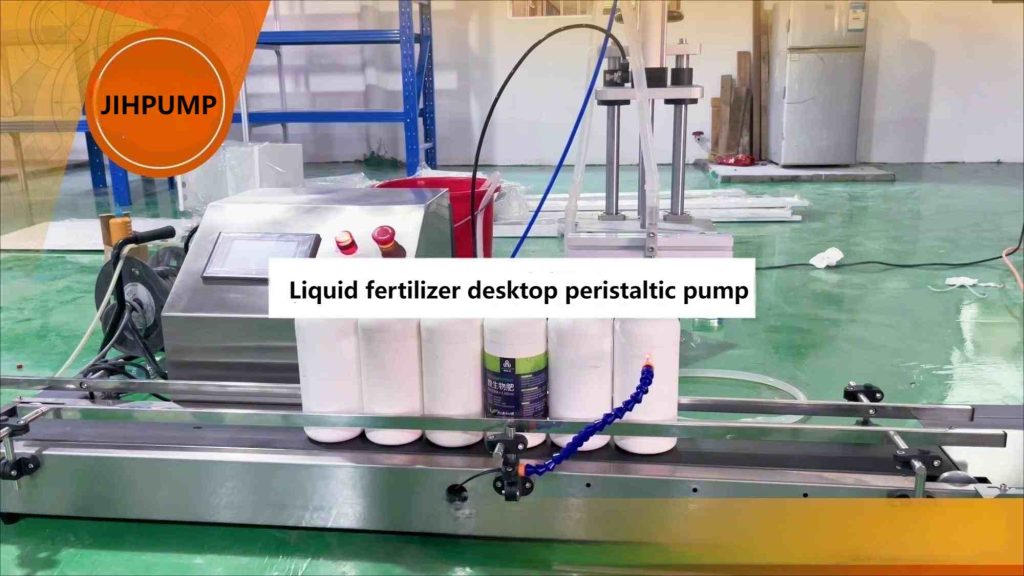
The unique design of the peristaltic pump sets it apart in addressing the challenges of current liquid fertilizer application. Current fertilizer formulations are complex, such as those with microbial additives, and the gentle pumping action of peristaltic pumps is a major advantage. Since there is no shear force and no interaction between the fertilizer and the mechanical parts of the pump, the entire nutrient of the product is transferred to the crops by the peristaltic pump.
In addition, peristaltic pumps are not harmed by fertilizers of varying viscosities, i.e., peristaltic pumps are compatible with various fertilizers, ranging from liquids with low viscosity to suspensions of high viscosity. Peristaltic pumps are easy to maintain. Only the pump tubes need to be replaced, which is minimal downtime and, as an added benefit, lowers the cost of operation in the long term.
Use Cases of Peristaltic Pumps in Agriculture
The dexterity of the peristaltic pump allows it to be applicable to numerous applications in agriculture, such as:
- Precision irrigation: Supplying accurate amounts of nutrients straight to the irrigation system.
- Seed treatment: Apply precisely the liquid inoculant and protective coating to the seeds.
- Drone and robot applications: The light and portable nature of the pump makes it a perfect fit for contemporary automated farm machinery.
- Quantitative nutrient delivery in hydroponics and greenhouses: Providing reliable and consistent nutrient delivery in controlled environment agriculture.
- Abrasive and viscous fertilizer transportation: Handle tough fluids without damaging other types of pumps.
How to Choose the Right Peristaltic Pump for Your Farm
It is not hard to choose the right fertilizer pump for your farm. Picking the right one based on four factors, you can easily make the right choice in a short time.
Choose a pump that is compatible with your fertilizer
This is most essential. The nature of the fertilizer determines the ideal pump technology.
- For corrosive or abrasive liquids: Use pumps with non-metallic wear components. Diaphragm and peristaltic pumps are ideal solutions because there are no impellers or delicate seals in their flow paths.
- For shear-sensitive biological substances: To protect expensive and fragile fertilizers (e.g., microorganism-containing fertilizers), you need a low-shear gentle pump. Peristaltic pumps are the best solution for protecting the product from damage.
- For viscous liquids: Better to utilize positive displacement pumps (e.g., diaphragm pumps, piston pumps or peristaltic pumps) rather than centrifugal pumps.
Specify the application
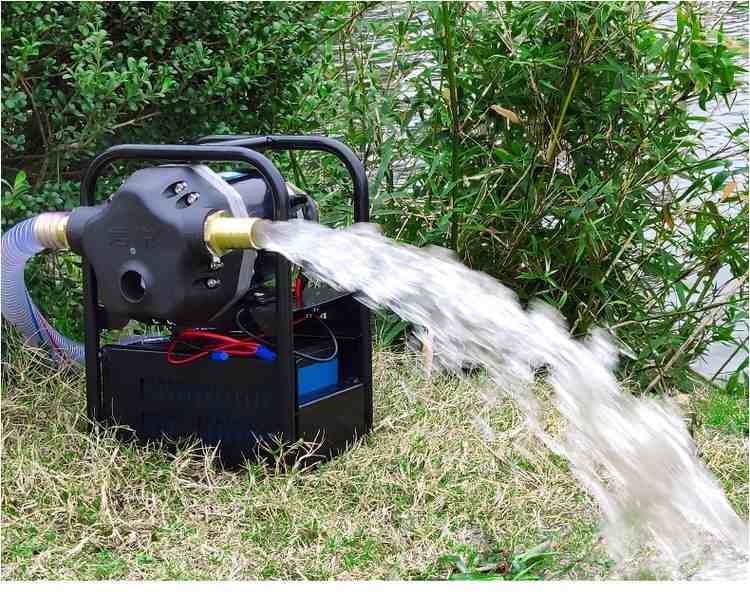
Select the pump advantage that best suits the specific work you need to perform.
- Large-capacity transportation: Centrifugal pumps are the best pumps to utilize for rapidly transporting large volumes of liquid.
- Standard spraying: Diaphragm pumps have a number of functions and can be applied for various spraying operations.
- High-pressure requirement: For applications where there is a requirement for high pressure, e.g., jetting or fine spray, piston pumps are the preferred choice.
- Precision and measurement: For highest precision in, say, furrow fertilization or measurement of quantities of nutrient solutions, peristaltic pumps will provide the most consistent and adjustable flow rate.
Consider the total cost, not just the price
Don’t consider the initial cost, but understand the true long-term worth.
- Initial cost: Centrifugal pumps tend to be the cheapest pumps to buy initially.
- Cost of ownership: If a low-cost pump ruins expensive fertilizer or is always in need of repair, its cost will add up. While the initial cost of peristaltic pumps may be comparatively higher, they are likely to protect fertilizers and minimize downtime and maintenance expenditure, hence saving money.
Check out the real needs of the farm
Make sure that the pump you select is compatible with your existing infrastructure.
- Power source: Will the pump be energized by electricity, gas, or the PTO power takeoff of a tractor?
- Portability: Are you looking for a light portable pump or a heavy-duty fixed pump?
By merely going through these four considerations in your head, you can eliminate choices quickly and select the most cost-effective and efficient pump for your farm.
A New Perspective on Pumping Solutions
The choice of the ideal liquid fertilizer pump for farming depends on your specific application, system and crop size. While diaphragm pumps, piston pumps and centrifugal pumps are each adequate in farm production, peristaltic pumps with precision, low maintenance costs and multi-function characteristics have the un-paralleled advantages.
For those who are interested in making the best use of liquid fertilizers and protecting their investment in high-quality fertilizer, peristaltic pumps present a smart, innovative solution. JIHPUMP offers a range of trustworthy and effective peristaltic pumps aimed at meeting the special needs of modern agriculture. If you have any such requirement, you are free to contact us at any moment.