
Why Peristaltic Pumps Are the Best Leak-Free Solution for Hazardous Chemicals?
In industries such as pharmaceuticals, wastewater treatment, mining, food processing and electronic manufacturing, the transportation of hazardous chemicals is involved. This is a high-risk task. If leakage occurs during the transportation process, it may lead to a series of serious consequences – equipment damage, health hazards, environmental pollution, and even violations of regulations. For this reason, enterprises around the world are turning to safer and more reliable pumping technologies to minimize these risks to the greatest extent.
Nowadays, leak-free chemical transfer pumps have become achievable. Among the numerous available technologies, peristaltic chemical pumps have become one of the safest and most effective solutions. This article will explore why peristaltic pumps are the best leak-free choice for handling hazardous chemicals and compare their performance with other chemical transfer pumps.
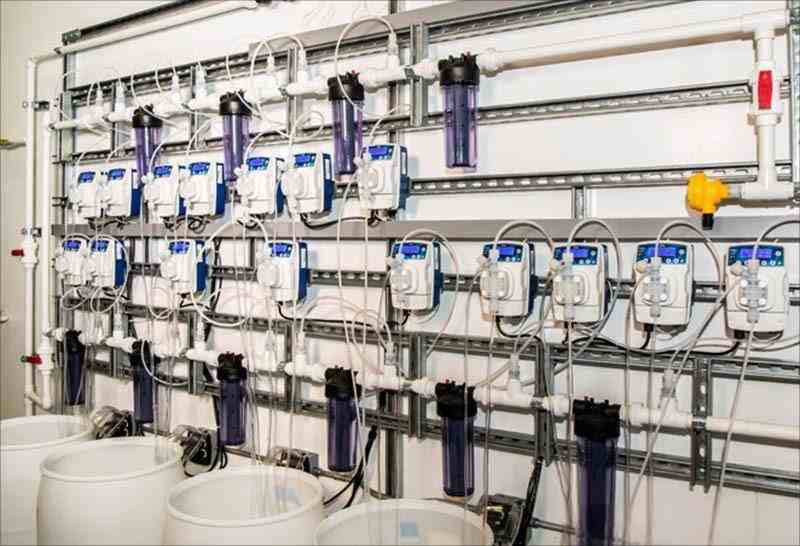
What Makes Peristaltic Pumps Different?
The fundamental reason why peristaltic pumps are suitable for the transportation of hazardous chemicals is their unique working principle of “peristalsis”. This mechanism simulates the biological process of contraction and relaxation of the human esophageal muscles. You can have a clearer understanding of the principle by watching this video.
The peristaltic pump consists of a flexible hose, which is installed inside a circular pump casing. A rotor with a series of rollers, sliders or scrapers rotates and compresses the hose, forming a tight seal. As the rotor rotates, the compression point moves along the length of the hose, pushing the internal fluid forward. Behind the rollers, the hose returns to its original shape, creating a strong vacuum that draws more fluid into the pump.
The key difference of this design lies in that the fluid is completely enclosed within the hose. It will not come into contact with any other pump components – whether it is the pump casing, rotor, or the most important seals or gland. This fundamental difference is precisely what sets peristaltic pumps apart from other pump technologies and is also the cornerstone of their leak-free performance.
Key Advantages of Peristaltic Pumps for Hazardous Chemical Transfer
The very design of peristaltic pumps imparts some very significant advantages to them, and thus they are a preferred choice when dealing with hazardous substances.
Leak-free Design
The most notable advantage of peristaltic pumps lies in the fact that they do not require traditional seals, gland covers or valves, which are the most common failure and leakage points in other types of pumps such as centrifugal pumps or diaphragm pumps. The pipeline of the peristaltic pump itself serves as the main barrier. As long as the pipelines remain intact, chemicals will hardly leak into the environment. This design eliminates the risks of unorganized emissions and hazardous spills, ensuring a safer working environment and simplifying compliance.
Chemical Compatibility
Since the fluid being pumped only comes into contact with the inner wall of the pipe, chemical compatibility is of vital importance when choosing the appropriate pipe material. There are a variety of engineering polymers and elastomers available on the market for selection, which can be used to handle various corrosive chemicals. Materials include:
- Santoprene™ : Suitable for a variety of acids, alkalis and corrosive media.
- Viton™/FKM: Excellent resistance to highly corrosive acids, fuels and solvents.
- EPDM: Highly suitable for alcohols, ketones and certain acids.
- Ptfe-lined hose: Provides nearly universal chemical resistance for the most corrosive applications.
The uniqueness of peristaltic pumps endows them with several key advantages. It is precisely these features that make them an ideal choice for the transportation of liquids involving hazardous substances.
Easy to Service and Replace
The maintenance of peristaltic pumps is very simple, fast and safe. The only worn part is the hose. When the service life of the hose reaches its limit, it can be easily replaced in just a few minutes. This process only requires opening the pump head, removing the old hose and installing the new one. This minimizes the downtime of liquid transportation work and, at the same time, reduces the risk of maintenance personnel being exposed to hazardous chemicals. Because there is no need to replace complex seals or repair precise internal components, the maintenance tasks of peristaltic pumps are safer and more efficient compared to other types of pumps.
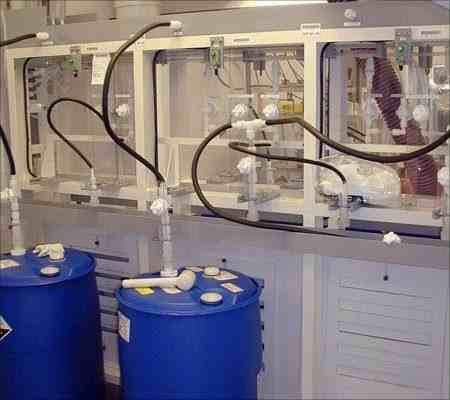
Comparing Peristaltic Pumps with Other Pump Types
To better understand the benefits of peristaltic pumps, let’s compare them with other common transfer pumps for chemicals:
| Pump Type | Leak Risk | Seals/Valves Required | Chemical Compatibility | Maintenance Complexity |
| Peristaltic Pump | Very Low | No | High (tubing-based) | Very Easy |
| Diaphragm Pump | Moderate | Yes | Moderate to High | Moderate |
| Centrifugal Pump | High | Yes | Low to Moderate | Complex |
| Gear/Piston Pump | High | Yes | Often Limited | High |
As shown, peristaltic chemical metering pumps offer superior safety and versatility, especially when leak prevention is critical.
Applications Where Leak-Free Performance Is Critical
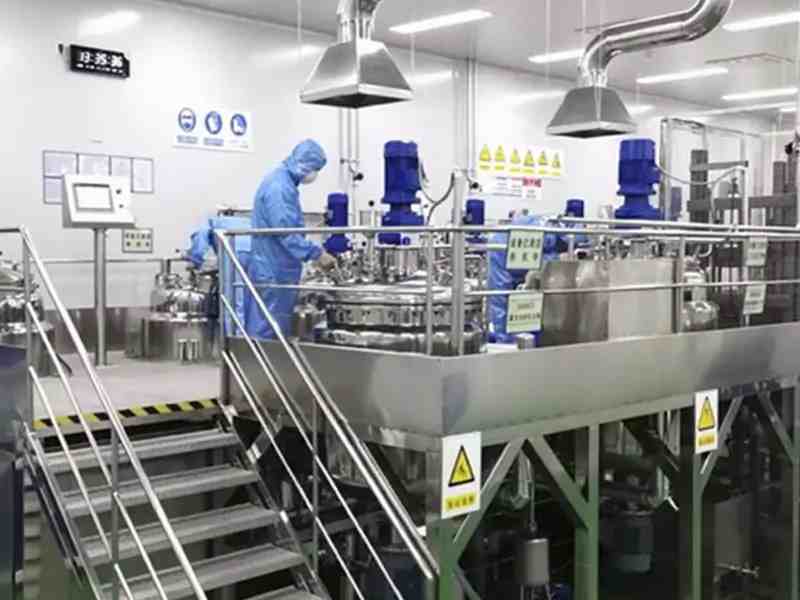
In any process industry that must transport hazardous chemicals, leak-free operation is extremely important, especially in the following industries:
- Water and wastewater treatment: Chlorine, sodium hypochlorite or polymers measurement for sanitizing or coagulation.
- Chemical manufacturing: Precise measurement and carriage of concentrated bases, acids and active intermediates.
- Minerals and metallurgy: Cyanide, lime slurry and flocculants measurement.
- Pharmaceuticals and laboratories: Sterile chemical measurement free from contamination.
- Semiconductor industry: Transporting high-purity corrosive fluids, such as hydrofluoric acid or hydrogen chloride, without the contact of metals.
In each of these uses, a reliable peristaltic chemical pump can prevent dangerous leaks, enhance process safety, and offer compliance.
How to Choose the Right Leak-Free Peristaltic Pump
The selection of the correct peristaltic pump depends on the application and chemicals involved. The following are the key issues that need to be considered:
Flow and pressure: Determine the flow and system back pressure needed. This will determine the size of the pump and the motor needed.
- Chemical compatibility: The most critical step. Consult the chemical compatibility chart and select the pump pipe material that has good resistance to a particular chemical at the operating temperature.
- Pump pipe size and material: The flow rate is controlled by the inner diameter of the pump pipe, and the wall thickness and material will affect the pressure-withstanding ability and service life of the pump.
- Working cycle: Specify whether the pump will operate continuously or intermittently since this will affect the selection of the pump pipe and driver.
Investment in a well-performing peristaltic pump system can assure leak-free chemical transfer and give optimum performance and service life.
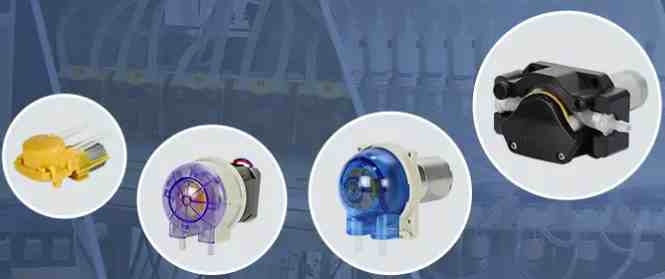
Need Help Selecting a Peristaltic Chemical Pump?
Whether you are transporting hazardous acids, flammable solvents or reagents used in medicine that need extra care, peristaltic chemical pumps can offer leak-free security, chemical resistance and easy operation during transit. Compared to traditional chemical transfer pumps, its design bypasses many of the most probable points of failure and hence is the optimal solution for industries where safety and reliability are the top priority.
Should you have to replace an existing chemical transfer pump or need an industrial grade chemical metering system, then peristaltic technology is your optimal choice.
JIHPUMP offers tailored peristaltic pump solutions, including chemically compatible pump tubes, precise flow control and OEM integration capabilities. Contact us today for expert guidance on leak-free fluid transport.