
Edible Oil Pump Selection: Which Type to Use?
In the modern food processing industry, edible oil serves as a vital raw material, and its efficient and hygienic transfer is of utmost importance. Whether for small- to medium-sized catering businesses or large-scale oil processing factories, an edible oil pump has become an indispensable piece of equipment. Here, we will provide a comprehensive guide to edible oil pumps, helping you choose the one that best suits your needs.
Part 1. What is an Edible Oil Pump?
An edible oil pump is a food-grade pump specifically designed for transferring various types of edible oils, including vegetable oil, olive oil, sunflower oil, peanut oil, and more. It plays a critical role in modern food processing and catering industries, ensuring the hygienic and safe handling of oils during transfer, filling, and storage.
Key features of edible oil pumps include:
- Food Safety: Made from materials that meet food-grade standards, such as 316L stainless steel, food-grade silicone, or PE hoses.
- Anti-Contamination Design: Features a structure that is easy to disassemble and clean, effectively preventing oil contamination.
- Wide Applicability: Suitable for applications such as liquid transfer, bottling, filling, and sampling.
- Edible oil pumps not only ensure food hygiene and safety but also enhance production efficiency, making them an indispensable piece of equipment in modern oil processing operations.
Part 2. Applications of Edible Oil Pumps
Edible oil pumps are widely used across the modern food industry, covering everything from industrial production to laboratory testing, including but not limited to the following areas:
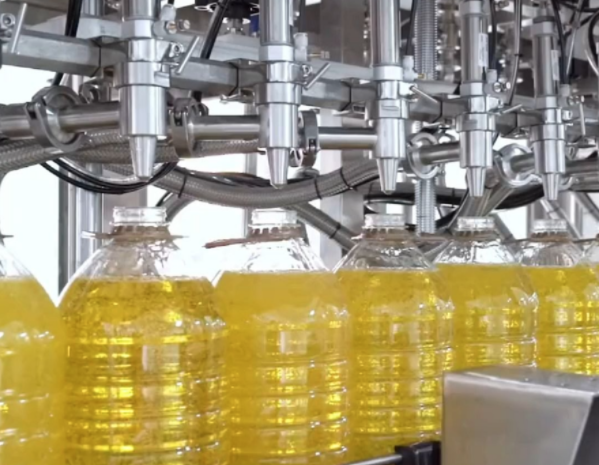
Oil Processing Factories: During extraction, filtration, refining, and storage of edible oils, pumps efficiently transfer oil from raw material tanks, storage tanks, or processing equipment to downstream machinery. This ensures continuous production while minimizing oil exposure to air and reducing oxidation or quality degradation.
Food Production Lines: In the production of pastries, fried foods, condiments, and other processed foods, pumps can accurately deliver oil according to recipes, enabling automated addition and ensuring consistent taste and product quality.
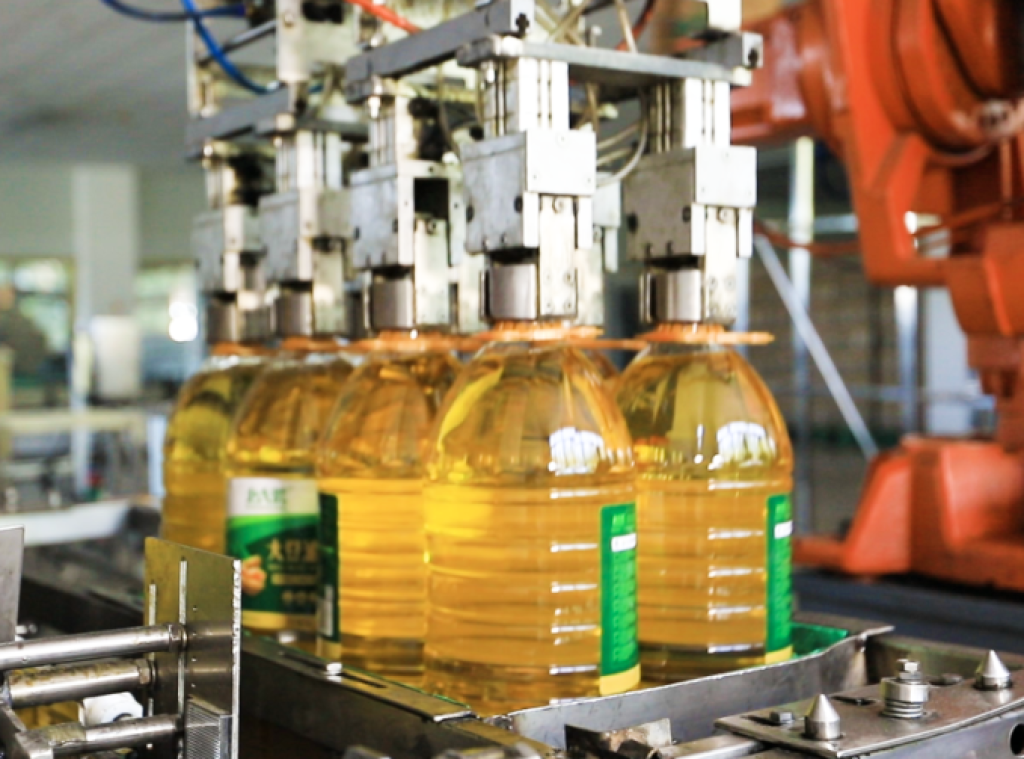
Catering and Packaging Industry: Pumps are used for bottling and filling edible oil into bottles or barrels. Precise control ensures accurate portioning while reducing the risk of contamination from manual handling.
Laboratories and Sampling Scenarios: In lab analysis or oil quality testing, edible oil pumps allow for precise transfer of small quantities or stratified sampling, providing reliable data for quality control.
Whether in large-scale industrial production or small-scale laboratory operations, edible oil pumps offer a safe, hygienic, accurate, and efficient solution, making them essential equipment for maintaining food quality and production efficiency.
Part 3. Common Types of Edible Oil Pumps
Edible oil pumps can be classified based on their working principles and structure. Each type has unique advantages, applications, and considerations:
1. Peristaltic Pump
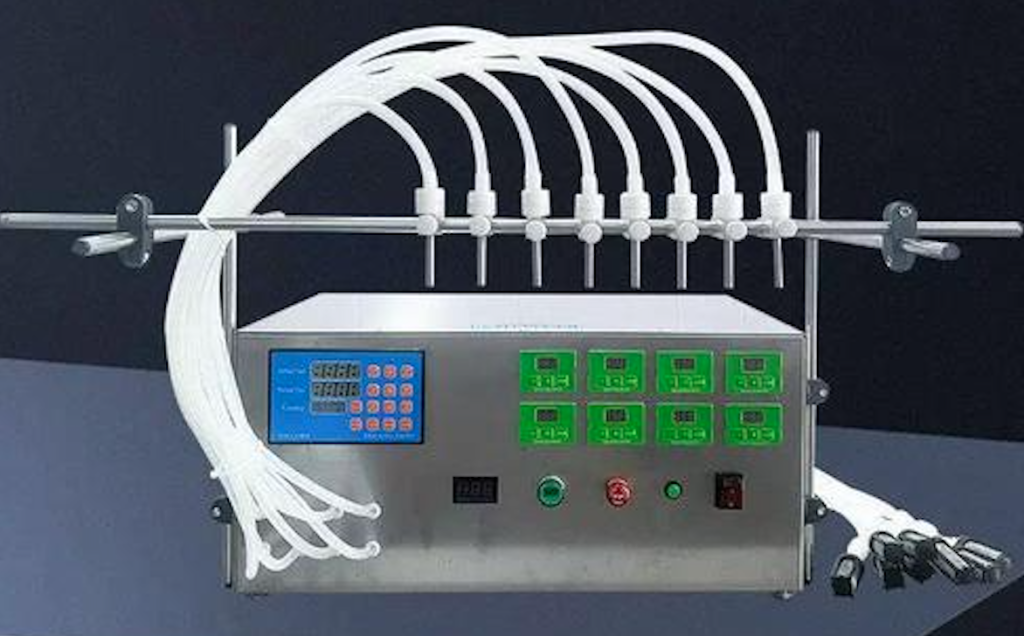
Features: Oil does not contact the pump body; liquid is pushed through a flexible tube, making cleaning easy and maintaining high hygiene standards.
Applications: Suitable for food-grade operations, laboratory work, small-batch filling, or oil sampling, especially where cross-contamination must be avoided.
Advantages: Minimizes cross-contamination, easy maintenance, suitable for various liquids and sensitive oils.
Considerations: Relatively low flow rate, not suitable for large-scale continuous production; tubing has limited lifespan and requires periodic replacement.
2. Gear Pump
Features: Provides stable flow and uniform pressure, capable of handling high-viscosity oils such as peanut oil, sesame oil, and coconut oil. Compact and wear-resistant, suitable for long-term continuous operation.
Applications: Ideal for edible oil bottling, recipe-based addition, and large production line transfers, especially where stable flow and pressure are required.
Advantages: Easy to operate and maintain, maintaining high efficiency during long-term use.
Considerations: Not suitable for oils that easily form air bubbles or contain impurities; clean oil is required to prevent pump wear or flow fluctuations.
3. Centrifugal Pump
Features: High flow rate, suitable for low-viscosity oils such as canola oil, corn oil, or sunflower oil. Smooth operation and simple structure, easy to maintain.
Applications: Commonly used for tank-to-tank transfer, bulk production, or continuous circulation.
Advantages: Large transfer capacity, suitable for continuous operation, low maintenance cost, ideal for large-scale production.
Considerations: Not suitable for high-viscosity oils or applications requiring precise dosing, as flow may be unstable.
4. Diaphragm Pump
Features: Corrosion-resistant, self-priming, capable of handling liquids with particles or composite oils, with controllable pressure and strong adaptability.
Applications: Suitable for oil blending, transferring particle-containing or composite liquids in food processing, such as flavored or mixed oils.
Advantages: Handles complex liquids, flexible operation, usable in various environments.
Considerations: Flow rate and pressure are limited by pump design, suitable for small to medium flow applications, not ideal for large-scale high-flow production.
| Pump Type | Key Features | Suitable Oil Viscosity | Typical Applications | Considerations / Limitations |
| Gear Pump | Stable flow, uniform pressure, wear-resistant | High-viscosity oils | Bottling, recipe addition, large production lines | Not suitable for oils with bubbles or impurities |
| Centrifugal Pump | High flow rate, smooth operation, simple structure | Low-viscosity oils | Tank-to-tank transfer, bulk production, circulation | Not ideal for high-viscosity oils or precise dosing |
| Peristaltic Pump | Oil does not contact pump body, hygienic, easy to clean | All viscosities (small batch) | Food-grade operations, lab work, small-batch filling, sampling | Low flow rate, tubing needs periodic replacement |
| Diaphragm Pump | Corrosion-resistant, self-priming, handles particles | Medium to high-viscosity oils | Oil blending, transfer of particle-containing or composite oils | Limited flow/pressure, better for small to medium volumes |
Part 4. How to Choose the Right Edible Oil Pump?
When selecting an edible oil pump, it is essential to consider multiple factors to ensure the pump meets production requirements while maintaining the hygiene and safety of the oil:
Oil Viscosity
Different oils have varying viscosities. High-viscosity oils, such as peanut oil or sesame oil, are best handled by gear pumps or peristaltic pumps, as they can deliver thick oils steadily. Low-viscosity oils, like canola or corn oil, are more suitable for centrifugal pumps, which can provide high-flow transfer efficiently.
Flow Rate and Head
Choose the pump’s specifications based on production scale, transfer distance, and required throughput. Large production lines or long-distance transfers usually require pumps with high flow and head, while small-scale processing or laboratory operations can use lower-capacity pumps.
Material Compatibility
Components in contact with the oil should meet food-grade standards, such as 316L stainless steel, food-grade silicone, or PE tubing, ensuring the oil remains uncontaminated. Materials should also be corrosion-resistant, heat-resistant, and easy to clean and sanitize.
Ease of Maintenance
The pump should be easy to disassemble and clean, minimizing downtime for maintenance. A user-friendly design reduces operational complexity and improves production line efficiency.
Application Scenario
Different use cases have different requirements. Bottling and filling require high-precision pumps, laboratory sampling requires small-flow, hygienic pumps, and industrial transfer emphasizes durability and high flow capacity.
Part 5. The Importance of Food-Grade Design
Food-grade design is a core requirement for edible oil pumps and a key factor in ensuring oil quality and hygienic food processing. Its significance is reflected in several aspects:
Material Safety
Components that come into direct contact with the oil—such as the pump body, seals, and tubing—must be made of materials that meet FDA, 3A, or other international food safety standards, such as 316L stainless steel, food-grade silicone, or food-grade PE. These materials are corrosion-resistant, heat-resistant, and do not release harmful substances during long-term use, ensuring the safety of the oil.
Anti-Contamination Structure
The pump should be designed to prevent direct contact between the oil and air or metal surfaces, reducing the risk of oxidation, contamination, or impurities. Closed transfer systems and non-contact designs, such as peristaltic pumps, further minimize the possibility of contamination, ensuring the hygiene standards required in food processing.
Ease of Cleaning
Food-grade pumps should be easy to disassemble and clean, allowing for regular sanitation. Routine cleaning prevents oil residue buildup, bacterial growth, and cross-contamination, while also extending the pump’s service life and maintaining long-term operational efficiency.
By incorporating food-grade design, edible oil pumps not only preserve the quality and flavor of the oil but also enhance the hygiene and safety of production lines, making them an indispensable part of modern food processing operations.
Part 6. JIHPump — Professional Food-Grade Pump Manufacturer
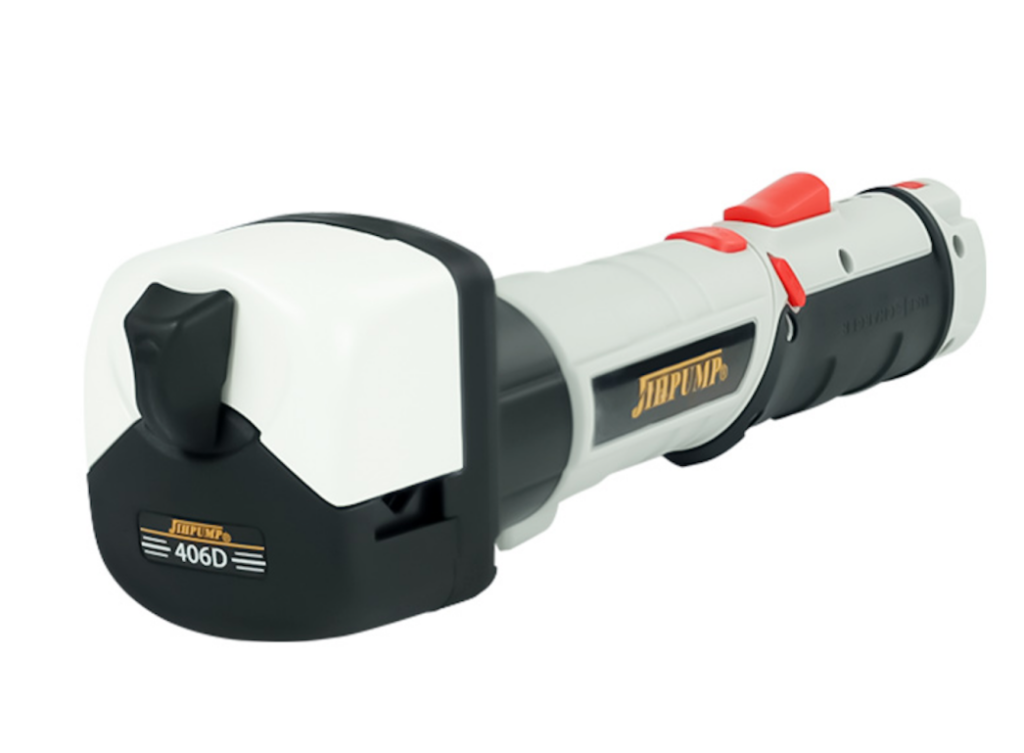
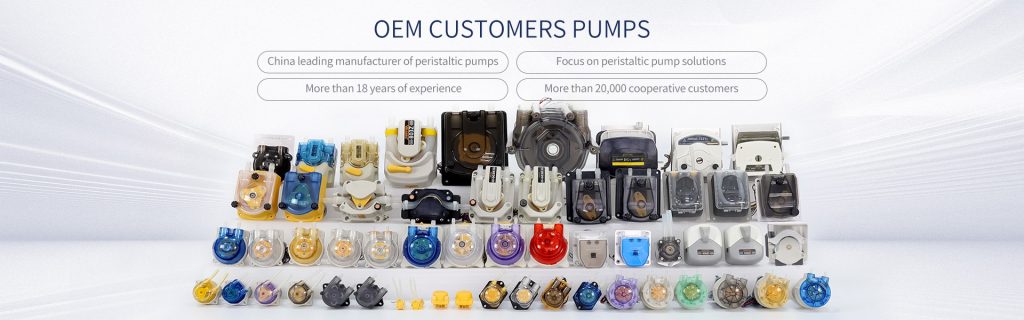
As a professional food-grade pump manufacturer, JIHPump specializes in providing high-quality pump solutions for the food, beverage, and laboratory industries. Our product range includes handheld sampling pumps, peristaltic pumps, gear pumps, centrifugal pumps, and more, capable of handling oils and other liquids of various viscosities. These pumps are widely used in industrial production, food and beverage bottling, and laboratory sampling.
Core Advantages:
Own Factory Ensures Stable Supply
JIHPump operates a complete production system with strict quality control, managing every step from raw material procurement to finished products, ensuring customers receive reliable and consistent supply.
Food-Grade Materials Meeting International Standards
All pump bodies, seals, and tubing are made from FDA, CE, and 3A compliant materials, ensuring the liquid remains uncontaminated during transfer and meeting stringent hygiene requirements.
Wide Range of Applications
Our pumps are ideal for oil processing, food production, beverage transfer, liquid seasoning bottling, and laboratory sampling, delivering safe, efficient, and hygienic liquid transfer solutions.
With a comprehensive product line, professional technical support, and strict food-grade standards, JIHPump has become a trusted partner in the food processing and liquid transfer industry.
In Summary
Edible oil pumps play a vital role in food processing and liquid transfer. From improving production efficiency to ensuring food safety, they are indispensable equipment for modern food enterprises. Choosing the right type of pump with a food-grade design can help businesses reduce costs, increase efficiency, and maintain oil quality and hygiene standards.
If you are looking for a reliable food-grade edible oil pump supplier, JIHPump offers efficient, safe, and customizable pump solutions to meet a wide range of food processing needs.