
Why Multichannel Peristaltic Pumps Essential for Precision Fluid Handling?
Multichannel peristaltic pumps, as an innovative fluid transfer device, are gradually attracting the attention of the global industrial sector. By utilizing the principle of peristalsis, it achieves efficient, safe and reliable fluid transportation, becoming an indispensable tool in many industries.
This article will explain what a multichannel peristaltic pump is, how it differs from the traditional single-channel pump, and why it is a fluid transfer technology that surpasses the traditional one.
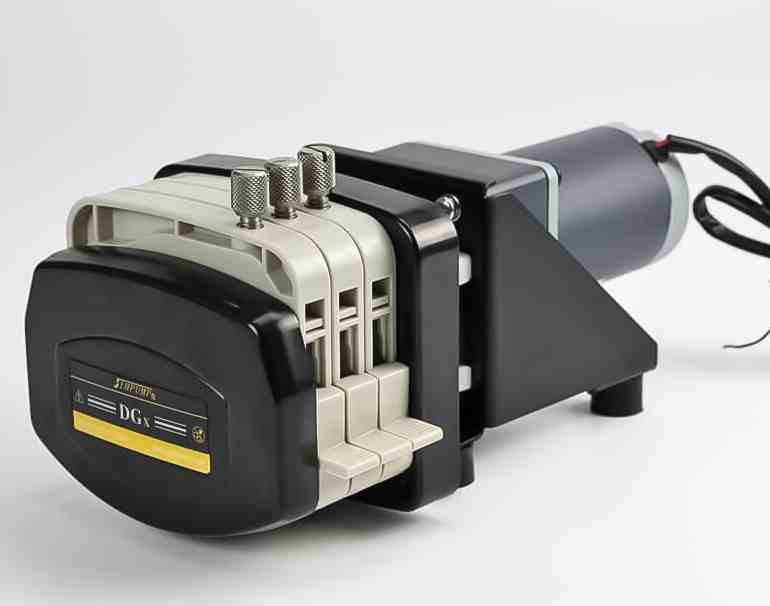
What Is a Multichannel Peristaltic Pump?
To understand multichannel peristaltic pumps, it is first necessary to understand the basic principle of peristaltic pumps. Peristaltic pumps use rollers or feet to press the hose tightly and push the fluid to the target position through the peristaltic effect.
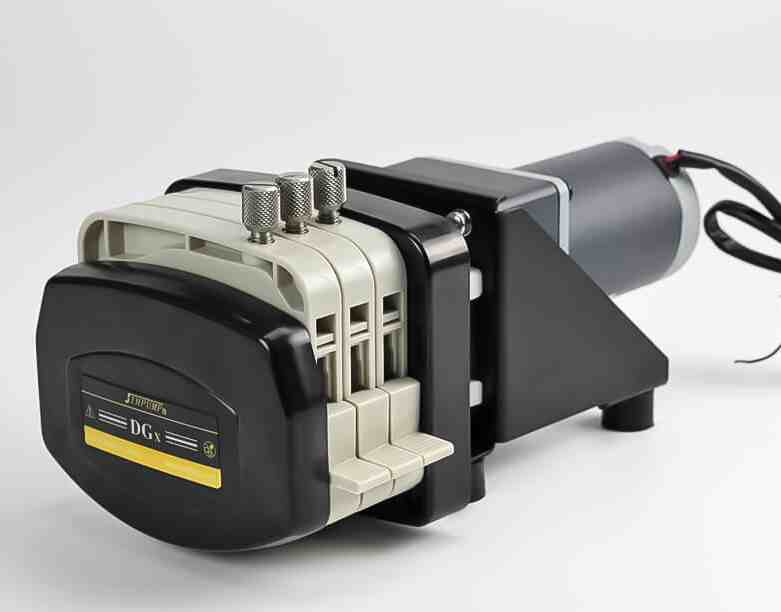
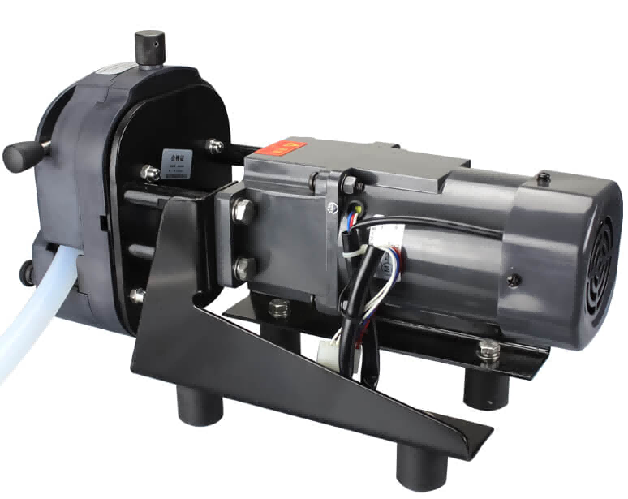
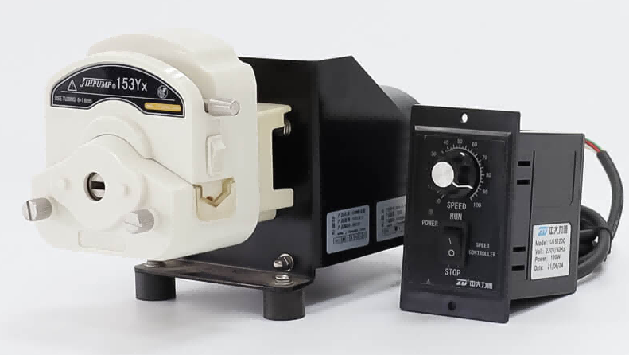
The multichannel peristaltic pump has been improved and innovated on the basis of the traditional peristaltic pump, making it have higher working efficiency and a wider range of applications. It is equipped with two or more fluid channels simultaneously, which can operate at the same time. These channels can be integrated into a single pump head or achieved by stacking modular pump heads on the same drive motor. Each channel conveys liquid through flexible tubes, which are compressed and released by rotating rollers or sliders.
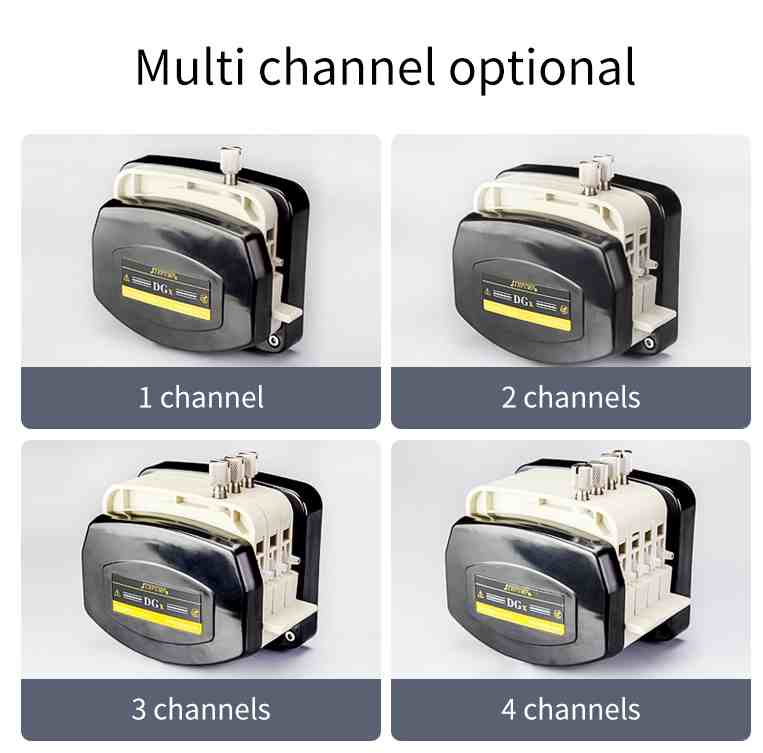
Related Articles: How Does a Multiple Head Peristaltic Pump Work?
Although each channel shares the same motor drive, they maintain their own independent fluid paths, which means:
- It can pump different fluids simultaneously
- There will be no cross-contamination between the channels
- The flow rate and time of all channels can be synchronized
This makes multichannel peristaltic pumps particularly suitable for operations that require parallel sample processing, multi-pipeline reagent transportation, or multi-source fluid transfer, without the need to run multiple independent pumps, thereby avoiding complexity.
Multichannel vs. Single Channel Peristaltic Pumps
While single channel and multichannel peristaltic pumps share the same core pumping principle, their performance and application suitability differ significantly.
| Feature | Single-Channel Peristaltic Pump | Multichannel Peristaltic Pump |
| Number of Fluid Lines | One | Two or more |
| Flow Synchronization | N/A | Synchronization across all channels |
| Application Suitability | Simple, single-stream processes | Parallel operations requiring uniform performance |
| System Setup Complexity | Low | Lower overall compared to using multiple pumps |
| Cost Efficiency | Cheaper for single-line use | More economical than buying multiple single pumps when multiple flows are needed |
Structural Differences
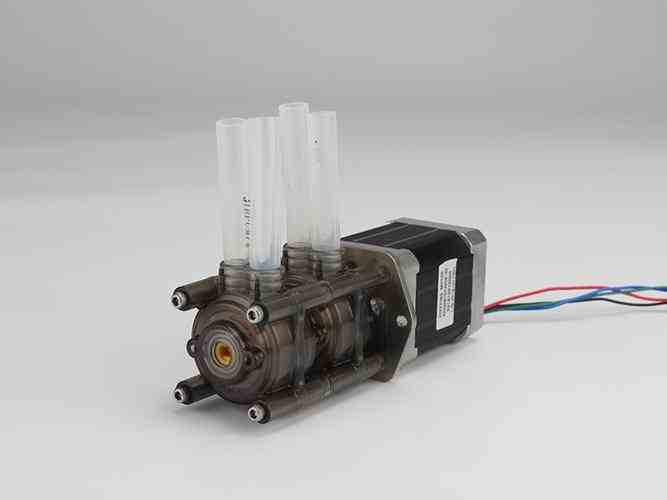
A single-channel peristaltic pump has only one compression chamber. Inside the pump head, there is only one peristaltic pump tube. The compression chamber of the pump moves along the axial direction of the peristaltic pump tube, causing the pump liquid to be compressed and conveyed through the pump tube.
The multichannel peristaltic pump is composed of multiple compression chambers and multiple peristaltic pump tubes. Each compression chamber and peristaltic pump tube operates independently, and each peristaltic pump tube can be controlled separately, enabling multiple pump heads to work simultaneously.
Differences in Performance
Single-channel peristaltic pumps are typically suitable for conveying liquids with low viscosity and medium concentration. Their flow rates are usually small and the conveying pressure is not high. They are suitable for conveying liquids containing solid particles, gases and fibers, etc.
multichannel peristaltic pumps have greater advantages in terms of flow and pressure transportation. They can simultaneously transport multiple liquids, and each pump head can be independently controlled, enabling various transportation methods and precise metering control.
Differences in Usage
Single-channel peristaltic pumps have a simple structure, are easy to maintain and clean, and are suitable for occasions where different types of liquids are transported. However, they have a relatively small number of pump heads and cannot achieve large flow and high pressure transportation.
multichannel peristaltic pumps are suitable for high-flow and high-pressure transportation, and can achieve various transportation methods and metering control. However, due to their complex structure, maintenance and cleaning are relatively difficult.
If your workflow only requires one fluid delivery pipeline, a single-channel pump is usually sufficient. However, for processes that require handling multiple liquids simultaneously, using multiple single-channel pumps can become cumbersome, space-consuming, and difficult to operate synchronously. In this case, multichannel peristaltic pumps can offer higher efficiency, convenience and stability.
Key Advantages of Multichannel Peristaltic Pumps
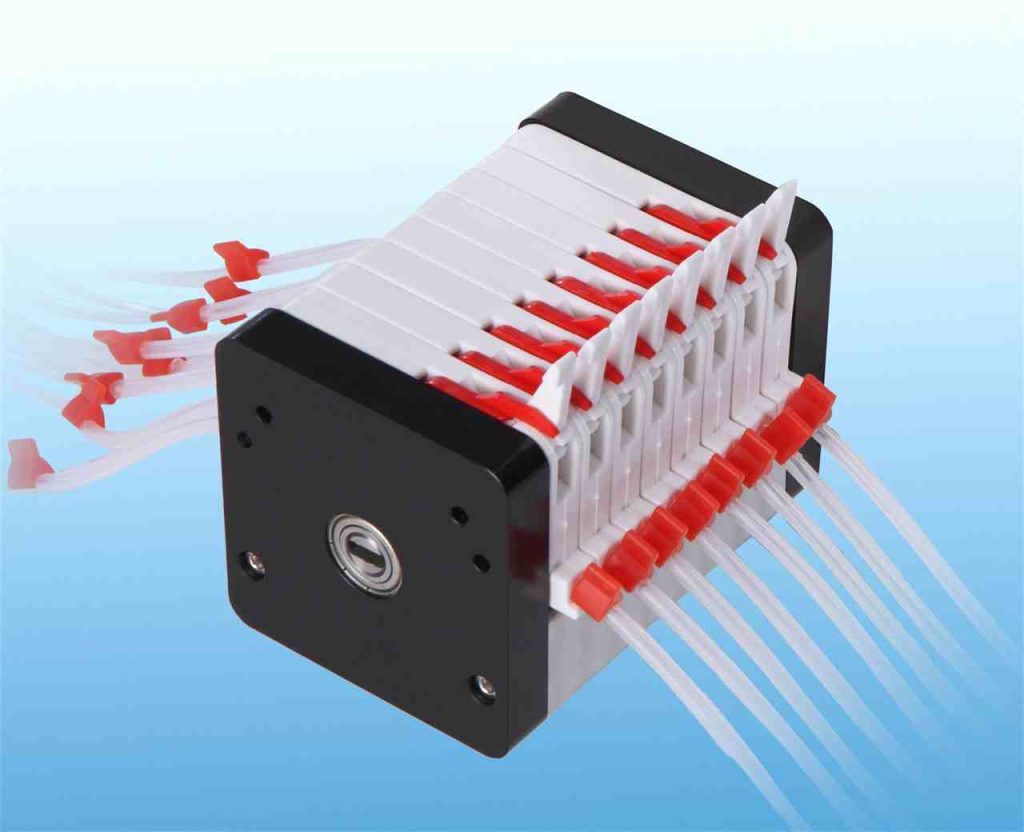
The multichannel peristaltic pump has been improved and innovated on the basis of the traditional peristaltic pump, making it have higher working efficiency and a wider range of applications.
Higher Throughput and Reduced System Complexity
The multichannel peristaltic pump can handle multiple streams of liquid simultaneously, significantly increasing the processing capacity of the workflow. There is no need to install and maintain multiple pumps; a single multichannel peristaltic pump can simplify the process:
- Equipment layout
- Electrical wiring
- Control system
- Daily operations and cleaning
This is particularly important for laboratories with limited workbench space or industries that require compact integrated automation systems.
Synchronized Flow Control
Since all channels share one motor drive device, it is easier to maintain the consistency of flow between channels. This synchronicity reduces the variability that may have a negative impact on the experimental results or the uniformity of the process.
For instance, in cell culture, delivering nutrients to parallel culture flasks at the same rate helps maintain consistent growth conditions. Similarly, in environmental sampling, a synchronous extraction rate can ensure accurate comparison results.
Contamination-Free, Sterile Fluid Transfer
Like all peristaltic pumps, the fluid is completely sealed within the tubing. This eliminates the risk of contamination caused by the mechanical components of the pump.
This advantage is crucial when transporting the following media:
- Biological cell suspension
- Sensitive drugs
- Drinking water or water samples for testing
- Corrosive or ultra-pure chemical reagents
When sterility or high purity is required, simply replace the tubing to ensure a clean flow path.
Flexible Channel and Tubing Configuration
Most multichannel peristaltic pumps allow users to adjust:
- The number of required channels
- Inner diameter of the pipeline
- Pipe materials (e.g., silicone, PVC, Pharmed, Viton)
This enables the pump to adapt to different flow rates and compatibility requirements – from micro metering to medium-scale transportation.
When Should You Choose a Multichannel Peristaltic Pump?

If your workflow involves the following aspects, please choose a multichannel peristaltic pump:
- Parallel sample processing or multi-pipeline fluid processing
- Multiple channels require consistent and synchronous flow rates
- The workspace is limited, so compact integrated devices are needed
- Frequent pipeline replacement is required or there are high demands for pollution control
However, if your various channels require completely different flow rates or pressures, it is best to use independent pumps or pumps with independent control channels.
In Conclusion
Multichannel peristaltic pumps have attracted widespread attention in the industrial sector due to their unique working principle and advantages. Its efficient, safe and reliable fluid transportation capacity makes it an indispensable device in many industries. With the advancement of technology and the continuous promotion of innovation, it is believed that multichannel peristaltic pumps will have broader application prospects in the future.