
Essential Role of Peristaltic Pumps in Biotechnology
Since the COVID-19 pandemic, the biopharmaceutical industry has garnered increasing attention, facing the challenge of improving efficiency and productivity, and delivering much-needed drugs to patients faster and more cost-effectively.
Additionally, there is a need for higher productivity and process efficiency to increase capacity and meet the rapidly growing demand for both traditional and next-generation biologics.
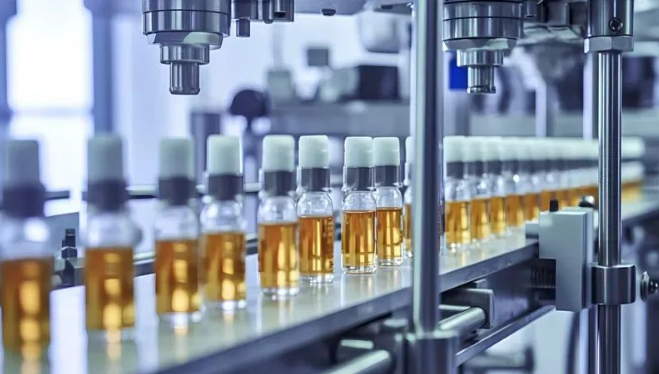
Peristaltic pumps are used to transfer media in upstream and downstream stages, as well as in all sub-processes involved in each stage. The media used in bioprocessing is typically organic liquid, and peristaltic pumps are an indispensable part of this process.
What are Peristaltic Pumps?
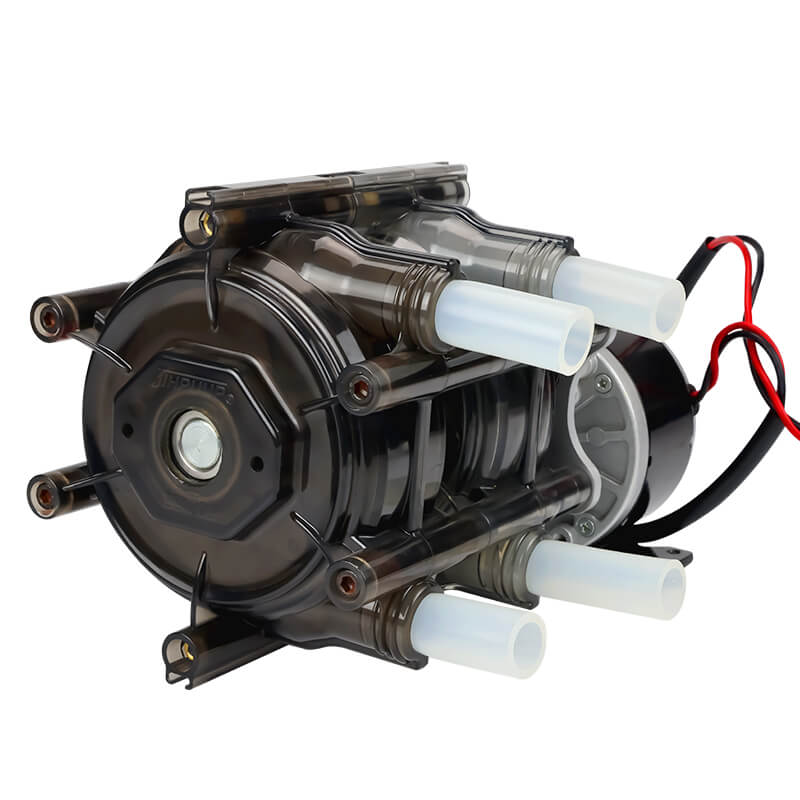
A peristaltic pump, also known as a roller pump or squeezing pump, is a device that generates a periodic, uniform, and continuous pressure flow of fluid within a pump body through the interlocking contours of the pump body. It achieves fluid transport by squeezing the fluid in the pipe with the contour components, forming a mass point movement in the pipe.
The working principle of the peristaltic pump is very simple. Its core components are the pump head and the pump tube. One or more rubber tube pieces in the pump head squeeze with mechanical drive movement, propelling the liquid towards the outlet. Since there is no mechanical contact between the inside and outside of the pump head, the pump cannot cause contamination of the material.
Peristaltic pumps have many advantages, such as stable flow rate, no mechanical stimulation of the transported medium, and suitability for transporting media containing solid particles. At the same time, peristaltic pumps are easy to use and maintain, and have low operating costs.
Peristaltic pumps are widely used in chemical, pharmaceutical, food, water treatment, pulp and paper, environmental protection and other fields. It can transport various fluids, such as various chemical liquids, thick liquids, corrosive, high viscosity and volatile chemical media. At the same time, peristaltic pumps are also suitable for transporting slurry media containing solid particles and fibers.
How are Peristaltic Pumps used in Bioprocessing?
From upstream to downstream processes, peristaltic pumps play a critical role in bioprocessing by transferring various media with diverse specifications and flow rates. As a versatile tool, they are indispensable for handling the organic liquids used in cultivating biological entities.
Cell Culture:
- Media Delivery: Precisely deliver nutrients and growth factors to cell cultures, ensuring consistent and controlled growth conditions. This is crucial for maintaining optimal cell viability and productivity.
- Harvesting: Gently transfer cells from bioreactors to downstream processing steps, minimizing cell damage. Peristaltic pumps provide a gentle and shear-free environment, protecting sensitive cells from mechanical stress.
Fermentation:
- Substrate Feeding: Accurately add substrates and nutrients to fermentation tanks, optimizing microbial growth and product yield. Precise control over feed rates is essential for maximizing product formation and minimizing by-product formation.
- Product Recovery: Extract and transfer fermentation products, such as antibiotics or enzymes, from the bioreactor. Peristaltic pumps can handle viscous fluids and slurries, making them suitable for recovering a wide range of biomolecules.
Downstream Processing:
- Filtration: Transfer samples through filters and membranes for clarification and purification. Peristaltic pumps provide consistent flow rates, ensuring efficient filtration and maximizing product recovery.
- Chromatography: Pump samples through chromatography columns for separation and purification of biomolecules. Precise flow control is critical for achieving optimal separation and maximizing product yield.
- Aseptic Transfer: Transfer sterile fluids between vessels, minimizing the risk of contamination. The self-priming nature of peristaltic pumps and the absence of internal valves reduce the risk of contamination.
Other Applications:
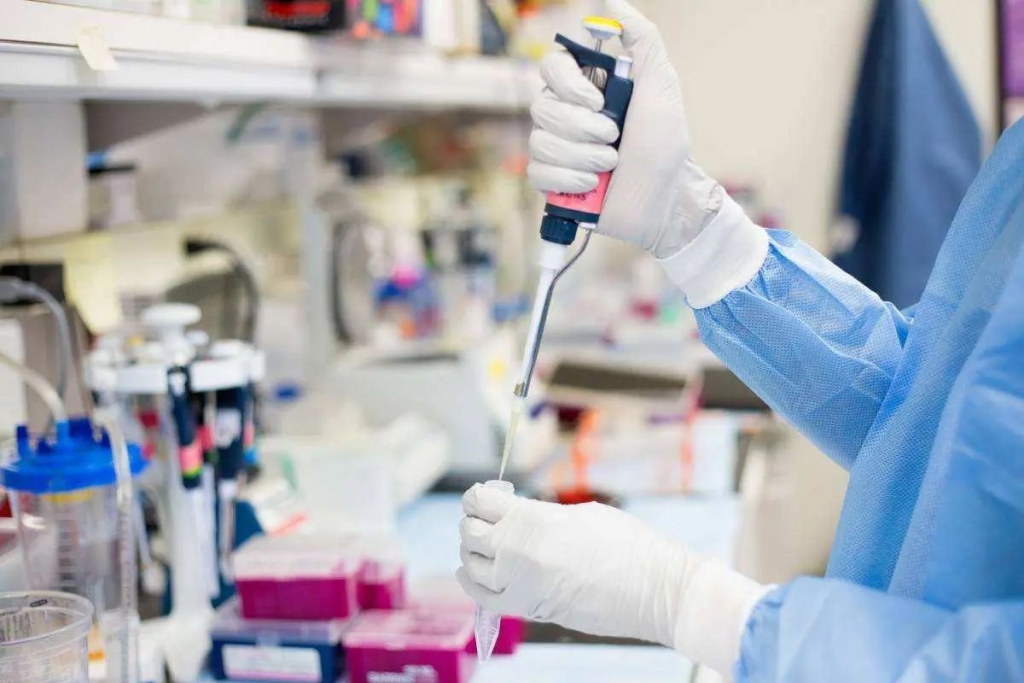
- Sample Preparation: Prepare samples for analysis, such as diluting, mixing, and transferring. Peristaltic pumps offer precise control over sample volumes and minimize the risk of sample contamination.
- Reagent Delivery: Accurately dispense reagents for various assays and analytical procedures. Peristaltic pumps ensure consistent and reproducible reagent delivery, improving the accuracy and reliability of experimental results.
Benefits of Using Peristaltic Pumps for Bioprocessing
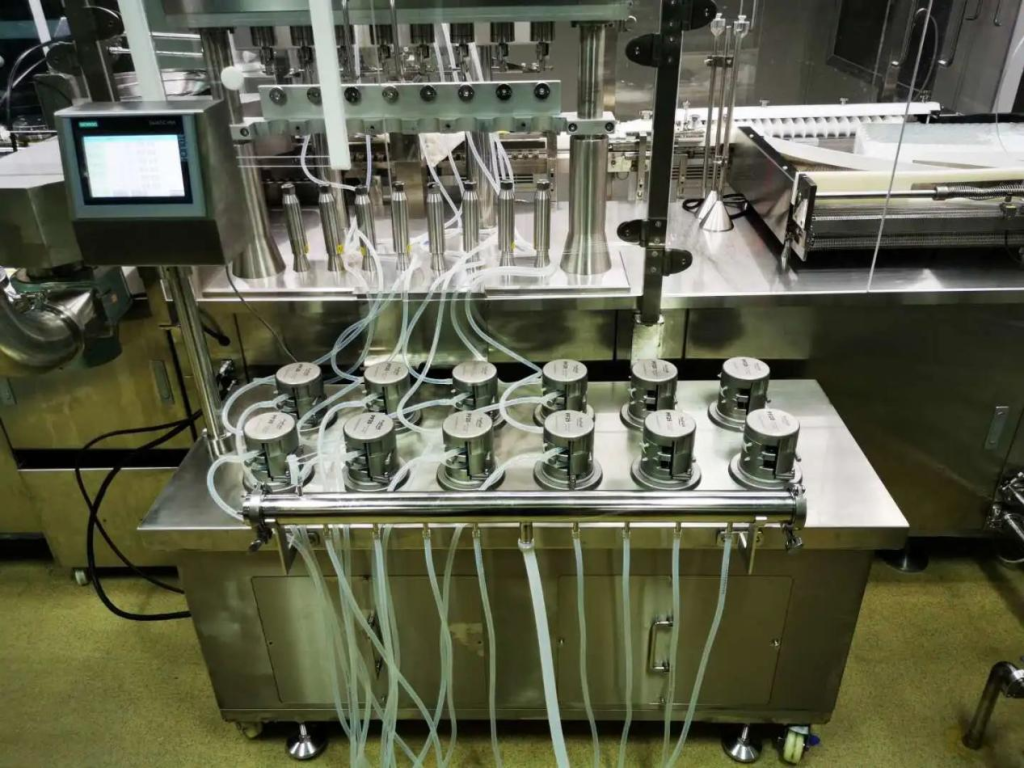
Peristaltic pumps provide both exceptional flow rate stability and a high level of contamination control for bioprocessing applications. The fluid is confined to the pump tube, minimizing the risk of cross-contamination. By swapping out the pump tube, various fluids can be processed without compromising product quality.
- Gentle Handling: Minimize shear stress on sensitive cells and biomolecules. This is crucial for handling delicate cell cultures and fragile biopharmaceuticals.
- Reduced Contamination Risk: The fluid only comes into contact with the inner surface of the flexible tubing. This eliminates the risk of contamination from the pump’s internal components, ensuring product purity.
- Precise Flow Control: Deliver accurate and consistent flow rates, essential for many critical bioprocessing steps like media delivery, substrate feeding, and product recovery.
- Versatility: Handle a wide range of fluids, from thin liquids to viscous slurries and even those containing particulates.
- Ease of Maintenance: Simple to clean and sterilize. Tubing replacement is straightforward, minimizing downtime and reducing maintenance costs.
- Dry Run Capability: Can operate without fluid, reducing the risk of damage and simplifying startup and shutdown procedures.
These benefits make peristaltic pumps a valuable tool for a variety of bioprocessing applications, including cell culture, fermentation, downstream processing, and more..
How to Select the Appropriate Peristaltic Pump
Selecting the right peristaltic pump for a specific bioprocessing application requires careful consideration of several factors:
- Flow Rate: Determine the required flow rate based on the specific process needs.
- Fluid Properties: Consider the viscosity, density, and corrosivity of the fluid to be pumped.
- Tubing Material: Select a tubing material that is compatible with the fluid and provides the necessary chemical resistance and biocompatibility.
- Pump Head Design: Choose a pump head that is suitable for the required flow rate and pressure.
- Drive Mechanism: Select a suitable drive mechanism, such as electric motor or pneumatic drive, based on the specific application requirements.
- Sterilization Requirements: Ensure that the pump can be easily sterilized and maintained in aseptic conditions.
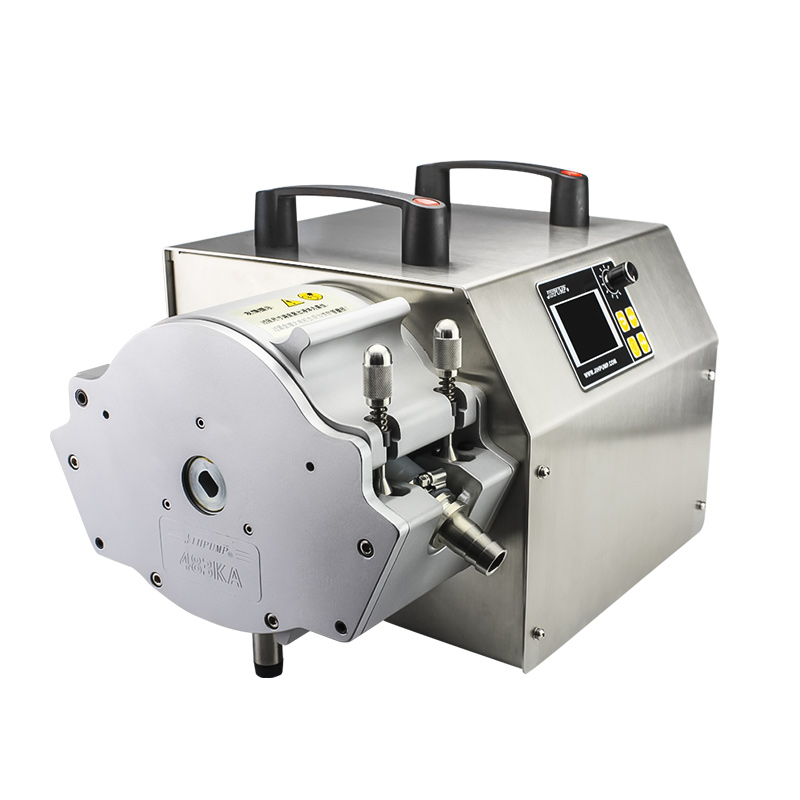
As a specialized manufacturer of peristaltic pumps, JIHPUMP has been dedicated to providing solutions for sensitive liquid transfer in bioprocessing. Our range of peristaltic pumps are easy to implement and maintain, making them ideal for transporting shear-sensitive liquids throughout all stages of bioprocessing. With the fluid coming into contact only with the pump tube, the risk of cross-contamination is eliminated. Different fluids can be pumped simply by replacing the pump tube.
If you are interested in our products, please contact our customer service for more information on our peristaltic pump series designed specifically for bioprocessing.