
Laboratory Peristaltic Pump: How to Choose It for Precise Fluid Transfer?
Have you ever encountered the problem of imprecise fluid transfer or contamination in your experiments? In many scientific experiments and research, precise and contamination-free fluid delivery is crucial.
So, how can this issue be addressed?
Well, laboratory peristaltic pump is the ideal solution to this problem. In this article, we will explore lab peristaltic pumps in detail and recommend reliable pumps to help you easily solve fluid transfer issues in your experiments, improving both efficiency and accuracy!
Part 1. What is Lab Peristaltic Pump?
What is peristaltic pump? Well, peristaltic pump is a type of pump that moves fluid by compressing a tube with rotating rollers.
Unlike traditional pumps, the fluid in a peristaltic pump never comes into direct contact with the internal components of the pump, making it ideal for applications that require contamination-free fluid transfer.
Peristaltic pumps are widely used in laboratory settings where precise flow control is essential, especially for liquids that are prone to contamination, such as chemical reagents, cell culture media, and pharmaceuticals.

How Does Peristaltic Pump Work?
The core working principle of a peristaltic pump is the sequential compression and release of the delivery tube by rotating rollers, which pushes the fluid along the tube. Each roller acts on the fluid forward in turn, moving the tube.
As the roller moves along the tube, a closed “isolated zone” forms inside the tube, preventing fluid from coming into contact with any other part of the pump, reducing the risk of cross-contamination.
Part 2. Why Use Laboratory Peristaltic Pump?
In the laboratory, transferring chemical liquids often comes with many strict requirements, such as precise flow control, contamination prevention, and ensuring the accuracy of experimental data. As an indispensable piece of equipment in the lab, the peristaltic pump effectively meets these needs.
Moreover, the peristaltic pump is easy to operate and maintain, providing great convenience to laboratory personnel, improving work efficiency, reducing human errors, and ensuring the smooth progress of experiments.
Prevention of Cross-Contamination
Since the fluid only comes into contact with the pump tubing, laboratory peristaltic pumps effectively prevent cross-contamination between different fluids.
This is particularly suitable for experimental scenarios that require a highly clean environment, such as in the biopharmaceutical field.
Precise Flow Control
Peristaltic pumps for labs offer high-precision flow control, allowing users to adjust the liquid delivery rate with great accuracy to meet the demands of various experiments. Whether for low-flow micro-dosing or high-flow continuous delivery, peristaltic pumps provide stable output.
Easy Maintenance and Cleaning
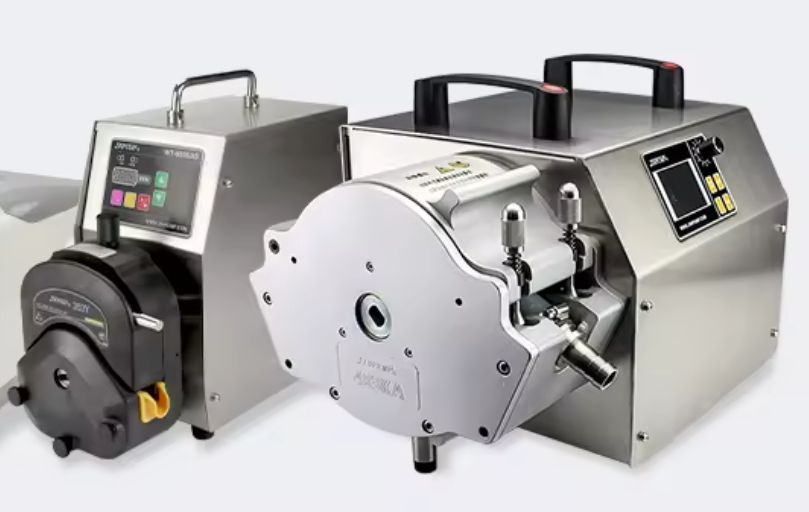
The design of peristaltic pumps is simple, and the pump tubing can easily be disassembled and replaced. This not only reduces maintenance difficulty but also effectively prevents contamination sources from accumulating. After use, users only need to replace the tubing to continue using the pump, reducing the cleaning workload.
Versatility with Various Fluids
Laboratory peristaltic pump effortlessly handles a wide range of fluids, including high-viscosity, corrosive, and bubble-containing liquids, meeting the strict fluid transfer requirements of laboratory environments with ease. Whether it’s complex chemical solutions or delicate biological reagents, it provides reliable and efficient delivery solutions.
Part 3. How to Choose Right Peristaltic Pump for Laboratory?
There are many laboratory peristaltic pumps available on the market, making it difficult to choose one. However, by considering the following key factors, you are likely to find the peristaltic pump that best suits your needs.
Flow Rate Requirements
At first, you should consider a pump with the appropriate flow rate range based on your experimental requirements, as different laboratory applications have varying flow rate needs.
Peristaltic pumps typically offer precise flow control with a wide range of adjustable settings. For example, for experiments that require low flow and high precision, you may need to choose a model with a smaller adjustable flow range.
Tubing Material
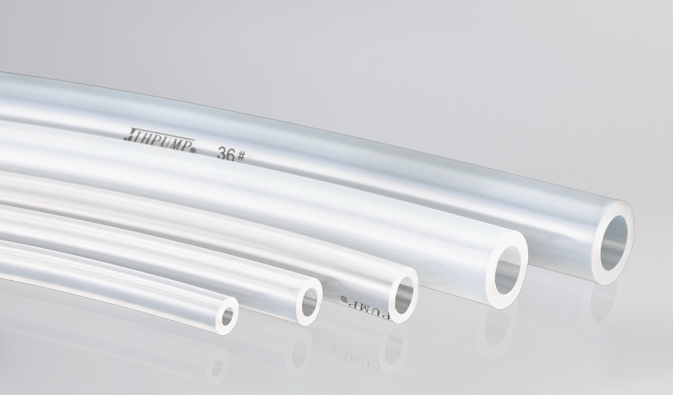
The material of the peristaltic pump tubing determines its resistance to corrosion and the types of fluids it can handle. Common tubing materials include silicone, Tygon, PVDF, and others, each with different properties such as acid/base resistance and high-temperature tolerance.
Selecting the right tubing material based on the nature of the fluid being transferred can significantly extend the pump’s lifespan.
Control Method
Modern laboratory peristaltic pumps offer various control methods, including manual control, digital control, and even remote control via smartphones or computers.
Choosing the right control method can enhance operational convenience, especially for complex experimental setups, where digital control and precise flow regulation are particularly important.
Number of Pump Heads
Some experiments require the simultaneous transfer of multiple fluids. In such cases, it is necessary to choose a peristaltic pump with multiple pump heads. Dual or multi-head designs can greatly improve experiment efficiency and reduce the time spent switching between equipment.
Part 4. Best Recommended Peristaltic Pump for Laboratory – JIHPump Peristaltic Pump
If you’re looking for a laboratory peristaltic pump and don’t want to waste time searching endlessly, then congratulations, the problem is solved now. We introduce to you a reliable laboratory peristaltic pump, the JIHPump peristaltic pump.
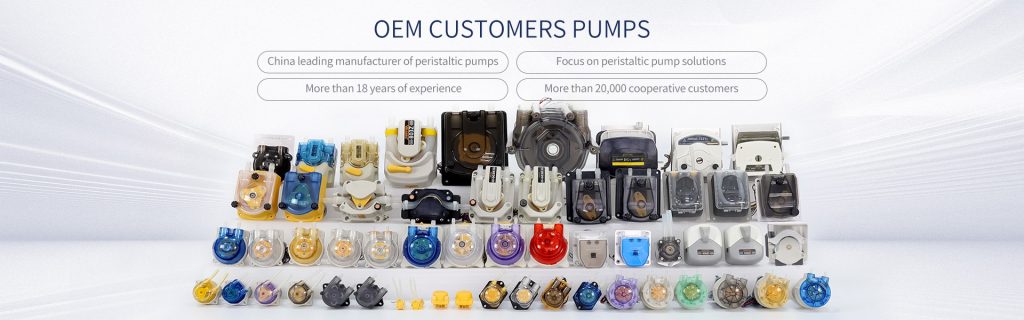
As a trusted peristaltic pump manufacturer, JIHPump has become one of the most recommended choices for labs due to its exceptional performance, high-quality products, innovative design, and outstanding user experience.
Why Choose JIHPump Lab Peristaltic Pump?
High-Precision Flow Control
JIHPump peristaltic pumps offer precise flow control, allowing users to adjust the flow rate according to experimental needs, ensuring high repeatability and reliability in experiments. With a wide flow range, it is suitable for various fluid transfers, including high-viscosity liquids, chemical reagents, and culture media.
Contamination-Free Transfer Design
The unique design of the JIHPump peristaltic pump fully isolates the pump body from the transported fluid, eliminating the risk of cross-contamination. This feature is crucial for experiments that require high-purity, contamination-free fluid transfer, particularly in life sciences and chemical research.
Intelligent Digital Control
Equipped with an advanced digital control system, the JIHPump peristaltic pump is easy to operate and intuitive. Users can easily set and adjust the flow rate via an LCD display and monitor the pump’s operating status in real time. This intelligent control system significantly improves experiment efficiency and minimizes errors from manual operations.
Variety of Tubing Options
Depending on different experimental requirements, JIHPump peristaltic pumps offer a range of tubing materials, including silicone, Tygon, BPT, etc. These high-quality tubing materials provide excellent chemical and temperature resistance, making them suitable for use in various experimental environments.
High Durability and Low Maintenance Cost
Constructed with premium materials and precise manufacturing processes, JIHPump peristaltic pumps ensure high stability and low maintenance costs over the long term. Regular tubing replacement is all that is needed, reducing the complex maintenance issues common with other types of pumps.
Wide Range of Applications
JIHPump peristaltic pumps are widely used in laboratory settings, including:
- Chemical Experiments: Precise delivery of chemical reagents, ensuring safety and accuracy during experiments.
- Biological Experiments: Contamination-free transfer of cell culture media and solutions, promoting healthy cell growth.
- Medical Research: Fluid transfer for applications such as drug preparation and blood sample processing.
Except using in laboratories, JIHPump peristaltic pump can also be used in food processing, industrial, and other fields.
Final Thoughts
Laboratory peristaltic pump is the ideal solution for fluid transfer in laboratories. With advantages such as precise flow control, low risk of contamination, and easy maintenance, it is widely used in various fields, including chemistry, biomedicine, and food industries. If your laboratory requires an efficient, reliable, and safe fluid transfer solution, JIHPump peristaltic pumps are undoubtedly the best choice.
FAQs about Peristaltic Pump for Laboratory
What’s the laboratory peristaltic pump price?
The price of a laboratory peristaltic pump can vary greatly based on factors such as brand, model, features, and specifications. For example, JIHPump’s prices range from a few dozen dollars to around 2,000 dollars.
What is the lifespan of a peristaltic pump?
The lifespan of a peristaltic pump is typically 3 to 5 years, depending on usage, fluid type, and maintenance. Regular upkeep, like replacing tubing and cleaning, can help extend its life, while high-quality pumps tend to last longer with proper care.
Can a peristaltic pump create vacuum?
A peristaltic pump can create a partial vacuum, but it is not designed for generating a strong or high vacuum. The pump works by compressing and releases the tubing, which can create a low-pressure environment within the tubing. This can be useful for applications such as fluid extraction or low-pressure processes, but for high-vacuum applications, a dedicated vacuum pump would be more appropriate.