
Hoses for Peristaltic Pumps: A Complete Material and Lifespan Guide
In a peristaltic pump system, the hose is not just an ordinary accessory, it is a core component that determines the performance and reliability of the entire device. For industrial peristaltic pumps, the hose is not only the sole part in contact with the conveyed medium but also a critical consumable that endures cyclic compression and high pressure.
Understanding the structure, material differences, and selection logic of hoses for peristaltic pumps can help reduce maintenance costs, minimize unplanned downtime, and significantly enhance the long-term operational stability of the pump system.
Part 1. Why is the Quality of Peristaltic Pump Hoses So Critical?
In real-life applications, it has been observed that most problems labeled as ‘pump failure’ have their roots in the hose. The hose used in applications is not just a simple conduit; it affects the performance of the pump to a great extent.
Quality hoses for peristaltic pumps can contribute greatly to the following key aspects of the system performance:
Flow Stability: The fluid elasticity/resistance properties of the hose can also relate to the stability of the fluid flow. Hoses having irregular fluid elasticity/resistance can lead to fluid pulsation/stability issues in a process.
Pressure Resistance: The internal structure and the material properties of the hose define the maximum pressure that the system can operate within safely. Using a hose that does not have sufficient tolerance for the pressures involved in the system can easily result in its failure or even damage to the system itself.
Service Life: The hoses are subjected to constant cyclic compression and expansion. The fatigue resistance thus becomes very crucial regarding the service life of the hose and its replacement, which again influences the maintenance schedule and continuity of operations.
Chemical Compatibility: Incompatibility with the wrong material could result in an accelerated aging, swelling, cracking, or even chemical degradation of the material with the pumped medium. It is very important that a hose be selected compatible with the fluid for safety and longevity.
Operating Costs: The short-lived or inappropriate hoses require more frequent replacements, besides the unanticipated downtime, which increases not only the efforts of maintenance but also production costs.
Basically, the selection of hoses for peristaltic pumps is not just about choosing components, but actually about strategic moves that can help enhance the efficiency, reliability, and cost-effectiveness of the entire pumping system.
Part 2. Common Peristaltic Pump Hose Materials
Peristaltic pump hoses are the core components that come into direct contact with the conveyed medium, and their performance directly affects the pump’s flow stability, pressure resistance, and service life.
Selecting the appropriate hose material for different operating conditions requires careful consideration of the medium’s properties, temperature, pressure, and the pump’s operating frequency. The following are the most commonly used hose materials in peristaltic pumps.
1. Natural Rubber (NR)
Natural rubber tubing has strong elasticity and recovery properties. As a result, it is used wherever there are high-frequency cyclical compressions or the need to pump abrasive fluids that contain solids. The natural rubber tubing also has a good resistance to wear, which aids in preventing wear caused by friction when a pump is used. It can be applied in the mining, cement, or construction fields for operations in medium or low temperatures.
Features & Advantages:
- Excellent elasticity and rebound, suitable for high-frequency cyclic compression
- Good wear resistance, ideal for liquids containing solids
- Strong fatigue resistance, relatively stable service life
Suitable Media & Applications:
- Slurries, mud, cement paste, and other abrasive liquids
- Mining, cement, construction, and heavy industries
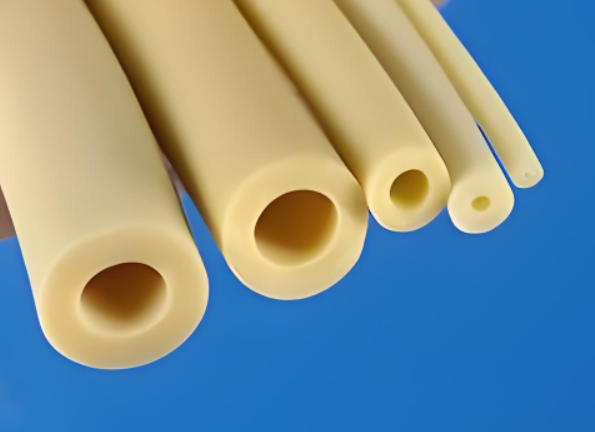
2. Nitrile Rubber (NBR)
Nitrile rubber tubing is oil- and fuel-resistant and has good chemical compatibility, making it suitable for transporting petroleum, lubricants, fuels, and oily wastewater. It offers relatively long service life and stable chemical resistance, commonly used in chemical plants, wastewater treatment, and machinery lubrication systems. NBR tubing performs well under moderate temperatures and pressures, though its lifespan may be affected in high-temperature or strong acid/alkali environments.
Features & Advantages:
- Excellent oil and fuel resistance
- Good chemical compatibility, stable service life
- Moderate elasticity, medium wear resistance
Suitable Media & Applications:
- Petroleum, lubricants, fuels, and oily wastewater
- Chemical plant liquid transfer
- Wastewater treatment and machinery lubrication
3. EPDM (Ethylene Propylene Diene Monomer)
EPDM tubing has outstanding resistance to acids and alkalis, ozone, and aging, and it performs well at high temperatures. It is ideal for long-term pumping of acid/base solutions or water treatment chemicals. EPDM’s chemical stability ensures reliable operation under continuous high-temperature or long-term conditions.
Widely used in water treatment, chemical dosing pumps, electroplating, and pharmaceutical applications, EPDM tubing is unsuitable for oil-based liquids but excels in acidic or alkaline environments.
Features & Advantages:
- Resistant to acids, alkalis, aging, and ozone
- High temperature tolerance, suitable for long-term continuous operation
- Chemically stable, low maintenance costs
Suitable Media & Applications:
- Acid and alkaline solutions, water treatment chemicals
- Water treatment systems, chemical dosing pumps
- Electroplating, pharmaceutical, and industrial chemical liquid transfer
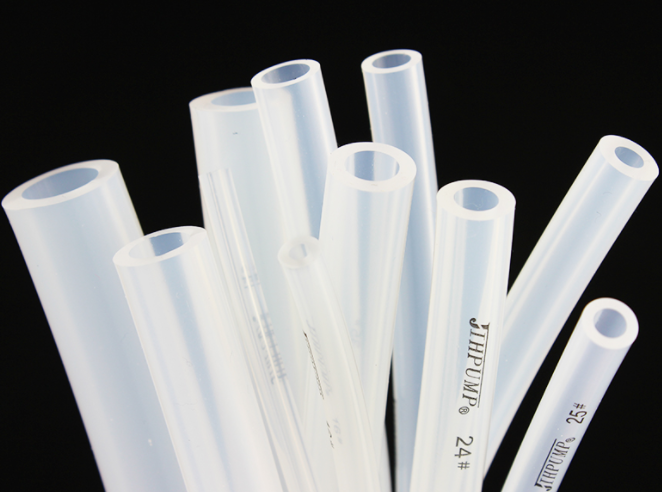
4. Silicone
Peristaltic pump silicone tubing has the properties of flexibility, good elastic recovery, strong resistance to both low and high temperatures, so it can work within the range of -60°C to 200°C. The inert properties of the silicone properties do not allow most liquids to corrode the tube.
The soft and easily cleaned properties of the tube make it suitable for use for any liquid for food, drinks, and medicines, among others. The tube also has limitations of not being used for the pumping ofhigh pressure liquids.
Features & Advantages:
- High flexibility and good rebound
- Excellent high- and low-temperature resistance
- Chemically inert and ideal for sanitary applications; easy to clean
Suitable Media & Applications:
- Food, beverage, dairy products, and pharmaceutical liquids
- Laboratory and precise liquid transfer
- Food processing and beverage filling lines
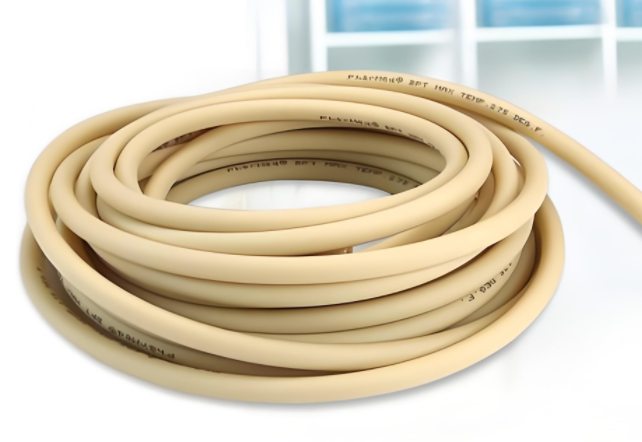
5. BPT (Bromobutyl/PTFE Composite Tubing)
The main strengths of the BPT composite tube are the elasticity and pressure-resistant properties of bromobutyl rubber combined with the strong chemical resistance of PTFE.
The tube can resist severely corrosive fluids, as well as high pressures, so it can be used in the pharmaceutical industry, in chemical processing, and for other applications in which high performance is a must. The tube provides long service life, which makes it very suitable for use in severe conditions. The tube also provides good value for money, considering its relatively high price.
Features & Advantages:
- High chemical resistance, suitable for strong acids and bases
- Good elasticity and excellent pressure resistance
- Long service life, suitable for demanding conditions
Suitable Media & Applications:
- Strongly corrosive chemicals, high-purity pharmaceutical liquids
- Pharmaceutical processes, chemical industry
- Laboratory and high-demand industrial liquid transfer
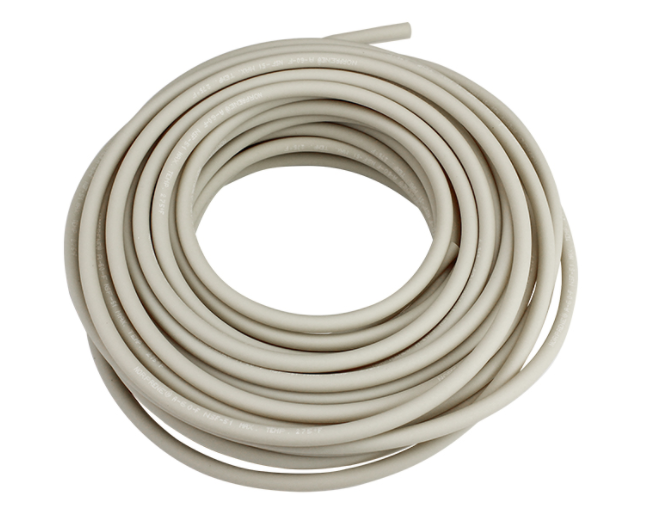
6. Tygon Series Tubing
Tygon tubing comes in various models to cover applications from general liquid transfer to highly corrosive chemicals. It is highly flexible, pressure-resistant, and can be selected based on chemical compatibility. Tygon tubing is widely used in industrial, laboratory, food, and pharmaceutical sectors.
Features & Advantages:
- High flexibility, easy to install
- Good pressure resistance
- Chemical resistance varies by model; some withstand strong acids and alkalis
Common Models & Applications:
- A-60-F / A-60-G: General industrial liquid transfer
- Tygon Chemical Tube: Chemical-resistant, suitable for labs and industrial chemicals
- Master Flex Chem-Durance Tube: Enhanced chemical resistance for strong acids and bases
Part 3. Key Factors to Consider When Selecting Peristaltic Pump Hoses
When selecting hoses for peristaltic pumps, it is important to evaluate multiple factors to ensure that the tubing is compatible with both the pump system and the conveyed medium. Proper selection helps achieve stable, efficient, and long-lasting operation, reducing maintenance needs and operational costs.
Working Pressure Range
It is necessary for the tubing to be able to withstand the maximum operating pressure of the pump system, including its peak or surge pressures. By using low-rated operation pressures for hoses, there is a possibility of the hoses bulging or even rupturing.
It would be appropriate to select a hose that has a tested pressure rating higher than the designed working pressure to ensure a margin of safety, usually 1.5 to 2 times higher than the maximum pressure. For high pressure setups, it would be appropriate to use reinforced or multi-layer hoses; regular hoses may be used for lower-pressure setups.
Type of Conveyed Medium
The compatibility between the hose material and the conveyed medium is critical. Different media have varying levels of abrasiveness, corrosiveness, and viscosity, which directly affect hose selection. Abrasive liquids such as slurry, mud, or cement paste require wear-resistant materials like natural rubber.
Corrosive chemicals like acids and bases need to be transported through strongly resistant hoses like those made of EPDM rubber, BPT composite, and Tygon. Oils and fuel or petroleum chemicals require Nitrile rubber, and food and beverages or pharmaceuticals need to be transported through health-grade and inert materials such as silicone and BPT. This allows the life span of the hose to increase.
Operating Temperature
The parameters that may affect the performance or longevity of hoses include the temperature of the conveyed medium or environment. For example, high temperatures may cause aging, loss of elasticity, or even a hose breakdown, or a hose may become brittle when exposed to sub-zero temperatures.
For normal and moderate temperature fluids, general-purpose rubber hoses will be more than sufficient. For high temperatures and either occasional or constant hot fluid transfer through pumping operations, EPDM or silicone rubber hoses will be the best option. For low temperatures and refrigerated fluids, the best option will be the silicone rubber hoses.
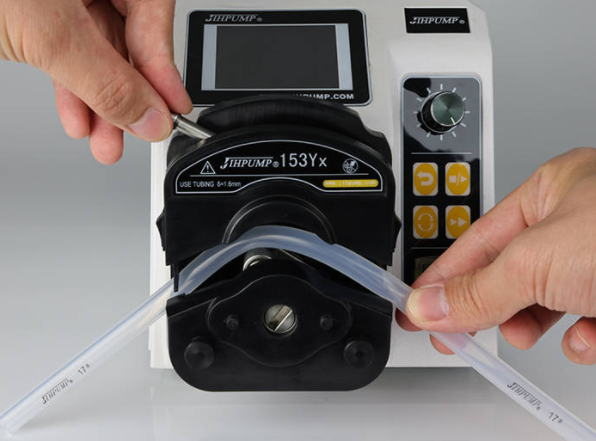
Pump Speed and Compression Frequency
The operating speed of the pump and the frequency at which the rollers compress the hose have a direct impact on hose fatigue life. High-speed or high-frequency pumping accelerates wear and reduces elasticity over time.
Fatigue-resistant hoses manufactured from natural rubber materials or BPT composite materials can be used in high-speed applications. For intermittent use cases, standard hoses can even be used for pumping.
Continuos vs Intermittent Operation
The duty cycle of the pump, whether it is a continuous or intermittent operation, also plays an important role in determining the material used in the hose. For a continuous operation, the material used must be stronger in terms of fatigue durability, whereas in an intermittent operation, the material of the hose needs not to be that robust.
Hose Inner Diameter, Thickness, and Reinforcement
The inner diameter and thickness of the hose decide its flow stability and resistance to pressure, whereas the reinforcing layers of fabric or fibers increase the mechanical strength of the hose. A thick or multi-layer reinforced hose is always required for high flow or high-pressure service.
In the process of precise metering or dosing, it would be necessary to match the inner diameter accurately so as to avoid variations in the flow of the liquid. Viscous liquids as well as liquids containing solids will be effectively transferred by use of reinforced hoses, which will withstand the abrasion process.
Part 4. Peristaltic Pump Hose Lifespan and Replacement Recommendations
Peristaltic pump hoses are typical wear parts, and their service life is influenced by multiple factors, including the hose material, operating pressure, pump speed, and the properties of the conveyed medium. Proper selection and maintenance are essential to ensure stable operation and reduce overall costs.
Common Hose Failure Modes
Hoses can fail in several ways during normal operation. The most frequent issues include surface fatigue cracks caused by repeated roller compression, local bulging from overpressure or material fatigue, and loss of elasticity, which often leads to unstable or inconsistent flow. Recognizing these failure modes early allows operators to perform timely maintenance and avoid sudden downtime.
Maintenance Recommendations to Extend Hose Life
Installation procedure should be correctly carried out to maximize hose life, and long-time operation above the rated pressure is avoided. Long life could also be ensured by regular inspection in the roller compression area of the hose. Further, correct flow performance can be ensured by the use of original or equivalent hoses that correspond to the design of the pump itself. This is because such a hose from a reputable manufacturer offers good fitness with minimum stress on the hose.
Lifespan Improvements
With proper hose selection and routine maintenance, the service life of peristaltic pump hoses can typically be extended by 30% to 50% compared to standard conditions. Following these practices not only improves reliability but also reduces maintenance frequency and overall operational costs.
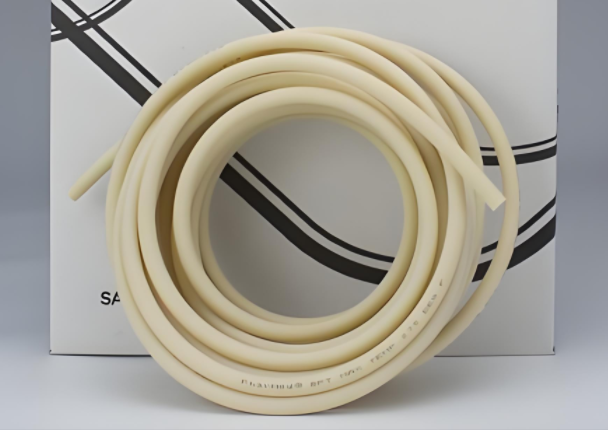
Part 5. Why Hoses Should Be Sourced Directly from Peristaltic Pump Manufacturers
Buying the hoses directly from the supplier of peristaltic pumps can provide the buyer with many unique benefits over obtaining a simple replacement.
High Compatibility with Pump Structure
The hose obtained from the original supplier is meant to complement the geometry and rollers of the pump perfectly. This ensures a proper compression and thus works towards a smooth operation of the hose by preventing wear and tear.
Unchangeable Compression Ratio and Volumetric Varying
Factory-supplied hoses ensure a constant compression ratio, thereby ensuring a stable flow rate. This is especially important when it comes to the dosing and metering process since even the slightest variation will impact accuracy.Better Batch Consistency
Hoses from the pump manufacturer are produced under strict quality control, ensuring consistent material properties and performance across batches. This reduces variability and avoids unexpected failures caused by material differences.
Access to Technical Support and Selection Guidance
Direct purchase of the product from the pump supplier ensures the availability of technical support. This is because the supplier is in a position to give appropriate advice regarding the connection of the hose as well as maintaining it.
Summary
Choosing the correct hoses to use with peristic pumps is more than a simple replacement of a spare; it is a decision that has implications for the efficiency of the pump system. Choosing the correct hose depends upon the relationship between the material as well as the structure of the hoses.
For industrial applications, the use of hoses that have been selected based on the fluid, pressure, temperature, and operating cycle provides better fluid transportation. In this case, by selecting the hoses the right way, maintaining them properly, and receiving proper assistance from manufacturers such as JIHPump, it is possible to optimize peristaltic pumping.