
How Does an Ice Cream Machine Work?
Ice cream, with its smooth texture and melt-in-your-mouth delight, has long been a beloved treat enjoyed by people around the world, but its production process is far more complex than you might imagine. From mixing raw ingredients to freezing and shaping, every step requires precise machinery and control systems to ensure quality and consistency.
In modern ice cream equipment, a type of fluid transfer device widely used in the food industry, the peristaltic pump, is quietly transforming the performance and hygiene standards of ice cream machines. Today, we will take you deep inside how does an ice cream machine work and explain the crucial role that peristaltic pumps play in the process.
Part 1. What is an Ice Cream Machine?
An ice cream machine is a device that transforms liquid ingredients into semi-solid ice cream through a process of mixing and cooling. It generally falls into two categories: soft serve machines and hard ice cream machines.
- Soft Serve Machines: Commonly used in fast food outlets or chain restaurants, these machines dispense ice cream that is ready to eat, with a light and airy texture.
- Hard Ice Cream Machines: Designed to produce denser, traditional ice cream suitable for long-term storage or packaged sales.
Modern commercial ice cream machines are typically characterized by automation, high output, and precise temperature control. Increasingly, they also incorporate fluid transfer systems to assist with ingredient feeding and mixing.

Part 2. How Does an Ice Cream Machine Work?
A typical ice cream machine completes the production process through several coordinated steps, combining mechanical motion with precise thermal control to transform liquid ingredients into the creamy dessert we know and love. Here’s a detailed breakdown of each stage:
1. Ingredient Input
The process begins with the introduction of a pre-mixed ice cream base into the machine. This base usually includes a blend of milk, cream, sugar, stabilizers, and emulsifiers.
In modern commercial settings, the transfer of this base is often done through automated fluid systems to ensure accuracy and efficiency. The consistency and cleanliness of this step are essential, as any contamination or imbalance can directly affect flavor, texture, and safety.
2. Mixing and Air Incorporation
Inside the freezing cylinder of the machine, a rotating agitator, known as a Dasher, continuously stirs the liquid mixture. As it spins, it not only prevents the formation of large ice crystals but also incorporates a precise amount of air into the mix.
This step is vital for the texture of the final product. The volume of air added, referred to as the overrun, determines whether the ice cream feels light and fluffy or dense and creamy. For soft serve, the overrun is typically higher; for premium hard ice cream, it’s much lower.
3. Rapid Cooling and Freezing
Once the air is integrated, the mixture undergoes rapid chilling. A compressor-powered refrigeration system surrounding the freezing chamber lowers the temperature to sub-zero levels.
The machine must freeze the mixture quickly enough to prevent the formation of large ice crystals, which would result in a grainy mouthfeel. This stage transforms the liquid into a semi-solid, creamy texture, just before it becomes fully hardened.
4. Dispensing and Portioning
After reaching the ideal consistency, the finished ice cream is dispensed through an outlet valve or nozzle. In soft serve machines, this often happens in real-time, directly into cones or cups. For hard ice cream, the semi-solid product may be transferred into molds, tubs, or packaging containers, then moved to a blast freezer for final hardening.
Each of these stages requires precision in ingredient flow, hygiene, and timing. That’s why the systems responsible for delivering raw materials, such as pumps, must operate with exceptional control and cleanliness. In many modern machines, peristaltic pumps have become essential components in ensuring this standard, especially during the feeding and mixing stages.

Part 3. Key Components Inside an Ice Cream Machine
An ice cream machine may appear straightforward on the outside, but its interior is a sophisticated combination of components working in harmony to produce consistent, high-quality ice cream. Each part plays a vital role in the process:
1. Freezing Cylinder (Barrel)
This is the core of the ice cream machine, where the actual transformation from liquid to semi-solid occurs. The freezing cylinder is surrounded by a refrigeration system and is designed to maintain a stable, low temperature throughout the production cycle.
It ensures that the mixture freezes evenly while preventing the formation of large ice crystals, which could ruin the texture.
2. Mixing and Aeration System
At the heart of the freezing cylinder is the Dasher, a rotating blade or paddle system that continuously stirs the mixture. This mechanical agitation introduces a controlled amount of air into the base—a process known as aeration, which is critical for achieving the desired overrun and smooth mouthfeel. It also prevents the mixture from settling or clumping during freezing.
3. Refrigeration Compressor
The compressor is the powerhouse of the cooling system. It pumps refrigerant through the machine to quickly reduce the temperature of the freezing cylinder.
A high-efficiency compressor helps regulate the freezing rate, which directly influences the creaminess and consistency of the final product. Faster cooling results in finer ice crystals and smoother ice cream.
4. Pumping System
This system is responsible for transporting the liquid base and any additional ingredients (like flavorings, colorants, or fruit purees) into the freezing chamber or mixing areas. Traditionally, machines used gear pumps or diaphragm pumps for this purpose.
However, in recent years, peristaltic pumps have gained popularity due to their sanitary design, gentle flow control, and ease of cleaning. Unlike conventional pumps, peristaltic pumps minimize product contamination by keeping the fluid confined within a flexible tube, making them ideal for applications that demand strict hygiene, such as ice cream production of ice cream.

Part 4. The Role of Peristaltic Pumps in Ice Cream Machines
In modern ice cream production, the demand for hygiene, precision, and gentle handling of ingredients is higher than ever. This is where peristaltic pumps play a pivotal role. Their unique mechanism makes them especially suitable for applications in the food industry, particularly in ice cream machines. Here’s a closer look at how they contribute:
1. High Hygiene Standards
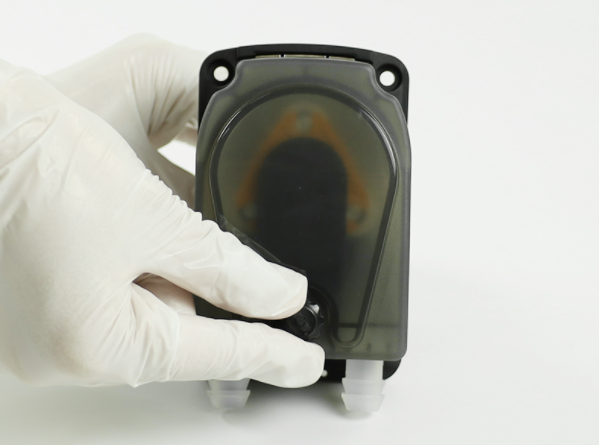
Peristaltic pumps move fluids by squeezing a flexible tube with rotating rollers. Since the fluid only contacts the inside of the tube, there’s no exposure to the pump mechanism itself. This design prevents cross-contamination, meeting strict food safety standards, which are essential for dairy products like ice cream.
2. Accurate Ingredient Dosing
Whether adding flavors, syrups, or fruit purees, peristaltic pumps offer highly accurate flow control. This ensures consistent taste and texture across every batch, which is crucial for product quality and brand consistency.
3. Gentle Transfer of Delicate Ingredients
These pumps are ideal for handling thick, viscous, or particle-filled fluids such as chocolate syrup or fruit sauces. The low-shear pumping action maintains the integrity of sensitive ingredients without breaking them down.
4. Easy Maintenance and Cleaning
Maintenance is simple, just replace or rinse the tubing. There’s no need to disassemble the pump, saving time and labor. This makes it especially practical for operations that frequently switch between different ingredients or recipes.
Part 5. Specific Applications of Peristaltic Pumps in Ice Cream Production
Peristaltic pumps are used in several key stages of ice cream production, offering clean and reliable performance for both ingredient handling and machine maintenance. Here are some specific ways they’re applied:
Flavor Injection Systems
Peristaltic pumps enable automatic and precise injection of flavored syrups, such as vanilla, chocolate, or fruit varieties, directly into the ice cream mix. They ensure even distribution without disrupting the base texture, allowing manufacturers to create consistent, multi-flavor options with ease.
Fruit Sauce and Topping Delivery
In systems that add jams, fruit sauces, or chocolate fudge, peristaltic pumps gently transfer these ingredients without damaging their structure. Their non-invasive pumping action helps maintain the appearance and texture of the add-ins while avoiding clogging or blockages.
CIP (Clean-in-Place) Systems
Peristaltic pumps are ideal for dosing cleaning agents in automated CIP processes. They deliver precise volumes of detergent or sanitizer into the system, improving hygiene efficiency and ensuring thorough internal cleaning without the need to dismantle parts of the machine.
Filling and Portioning Control
During the final filling stage, peristaltic pumps help regulate the flow of ice cream into cups, cones, or containers. Their consistent flow rate minimizes splashing, spillage, and product loss, while supporting high-speed automated packaging lines.
Through these applications, peristaltic pumps contribute to smoother operation, improved hygiene, and better product consistency across the entire ice cream production process.
Part 6. What JIHPump Can Offer for Ice Cream Equipment Manufacturers?
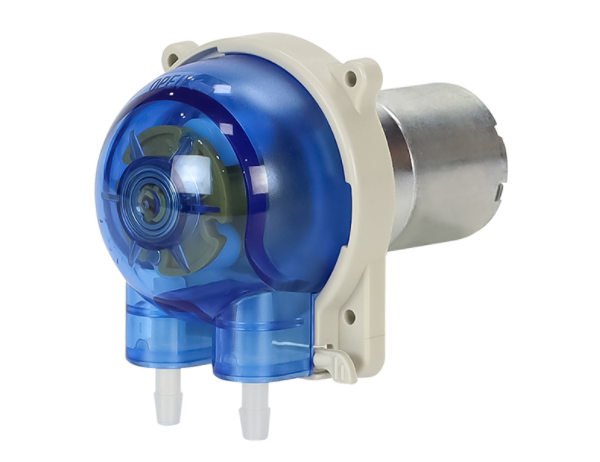
As a specialized peristaltic pump manufacturer, JIHPump understands the food industry’s strict demands for safety, accuracy, and efficiency. For ice cream machinery applications, it offers tailored solutions to help equipment manufacturers achieve superior performance:
- Food-Grade Tubing and Pump Heads: All materials in contact with the product meet food safety standards, ensuring clean and contamination-free fluid transfer.
- Customized Flow Rates and Pump Speeds: JIHPump offers flexible configurations to suit different processes—from flavor injection, syrup delivery, and precise control over flow and dosage.
- Modular Design for Easy Integration: Our pumps feature a compact and modular structure that makes them ideal for seamless OEM integration into commercial ice cream machines.
- Scalable Supply and Long-Term Support: JIHPump provides reliable bulk delivery and ongoing technical support, helping partners maintain consistent production and streamline equipment development.
With expertise and commitment to quality, JIHPump empowers ice cream equipment manufacturers to meet growing market demands while upholding the highest standards of hygiene and efficiency.
Wrap Up
While ice cream machines may appear simple on the surface, they actually integrate complex fluid handling and temperature control systems. In modern industrial ice cream production, peristaltic pumps are becoming an essential component, delivering higher hygiene standards, more precise ingredient control, and easier maintenance across the entire process.
If you’re an ice cream equipment manufacturer or a food automation system integrator, don’t hesitate to reach out to JIHPump and discover how peristaltic pumps can enhance your products and processes.