
How Industrial Peristaltic Pump Technology Improves Slurry and Grout Conveyance
Industrial peristaltic pump is a mechanical device that achieves fluid transportation by squeezing through hoses. It is widely used in grouting operations of cement slurry, chemical liquids, etc. The core principle of this device is to periodically compress and release the hose through rotating squeezing wheels, creating a process of negative pressure suction and positive pressure discharge of the fluid. This design avoids direct contact between the traditional pump body and the medium, and is particularly suitable for transporting particles-containing, corrosive or high-viscosity liquids. It has the characteristics of stable flow, good sealing performance, and convenient maintenance.
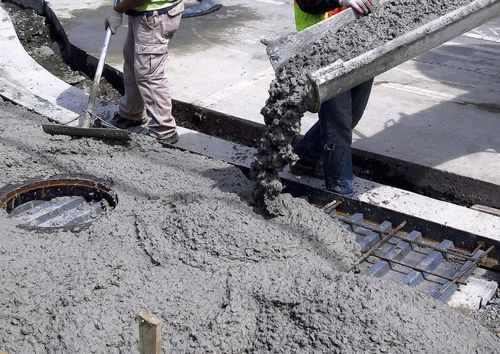
Why Peristaltic Pumps Outperform Traditional Slurry Pump Technology
The advantage of the industrial peristaltic pump is its mechanical simplicity. It operates in such a way that the fluid being transported, whether mortar or any other kind of hazardous material, does not come in contact with any mechanical parts of the pump itself. The fluid is enclosed inside an elastomer tube that gets compressed by a revolving roller or shoe.
This “total isolation” design eliminates the need for mechanical seals, which are the primary failure point in slurry conveyance. In high-solid environments, traditional seals are prone to rapid degradation, leading to leaks and environmental hazards. Furthermore, the peristaltic pump is one of the few technologies capable of unlimited “dry-running,” meaning the pump can operate without fluid in the lines without sustaining damage to the motor or the pumping element.
| Feature | Industrial Peristaltic Pump | Progressive Cavity (Screw) Pump | Piston / Plunger Pumps |
| Media Contact | Hose only (Total Isolation) | Rotor and Stator | Piston, Seals, and Valves |
| Solid Handling | Superior (up to 25% of hose ID) | Moderate (Abrasive wear) | Poor (Valve clogging) |
| Maintenance | Single Wear Part (Hose) | Complex (Rotor/Stator sets) | Multiple (Valves/Seals/Pack) |
| MTTR (Repair Time) | Short (< 1 hour) | Long (Requires disassembly) | Moderate to Long |
| Dry-Run Ability | Excellent (Continuous) | None (Stator will burn) | Limited (Seal damage) |
| Self-Priming | High Vacuum (up to 9.5m) | Moderate | Low |
Key Industrial Applications of Peristaltic Pumps
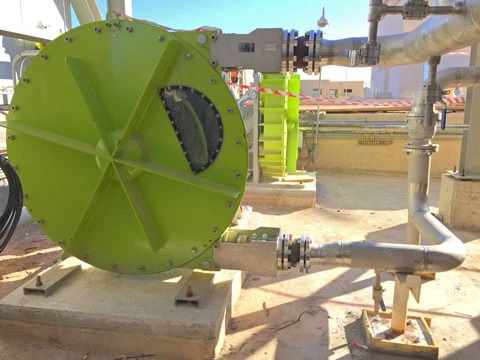
In heavy engineering and infrastructure, the industrial peristaltic pump is utilized where reliability is non-negotiable. Its ability to handle high-viscosity fluids with a linear flow rate—where output is directly proportional to RPM—makes it ideal for precision tasks.
Peristaltic Efficiency in Foam Cement Injection
A critical application for modern infrastructure is the production and injection of foam cement (lightweight concrete). This material is exceptionally shear-sensitive. Traditional high-speed pumping can collapse the micro-bubbles within the mixture, leading to increased density and a loss of insulating properties.
The industrial peristaltic pump operates with a gentle, low-shear “squeezing” action. This preserves the macro-homogeneity of the foam cement. By maintaining the volumetric integrity of the fluid, the pump ensures that the final cured product meets the specified engineering density. Furthermore, the pulsating nature of the flow helps prevent phase separation, ensuring that solids remain in suspension throughout the injection cycle.
Handling Corrosive and Abrasive Fluids with Ease
The primary advantage of peristaltic technology in 2026 remains its ability to process “un-pumpable” fluids. When handling aggressive chemical slurries or acidic modifiers used in specialized grouting, the only consideration for the engineer is the chemical compatibility of the elastomer hose.
- Corrosion Resistance: By selecting hoses made of EPDM, Hypalon, or specialized Nitrile (NBR), the pump body remains shielded from corrosive attack.
- Abrasive Handling: In mortar conveyance, the “squeeze” action is much more forgiving than the “grinding” action found in screw pumps. While a screw pump’s stator is constantly abraded by sand particles, the peristaltic hose absorbs the impact of solids, significantly extending the time between maintenance intervals.
Engineering Considerations for Industrial Peristaltic Pump Selection
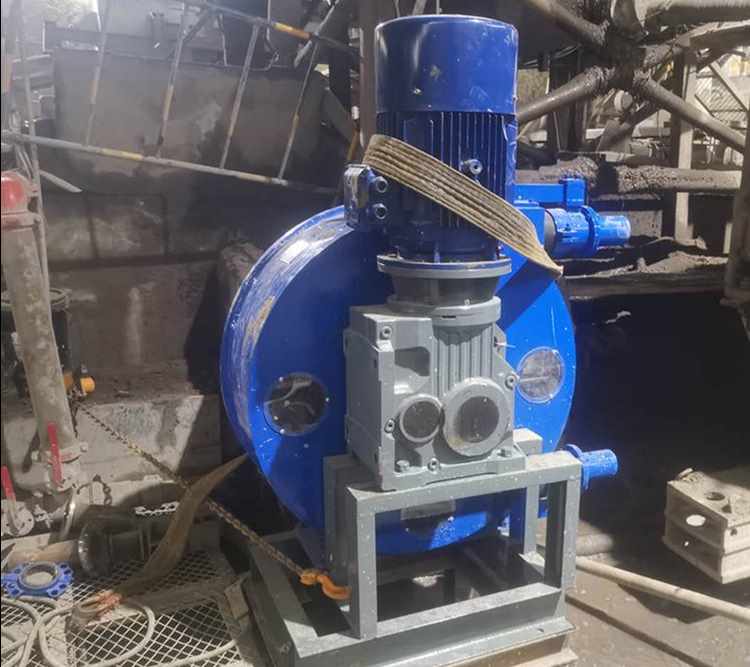
Selecting the correct industrial peristaltic pump requires a deep analysis of the application’s duty cycle and fluid characteristics. To achieve maximum efficiency, engineers must evaluate three core factors:
1. Particle Morphology and Size
While peristaltic pumps are excellent for solids, the presence of sharp, angular particles can significantly reduce hose life. In these instances, a larger diameter hose combined with a lower RPM is recommended to minimize mechanical stress on the elastomer lining.
2. Discharge Pressure and Hose Reinforcement
Industrial grouting often requires pressures exceeding 10–15 Bar. At these levels, the hose must be precision-machined and reinforced with multiple layers of high-tensile textile. Standard “laboratory” grade tubing is insufficient; only heavy-duty industrial hoses can withstand the repetitive compression at these pressures.
3. Thermal Management and Lubrication
In continuous 24/7 operations, the friction between the press shoe and the hose generates heat. High-quality industrial peristaltic pumps utilize specialized lubricants (silicone or glycerin-based) within the pump housing to dissipate this heat. Managing the temperature of the elastomer is vital for preventing premature fatigue and ensuring the pump achieves its rated service life.
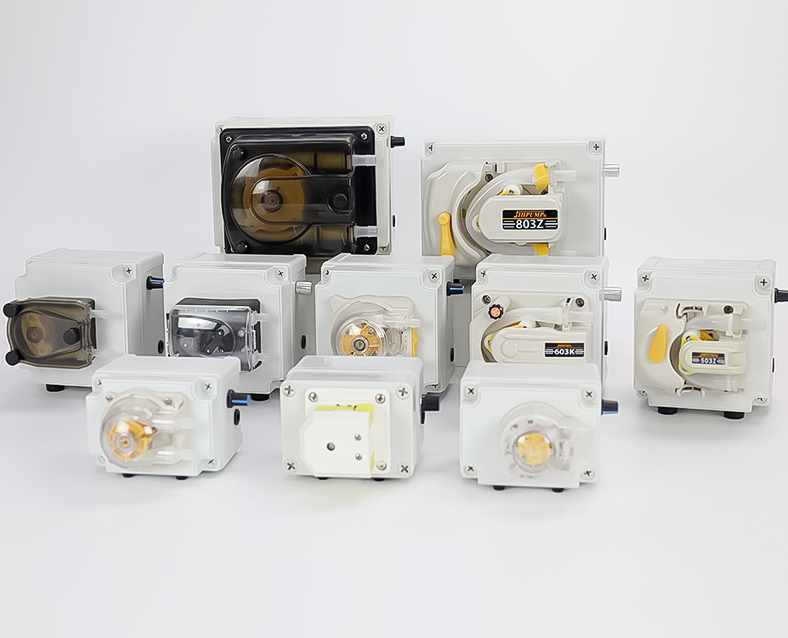
For applications with high requirements such as grouting, mortar transportation and high-density slurry processing, traditional slurry pump technology often falls short. Industrial peristaltic pumps offer a more reliable alternative by simplifying the fluid path, reducing mechanical wear, and maintaining stable performance under harsh conditions.
For enterprise purchasing managers and on-site engineers, the main advantages are obvious: by adopting a simplified maintenance model (with the hose being the only consumable), the total cost of ownership (TCO) is reduced. As infrastructure projects increasingly demand advanced technology, peristaltic pumps remain the best choice for transporting the most challenging materials in the world.