
How Much Does a Peristaltic Pump Cost? A Complete Buying Guide (2025)
Peristaltic pumps are now standard equipment in numerous industries—pharmaceutical production and laboratory dosing, water treatment, and food processing, among others. Their contamination-free, smooth handling of fluids also make them an excellent candidate for sensitive and accurate uses. For new buyers, however, the all-important basic query comes early in the decision process: how much does a peristaltic pump cost?
In our 2025 buying guide, we will explore the cost of peristaltic pumps according to application type, examine the cost drivers, compare them against other pump technology, and give advice on how to select the most cost-effective for your application. Whether you’re setting up a laboratory or buying for industrial automation, our guide will give you in-depth cost analysis—initial and ongoing.
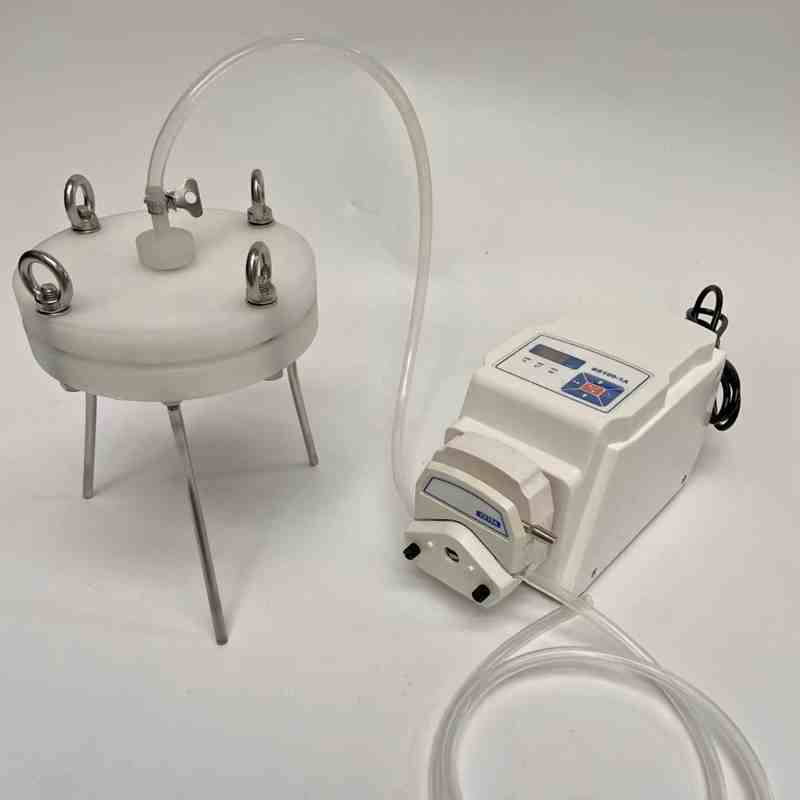
Peristaltic Pump Price Range in 2025
2025 prices for peristaltic pumps vary greatly depending on application, performance parameters, and complexity of the product. As an approximate, the following breakdown is given:
Laboratory-scale pumps
Entry-level models, best suited for small-scale dosing and for use in the laboratory, cost between $150 and $1,000. They typically operate with low flow capacities (0.1 – 500 mL/min) and simple digital or manual control features.
Industrial Peristaltic pumps
Industrial strength units utilized in processes such as chemical production, water treatment, and mining can vary from $1,000 to $10,000+, based on flow rate, automation, and material used in its construction.
OEM Mini Peristaltic Pump
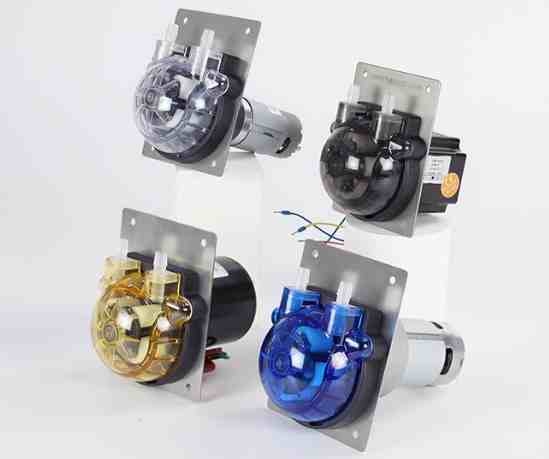
Small medical, beverage, or inkjet printer heads can cost between $30 and $500. They often come customized for application and are sold in bulk at lower rates.
Also, prices may vary based on certification (e.g., FDA, CE), tubing, and proprietary technology.
Key Factors That Affect Peristaltic Pump Cost
Several critical factors contribute to the overall cost of a peristaltic pump. Understanding these elements is crucial for aligning your purchase with your budgetary constraints and application requirements.
- Flow rate and pressure capacity
Increased flow capacity and the ability to handle greater back pressure usually translate into stronger motors and larger pipes. This increased engineering and material cost directly translates to a higher price point. For instance, a 20 L/min pump will cost more than one that handles only 20 mL/min.
- Number of Channels (Single vs. Multi-Channel)
Single-channel pumps, named as such, consist of only one tube through which the fluid is pumped. Multi-channel pumps dispense fluid through multiple tubes, all at identical, independently adjustable flow rates. Multi-channel pumps require greater design and build complexity, more rollers, heavier and larger pump heads, and, perhaps, more sophisticated drive mechanisms, and cost more.
- Pump Head Material (e.g., PPSU, SS, Acrylic)
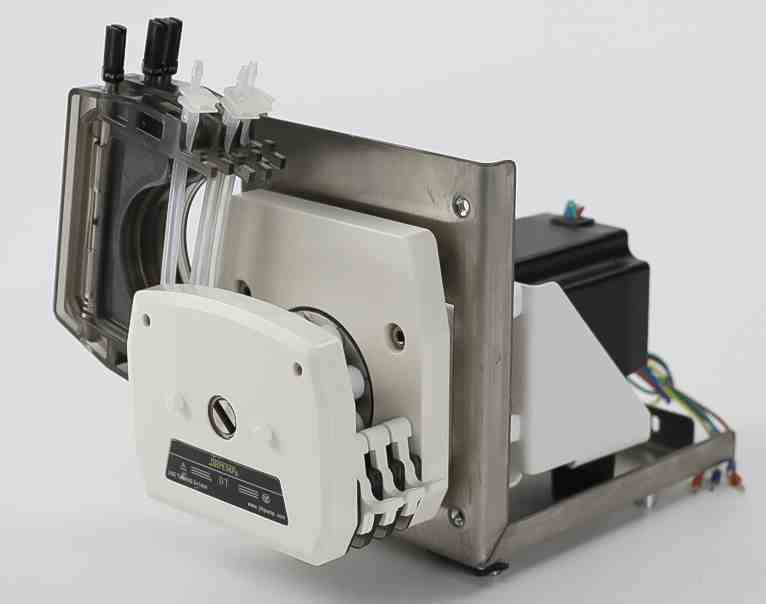
The stainless steel (SS) or PPSU (polyphenylsulfone) heads are stronger and more chemically resistant compared to the typical plastic heads for pharmaceutical or corrosive use. The heads increase the cost but reduce wear in the long term.
- Tube Material Compatibility
The tubing for the peristaltic pump is an essential consumable. Each of the alternatives, like Silicone, Norprene, Viton, and PharMed, has different chemical resistance and lifespan. Compatibility and expected replacement cycle may affect short and long-term expenses.
- Motor Type (Stepper, Servo, Brushless DC)
Stepper motors are very controllable and cost-effective for laboratory-scale applications in pumps. Brushless DC and servo motors, however, are smoother and best suited for industrial purposes, at a greater expense.
- Control System (Manual, Digital, Programmable)
Simple manual models are inexpensive, while touch screen displays, RS485/Modbus support, or remote I/O for PLC-based systems in programmable pumps are very expensive.
- Brand Reputation and Support
The well-known manufacturers Watson-Marlow, Verderflex, and JIHPUMP also market at premium prices for their proven reliability, certification, and after-sales service. Lower-cost alternatives can be sold for lower prices, but ongoing support is limited.
- OEM/Customization Needs
If you’re an OEM integrating a peristaltic pump into your product, custom modifications (mounting design, tubing size, electronics) can influence pricing. However, bulk purchasing usually results in a lower per-unit cost.
Comparing Costs: Peristaltic Pump vs Other Pump Types
While peristaltic pumps may have a higher initial cost than alternatives like diaphragm pumps or gear pumps, they offer unique advantages that often make them more cost-effective over time:
| Pump Type | Initial Cost | Maintenance | Contamination Risk | Dry Running |
| Peristaltic | Moderate–High | Low | Very Low | Yes |
| Diaphragm | Low–Moderate | Moderate | Medium | No |
| Gear | Moderate | High | High | No |
Because the fluid only contacts the tube, peristaltic pumps eliminate the need for frequent cleaning and reduce cross-contamination. They’re also self-priming and can run dry without damage, lowering operational risk and repair costs.
Hidden or Ongoing Costs to Consider
When factoring in peristaltic pump costs, you must also consider the ongoing operational and maintenance costs:
Tubing Replacement Frequency & Cost
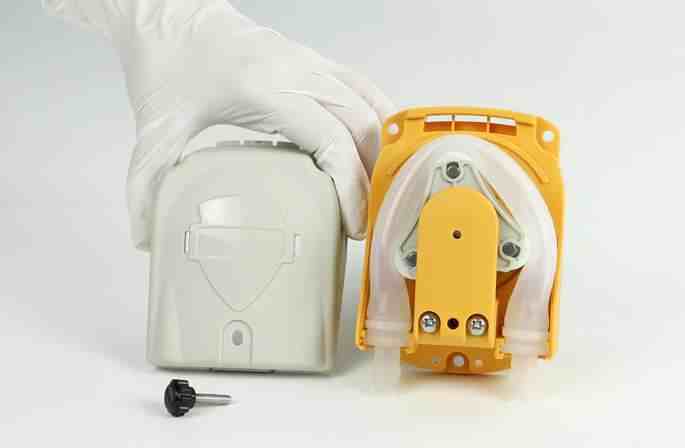
It degrades with time through chemical compounds and mechanical stress. It may require monthly replacement in heavy-duty applications, while a low-duty laboratory setup may endure for 6+ months. The cost of tubing varies from $5 to $50+.
Maintenance Labor or Downtime
While low in upkeep, tube replacement or calibration downtime can affect the production cycle in continuous flow industrial processes.
Calibration or Flow Accuracy Verification
High-accuracy products (pharmaceuticals, diagnostics) can necessitate repetitive calibration, thus having both labor and equipment expenses.
Shipping and Spare Parts
Some brands have very high shipping rates and/or very expensive spare parts kits. Cost will decrease with modular design or local purchasing.
How to Choose a Cost-Effective Peristaltic Pump
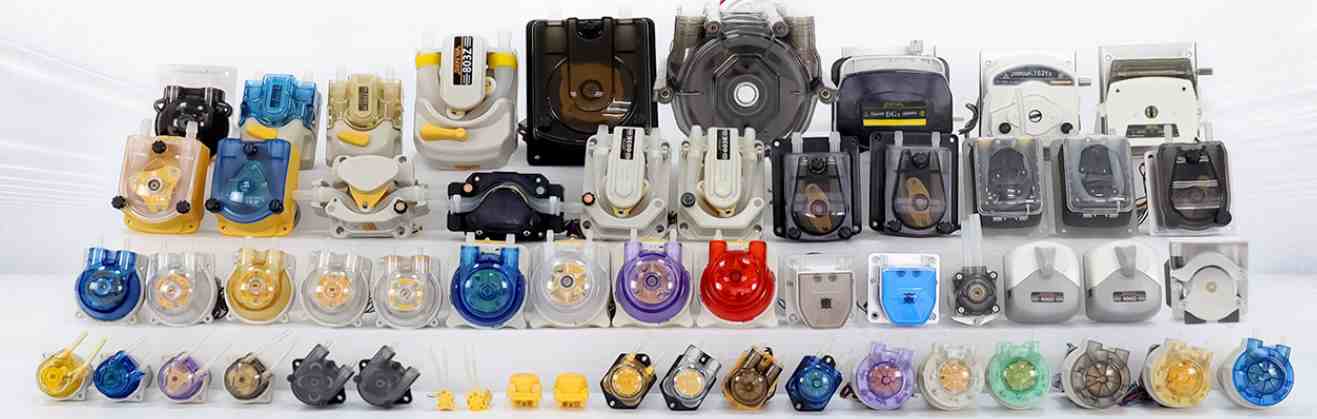
The selection of an economical peristaltic pump is about compromise between the up-front purchase cost and overall operating expenses and that the pump is compatible with your particular application needs. The following are some guidelines:
- Define Your Application Requirements Clearly: Identify the required flow rate, pressure, fluid compatibility, accuracy, and control requirements. Specifying more than your needs will result in unnecessary expense.
- Keep in mind the Total Cost of Ownership (TCO): Consider not just the initial price but also the probable cost of tubing replacement, maintenance, energy consumption (though usually small for peristaltic pumps), and downtime.
- Compare Different Models and Brands: Compare many brands and models, their specifications, prices, and customers’ reviews.
- Use the Proper Tube Material: Choose a tube material that is compatible with your fluid and offers a decent balance of life and expense.
- Use the Proper Motor and Control System: Choose a motor and control system that meets your performance and accuracy requirements without unnecessary complexity.
- Seek out Brand Reputation and Service: Opt for reputed brands with quality products and technical services. It will save costs and headaches in the long run.
Final Thoughts
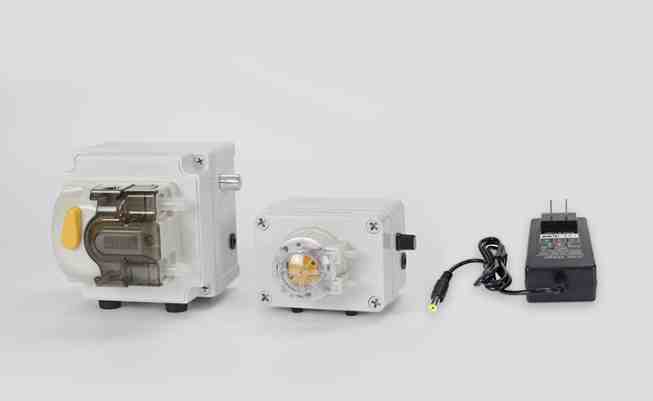
The cost of a peristaltic pump in 2025 ranges from under $100 for simple OEM components to several thousand dollars for industrial equipment. But cost is only half the problem. By understanding what drives costs and comparing long-term value on a per-pump-type basis, you can make a wiser, better-educated investment.
Pay for the right pump today and it may spell reduced maintenance, more accuracy, and better overall performance—costing you less overall.
FAQ About Peristaltic Pump Cost
Q1: What is the cheapest peristaltic pump available?
Some OEM mini pumps for low-volume fluid handling can cost as little as $30–$50, especially when ordered in bulk.
Q2: Are peristaltic pumps expensive to maintain?
Not particularly. Most maintenance involves periodic tubing replacement, which is relatively inexpensive and quick to perform.
Q3: Is it worth buying a used peristaltic pump?
It can be—if the pump is from a reputable brand and has been lightly used. However, tubing and motors may wear out faster, so be cautious.
Q4: Can I build a DIY peristaltic pump to save money?
Yes, especially for hobby or experimental use. However, accuracy and reliability are often compromised compared to commercial models.
Q5: How long does a peristaltic tube last?
Tube life depends on the material and application. Some can last 100 to 1,000 hours of use. Regular visual checks and scheduled replacements help avoid failures.