
How to Clean Medical Instruments? Discover Role of Peristaltic Pump
In the healthcare systems of today, medical instrument sterilization is not merely a basic step towards patient safety guarantee but also plays a critical role in infection control management. Especially in high-frequency use fields of medical devices, such as hospitals, laboratories, and dental clinics, processes of cleaning must be scientifically standardized and highly reliable.
With continuous innovations of cleaning technology, advanced equipment like peristaltic pumps plays an even more important role in medical cleaning systems. This article will provide a comprehensive explanation of how to clean medical instruments and introduce the application value of peristaltic pumps in medical instrument cleaning systems.
Part 1. Why is Cleaning Medical Instruments So Important?
Medical equipment is prone to blood, tissue fluid, bacterial, viral, and other microbic contamination when in use. Failing to decontaminate these deposits can reduce any further sterilization and disinfection treatment to naught, which in themselves can serve as vehicles for pathogenic organisms.
This threatens cross-contamination, healthcare-acquired infection, and severe medical events, also severely compromising patient safety and overall quality of care.
In addition to this, there are also strict guidelines on disinfecting and washing medical devices from regulating bodies as well as international standards organizations such as:
- ISO 15883: Prescribes washer-disinfectors’ testing and performance specifications.
- EN 13060: Provides detailed sterilization instructions for small-sized medical devices.
- U.S. FDA: Exercised stringent control over washing and disinfection processes to ensure safety and conformance.
Compliance with these standards not only is required for medical safety but also is a prerequisite for healthcare institutions to be legally compliant.
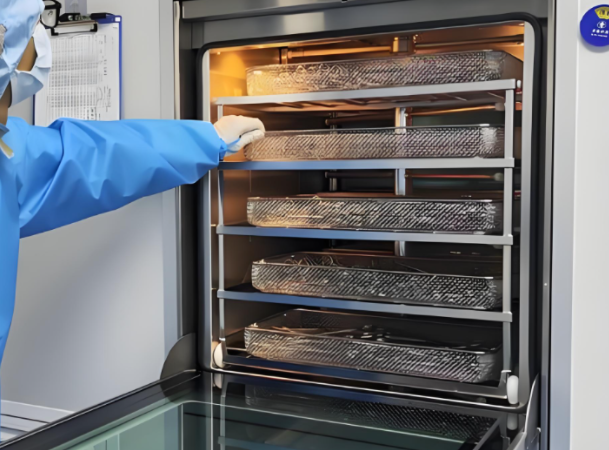
Part 2. Standard Cleaning Process for Medical Instruments
Cleanliness of medical instruments provides a vital basis for successful disinfection and sterilization. Cleaning as a scientifically strict and standardized process ensures that the instrument is safe for reuse. The standard cleaning process generally includes the following steps:
1. Pre-treatment
Purpose: To stop contaminants from drying out and hardening so that cleaning later becomes easier.
Procedure:
- Gross contaminants such as blood, tissue debris, etc. must be removed from instrument surfaces immediately after the instruments have been used.
- Instruments must be rapidly submerged in an enzymatic detergent solution in order to start breaking down organic matter such as proteins and fats, inhibit biofilm formation, and facilitate easier cleaning.
2. Cleaning
Manual Cleaning:
- Clean instruments with soft-bristled brushes and mild neutral detergents, especially complex or delicate features that are difficult for machinery to access.
- Accord due attention to removal of residual proteins, lipids, carbohydrates, and other organic/inorganic residues.
Mechanical Cleaning:
Employ ultrasonic cleaners, washer-disinfectors with automation, or peristaltic pump-based equipment to deliver thorough and uniform cleaning, including internal lumens and complex parts.
Detergent Selection:
Choose detergents according to material compatibility of the instruments and nature of contaminants, i.e., enzymatic detergents, neutral pH detergents, or mild alkaline detergents, avoiding corrosives that may damage instruments.
3. Rinsing and Neutralization
Serial thorough rinse with purified water, i.e., deionized or reverse osmosis water, to remove all residues of the detergent that may contaminate and interfere with sterilization or damage instruments.
If alkaline detergents are used, a neutralization process may be required to remove any remaining alkalinity in order to prevent chemical damage to instruments.
4. Disinfection or Sterilization
Choose appropriate disinfection or sterilization methods based on the intended use of the instrument and type of material:
- Thermal Sterilization: Autoclaving with saturated steam at high pressure at 121°C or 134°C, applied for instruments that are heat-resistant.
- Low-Temperature Sterilization: Methods such as ethylene oxide (ETO) gas sterilization, hydrogen peroxide plasma sterilization, or vaporized hydrogen peroxide for heat-sensitive materials.
- Chemical Disinfection: Using alcohols, chlorine agents, or other chemical disinfectants on non-critical items or surface disinfection.
5. Drying
- Dry instruments completely using clean, filtered hot air dryers to prevent microbial growth and corrosion due to moisture.
- Drying is particularly crucial after sterilization with steam in order to maintain sterility and instrument integrity.
6. Inspection and Maintenance
- Visual and functional inspect the instruments for any residual soil, corrosion, deformation, or mechanical damage.
- Lubricate and maintain moving parts for optimal performance and patient safety.
7. Packaging and Storage
l Package the instruments in aseptic sealed packaging materials that will remain sterile until use.
l Instruments packed should be kept in clean, dry, ventilated locations and away from recontamination by dust, moisture, or cross-contamination.
This intensive cleansing process is generally applied in modern health care facilities to impart medical devices with safety, hygiene, and regulatory requirements standards.
Peristaltic pumps are among the equipment that can be integrated into cleansing systems to attain optimal fluid delivery and utmost cleaning effectiveness with some process adjustments based on the device.
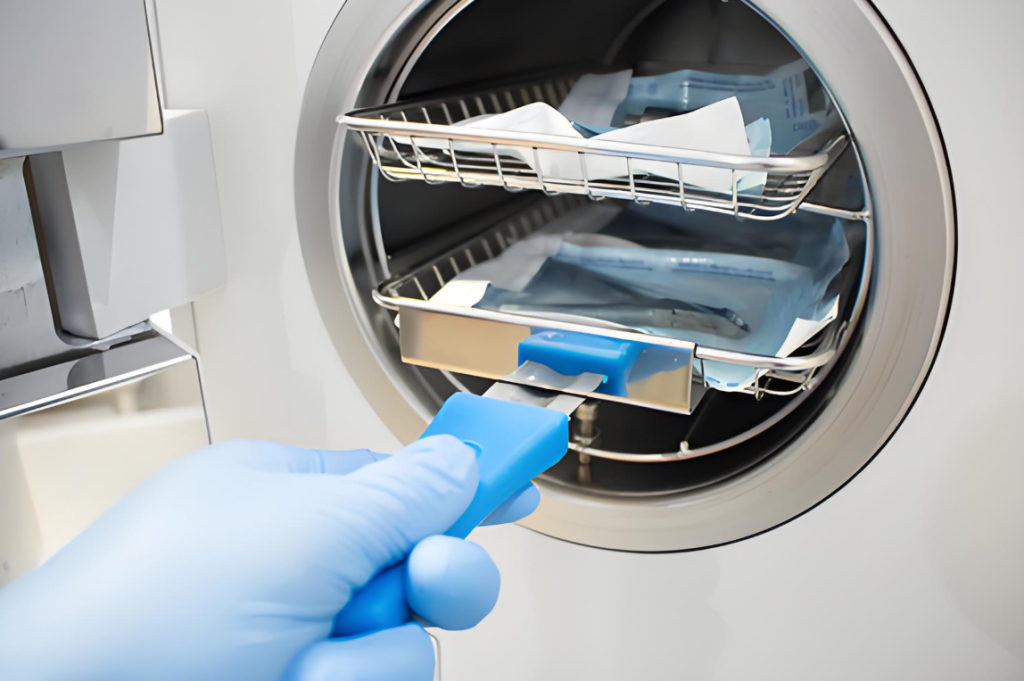
Part 3. Common Medical Cleaning Equipment and Technologies
With the advancement of medical automation and optimized management, many effective and intelligent cleaning equipment and technologies have been widely applied in hospitals.
These technologies significantly enhance cleaning quality and efficiency, ensuring safety for patients. Some of the following are widely applied and valuable medical cleaning equipment and technologies:
1. Automated Endoscope Reprocessors (AER)
Application: An AER is best suited for cleaning complex surgical instruments like endoscopes which are difficult to clean manually.
Working Principle: AERs are equipped with pre-set programs for each step of the cleaning process which include pre-rinse, cleaning, rinsing, disinfection, and drying. Strong chemical disinfectants, such as hydrogen peroxide, are used to treat both internal lumens and external surfaces of the endoscope adequately.
Advantages: Use of standard, preset processes ensures minimal human error as well as effective standardisation of human effort for processes within fast-paced hospital environments.
2. Ultrasonic Cleaners
Principle: Employ ultrasonic wave technology to form tiny cavitation bubbles in a fluid. The strong localized forces generated when these bubbles implode alleviate the contaminants and particles from the surfaces of the instruments and delicate nooks and crannies.
Applications: Most desirable for the removal of blood, tissue fluid, and minute particles from dental, surgical, and laboratory instruments, more so in places that cannot be accessed through manual cleaning.
Features: Ensures effective and dependable cleaning; provides effortless access to unreachable sites; labor reducing; and user friendly.
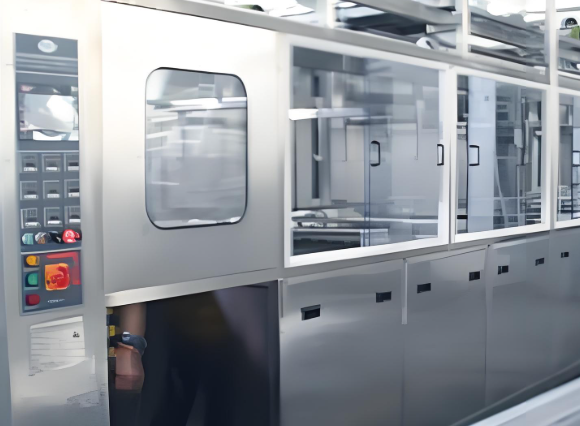
3. Clean-In-Place (CIP) Systems
Usage: Common with automatic cleaning of pipes and fixed apparatus in pharmaceutical, laboratory, and medical apparatus production lines.
Operation: Cleaning solution is pumped through the interior surfaces of equipment without disassembly, allowing effective in-situ cleaning and disinfection.
Advantages: Conserves time and manpower, minimizes equipment wear and cross-contamination risk from frequent assembly/disassembly, and is particularly adaptable to continuous production operations.
4. Dedicated Endoscope Cleaning Systems
System Features: Integrate multi-channel perfusion, circulation cleaning, and automatic disinfection functionality specifically for endoscopes’ long lumens and complex geometry. This ensures cleaning agents thoroughly rinse off all channels and outer surfaces.
Process Integration: Typically entails pre-rinse, enzymatic detergent cleaning, rinsing, neutralization, disinfection, and drying processes. With sensors and control systems for full process monitoring and quality traceability.
Benefits: Enables highly effective and safe cleaning, reduces infection risks from unclean endoscopes significantly, and complies with global medical regulations and standards.
The proper combination and scientific application of these devices and technologies significantly improve the quality and efficiency of medical equipment cleaning, eliminate human mistakes, and reduce cross-infection risks. They are essential parts of today’s healthcare infection control measures.
Part 4. The Irreplaceable Function of Peristaltic Pumps in Medical Instrument Cleaning
Medical peristaltic pumps are the essential parts of modern medical instrument cleaning systems, and their function is irreplaceable. Their built-in structure and function offer unparalleled advantages in guaranteeing the cleanliness, precision, and efficiency of cleaning.

1. The Fluid is in Contact with Only the Tubing, Preventing Cross-Contamination
One of the greatest advantages of peristaltic pumps is that the fluid being moved is completely sealed inside the flexible hose, never making contact with the pump’s internal fittings. This reduces the risk of backflow contamination and cross-infection to a great extent.
In medical care, avoiding secondary contamination of tubing and pump bodies is critical in maintaining instrument sterility as well as patient safety. The aspect makes peristaltic pumps ideal for the management of highly pure liquids such as disinfectants, enzymatic solutions, and purified water.
2. Precise and Adjustable Flow Rate to Meet Multi-Stage Cleaning Requirements
Medical device cleaning typically involves multiple stages with unique fluid flow rate and pressure demands. For example, decomposition of organic matter calls for slow flow rate in the injection of enzymatic solution step but rapid and uniform delivery of purified water in the rinsing step to remove residues completely.
Peristaltic pumps enable accurate control of flow through adjusting pump speed and, therefore, meet the specific demands of every stage of cleaning and offer a residue-free and smooth process.
3. Easy Design and Low-Frequency Maintenance, High-Frequency Suitability
Peristaltic pumps have a comparatively simple design, and tubing is easy to remove and replace without having to remove the pump body. This considerably saves time for maintenance and system downtime.
Such performance features are especially critical in hospitals, laboratories, and other healthcare settings where high-frequency, multi-shift operations require consistent, reliable equipment performance.
4. Typical Applications
Automated Endoscope Reprocessors (AERs):
Peristaltic pumps precisely deliver pre-wash solutions, enzymatic cleaners, and purified rinse water, facilitating multi-stage, continuous automated cleaning and disinfection, thorough cleaning of long endoscope lumens.
Clean-In-Place (CIP) Systems:
In CIP systems, peristaltic pumps distribute hot cleaning reagents and disinfectant through the medical device’s inner tubings in order to completely clean un accessible areas that cannot be disassembled.
Endoscope Perfusion Systems:
The required stable, constant pressure, and flow rate for rinsing in endoscope perfusion rinsing is met by peristaltic pumps while avoiding stream instability factors that can alter the quality of cleaning.
Peristaltic pumps, with their new fluid handling technology, precise flow regulation, and ease of maintenance, are now an integral component of modern medical instrument cleaning systems, significantly enhancing cleaning quality and infection control effectiveness.
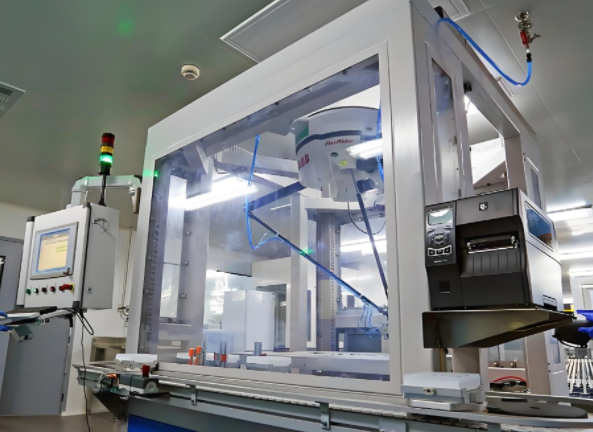
5. Technical Specification for Pumping Equipment for Medical Cleaning Systems
Medical cleaning systems place high demands and rigorous requirements on the pumps used, given the lofty standards of hygiene and operation in the health care setting. The main technical specifications are:
High Sanitary Standards:
The pump must also be equipped with a clean, free of contamination, fluid path. The materials which are in contact with cleaning fluids must be corrosion-resistant, biocompatible, and easy to replace or sterilize. Fluid-contact components and tubing must allow quick-change functionality to minimize downtime and maintain hygiene integrity.
Advanced Intelligent Control:
Pumps should be designed to be easily integrated into automated cleaning systems, be PLC- and remote-control-operated. In this way, multi-stage cleaning procedures like detergent delivery, rinsing, disinfection, and drying can be carried out precisely and safely.
Operational Stability and Durability:
Medical cleaning procedures sometimes include extended cycles of continuous usage. Pumps have to provide long-term performance, with high flow rate and pressure repeatability over time, even in the presence of changing fluid viscosities or system backpressure.
Regulatory Compliance:
Equipment has to comply with the most important international standards, including ISO 13485 (pharmaceuticals), FDA (safety and hygiene of product contact materials for pharmaceutical or food product grade), and CE (European safety and performance directives). Traceability and audit documentation has to be present.
Final Thoughts
Medical equipment disinfection systems need high-performance fluid handling devices. Peristaltic pumps stand out due to sanitary use, zero cross-contamination, simple design, and low maintenance. As an experienced fluid transfer solution supplier, JIHPump peristaltic pump manufacturer offer better chemical resistance, precise flow control, and hassle-free integration into automated disinfection and cleaning systems.
With high-quality pumps in JIHPump peristaltic pumps, manufacturers and healthcare facilities have the potential to improve the efficiency and reliability in their cleaning operations, compliance, safety, and ensure sustainable performance in their cleaning process operations. JIHPump is a reliable partner for innovative medical cleaning applications.