
How to Properly Clean Peristaltic Pump Tubing for Longer Lifespan
In order to ensure the normal service life of the flexible hose of the peristaltic pump and maintain its hygiene, and to prevent the liquid being transported from being contaminated again, it is necessary to regularly maintain and clean the hose. So, how should the peristaltic pump tubing be cleaned? Due to the application of peristaltic pumps in different industries and the liquids being transported also varying, the cleaning approach needs to be identified based on the specific situation.
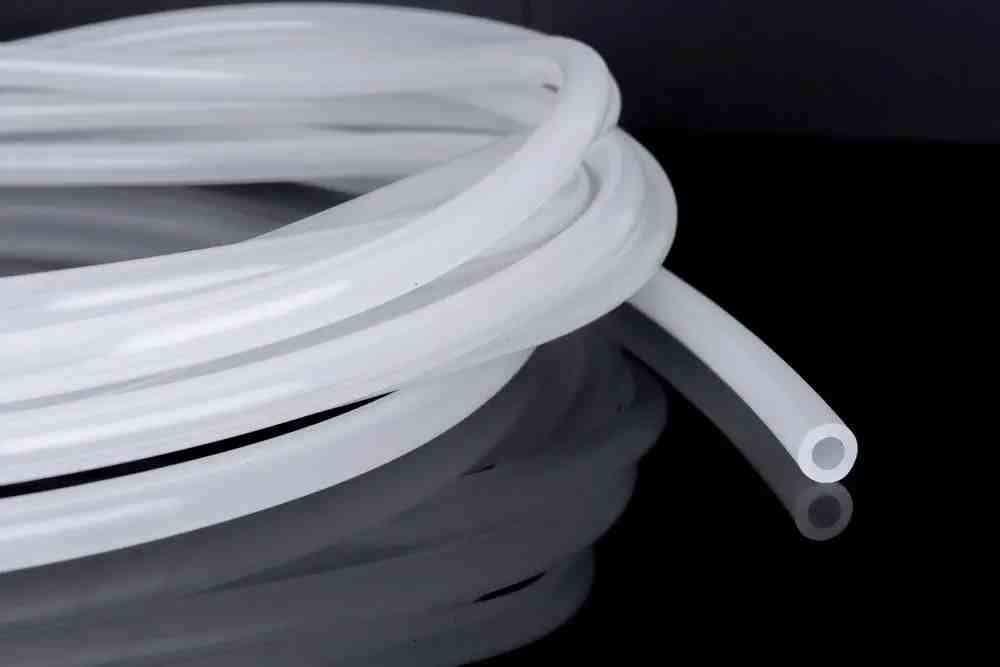
Why Cleaning Peristaltic Pump Tubing Is Critical
Cleaning is not merely for aesthetics; it also has a direct impact on the performance and cost of the system.
Prevents Residue Build-Up
In the course of the operation, the fluid tends to leave residues such as particles, crystals, or films inside the tubing. Eventually, the residues will:
- Limit the traffic
- Increase the pressure within the tubing
- Resulting in uneven pumping
Regular cleaning can ensure that the inner surface remains smooth and unobstructed.
Avoid Cross-Contamination
In the food, beverage and pharmaceutical industries, pollution is a serious problem. If cleaning is not done properly:
- Bacteria or chemical substances may remain inside the pipes.
- Different fluids may accidentally mix with each other.
- The quality and safety of the product may be affected.
It is crucial to thoroughly clean after each use to maintain hygiene standards.
Maintain the Accuracy of Traffic Flow
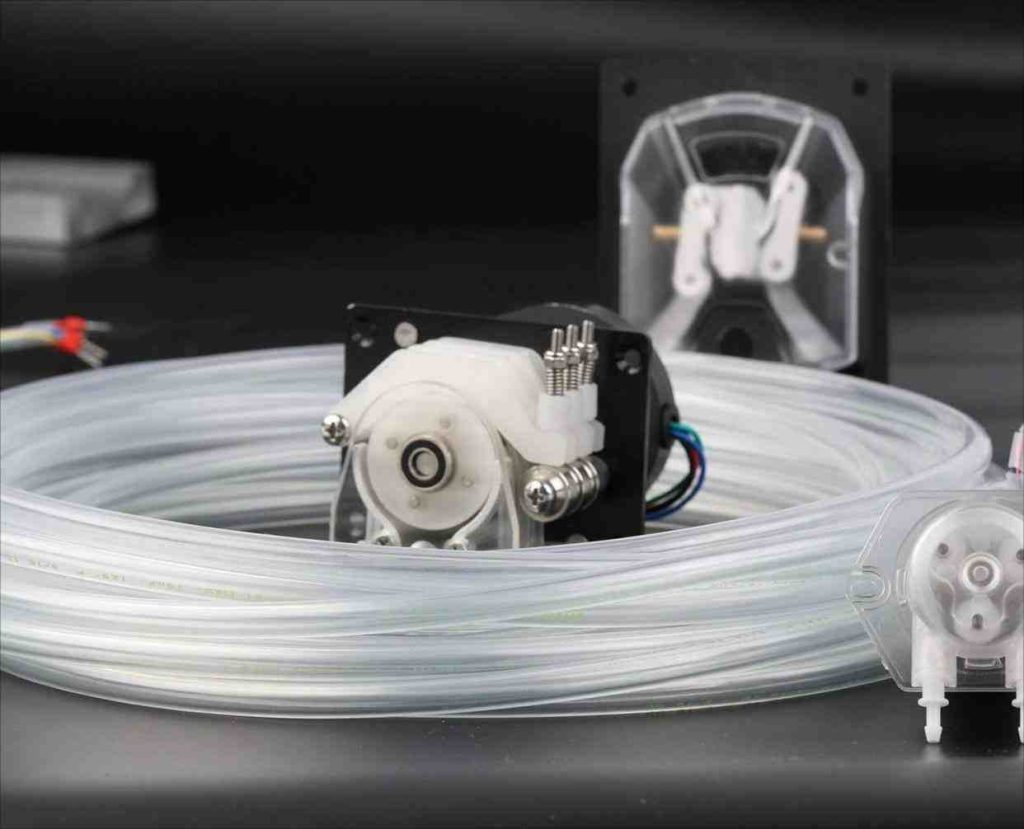
The peristaltic pump is highly favored for its precise flow control. However, residues or partial blockages can lead to:
- Unstable flow rate
- Decrease in measurement accuracy
- Poor system efficiency
Clean tubings ensure stable and predictable performance.
Extend the Service Life of the Tubing
One of the most significant benefits of proper cleaning is the extension of the lifespan of the tubing. Residues and corrosive chemicals can degrade the tubing materials, resulting in:
- Cracking or hardening
- Loss of elasticity
- Premature failure
By using the proper cleaning techniques, the wear on the tubing can be minimized, and the life of the tubing can be extended.
Step-by-Step: How to Clean Peristaltic Pump Tubing
For the best results, the following step-by-step process should be followed. This process works best for all applications, although the tubing material should be considered.
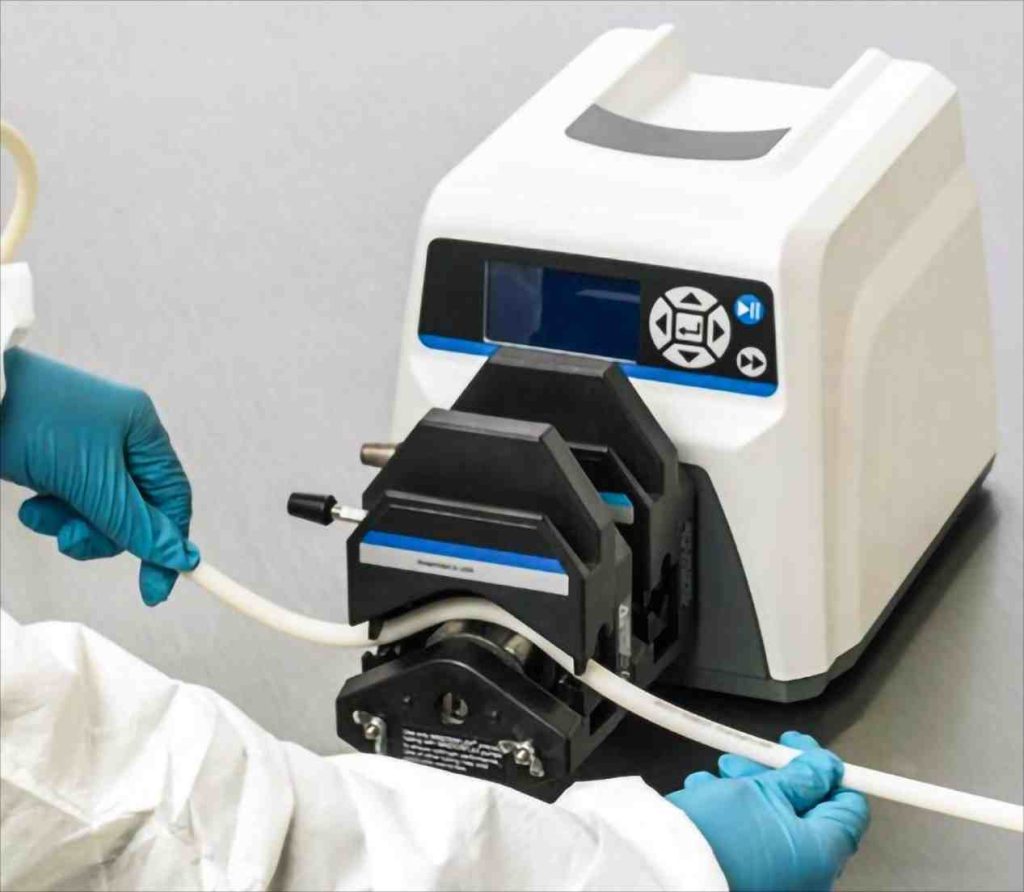
Step 1: Flush with Clean Water
Flush the pipe with clean water immediately after use.
- Use warm water (avoid using hot water unless the pipe’s rated temperature is higher)
- Start the water pump to make the water circulate within the system.
- Continue to rinse until all visible residues are removed
The initial flushing can prevent the accumulation of substances in the pipes from hardening.
Step 2: Apply a Suitable Cleaning Solution
Next, select the appropriate cleaning solution based on your specific application scenario:
- A mild cleaner for food and beverages
- Disinfectants or alcohol-based solutions for laboratory or medical purposes
- Chemical cleaners for industrial fluids
Important reminder: Make sure the cleaner is compatible with the pipe materials (such as silicone, PVC or Tygon).
As for the commonly used silicone tubes of peristaltic pumps, it can be cleaned by high-temperature and high-pressure sterilization and disinfection. It is not necessary to worry that the high temperature and high pressure will lead to the damage of silicone tubes. This is because the performance of silicone tubes in withstanding high temperature and high pressure has been tested for a long time. In addition, for special industries that have higher demands for hygiene, the hydrogen peroxide method can be used to eliminate heat sources.
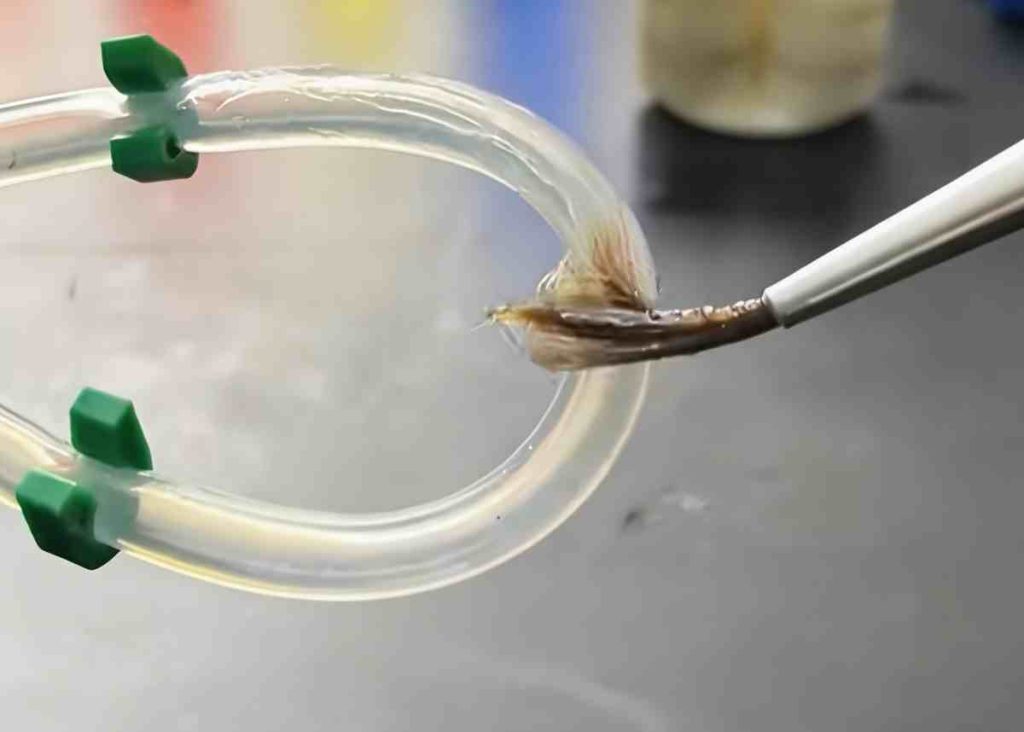
Step 3: Circulate the Cleaning Fluid
Allow the cleaning solution to circulate through the tubing:
- Run the pump for 5–15 minutes
- Ensure full contact with the inner surface
- For stubborn residues, extend the cleaning time or repeat the process
This step helps break down and remove internal deposits effectively.
Step 4: Rinse Thoroughly
After cleaning, rinse the tubing with clean water:
- Remove all traces of cleaning chemicals
- Continue flushing until no foam or odor remains
- This step is critical to prevent chemical residue from damaging the tubing or contaminating future fluids
Step 5: Dry the Tubing Properly
Finally, ensure the tubing is completely dry before storage or reuse:
- Air drying is the most common method
- Use clean, dry air for faster drying if needed
- Avoid sealing or storing tubing while wet, as this can promote microbial growth
Pro Tips for More Effective Cleaning
1. If you find any damage to the hose, there is no need to waste time cleaning it. Just replace the hose immediately.
2. The cleaning method for the soft hose of the special material peristaltic pump is different. If you are unsure whether the cleaning method of the hose is correct, please contact the after-sales engineer promptly.
The above is the cleaning method and precautions for the flexible hose of the peristaltic pump that we are sharing with you. We hope it will be helpful to everyone. If you have any questions regarding the selection and maintenance of peristaltic pumps, or the selection and maintenance of peristaltic pump accessories, please feel free to contact us at any time.