
Peristaltic Pump Filling Machine: 2026 Complete Guide for Industrial Buyers & Manufacturers
The peristaltic pump filling machine is a precise, sanitary liquid filling system used across a range of industries, including pharmaceuticals, cosmetics, food production, and chemical manufacturing. Its unique design uses rotating rollers to compress a flexible tube, which moves liquid through the system while keeping the product completely separate from mechanical components.
As industrial demands for cleanliness, accuracy, and efficiency continue to rise, peristaltic pump filling systems have seen growing adoption. This guide covers how the system works, its key benefits, typical applications, and how to choose the right model for your business.
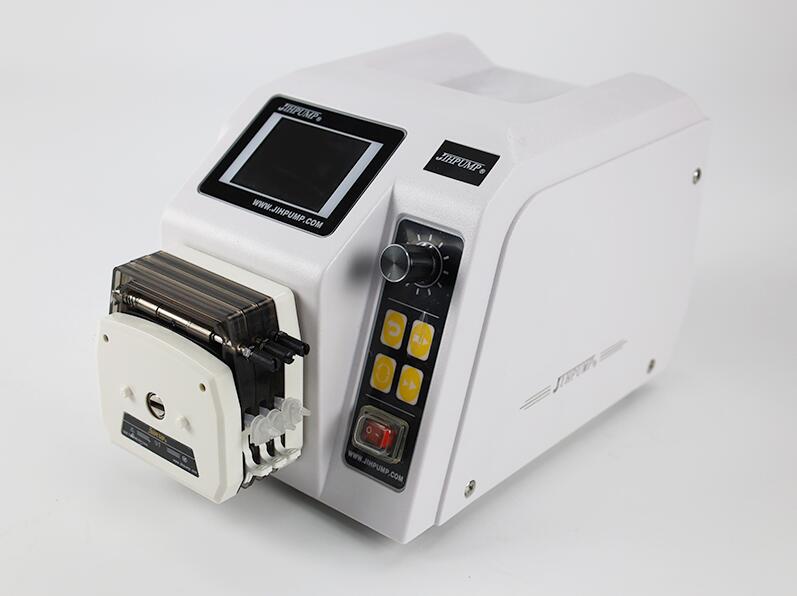
What Is a Peristaltic Pump Filling Machine?
A peristaltic pump filling machine is a type of liquid filling equipment that uses a tube-based peristaltic pump to transfer and dispense liquids. The liquid flows through a flexible tube, which is compressed by rotating rollers to achieve accurate, controlled filling.
Key Components:
- Pump head – Contains rollers that compress the tube
- Flexible tubing – Carries the liquid
- Control system – Regulates speed, volume, and accuracy
- Filling nozzles – Dispense liquid into containers
The liquid never comes into contact with the pump itself, only the tubing, making it ideal for sterile and sensitive applications..
How Does a Peristaltic Pump Filling Machine Work?
Thanks to its intuitive working principle and sturdy construction, the peristaltic pump filling machine has become highly popular in liquid filling applications, meeting the demand for simpler operation and greater reliability. It is easy to operate and maintain even for non-professional technicians, and supports long-term continuous industrial production.
Below, we explain in detail how the peristaltic pump filling machine works.
Tube Installation
Initially, a custom flexible tube designed for your production requirements is secured into the pump head. Popular tubing choices include food-grade silicone, medical-grade plastics, and chemical-resistant PTFE.
These materials are selected according to the properties of the liquid being filled and industry hygiene standards, while providing excellent flexibility and long-lasting performance.
Peristaltic Conveying
Precision stainless steel rollers in the pump head rotate steadily, gently compressing the tube to form sealed chambers that push liquid forward in one direction for stable transfer.
Sealed Dosing
Rollers press firmly against the tube to form a reliable seal, stopping liquid from flowing back. Every full rotation moves a fixed volume of liquid, making each fill highly precise and consistent.
Tube Rebound & Suction
The tube features great flexibility and bounces back fast once the rollers move past. This natural rebound forms mild suction within the tube, pulling in the next batch of liquid on its own for smooth, nonstop filling.
Closed System Protection
The entire filling process takes place in a closed system which prevents air from entering the liquid channel. The system protects oxygen-sensitive materials such as medical reagents and cosmetic essences and food additives from oxidation and deterioration, which helps maintain consistent product quality.
Core Advantages of a Peristaltic Pump Filling Machine
In the rapidly developing field of modern liquid filling and processing, peristaltic pump filling machines have become highly competitive equipment thanks to their optimized structure and innovative design. Compared with traditional filling machines, they offer distinct advantages that have earned them wide market recognition. Below is a detailed introduction to the key advantages of peristaltic pump filling machines:
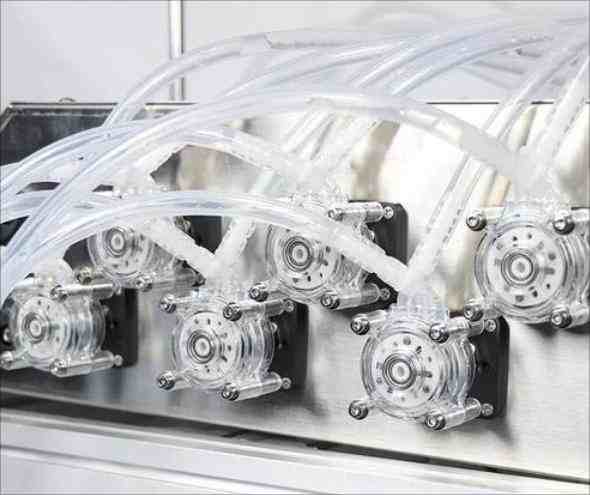
Ultra-high Hygiene & Zero Cross-contamination
- Key design: The liquid is in connection with a flexible tube only, no contact with pump gears, pistons or metal parts.
- The tube is disposable and easily removed/sterilised.
- Eliminates cross-contamination risk, ideal for pharmacy, food and cosmetics with strict hygiene standards.
Wide Viscosity Compatibility
- Unlike traditional fillers that only handle thin liquids, peristaltic pump fillers work for all viscosity ranges.
- Low-viscosity: water-based inks, medical reagents
- High-viscosity: honey, sauces, creams, foaming cement
- No clogging, dripping or accuracy loss.
High Filling Accuracy & Stability
- Filling volume controlled by fixed roller rotation, ensuring consistent precision.
- Industrial accuracy: ±1% or higher.
- Stable performance even when filling volume or liquid viscosity changes.
- Perfect for precise dosing: injections, lab micro-dosing, cosmetic essences.
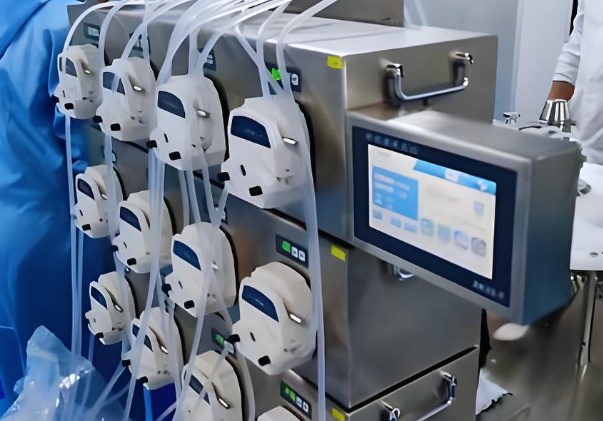
Low Maintenance & Easy Operation
- Simple structure, no complex gears or pistons → very low failure rate.
- Maintenance only requires tube replacement.
- No professional tools or technicians needed; finished in 3–5 minutes.
- Saves maintenance time and labor costs.
Strong Customization & Production Line Compatibility
- Customizable: filling volume, flow rate, automation level, equipment appearance.
- Easily integrates with existing production lines.
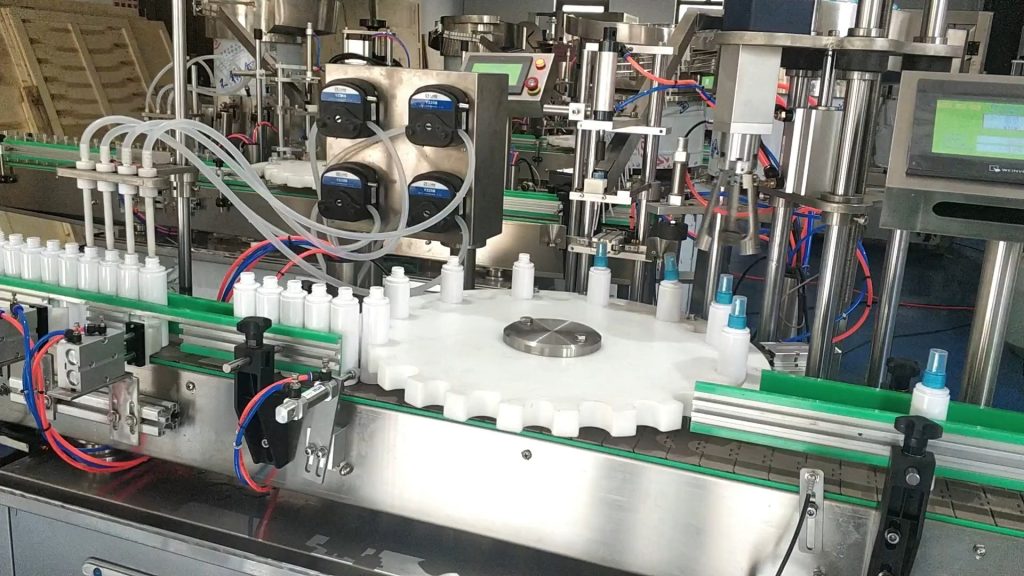
- Supports full automation: feeding → filling → capping.
- Reduces manual operation, ensures consistent filling and improves output.
Key Industries & Applications
Cosmetics & Personal Care
Core Demand: stable texture and effective protection of active ingredients.
Peristaltic pump filling machines are specially designed to meet these key needs.
Key Advantage
Key Advantage: This machine fills products through gentle squeezing with zero shear force, a design distinct from traditional filling equipment.
It safely protects fragile ingredients such as essences, peptides, and essential oils from damage during filling.
Suitable Products: Perfect for filling a wide range of cosmetic products, including serums, lotions, creams, and hair care products, it guarantees consistent high quality for every batch.
Adaptable Scenarios: The system works best for both Small-batch custom production in beauty labs and Large-scale industrial filling lines.
With easy tube replacement, it is highly suitable for multi-product cosmetic production lines.
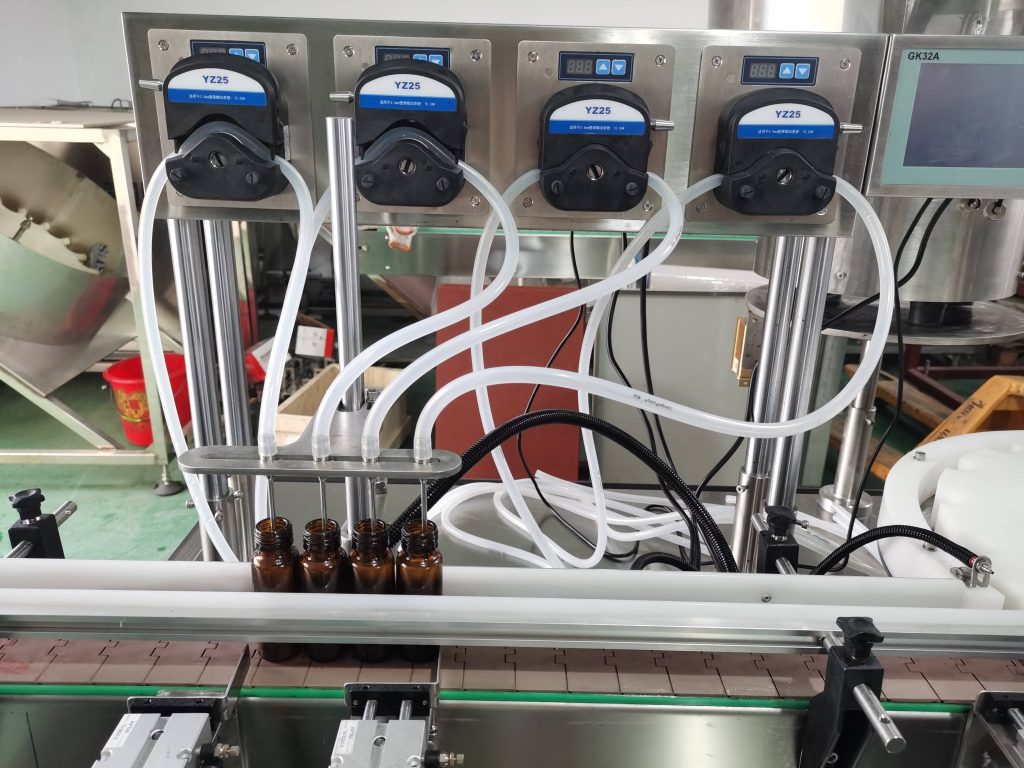
Pharmaceuticals & Biotechnology
Core Demand: Pharmaceutical production requires strict hygiene and high precision. Even minor contamination or filling deviation can lead to product failure. Peristaltic pump filling machines effectively address these risks.
Compliance: The system operates according to international pharmaceutical regulations which include ISO 13485 and cGMP standards.
Key Advantage: The closed filling system of the product keeps production sites sterile while the medical-grade tubing system protects against chemical leaching and interactions with pharmaceutical raw materials.
Suitable Products: It can handle vials, injectables, oral liquids, and pharmaceutical reagents to create safe and effective pharmaceutical production processes.
Food & Beverage
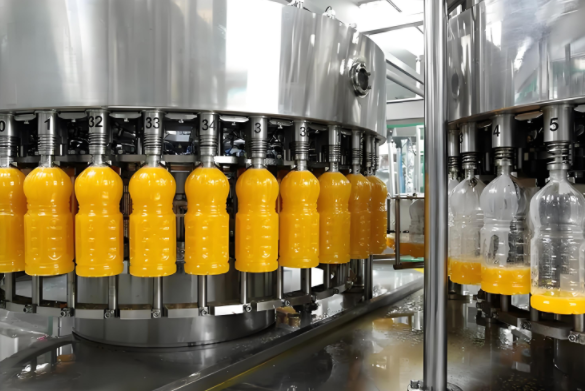
Core Demand: The food and beverage industry has made food safety standards and clean production methods and waste reduction practices their most important operational requirements which drive the design of peristaltic pump filling machines.
Compliance: The machine operates under complete compliance with FDA and EU food safety requirements which establish hygienic standards for all components that contact food.
Key Advantage: The production lines remain clean, and food raw material waste during the filling process is reduced through a structural design that incorporates food-grade silicone tubing, which contains non-toxic and hygienic properties for handling safe food materials..
Suitable Products: The system efficiently fills a wide range of food and beverage items, including honey, sauces, dressings, edible oils, fruit juices, and dairy additives, to meet the diverse production requirements of the food and beverage industry.
Chemical & Industrial Machinery
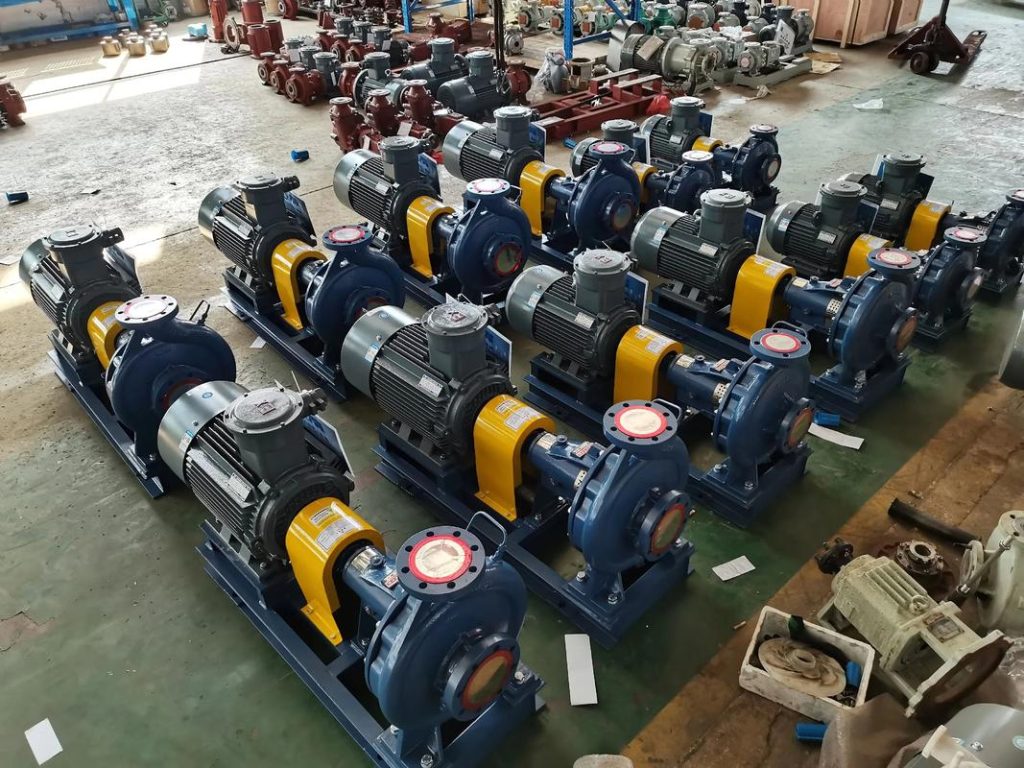
Core Demand: The industrial chemical filling process needs equipment that maintains safety for handling dangerous materials and operates without corrosion damage.
Key Advantage of the Machine: Peristaltic pump filling machines employ PTFE tubing, which resists chemical damage from acids, solvents, inks, and industrial fluids. The pump body provides high strength for safe operation under both high-pressure and high-temperature conditions.
Suitable Scenarios: The equipment serves as the optimal solution for filling industrial chemicals that possess corrosive, toxic, and reactive properties because it protects equipment from damage and prevents safety incidents.
Laboratory & Experimental Research
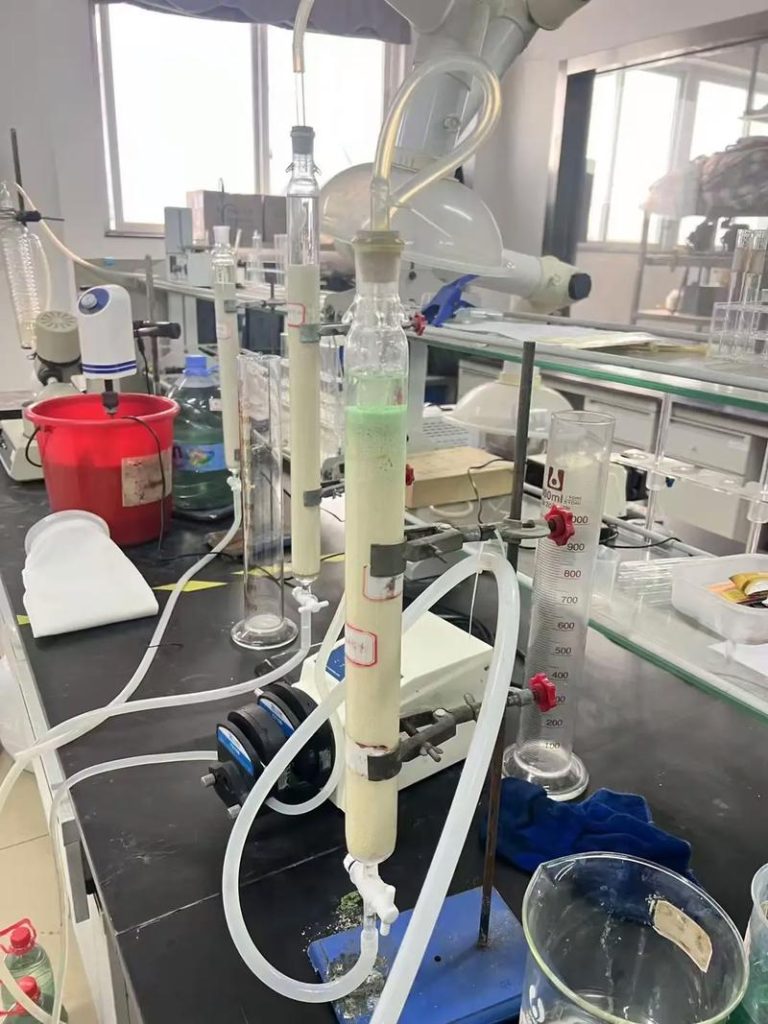
Core Demand: Laboratories and research-and-development centers need precise micro-dosing systems that provide exact measurements for their research tests and sample handling, and their limited production testing.
Key Advantage of the Machine: Laboratory environments require dedicated mini peristaltic pump filling machines, which achieve exceptional micro-dosing precision by dispensing volumes as small as 0.1mL. Researchers can easily replace tubes to change test solutions, which helps them prevent cross-contamination and dosing mistakes.
Suitable Scenarios: The system enables scientific research testing, sample preparation, and small-batch trial production, which makes it an important instrument for dependable laboratory operations.
Other Key Industries
Inkjet Printing: The operation of peristaltic pump filling machines requires water-based and solvent-based inks which the system uses to provide continuous ink supply for printing work.
Washing & Cleaning: The system measures detergent quantities, which allows them to achieve accurate cleaning solution application.
Environmental Instruments: It moves testing chemicals steadily and without error, so environmental test results are always accurate.
Smart Appliances: It dispenses the exact right amount of household care products, making smart home devices work better and more consistently every time.
Peristaltic Pump Filling Machine vs. Other Filling Machines
To help industrial buyers make more rational purchasing decisions, we compare the peristaltic pump filling machine with two of the most common traditional filling machines—piston fillers and gravity fillers, and the differences in performance and applicability are clear:
Peristaltic Pump Filling Machine vs. Piston Filling Machine
Piston fillers are cost-effective and fill at high speeds, so they are often used on basic production lines with low standards for hygiene and accuracy. But a major structural problem with these fillers is that liquid comes into contact with multiple metal parts during filling, including pistons and cylinders. This creates a much higher risk of cross-contamination.
What’s more, piston fillers produce strong shear force while in operation. Such force can easily harm sensitive ingredients like probiotics, essential oils and medical reagents. For industries where quality and hygiene matter, this is a serious drawback.
The peristaltic pump filling machine completely avoids the above problems with its “no-contact” design: zero contact between the product and the pump body components, zero shear force during transportation, and easy cleaning and maintenance. With the continuous improvement of industrial production requirements, it is gradually replacing piston fillers in more and more regulated industries.
| Comparison Items | Peristaltic Pump Filling Machine | Piston Filling Machine |
| Price & Speed | Moderate price, stable filling speed | Lower price, faster filling speed |
| Suitable Applications | Regulated industries with high requirements for hygiene, accuracy and product quality | Low-demand production lines with low hygiene and accuracy requirements |
| Material Contact | Zero contact between product and pump components, no cross-contamination risk | Liquid contacts metal parts (pistons, cylinders, etc.), high cross-contamination risk |
| Shear Force | Zero shear force during delivery, protects sensitive ingredients | Generates strong shear force, easily damages probiotics, essential oils, pharmaceutical reagents |
| Cleaning & Maintenance | Easy to clean and maintain | Relatively complex maintenance |
| Industry Trend | Gradually replacing piston fillers in high-standard industries | Mainly used in low-requirement scenarios |
Peristaltic Pump Filling Machine vs. Gravity Filling Machine
Gravity fillers require the liquid’s natural weight to fill containers, which limits their usage to thin and freely flowing liquids that include water and fruit juice. High-viscosity liquids such as creams, gels, and pastes flow slowly, resulting in low filling efficiency and significant accuracy deviations.
Gravity fillers experience a major decline in filling accuracy when filling volumes change because the same equipment cannot handle both small-volume and large-volume filling. Companies must acquire multiple equipment systems, which results in higher expenses to fulfill their various production needs.
The peristaltic pump filling machine solves these pain points well: it can handle both thin and high-viscosity liquids with high accuracy, and the same set of equipment can realize both micro-dosing and bulk filling only by adjusting the operating parameters, which greatly saves the enterprise’s equipment investment and production line layout space.
| Comparison Items | Peristaltic Pump Filling Machine | Gravity Filling Machine |
| Filling Principle | Driven by peristaltic pump pressure | Filling by liquid gravity |
| Suitable Liquids | Works for both thin liquids and high‑viscosity liquids (creams, gels, pastes) | Only suitable for thin, free‑flowing liquids (water, juice) |
| Filling Efficiency | High efficiency for all liquid types | Low efficiency for high‑viscosity liquids |
| Filling Accuracy | Stable high accuracy for various volumes | Poor accuracy for high‑viscosity liquids; accuracy drops when volume changes |
| Application Flexibility | One machine for both micro‑dosing and large‑volume filling | Not ideal for both small and large volumes; requires multiple machines |
| Equipment Cost | Saves investment and space | Higher overall cost due to need for multiple sets |
How to Choose the Right Peristaltic Pump Filling Machine
Choosing a suitable peristaltic pump filling machine needs to be based on the actual production needs of the enterprise, and comprehensively consider the core production indicators such as filling volume, production speed and industry compliance requirements. The following 6 key points are the core criteria for industrial buyers to select equipment:
Confirm the fill volume range
Peristaltic pump filling machines support a wide range, from 0.1mL micro‑dosing in labs to 10L bulk filling in industrial production.
Consider production speed and flow rate
Higher flow rates work best for large‑scale, high‑output production lines and lower flow rates ensure ultra‑high precision for pharmaceuticals and laboratory use.
Select the right tubing material
Food-grade silicone: food, cosmetics, pharmaceuticals
Chemical-resistant PTFE: corrosive chemicals, inks, solvents
High-wear thermoplastics: long‑term continuous industrial use
Determine the automation level
The manual benchtop system operates in laboratories and startup companies and supports small-scale production activities.
The semi-automatic system works in medium-sized factories which operate multiple production lines that produce different products.
The fully automatic system operates through high-speed industrial lines which function without interruptions by existing equipment.
Check cleaning and maintenance design
For strict sterile environments (pharmaceuticals): choose quick-disconnect pump heads for fast sanitization.
For general production: tool-free tube replacement reduces maintenance time and labor cost.
Verify industry compliance
Make sure the equipment meets your industry’s certifications: Food (FDA, EU food standards), Pharma (ISO 13485, cGMP)
JIHPump Peristaltic Pump Filling Machining: Your Reliable Choice
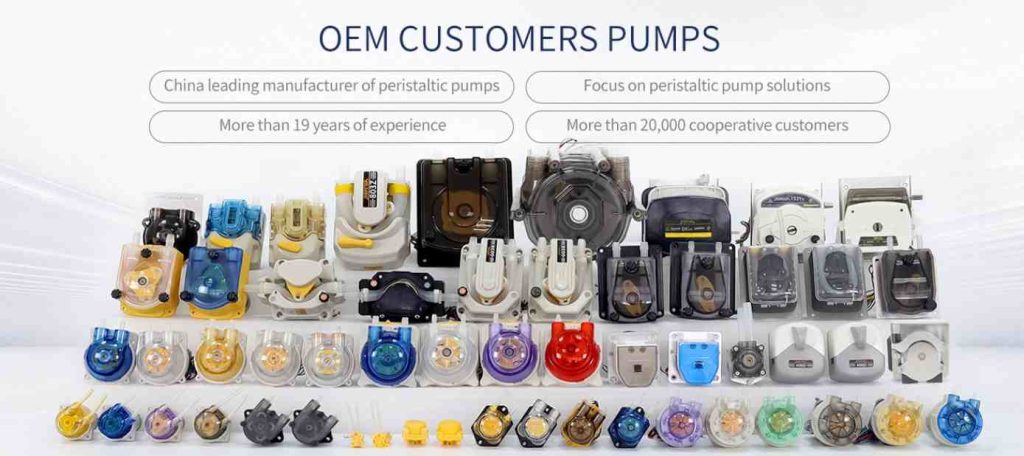
JIHPump has 19+ years of R&D and production experience in peristaltic pump solutions, serving more than 20000 global customers with its 70+ product series and 600+ models. Our company offers peristaltic pump filling machines which include manual, semi-automatic, and fully automatic systems designed for essential applications in pharmaceuticals, cosmetics, food and beverage, chemical processing, and laboratory research.
OEM customization is supported, with the filling machines built to deliver the high precision, easy maintenance and industry compliance essential for industrial production. The equipment operates with stable, consistent performance for both small-batch custom processing and large-scale continuous production lines.
FAQ
Q1 Can the peristaltic pump filling machine handle thick liquids?
Yes! It can handle liquids with viscosity up to 100,000 cP, including creams, gels, honey, sauces, foaming cement and other thick materials—all without clogging or dripping. This is one of the core advantages of the peristaltic pump solutions.
Q2 How accurate is the peristaltic pump filling machine?
Most industrial models reach ±1% or better accuracy, and the lab mini models can achieve even higher precision for micro-dosing. The accuracy stays consistent regardless of filling volume or liquid viscosity.
Q3 What is the typical price range of peristaltic pump filling machines for industrial buyers and manufacturers?
Pricing depends on automation and production capacity:
manual/desktop models (for small-batch industrial trials) cost $150–$1,050 and semi-automatic models (for mid-scale production lines) price between $520 and $2,780 and fully automatic industrial models (for high-volume manufacturing) range from $6,500 to over $60,000; high-quality options deliver consistent precision which helps decrease production waste and provides extended value to users.
Q4 What’s the most cost-effective entry-level peristaltic pump filling machine for small manufacturers?
Manual or OEM mini peristaltic pump filling machines, starting at $150–$350 for basic low-volume models, are ideal for small manufacturers or startup industrial operations needing reliable filling without heavy upfront investment.
Conclusion
As high-performance liquid filling equipment for modern industry, the peristaltic pump filling machine is indispensable in liquid processing. Featuring contact-free design, high precision, wide viscosity adaptability and low maintenance, it solves cross-contamination and poor compatibility issues of traditional fillers. It supports everything from micro-dosing to bulk filling and various automation levels.