
Peristaltic Pump Maintenance Checklist for Long-Term Storage
With their clean fluid channels, simple structure and low maintenance costs, peristaltic pumps are in wide use within laboratory instrumentation, medical devices, beverage dispensers, chemical metering systems and many OEM applications. However, “low maintenance cost” does not mean “no maintenance required”, at least when the peristaltic pumps have to be laid up for some months or even longer. Well, the next question is how to properly maintain a long-time-stopped peristaltic pump. This article provides a comprehensive preventive maintenance checklist for a peristaltic pump, targeted at long-term storage.
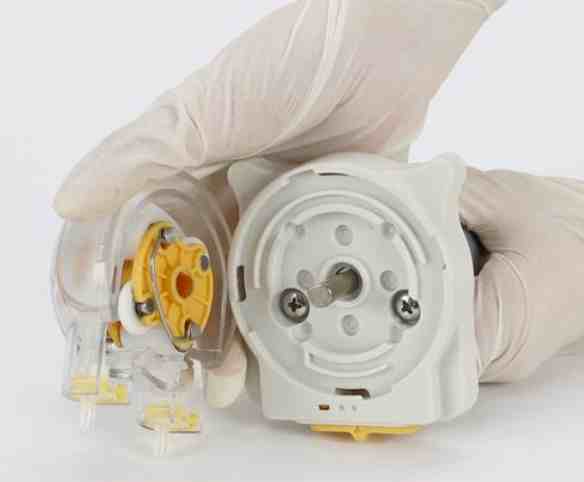
Why Proper Storage Matters and the Problems Caused by Improper Handling
Long-term storage will inevitably have a great influence on the reliability and service life of the peristaltic pump. Due to their nature, these pumps rely on flexible pipes and mechanical compression. Consequently, even when at rest, some components of the pumps are under constant stress, environmental influences, or aging. If the storage conditions are not good or no maintenance is performed, the following problems could arise with the re-use of the pump:
- Pipe Deterioration
The pump pipe is highly sensitive to heat, ultraviolet rays, ozone and humidity. If the storage conditions are harsh or the pipe compresses in the pump head for a long time, it may harden, crack, flatten or lose its elasticity. It directly affects the accuracy of liquid flow and may result in premature pump failure following its restart.
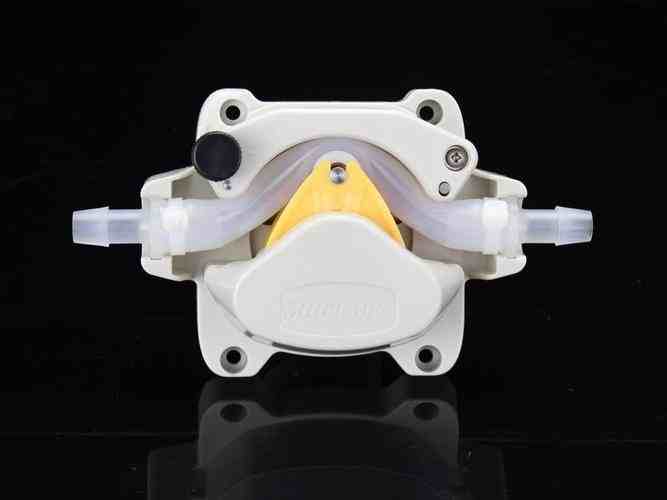
- Permanent Deformation Caused by Long-term Blockage
During storage, if the material of the pipe remains compressed in the pump head, it may not recover to a fully flat surface. Its blocking pressure will be reduced and cause unstable flow conditions, pulsating changes, or lack of proper dosage.
- Roller Jamming and Noise
Stiffness and noise may be taken on by the rollers or bearings in the pump head after long being out of work because of unexercised lubricating oil, which may settle or evaporate. And sometimes corrosion or micro-pitting may be caused by moisture in the environment.
- Motor Starting Problem
Infiltration of moisture or oxidation of electrical contacts may affect the motors, especially for OEM or high-load cyclic applications. The motor may not start smoothly or may make abnormal noises in its first rotation after being idle for several months.
- Pollution and Corrosion
If the pump or pipeline is not properly cleaned prior to storage, any residual chemicals or liquids may set, crystallize or corrode the pump components. In food and beverage processing, any remaining sugar or protein can support microbial growth.
Since these problems often are not discernible prior to restarting the pump, the implementation of an appropriate long-term storage and maintenance plan for peristaltic pumps is of importance to avoid unexpected failures, shutdowns, or replacement costs.
Pre-Storage Maintenance Checklist
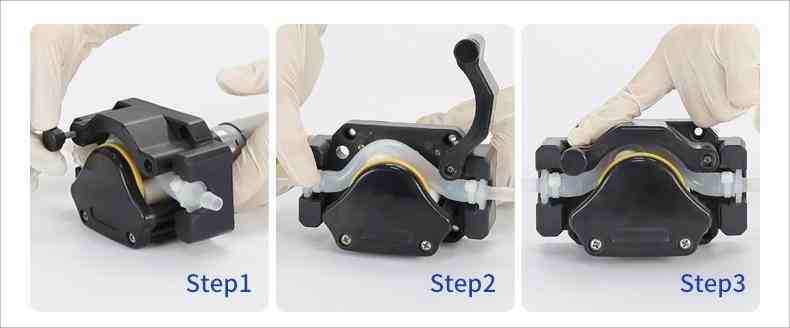
These are the steps you take before storing a peristaltic pump for a long period. These steps represent the heart of the peristaltic pump preventive maintenance list and can go a long way in minimizing performance degradation.
Turn off the power supply
First, one should disconnect the power supply of the peristaltic pump to avoid continuous operation without supervision, hence preventing any possible equipment damage or fire hazard.
Loosen the upper pressure block in time
Peristaltic pumps transmit fluids by pinching the hose with a roller, generating negative pressure inside the hose cavity. Therefore, the upper pressure block should be loosened in time after using the equipment to keep the hose in a relaxed state. This can effectively prolong the service life of the hose.
Tip: When using again, try to move the hose to evenly distribute the force.
Thoroughly clean the fluid passage
The surface and the inner parts of the peristaltic pump should be carefully cleaned by using a soft cloth. Of course, much attention should be directed to cleaning the pipe of the pump from all residues of chemical reagents or biological contamination. This action can ensure that the equipment will not be corroded or clogged with contaminants during the shutdown period.
Inspect the pump pipe
After cleaning, the surfaces of both the pump pipe and the pump head must be thoroughly dried out. Remaining moisture within the pump pipe or the pump casing might cause mold growth, material softening, or electrical corrosion.
Meanwhile, the pump pipe is also required to check if there is any crack, deformation, or blockage in it. If one finds any problem, then he must replace the pump pipe immediately.
Check the pump head rollers
Manually rotate the roller to make sure it operates smoothly. The inspection items include: abnormal resistance, noise, signs of corrosion and debris or chemical residues. If necessary, the pump head and the surface of the rollers can also be cleaned.
Check the motor and electrical connections
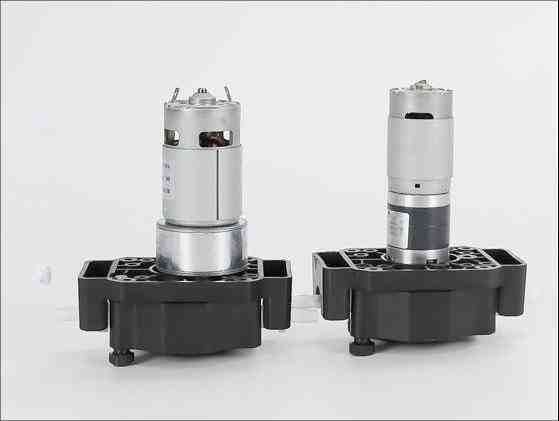
Check whether there is oxidation or moisture in the circuits, terminals and connectors. For original factory pumps, please ensure that the control cables and wiring harnesses are intact before storage.
Mark and record the storage date
Record the maintenance details of the peristaltic pump in the maintenance log book, such as the time it was maintained, what operations were performed, which parts were replaced, etc., in order to understand its previous maintenance condition quickly later when conducting the maintenance.
Best Storage Conditions for Peristaltic Pumps
To maintain the integrity of pump tubing, motor components, and pump head materials, follow these recommended storage environment guidelines.
| Storage Factor | Recommended Condition | Why It Matters | Risks if Ignored |
| Temperature | 10–30°C (50–86°F) | Prevents tube hardening or softening | Tube cracking, deformation, reduced elasticity |
| Humidity | < 65% RH | Reduces corrosion and condensation risk | Rust on shafts, motors, connectors; PCB failure |
| Light Exposure | Store in darkness; avoid UV | UV accelerates tube aging | Tube discoloration, brittleness |
| Ozone/Vapor Exposure | Keep away from ozone generators, motors, solvents | Ozone and chemicals degrade elastomers | Tube cracking, premature failure |
| Mechanical Stress | Store pump with no tube compression; support cables | Avoids permanent tube flattening | Low flow rate, pulsation, tube rupture |
| Dust Protection | Use dust covers or sealed storage boxes | Prevents contamination entering pump head | Roller wear, debris inside fluid path |
| Orientation | Place pump on a stable horizontal surface | Protects internal bearings and alignment | Motor noise, decreased pump precision |
Providing the correct environment is a major contributor to long-term reliability and reduced maintenance needs.
Long-term Storage Maintenance Procedures
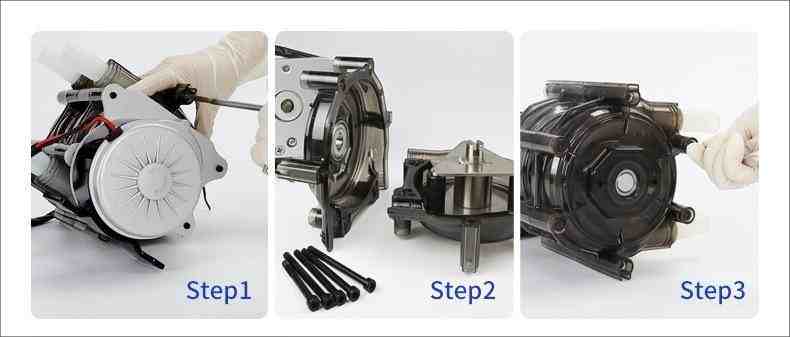
Even when not in use, peristaltic pumps benefit from periodic attention. The following procedures help ensure that mechanical and electrical components remain in good working condition.
Monthly Checks
- Inspect the pump visually for signs of moisture, dust, or corrosion.
- Rotate the pump head rollers to prevent lubrication settling or bearing adhesion.
- Check electrical connectors for early signs of oxidation.
Quarterly Checks
- Power the motor briefly (2–5 seconds at low speed) to keep the motor healthy and prevent startup stiffness.
- Confirm that rollers rotate smoothly and that no unusual noise appears.
- Inspect stored tubing (if stored separately) for discoloration, cracking, or stiffness.
Annual Preventive Actions
- Replace stored tubing even if unused, especially for applications requiring high precision.
- Re-assess pump-head wear, particularly if the pump has been stored in a warm environment.
- Calibrate flow performance when returning the pump to service, especially for dosing or metering applications.
These steps ensure that the pump remains ready for reliable performance whenever it is needed again.
What to Do Before Returning the Pump to Operation
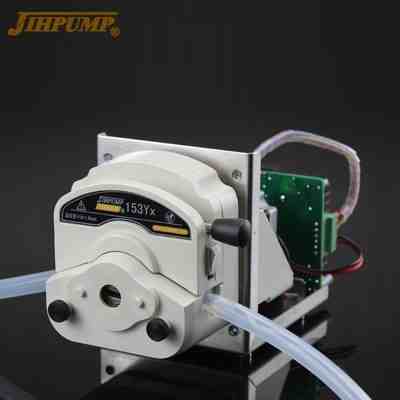
After months of storage, a few reactivation steps will help ensure safe and stable performance.
1. Install new tubing
Even if the old tubing appears intact, its mechanical properties may have changed. Replacing tubing guarantees accuracy and prevents early failure.
2. Check pump head operation
Rotate the pump head by hand or run it at low speed for a few seconds to ensure rollers move smoothly without sticking or vibration.
3. Inspect the motor and electrical system
Check:
- wiring
- terminals
- motor housing
- drive board or controller (if OEM)
Moisture or oxidation should be addressed before operation.
4. Run a flow test
Pump water or a neutral liquid to:
- verify stable flow
- detect pulsation abnormalities
- ensure occlusion pressure is sufficient
- confirm there are no leaks
For dosing or analytical applications, performing a full calibration is recommended.
5. Confirm chemical compatibility before use
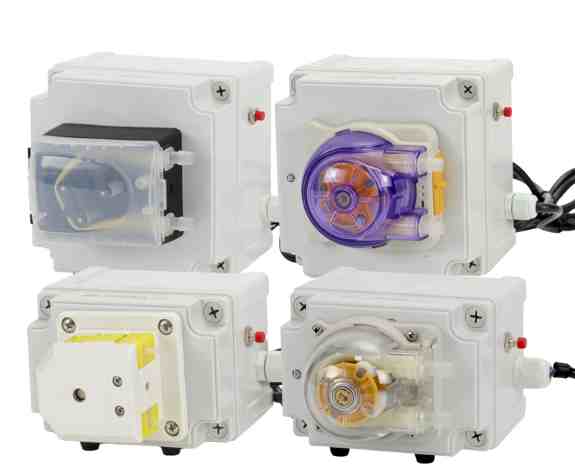
If the pump will handle aggressive chemicals or solvents, verify compatibility with tubing and pump head materials after long-term storage.
Conclusion
Proper long-term storage is a crucial yet often overlooked aspect in the maintenance of peristaltic pumps. By understanding how environmental factors affect pipes, pump heads and motors, and implementing a clear preventive maintenance checklist for peristaltic pumps, you can significantly extend the pump’s service life, maintain flow accuracy, and avoid unexpected failures when the pump is put back into use.