
Flue Gas Analysis Explained: Techniques, Applications, and Essential Components
In modern industries, emission control and energy efficiency have become essential challenges that every enterprise must address. From boiler combustion to cement production, from petrochemical plants to power generation systems, flue gas analysis has emerged as a core technology for evaluating emissions compliance, optimizing combustion efficiency, and ensuring safe equipment operation.
In this post, we will provide a comprehensive overview of what flue gas analysis is, why it is important, the key parameters typically measured, how it works, the industries where it is applied, and the indispensable role of one critical component in flue gas analysis systems, the peristaltic pump.
Part 1. What is Flue Gas Analysis?
Flue gas analysis refers to the sampling, pre-treatment, and monitoring of exhaust gases produced during industrial processes to accurately measure key components, such as:
- SO₂ (sulfur dioxide)
- NOₓ (nitrogen oxides)
- CO (carbon monoxide)
- CO₂ (carbon dioxide)
- O₂ (oxygen content)
- Particulate matter, humidity, and other parameters
Flue gas analysis is widely used in industries such as boilers, furnaces, power plants, metallurgy, and waste incineration. It helps evaluate combustion efficiency, control emissions, and ensure compliance with environmental regulations, including EPA, ISO, and local emission standards.

Part 2. Why is Flue Gas Analysis So Important?
In today’s environmental and regulatory context, the importance of flue gas analysis can be seen in several key aspects:
Compliance with Emission Regulations
Countries around the world have strict limits on pollutants such as SO₂, NOₓ, CO, and particulate matter. Flue gas analysis provides the essential data that companies need to report emissions and demonstrate regulatory compliance.
Improving Combustion Efficiency
By monitoring oxygen levels (O₂) and carbon monoxide (CO) emissions, engineers can fine-tune combustion conditions to achieve more complete burning in boilers or furnaces.
Scientific flue gas analysis can help enterprises save 5–15% of fuel costs through optimized operation.
Ensuring Safe Operation
Abnormal emissions or sudden changes in oxygen content can indicate potential issues such as unstable combustion, leaks, or carbon buildup, allowing preventive measures before serious problems occur.
Enabling Continuous Monitoring and Smart Management
With Continuous Emission Monitoring Systems (CEMS), factories can obtain real-time emission data, allowing automated control and intelligent management of industrial processes.
Part 3. How Does a Flue Gas Analysis System Work?
A complete flue gas analysis generally involves the following steps:
Sampling
A sampling probe draws a portion of flue gas directly from the duct or stack for analysis, ensuring that the sample accurately represents the actual emissions.
Sample Pre-treatment
Before analysis, it is essential to remove particulate matter and condensed water to protect the sensors and ensure accurate readings. Typical pre-treatment steps include:
- Filtration to remove dust and solid particles
- Cooling and condensation to reduce gas temperature
- Moisture removal to eliminate water vapor
- Dust removal for cleaner samples
Condensate discharge is often handled by a dedicated pump, such as a peristaltic pump, which ensures reliable operation and minimal maintenance.
Gas Measurement
The treated sample is analyzed using various detection technologies depending on the target gas:
- NDIR (Non-Dispersive Infrared): for CO, CO₂, SO₂
- Electrochemical sensors: for O₂ and CO
- UV absorption: for NOₓ
- Paramagnetic method: for high-precision O₂ measurement
Data Output
The measurement results are transmitted to DCS, PLC, or CEMS platforms for real-time monitoring, automated control, and optimization of combustion processes.
Part 4. Main Types of Flue Gas Analyzers
Flue gas analyzers come in various forms, each designed to meet specific monitoring, compliance, and operational needs. Choosing the right type depends on factors such as measurement location, required accuracy, sampling frequency, and the specific industrial application. Below are the main categories commonly used in industry:
Portable Analyzers
Portable flue gas analyzers are ideal for on-site commissioning, maintenance checks, and boiler optimization. They allow engineers to quickly measure emissions at different points and make operational adjustments as needed.
Stationary Analyzers
Fixed analyzers are installed directly on specific equipment or stacks to continuously sample flue gas. They provide ongoing monitoring of combustion performance and emission levels.
CEMS (Continuous Emission Monitoring System)
CEMS is used for environmental compliance and real-time emission recording. It is the standard solution in power plants, cement factories, and waste incineration facilities, ensuring that emissions meet regulatory limits at all times.
Dry vs. Wet Analysis Systems
- Dry systems: Remove moisture through condensation before analysis, protecting sensors and ensuring accurate measurements.
- Wet systems: Analyze flue gas in its moist state, requiring corrosion-resistant components to handle the high water content and acidic gases.
Part 5. Applications of Flue Gas Analysis
Flue gas analysis plays a crucial role in industries where combustion processes or emissions need careful monitoring and control. Its applications span a wide range of sectors, including:
Thermal Power Plants: Monitors emissions from boilers and turbines to ensure compliance with environmental regulations, optimize fuel usage, and maintain safe operations.
Industrial Boilers: Provides real-time data on oxygen and pollutant levels, helping operators adjust combustion conditions for higher efficiency and lower fuel costs.
Cement Plants: Analyzes kiln exhaust gases to control pollutants such as CO, NOₓ, and SO₂, while also improving energy efficiency and production quality.
Steel Industry: Tracks furnace emissions to support environmental compliance and optimize metallurgical processes.
Petrochemical Industry: Measures flue gases from chemical reactors and processing units, aiding in emissions control and operational safety.
Waste Incineration Plants: Ensures the safe disposal of waste while monitoring harmful emissions like NOₓ, SO₂, CO, and particulate matter.
Pulp and Paper Mills: Monitors boiler and recovery system emissions to reduce environmental impact and maintain efficient energy usage.
Marine Diesel Engines: Measures exhaust gases to optimize fuel consumption, reduce pollutants, and comply with international maritime emission standards.
In fact, nearly every combustion process or emission system, from small industrial furnaces to large power generation units, benefits from flue gas analysis to enhance operational efficiency, ensure safety, and meet regulatory requirements.

Part 6. Key Components of a Flue Gas Analysis System
A typical flue gas analysis system consists of:
- Sampling Probe
- Heated Sampling Lines
- Condenser (Dehumidifier)
- Filters
- Drainage System
- Flue Gas Analyzer
- Control System
- Drain Pump (usually a peristaltic pump)
Among these, the peristaltic pump plays a critical role in CEMS (Continuous Emission Monitoring Systems).
Part 7. Why is the Peristaltic Pump Indispensable in Flue Gas Analysis Systems?
During the sample pre-treatment process, the condenser continuously produces condensate. If this condensate is not promptly removed, it can lead to:
- Increased sample gas humidity
- Measurement errors for SO₂ or NOₓ
- Clogging of sampling lines
- Corrosion and damage to sensitive instruments
- Therefore, the drain pump must be stable, corrosion-resistant, and capable of long-term continuous operation.
The peristaltic pump meets these requirements perfectly:
- No cross-contamination: The liquid only contacts the tubing, not the pump mechanism
- Suitable for continuous operation
- Corrosion-resistant, ideal for acidic condensate
- Stable discharge with no backflow
- Easy maintenance and tubing replacement
This is why most CEMS systems worldwide rely on peristaltic pumps for condensate drainage, ensuring reliable operation, accurate measurements, and long-term system durability.
Part 8. How JIHPump Peristaltic Pumps Can Help in Flue Gas Analysis?
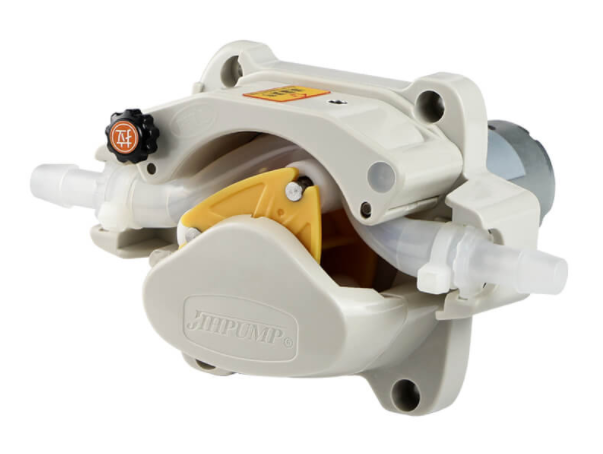
As a professional peristaltic pump manufacturer, JIHPump peristaltic pumps are widely used in flue gas analysis systems and related applications, including:
- Condensate drainage within flue gas analyzers
- Discharge of condensate from condensers
- Delivery of calibration liquids
- Reagent dosing in wet analysis systems
- Assisting sample extraction under negative pressure
JIHPump peristaltic pumps offer a range of advantages that make them ideal for these demanding applications:
- Corrosion-resistant tubing, suitable for acidic condensate liquids
- Long-life pump heads, reducing maintenance frequency
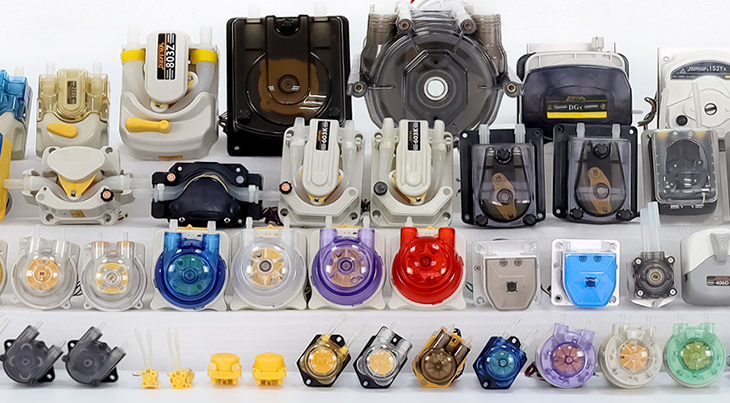
- Multiple flow rates available to match different system requirements
- Designed for 24/7 continuous operation, ensuring reliability in industrial environments
For professionals working with flue gas analyzers, CEMS systems, or industrial emission monitoring, JIHPump provides stable, reliable, and maintenance-friendly liquid handling solutions that enhance measurement accuracy and system longevity.
Part 9. How to Improve the Accuracy of Flue Gas Analysis?
Accurate flue gas measurement depends on proper system maintenance and high-quality components. Key recommendations include:
- Maintain a constant temperature in the sampling lines to prevent condensation and gas composition changes.
- Regularly calibrate zero and span points to ensure sensor accuracy.
- Avoid residual condensate in the sampling system, which can distort measurements.
- Use high-quality peristaltic pumps and tubing, such as JIHPump products, for reliable condensate handling.
- Regularly clean filters to prevent blockages and contamination.
- Monitor condenser operation to ensure efficient water removal.
- Use corrosion-resistant materials to prevent sensor contamination and tubing degradation.
Following these practices helps maintain reliable measurements, extend equipment lifespan, and ensure compliance with environmental regulations.
Part 10. Common Issues in Flue Gas Analysis and Their Solutions
| Issue | Cause | Solution |
| Measurement drift | Sensor contamination | Regular calibration and cleaning |
| Condensate accumulation | Delayed drainage | Use a stable peristaltic pump for condensate removal |
| High moisture in sample gas | Inefficient condenser | Inspect and adjust the temperature control system |
| Sampling line blockage | Dust or acidic condensate | Clean filters and replace with corrosion-resistant tubing |
Among these issues, condensate drainage is one of the most common causes of CEMS failure. Using JIHPump peristaltic pumps for condensate removal can significantly reduce the occurrence of such failures, ensuring continuous, accurate, and reliable flue gas monitoring.
Final Thoughts
Flue gas analysis is not only a means to comply with environmental regulations but also a critical technology for improving combustion efficiency, optimizing energy use, and ensuring equipment safety.
Throughout the flue gas pre-treatment and liquid handling process, stable and reliable components are essential.
As a commonly used drainage and dosing pump in flue gas analysis systems, JIHPump peristaltic pumps provide stable, long-lasting, and corrosion-resistant liquid handling solutions for CEMS and various analyzers, making them an indispensable component of industrial emission monitoring systems.
If you are looking for peristaltic pumps or condensate drainage solutions suitable for flue gas analysis systems, JIHPump is ready to provide professional support and customized services tailored to your needs.