
Peristaltic Pump Tube Replacement: A Step-by-Step Guide
Peristaltic pumps play a crucial role in various industries, including pharmaceuticals, food processing, chemical handling, and laboratory applications. Did you know that 60% of peristaltic pump failures stem from deteriorated or incorrectly installed tubing? Frequent tube replacements not only disrupt workflows but also cost industries millions annually in lost productivity. This guide walks you through when, why, and how to replace peristaltic pump tubing efficiently—plus tips to maximize its lifespan.

Why Peristaltic Pump Tube Replacement is Critical?
Peristaltic pumps rely on flexible tubing to transport fluids by compressing and releasing the tube in a peristaltic motion. As the tubing degrades, several issues can arise:
- Reduced Flow Rate: Worn-out tubing may collapse, restricting fluid movement.
- Leakage and Contamination: Cracks or pinholes can develop, leading to leaks and potential contamination.
- Pump Damage: A deteriorated tube can cause excessive strain on the rollers and motor, shortening the lifespan of the pump.
- Inaccurate Dispensing: Consistency in flow rate is essential in industries like pharmaceuticals and food processing, and damaged tubing can lead to measurement errors.
When to Replace Peristaltic Pump Tubing?
Determining the optimal time for peristaltic pump tube replacement is crucial for maintaining performance and preventing potential issues. Several indicators can signal the need for a new tube:
Visual Inspection Indicators
Regularly inspect the tubing for visible signs of wear and tear. Look for:
- Cracks/Splits: Check for surface fissures under bright light.
- Swelling: Tubing diameter expands >5% due to chemical absorption.
- Discoloration: Yellowing indicates UV/ozone degradation.
Performance Decline Signals
Apart from visual cues, declining performance indicates the need for tube replacement. These signals include:
- Unstable Flow Rates: Decreased flow rate despite consistent pump speed
- Increased Noise: Unusual noises from the pump head
- Leakage: Fluid seepage at connections.
Industry Standards: Recommended Replacement Cycles for Different Applications
The frequency of tube replacement depends on the application, fluid type, and operational conditions:
| Application | Recommended Replacement Interval |
| Pharmaceutical | 300 operating hours |
| Wastewater Treatment | 500 hours |
| Food Production | 200 hours (to prevent flavor carryover) |
How to Select the Correct Replacement Tubing
Selecting the right tubing is crucial for maintaining pump efficiency and fluid integrity. Key factors to consider include:
Selection Criteria for Tubing Materials

Different materials are suited for different applications:
- Silicone: Ideal for food, pharmaceuticals, and biotech applications due to its flexibility and biocompatibility.
- Norprene: Excellent for chemical resistance and long lifespan.
- Viton: Suitable for handling aggressive chemicals and solvents.
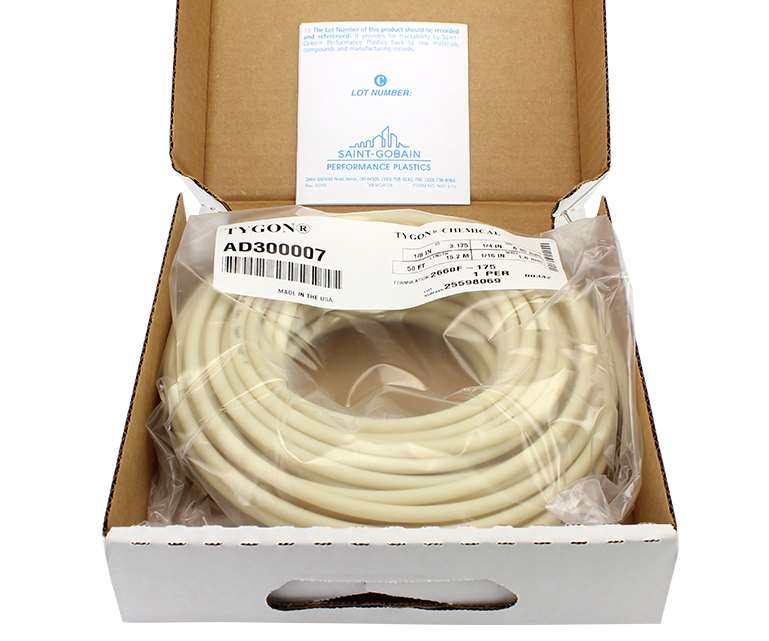
- Tygon: Commonly used for laboratory and medical applications due to its high clarity and durability.
Tubing Size Compatibility
Ensuring the correct tubing size is essential for optimal performance. Consider the following:
- Inner Diameter (ID): Directly affects the flow rate. A larger ID generally results in a higher flow rate at the same pump speed. The pump head is designed for specific ID ranges.
- Outer Diameter (OD): Affects how the tube fits into the pump head.
- Wall Thickness: Influences the tube’s ability to withstand compression and its suction lift capabilities. Thicker walls generally offer better suction lift and longer life but may require more powerful pumps. The wall thickness must be compatible with the pump head’s roller/shoe gap.
∆ Always refer to the peristaltic pump manufacturer’s specifications for the recommended tubing sizes. Using incompatible tubing can lead to poor performance, tube damage, or even pump failure.
Brand Certification
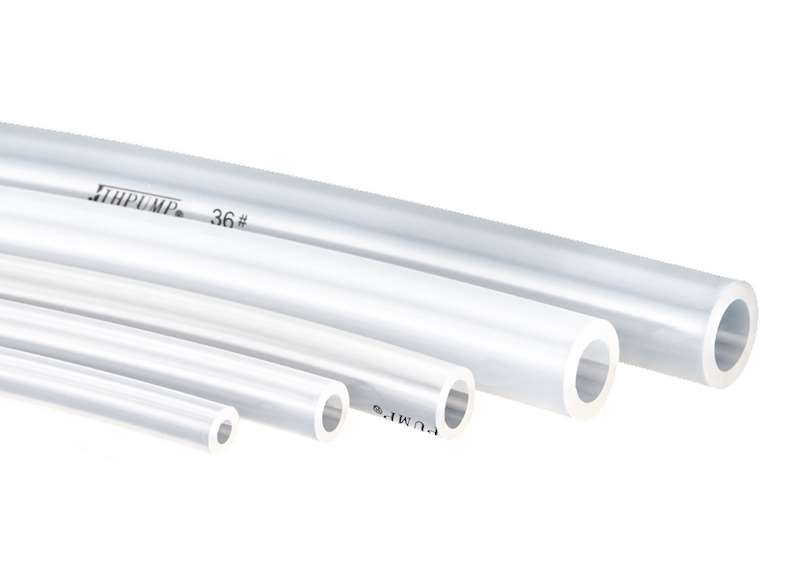
Using certified and high-quality tubing ensures compatibility and compliance with industry standards. Choosing a reputable brand like JIHPUMP guarantees superior performance and longevity.
Step-by-Step Guide to Replacing Peristaltic Pump Tubing
Tools Preparation
Before starting, gather the necessary tools:
- Replacement tubing
- Scissors or a tubing cutter
- Gloves (for hygiene and chemical protection)
- Cleaning solution (if needed)
6-Step Replacement Process
1. Turn Off the Pump: Ensure the pump is powered off to avoid accidental operation.
2. Remove the Old Tube: Open the pump head and carefully remove the worn tubing.
3. Inspect the Pump Head: Clean the rollers and check for debris or signs of damage.
4. Install the New Tube: Feed the replacement tubing through the pump head, ensuring proper alignment.
5. Secure the Tube: Close the pump head, making sure the tube is held firmly but not overly tight.
6. Test the Pump: Turn on the pump and check for smooth operation, correct flow rate, and absence of leaks.
Video Assistance
Watch our demo video for visual guidance
Extending Tubing Lifespan: Maintenance Best Practices
While periodic replacement is inevitable, implementing proper maintenance practices can significantly extend the lifespan of your peristaltic pump tubing:
- Use Compatible Tubing: Selecting the right tubing material that matches the pumped fluid prevents premature wear and degradation.
- Adjust Pump Settings: Set roller or shoe pressure according to the manufacturer’s recommendations to avoid excessive compression, which accelerates wear.
- Reduce Abrasive Particles: If possible, filter the fluid before pumping to minimize internal tubing wear caused by suspended particles.
- Prevent Dry Running: Always ensure fluid is present before operating the pump to avoid overheating and potential tube damage.
- Conduct Regular Inspections: Periodically check for signs of wear, cracks, or leaks to prevent unexpected failures.
- Clean After Use: Flush the tubing with an appropriate cleaning solution if needed to remove deposits and extend lifespan.
- Store Properly: Keep spare tubing in a cool, dark, and dry environment, away from sunlight and ozone sources, to maintain its integrity.
Why Choose JIHPUMP Replacement Tubing?

- High-Quality Materials: Made from industry-leading materials to ensure durability and performance.
- Perfect Compatibility: Designed specifically for various peristaltic pump models.
- Enhanced Chemical Resistance: Suitable for handling a wide range of fluids.
- Certified & Compliant: Meets industry standards for food, pharmaceutical, and industrial applications.
- Expert Support: Our team provides guidance to help you choose the right tubing for your needs.
By choosing JIHPUMP tubing, you can ensure the continued reliable and efficient operation of your peristaltic pumps, minimize downtime, and maintain the integrity of your critical processes.