
Why Low Flow Peristaltic Pumps Are Ideal for Water Sampling?
Environmental monitoring requires the collection of accurate, uncontaminated, and representative water samples—whether from groundwater wells, streams, lakes, or wetlands. In this context, the right pumping equipment is critical to ensure the integrity of sampling procedures. Among the various pumping technologies available, the low flow peristaltic pump stands out as the ideal choice for many field and lab-based sampling applications.
This article explores why low flow sampling peristaltic pumps are favored by environmental scientists and technicians, what challenges they help overcome, and how to select the right pump for your sampling needs.

Why Water Sampling Requires Precision?
Water sampling is a critical process in environmental monitoring, industrial compliance, and scientific research. Accurate data collection ensures reliable analysis of pollutants, microorganisms, and chemical compositions. However, traditional sampling methods, such as grab sampling or high-flow pumps, often introduce errors:
- Cross-contamination: Aggressive pumping mixes water layers, skewing results in stratified environments like lakes or groundwater.
- Physical disruption: High flow rates damage delicate microbial communities or suspended particles.
- Inconsistent representation: Variable flow speeds fail to capture time-dependent contamination patterns.
Precision in flow control is non-negotiable for meaningful environmental insights.
What Is a Low Flow Peristaltic Pump?
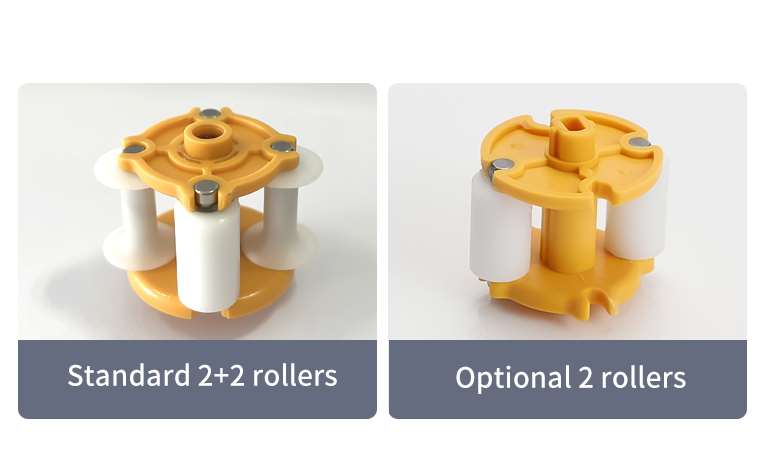
A low flow peristaltic pump is a type of positive displacement pump that moves fluids through flexible tubing using a rotating roller mechanism. As the rollers compress the tubing, the liquid is pushed forward without ever coming into contact with any internal pump components—only the tubing.
Typical features of low flow peristaltic pumps include:
- Contamination-free operation: Fluid only contacts the tubing, ideal for sensitive analyses.
- Precise control: Adjustable speed and tubing size enable microliter-level accuracy.
- Portability: Compact, battery-operated models support fieldwork.
For applications requiring larger volumes and higher flow rates, you may be interested in High Flow Peristaltic Pumps — designed for industrial processes, chemical transfer, and bulk fluid handling.
Five Technical Challenges in Water Sampling and How Low Flow Pumps Help
Challenge 1: Accurate Layered Sampling
Problem: Capturing depth-specific samples in stratified water bodies (e.g., lakes with thermoclines) without disturbing layers.
Solution:
Low flow rates (1–10 mL/min): Minimize suction force to prevent vertical mixing.
Pulse dampening: Advanced pumps reduce flow pulsation, ensuring smooth extraction.
Case Study: Researchers studying eutrophication in Lake Geneva used a low flow pump to collect phosphorus-rich layers at 15m depth, avoiding algal bloom interference.
Challenge 2: Microbial Integrity
Problem: High shear forces from traditional pumps damage plankton or bacteria, invalidating ecological assessments.
Solution:
Gentle pumping: Peristaltic pumps eliminate mechanical shear, preserving cell structures.
Bio-inert tubing: Materials like PharMed® BPT prevent biofilm formation.
Application: In coral reef studies, low flow pumps successfully collected fragile zooplankton without lysing cells.
Challenge 3: Handling Corrosive Liquids
Problem: Acidic mine drainage, saline estuaries, or PFAS-contaminated water degrade pump components.
Solution:
Chemical-resistant tubing: Viton® or Tygon® tubes withstand pH extremes and organic solvents.
Sealed motor design: Prevents corrosive fumes from damaging internal parts.
Example: A mining company reduced tubing replacement costs by 60% after switching to Viton® tubing for acid-leachate sampling.
Challenge 4: Power Limitations in the Field
Problem: Remote sites lack reliable electricity for extended sampling campaigns.
Solution:
Solar compatibility: 12V DC input pairs with portable solar panels.
Field Tip: Arctic researchers use solar-powered peristaltic pumps for continuous methane monitoring in permafrost meltwaters.
Challenge 5: Long-Term Continuous Monitoring
Problem: Pump failure in harsh conditions (e.g., freezing temperatures, silt-laden water) disrupts data continuity.
Solution:
Durable construction: IP65-rated pumps resist dust and water ingress.
Self-cleaning modes: Periodic reverse flushing prevents tube clogging.
Case Study: A coastal monitoring station in Alaska achieved 98% uptime over six months using a pump with heated tubing for winter operation.
How to Choose the Right Low Flow Pump for Sampling?
When selecting a low flow peristaltic pump for water sampling, consider the following key factors:
- Flow Rate Control: Ensure the pump supports stable and adjustable low flow rates (e.g., 0.1–500 mL/min) for both purging and sampling.
- Tubing Compatibility: Choose tubing materials compatible with your sample fluids (acidic, organic, or saline). Easy tube replacement is also important.
- Portability: Field sampling requires lightweight, compact pumps—preferably with battery or USB power options.
- Build Quality: Look for rugged designs that withstand dust, moisture, and rough handling in outdoor environments.
- Automation and Integration: Pumps with OEM integration support (e.g., signal control, RS485/TTL interfaces) are ideal for building into larger environmental monitoring systems.
Our Recommendation: MN3 and MN4 Mini OEM Peristaltic Pumps
If you’re looking for reliable, compact, and high-performance low flow peristaltic pumps for water sampling, we recommend the MN3 and MN4 Mini OEM Peristaltic Pumps.
MN3 Mini OEM Peristaltic Pump
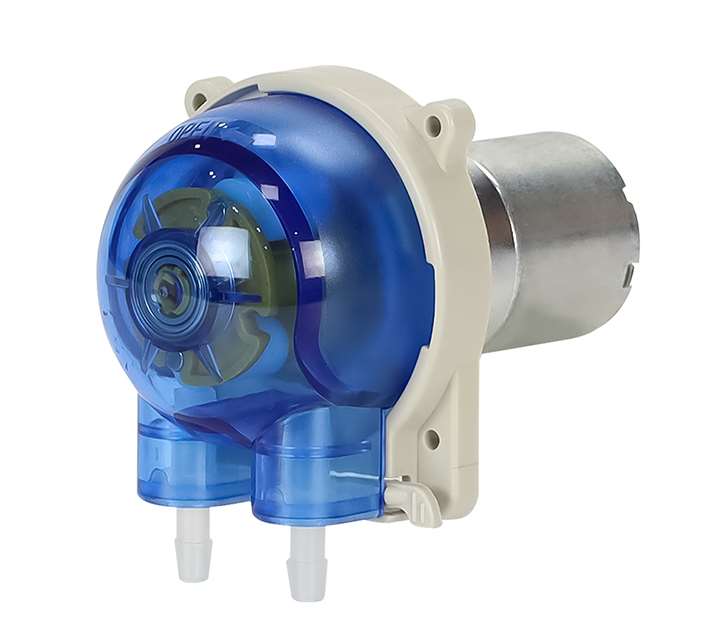
The MN3 Mini OEM Peristaltic Pump features a compact design with an optional transparent cover, allowing users to easily observe the pump’s operating status in real time. It accommodates multiple tubing sizes—such as 16#, 25#, and 17#—and comes with a 4-hole mounting panel for fast and hassle-free installation.
- Users can select either a 2-roller or 4-roller configuration:
- The 2-roller setup offers higher flow rates and extends tubing lifespan.
- The 4-roller design minimizes pulsation for a smoother and more stable fluid delivery.
MN4 Mini OEM Peristaltic Pump
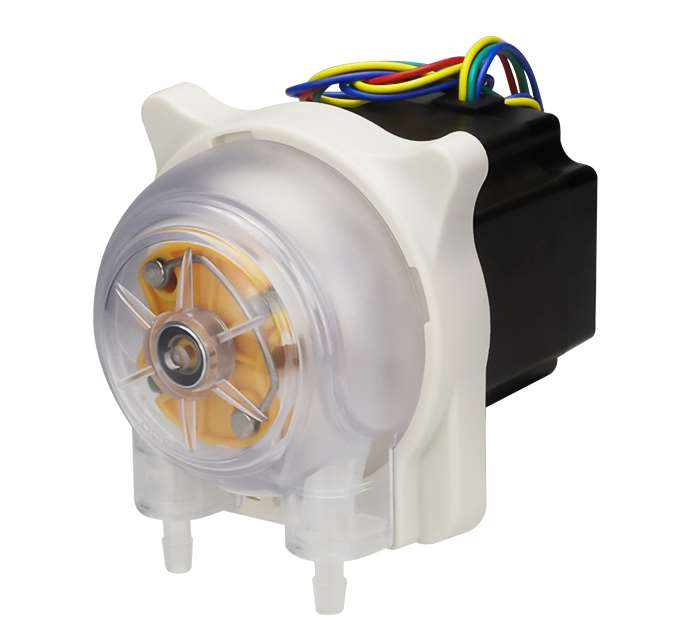
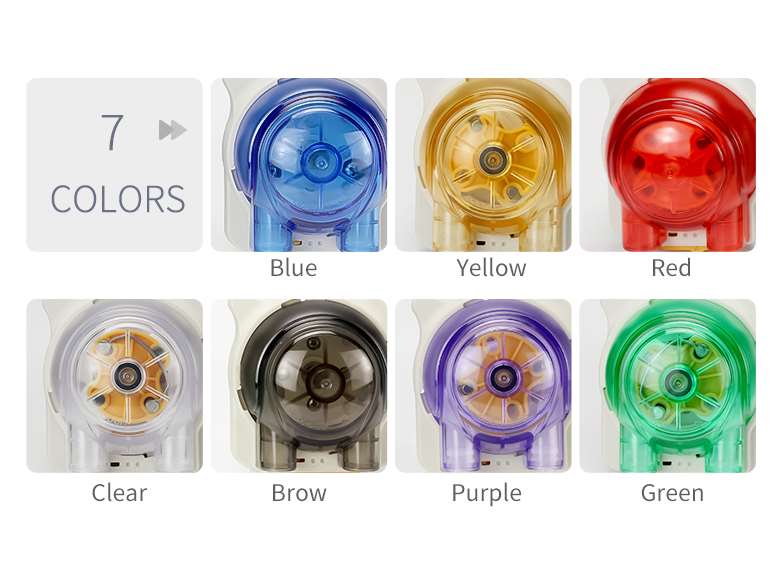
The MN4 Mini OEM Peristaltic Pump is an enhanced version of the classic 204K model, designed with identical mounting hole positions to ensure full compatibility for easy replacement or system integration. It features an optional colored transparent cover, allowing users to visually monitor the pump’s operation status with ease.
Both models are optimized for OEM integration, making them excellent choices for equipment manufacturers and environmental monitoring professionals who need compact, low power, and precise pumping solutions.