
Types of Industrial Pumps and How to Choose Right One?
In the world of industrial production, liquid transfer is as crucial as blood flow in the body. Industrial pumps are the core driving force behind this “circulatory system.” However, industrial applications vary greatly, and each process has different requirements for pumps. This makes choosing the right pump even more critical. After all, the right equipment can not only improve efficiency but also save on maintenance costs and extend service life.
To help you navigate through the many options, this guide will walk you through the main types of industrial pumps. We hope this guide will provide you with clear insights, helping you find the perfect “liquid handler” that best suits your needs!
Part 1. What is an Industrial Pump?
Industrial pump is a mechanical device used to move liquids—or sometimes gases—from one place to another in a controlled and efficient way. Unlike household pumps, industrial pumps are built to handle large volumes, high pressures, or harsh conditions commonly found in manufacturing, chemical processing, water treatment, oil and gas, and other heavy-duty applications.
They come in many types and sizes, but their goal is the same: to keep fluids flowing reliably through pipes, systems, and processes. Whether it’s transferring chemicals, circulating cooling water, or dosing precise amounts of liquid, industrial pumps are essential to keeping industries running smoothly.
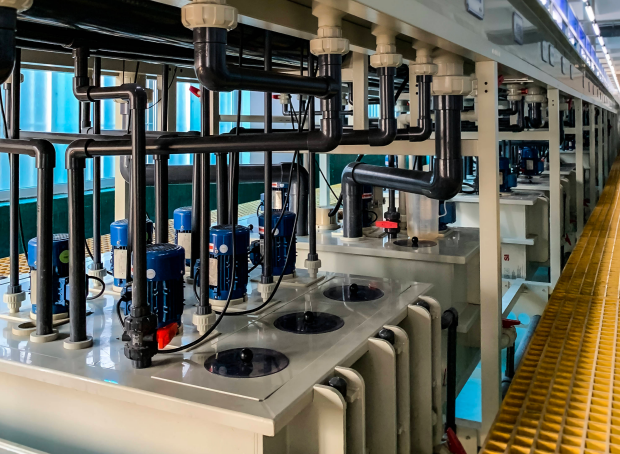
Part 2. Two Main Types of Industrial Pumps: Dynamic and Positive Displacement
Industrial pumps can be broadly classified into two main types based on their working principles:
Dynamic Pumps: These pumps rely on kinetic energy to move liquids. A typical example is the centrifugal pump.
Positive Displacement Pumps: These pumps mechanically change the volume of a sealed chamber to “push out” the liquid. Examples include peristaltic pump and diaphragm pumps.
Each type is suited to different fluid properties and operating conditions. In the sections below, we’ll delve into the features and applications of each category in more detail.
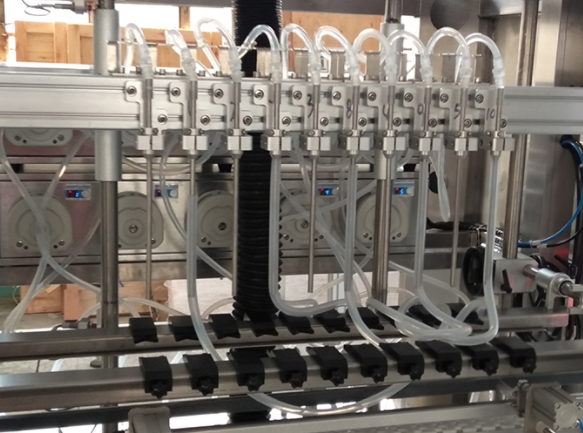
Part 3. Types of Dynamic Pumps
Dynamic pumps move liquids by converting mechanical energy—usually from a rotating impeller—into kinetic energy, which is then transformed into pressure. These pumps are ideal for continuous, high-flow applications and are commonly used in a wide range of industries.
1.Centrifugal Pump
The centrifugal pump is one of the most widely used types of industrial pumps. It operates by using a rotating impeller to generate centrifugal force, which throws the liquid outward from the center of the impeller, increasing velocity and pressure to move the fluid through the system.

Advantages:
- Simple structure, easy to maintain
- Cost-effective
- Ideal for handling large volumes of low-viscosity liquids
Typical Applications:
- Chemical plants
- Power stations
- Municipal water supply systems
- Cooling and circulation systems
Limitations:
- Not suitable for high-viscosity fluids
- Poor performance in low-flow, high-pressure situations
2. Axial Flow Pump
Axial flow pumps, also known as propeller pumps, move liquid along the direction of the pump shaft (axially), much like a boat propeller. They are specifically designed for situations that require very high flow rates at relatively low pressures (low head).

Advantages:
- Excellent for moving large volumes of liquid
- Efficient in low head conditions
Typical Applications:
- Agricultural irrigation systems
- Urban flood control and drainage
- Large-scale water circulation in industrial plants
- Water treatment and pumping stations
3. Mixed Flow Pump
Mixed flow pumps combine the characteristics of both centrifugal and axial flow pumps. The liquid is discharged at an angle—partly radial and partly axial—making these pumps suitable for medium head and medium flow conditions.

Advantages:
- Balanced performance between flow and pressure
- Suitable for applications requiring moderate head and capacity
Typical Applications:
- Municipal water supply systems
- HVAC and industrial cooling systems
- Aquaculture and fish farming operations
- Light-duty irrigation and drainage systems
Part 4. Types of Positive Displacement Pumps
Positive displacement pumps move fluid by trapping a fixed amount in a chamber and then forcing (displacing) it into the discharge pipe. Unlike dynamic pumps, they deliver a constant flow regardless of pressure, making them ideal for handling viscous fluids or applications requiring precise flow control.
Here are six common types of positive displacement pumps:
1. Gear Pump
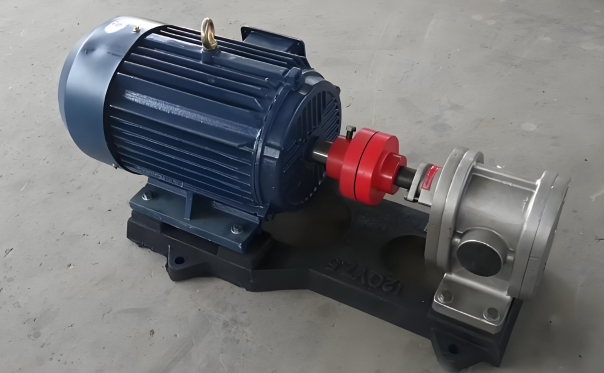
A gear pump operates using two meshing gears—either external or internal—that rotate to trap fluid in the spaces between the gear teeth and the pump casing.
As the gears turn, they carry the liquid from the inlet side to the outlet, producing a steady, pulseless flow. These pumps are known for their simplicity, durability, and ability to handle thick fluids.
Advantages:
- Smooth and consistent flow
- Compact design
- Handles viscous fluids well
Applications:
- Lubrication systems
- Fuel transfer
- Hydraulic power units
- Chemical processing
2. Diaphragm Pump
A diaphragm pump moves fluid by the back-and-forth flexing of a diaphragm, which creates a change in volume inside the pump chamber. Check valves control the flow direction, making this type of pump ideal for transferring corrosive, abrasive, or hazardous fluids.
Since the fluid is isolated from the moving parts, it’s a top choice for clean and safe fluid handling.

Advantages:
- Leak-free, safe for toxic fluids
- Handles solids and slurries
- Self-priming capability
Applications:
- Chemical dosing
- Wastewater treatment
- Paint and ink industries
- Food and beverage
3. Piston Pump
Piston pumps use a reciprocating piston within a cylinder to draw in and force out liquid in a controlled manner. Each stroke of the piston displaces a specific volume, offering precise flow and high pressure.
These pumps are often used where accuracy and power are required, and they can handle a variety of fluids, including those with suspended solids.

Advantages:
- High pressure output
- Accurate flow control
- Ideal for metering
Applications:
- High-pressure cleaning
- Hydraulic systems
- Oil and gas industry
- Water jet cutting
4. Peristaltic Pump
Peristaltic pumps work by compressing a flexible hose or tube with rotating rollers, pushing the fluid forward in a peristaltic motion—much like how food moves through the digestive system.
Since the fluid only contacts the tubing, the pump ensures contamination-free transfer, making it ideal for sanitary or chemical-sensitive environments.
Advantages:
- No cross-contamination
- Gentle on shear-sensitive fluids
- Easy to clean and maintain
Applications:
- Pharmaceutical and biotech
- Laboratory dosing
- Food-grade applications
- Chemical handling

5. Screw Pump
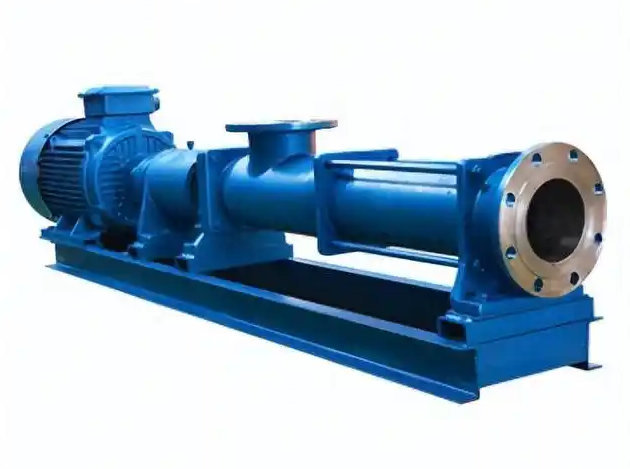
Screw pumps transport fluid by rotating one or more helical screws inside a closed chamber. As the screws turn, they create a continuous seal that moves the fluid smoothly along the axis.
They are particularly suited for high-viscosity, abrasive, or multiphase fluids, and are prized for their low pulsation and quiet operation.
Advantages:
- Steady, pulsation-free flow
- Good for high-viscosity fluids
- Handles solids in suspension
Applications:
- Crude oil transfer
- Sludge handling
- Industrial coatings
- Bitumen and adhesives
6. Lobe Pump
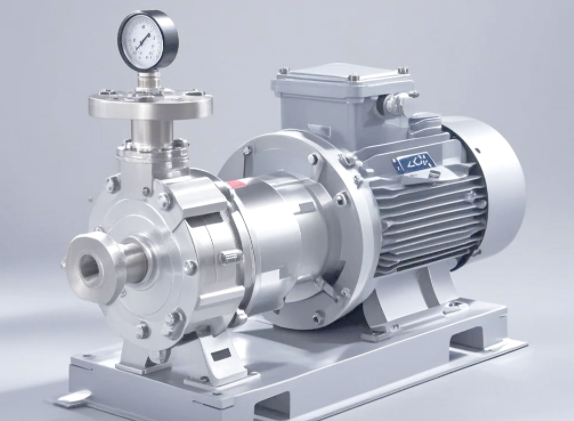
Lobe pumps feature two or more lobed rotors that rotate in opposite directions without touching. The rotating lobes trap and transfer fluid efficiently while allowing large solids or delicate materials to pass through without damage.
Their gentle pumping action and easy-to-clean design make them favorites in the food, cosmetic, and pharmaceutical industries.
Advantages:
- Hygienic design
- Low shear, good for delicate products
- Can handle solids without damage
Applications:
- Dairy and beverage processing
- Cosmetic and personal care products
- Pharmaceutical production
- Food manufacturing
Part 5. How to Choose the Right Industrial Pump?
When it comes to selecting an industrial pump, “almost right” just doesn’t cut it. With so many types available, choosing the right one requires a solid understanding of your working conditions and fluid properties.
A well-matched pump not only ensures smooth operation but also minimizes maintenance costs and extends service life. Here are the key factors to consider:
1. Fluid Properties
Corrosive liquids? Choose pumps with corrosion-resistant materials like fluoroplastic centrifugal pumps or diaphragm pumps.
Contains solids or particles? Avoid pumps with narrow clearances (e.g., gear pumps); opt for screw pumps or slurry pumps.
High viscosity? Positive displacement pumps like peristaltic, screw, or lobe pumps perform better than dynamic ones.
Tip: Understand your fluid’s composition, temperature, viscosity, and whether it contains abrasives—these directly influence your pump choice.
2. Flow Rate & Head
High flow, low head applications (e.g., water supply or cooling): Centrifugal pumps are efficient and economical.
Low flow, high pressure needs (e.g., metering, spray systems): Go for plunger or diaphragm pumps.
Need precise volume control? Consider peristaltic or gear pumps.
Tip: If available, provide a flow vs. head curve to ensure the pump operates in its optimal range.
3. Working Environment
Frequent start-stops? Use pumps that are easy to prime and self-start (e.g., peristaltic or diaphragm pumps).
Explosion-proof requirement? Choose intrinsically safe or non-electric pumps (e.g., air-operated diaphragm pumps or spring starters).
Strict hygiene standards? For food, beverage, or pharma, select hygienic-grade centrifugal, lobe, or peristaltic pumps.
Tip: Assess if your system needs CIP/SIP, high-temperature resistance, or noise control features.
4. Maintenance & Lifespan
Some pumps (e.g., plunger pumps) require frequent seal replacement;
Others (like peristaltic pumps) offer easier maintenance by simply replacing tubing;
Gear pumps are long-lasting but sensitive to solids.
Tip: Evaluate how easy it is to service the pump, and how often it needs downtime for maintenance.
5. Cost Effectiveness
A cheaper pump may lead to higher operational or repair costs;
A more expensive, efficient pump may save more in the long run with better energy efficiency and lower maintenance needs.
Tip: Consider the total life cycle cost—initial price + energy use + maintenance—when comparing options.
In Conclusion
Industrial pumps come in a wide variety, each designed for specific applications and with its own unique advantages. Understanding how different types of industrial pumps work and where they are best applied is essential for improving equipment efficiency and ensuring safe production.
If you’re looking for a reliable and cost-effective industrial pump solution, like peristaltic pump, JIHPump is here to provide expert selection advice and customized services tailored to your application.