
Peristaltic Pump vs. Piston Pump: What’s the Difference?
In the world of fluid transport and precise metering, choosing the right pump is like selecting the “heart” of your system, it’s crucial. Among the popular choices, the peristaltic pump and the piston pump are widely used in both industrial and laboratory settings. They each have distinct differences in design, operating principles, ideal applications, and maintenance costs.
So, which one is the best fit for your needs?
In this article, we will compare peristaltic pump vs piston pump from multiple perspectives to help you make an informed decision and achieve optimal results.
Part 1. What is Peristaltic Pump?
Peristaltic pump is a type of positive displacement pump that operates by using a rotor and rollers to periodically compress a flexible hose, pushing the liquid inside the hose forward.
Since the liquid is always in contact with the inner walls of the hose and the pump body itself does not come into contact with the medium, peristaltic pumps offer an exceptionally high level of hygiene.

Key Features:
Liquid Only Comes into Contact with the Hose:
The pump ensures that the liquid being transferred only interacts with the interior surface of the flexible hose, which prevents contamination of both the liquid and the pump system. This makes peristaltic pumps ideal for applications that require high levels of cleanliness, such as in the pharmaceutical, food, and beverage industries.
Handling Corrosive, Contaminable, or High-Viscosity Liquids:
Peristaltic pumps are well-suited for transporting liquids that are highly corrosive, prone to contamination, or have high viscosity. The flexible hose material can be selected based on the specific needs of the liquid being pumped, making it versatile in handling various challenging substances.
Strong Self-Priming Capability:
These pumps are capable of self-priming, meaning they can start pumping liquids even from a dry state without the need for additional priming mechanisms. This is particularly useful for applications where liquid may not always be readily available at the pump inlet.
Ability to Run Dry:
One of the standout features of peristaltic pumps is their ability to run dry without damaging the system. Since the liquid is contained within the hose, there’s no risk of overheating or damaging the pump components if the pump operates without liquid for a short period.
Easy to Clean and Replace Hoses:
Maintaining a peristaltic pump is straightforward due to the design. The hoses can easily be removed and replaced, which is especially important when switching between different liquids or for regular cleaning cycles.
This minimizes downtime and ensures optimal performance over time. Additionally, cleaning procedures are simple as the fluid path is isolated within the hose, reducing the potential for cross-contamination between batches.
Peristaltic pumps offer an excellent solution for a wide range of applications, particularly where hygiene, handling of difficult liquids, and ease of maintenance are top priorities. Their design makes them an indispensable tool in industries such as pharmaceuticals, food processing, water treatment, and chemical processing.
Part 2. What is Piston Pump?
Piston pump is another type of positive displacement pump, designed to use the reciprocating motion of a piston within a pump chamber to draw in and expel fluid through inlet and outlet valves. Known for its high-pressure capabilities and precise fluid delivery, piston pumps are widely used in demanding applications that require robust performance.
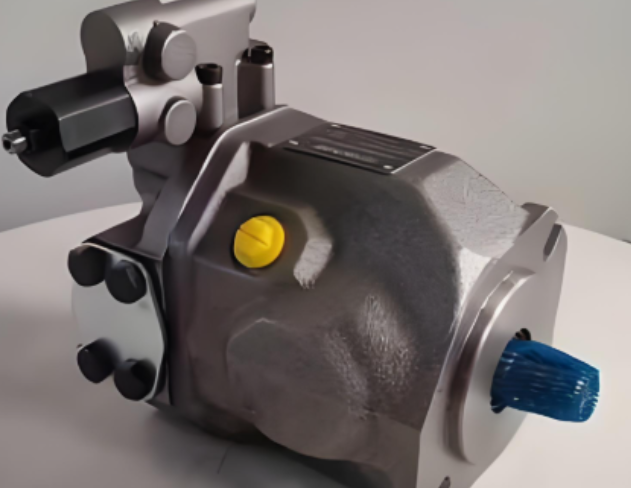
Key Features:
Ideal for High-Pressure Applications, Capable of High-Precision Delivery:
Piston pumps are designed to handle high-pressure environments, making them well-suited for applications that demand precision and the ability to maintain consistent flow under pressure.
Their ability to deliver fluids with high accuracy is particularly beneficial in industries where specific fluid volumes need to be met, such as in fuel injection systems, hydraulic systems, and in certain chemical processes.
Robust Construction for Long-Term Operation:
Piston pumps are built with a strong and durable structure that can withstand harsh operating conditions. This makes them reliable for long-term operation, even under continuous high-pressure or high-stress scenarios.
Their ruggedness is essential for industries such as oil and gas, automotive, and heavy-duty machinery, where uptime is critical.
Handling High Viscosity or Particle-Laden Fluids:
These pumps are effective at handling fluids with high viscosity or those containing solid particles. The piston mechanism’s strong suction capability allows it to transport thick, sticky liquids or liquids with suspended solids, making it useful for applications like sludge pumping, food processing, and chemical manufacturing. The design allows for the careful handling of such materials without clogging or damaging the system.
Complex Maintenance, Requires Regular Seal and Valve Replacement:
One downside of piston pumps is that they require more frequent maintenance compared to other pump types. The seals and valves used in piston pumps are subject to wear and tear over time, and they need to be regularly replaced to ensure the pump operates efficiently.
This maintenance requirement can be time-consuming and may incur additional costs, but it is essential for keeping the pump performing at its best, particularly when used in high-pressure, high-performance applications.
Piston pumps are a reliable and efficient solution for high-pressure fluid transfer, especially in situations where precision, durability, and the ability to handle challenging fluids are required. While they do require more complex maintenance, their robust design and ability to handle demanding tasks make them indispensable in various industrial applications, from hydraulic systems to chemical processing.
Part 3. Peristaltic Pump vs Piston Pump: Key Differences
When choosing a pump for your fluid transfer needs, understanding the differences between peristaltic pumps and piston pumps is crucial. These two types of positive displacement pumps are commonly used across various industries, but each has its unique advantages and specific applications.
Let’s check their differences below:
Fluid Contact Components
Peristaltic Pump: The fluid only comes into contact with the flexible hose, ensuring no direct contact with the pump body.
Piston Pump: The fluid interacts with the pump chamber, piston, and seals, which can lead to more wear and contamination risks.
Hygiene Level
Peristaltic Pump: Offers a high level of hygiene, making it ideal for applications requiring sterile conditions, as there is no direct contact between the fluid and the pump parts.
Piston Pump: Has a moderate hygiene level due to the fluid’s interaction with pump components, which may require more frequent cleaning to maintain sterility.
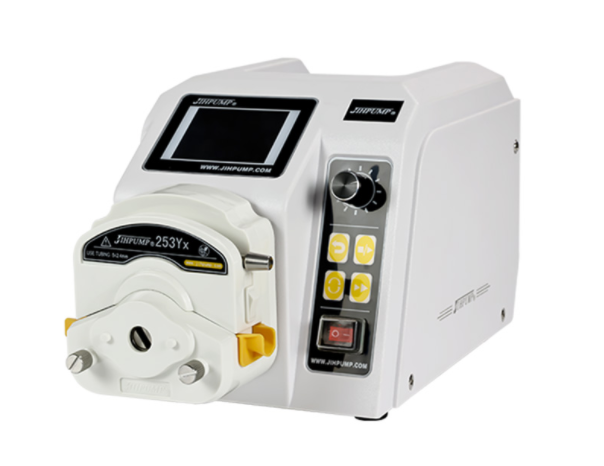
Suitable Liquids
Peristaltic Pump: Best suited for handling corrosive, shear-sensitive, or delicate liquids, as it avoids mixing or damaging the fluid.
Piston Pump: Ideal for transporting high-viscosity and high-pressure liquids, as it can generate higher forces to move thick or dense fluids.
Operating Noise
Peristaltic Pump: Operates quietly, making it a preferred choice in environments where noise reduction is important.
Piston Pump: Generally produces higher noise levels due to the mechanical movements of the piston and valves.
Maintenance Cost
Peristaltic Pump: Maintenance costs are relatively low, as the main component that requires replacement is the hose, which is simple and inexpensive to replace.
Piston Pump: Maintenance costs are higher because it requires regular replacement of seals, valves, and other components that wear out over time.
Flow Control Precision
Peristaltic Pump: Offers good flow control, with the ability to adjust the flow rate by varying the speed of the pump.
Piston Pump: Provides very high precision in flow control, making it ideal for metered dosing and applications requiring accurate, consistent fluid delivery.
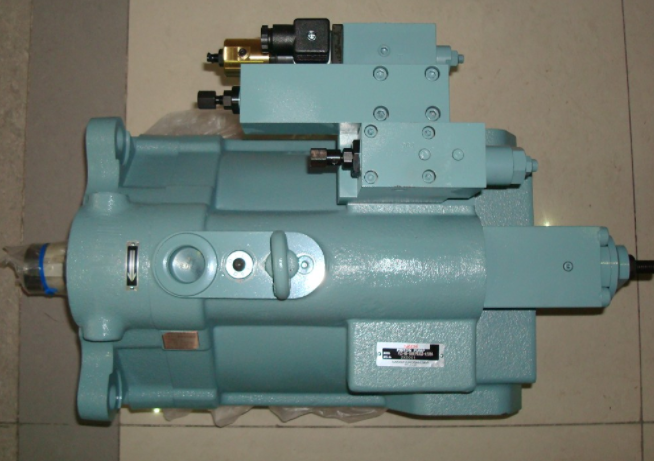
Initial Investment
Peristaltic Pump: Has a moderate initial investment, making it a cost-effective option for many applications.
Piston Pump: Typically has a higher initial investment due to its more complex design and components.
Summary of Piston Pump vs Peristaltic Pump
| Comparison Dimension | Peristaltic Pump | Piston Pump |
| Fluid Contact Components | Only the hose | Pump chamber, piston, seals |
| Hygiene Level | High (suitable for sterile requirements) | Moderate |
| Suitable Liquids | Corrosive, shear-sensitive liquids | High viscosity, high-pressure liquids |
| Operating Noise | Low noise | Higher noise |
| Maintenance Cost | Low (only hose replacement) | High (regular replacement of components) |
| Flow Control Precision | Good (adjustable by speed) | Very high (suitable for metered dosing) |
| Initial Investment | Moderate | Higher |
Part 4. How to Choose the Right Pump?
Selecting the right pump goes far beyond simply comparing performance specifications. It requires a clear understanding of your actual application needs, including the nature of the fluid being handled, the operating environment, and long-term maintenance considerations.
1. For Corrosive, Contaminant-Sensitive, or Hygienic Applications — Choose a Peristaltic Pump
If your fluid is chemically aggressive, prone to contamination, or needs to be handled in a sterile environment, a peristaltic pump is the ideal choice. Since the fluid only comes into contact with the inner surface of the flexible hose and not with the pump mechanism itself, cross-contamination risks are minimized.
2. For High-Pressure, High-Precision, or High-Viscosity Applications — Choose a Piston Pump
When your process requires accurate fluid metering under pressure, or involves the transfer of viscous or particulate-laden fluids, a piston pump is more appropriate. Its strong mechanical drive and valve-controlled flow ensure consistent delivery even in tough conditions.
3. For Easy Maintenance and Low Operating Cost — Peristaltic Pump is the Better Option
If ease of maintenance and long-term cost efficiency are your priorities, and your application doesn’t demand high pressure, a peristaltic pump will generally provide a more convenient and economical solution.
Benefits include:
- Simple hose replacement without dismantling the pump
- Minimal wear on mechanical parts
- Reduced downtime and maintenance overhead
- Lower total cost of ownership over time
Summary: Choosing the Right Pump Enhances System Performance
Peristaltic pumps and piston pumps each offer unique advantages in terms of pumping mechanism, application scenarios, and maintenance requirements. Peristaltic pumps are favored in biopharmaceutical and laboratory settings for their hygienic operation and ease of maintenance, while piston pumps play a key role in industrial applications thanks to their high-pressure delivery capabilities.
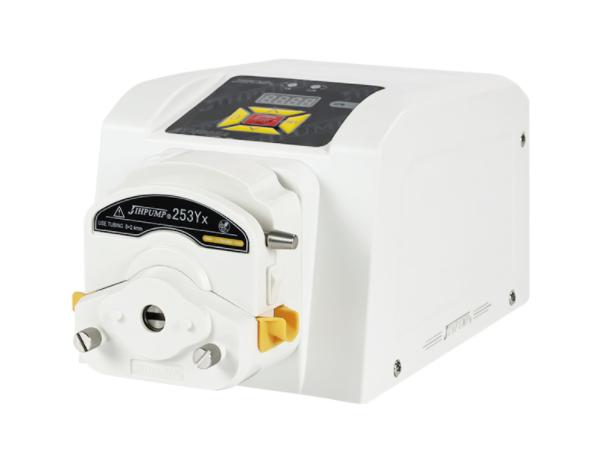
If you are looking for a high-performance and versatile peristaltic pump solution, JIHPump offers a wide range of models along with customization services to help you boost efficiency and reduce downtime in your production or research processes.