
Peristaltic Pumps for Chemical Metering: Are They Accurate Enough for Industrial Dosing?
Traditionally, diaphragm and piston-type metering pumps have been the preferred choice for precise chemical metering applications. However, in recent years, there is growing interest in chemical handling using peristaltic chemical metering pumps that are characterized by their leak-free operation, chemical compatibility, and low maintenance requirements.
Then, is the accuracy of the peristaltic pump sufficient to meet the requirements of industrial chemical measurement? This article will assess the range of accuracy in practical applications, the key influencing factors, and the engineering methods for ensuring stable measurement performance.
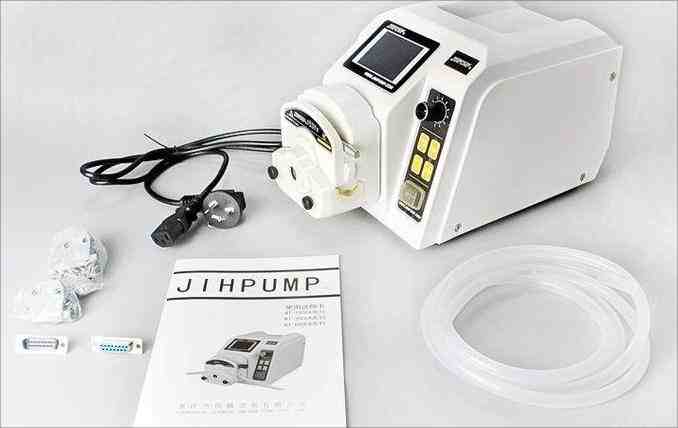
How Accurate Are Peristaltic Pumps in Real Chemical Metering Applications?
Peristaltic pumps are positive displacement pumps. In theory, the pumped volume rate will be directly proportional to rotor speed. They are therefore naturally suited for use as metering pumps. Since the liquid is completely enclosed within the tubing, there is low slip inside the pump compared with some pumps.
Nonetheless, actual industrial accuracy is better defined as a band rather than a specific figure.
Typical Accuracy Ranges
Under controlled laboratory conditions, peristaltic pumps can achieve accuracy levels of approximately:
- ±0.5% to ±1% in short-duration tests
- Highly stable flow when tubing is new and temperature is constant
In stable industrial environments, typical performance is:
- ±1% to ±2% for well-maintained systems
- Consistent repeatability for batch or semi-continuous dosing
In long-term continuous industrial operation:
- ±2% to ±5% may occur without recalibration
- Drift is usually gradual and predictable
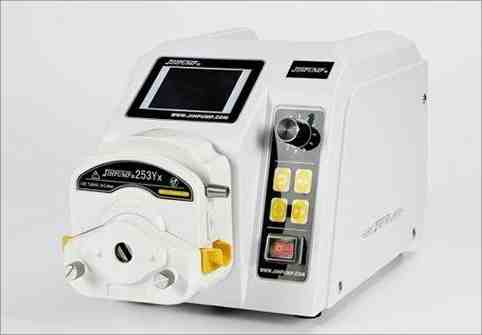
The important point to understand is that the accuracy of peristaltic pumps is usually repeatable rather than absolute. This makes them very effective in many volumetric processes, as consistency is more crucial in these processes than laboratory-level precision.
However, for the majority of industrial chemical dosing systems, especially water treatment, neutralization, and additive injection, this sort of accuracy is totally acceptable.
What Factors Actually Affect Peristaltic Pump Dosing Accuracy?
Unlike theoretical pump curves, real dosing accuracy depends heavily on system variables. In practical industrial environments, four factors dominate performance.
Tubing Fatigue and Mechanical Wear
The tubing is the primary metering part of a peristaltic pump. As time progresses, the tubing will gradually suffer from fatigue due to compression. The elasticity of the tubing will vary, and as a result, the volume may change slightly.
This is normally a slow and predictable process, hence the use of planned tubing replacement as a mechanism of accuracy control.
Temperature Effects
The temperature is also another factor that affects the elasticity of the tubing and the viscosity of the fluid. At higher temperatures, the tubing might be softened. And low temperatures will increase the stiffness of the pipe material and the resistance of the fluid.
In variable temperature installations, which are often outdoors, these effects will arise and could manifest as measurable changes in the flows.
Chemical Compatibility
Chemical exposure tends to alter chemical tubing properties. Swelling, hardening, or softening of mechanical properties is likely to happen.
Chemically resistant material selection for the chemical tubing is arguably one of the most vital engineering decisions when designing chemical metering systems.
Drive System Resolution and Speed Stability
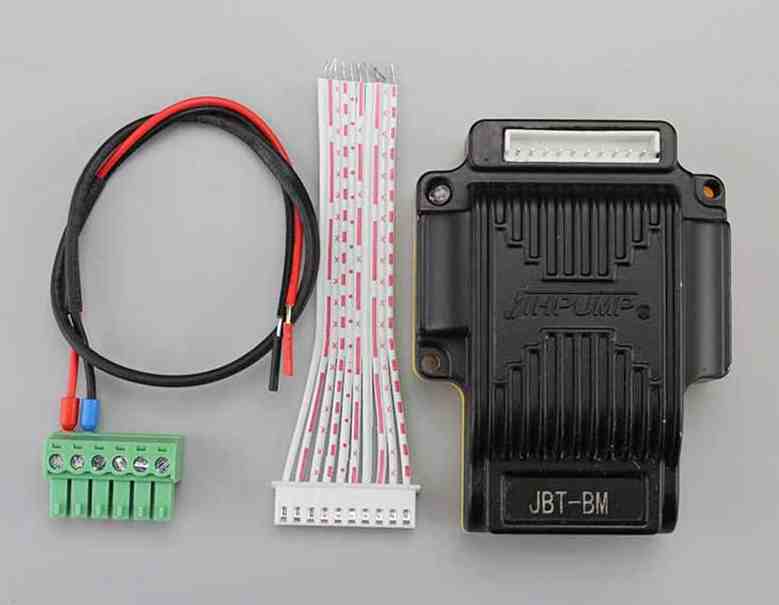
Since flow rate is directly related to the speed of the rotor, the quality of control of the motor is directly related to the stability of dosing. High-resolution motor control helps in increasing the reproducibility of dosing, particularly in low flow chemical dosing.
When Should You Consider Other Metering Pump Technologies?
While peristaltic chemical metering pumps are highly versatile, there are situations where alternative technologies may provide advantages.
Ultra-High Precision Pharmaceutical Dosing
Applications requiring accuracy better than ±0.5% over extended periods may benefit from piston or high-end diaphragm metering pumps with closed-loop feedback systems.
Extremely Low Micro-Flow Continuous Metering
At extremely low continuous flow rates, mechanical resolution limits may make other metering technologies more suitable, especially when long-term drift must be minimized.
High Pressure Chemical Injection
Peristaltic pumps are typically limited by tubing pressure resistance. For very high-pressure injection applications, diaphragm or piston metering pumps may be more appropriate.
Importantly, this does not reduce the value of peristaltic pumps. It simply highlights that each metering technology has an optimal operating range.
How to Ensure Stable Metering Accuracy When Using Peristaltic Pumps
In most industrial chemical metering applications, peristaltic pump accuracy can be significantly improved through proper engineering practices.
Select the Correct Tubing Material
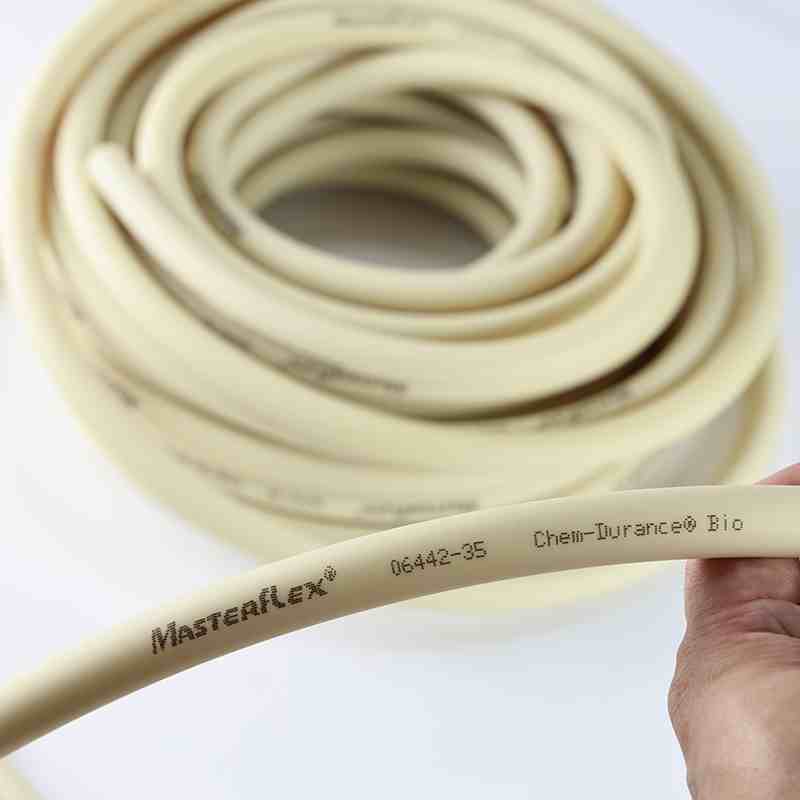
Chemical compatibility and mechanical durability must both be considered. Matching tubing material to chemical composition and operating temperature dramatically improves long-term stability.
Implement Scheduled Calibration Intervals
Rather than waiting for accuracy drift, many industrial facilities implement routine flow verification checks. Because drift is typically gradual, small periodic adjustments maintain high accuracy over long operating cycles.
Use High-Quality Drive Control Systems
Modern motor control systems with precise speed regulation can greatly improve dosing stability. For low-flow chemical metering applications, drive quality often matters as much as pump design.
Maintain Stable Pump Head Compression
Consistent tubing compression ensures predictable displaced volume per rotation. High-quality pump head design and proper maintenance reduce variability over time.
Final Thoughts
Peristaltic pumps are not designed to be the highest absolute-precision metering technology available. However, they are highly capable and reliable chemical metering solutions across a wide range of industrial dosing applications.
In real industrial environments, peristaltic chemical metering pumps typically deliver accuracy levels that are fully acceptable for most water treatment, chemical processing, and general industrial dosing operations. Their advantages—leak-free operation, strong chemical resistance, and simplified maintenance—often outweigh their limitations in ultra-high precision scenarios.
When properly selected, installed, and maintained, peristaltic metering pumps provide stable, predictable dosing performance and remain one of the most practical solutions for handling aggressive or contamination-sensitive chemicals.
For many industrial facilities, the question is no longer whether peristaltic pumps are accurate enough, but rather how to optimize system design to maximize their performance over time.