
Peristaltic Pumps vs Diaphragm Pumps for Fertigation: Which One Is Better?
In modern agriculture, fertilization and irrigation complement each other, allowing growers to simultaneously provide water and nutrients. This approach is widely used in greenhouses, hydroponics, orchards, and field crops. The operational efficiency of this system mainly depends on the pump that mixes the fertilizer into the water. Therefore, the effectiveness of the fertilization and irrigation system largely depends on the normal operation of this part.
For fertilization and irrigation, folks usually go with peristaltic or diaphragm pumps. These pumps vary in how they work, their maintenance needs, chemical compatibility, and accuracy in metering liquids. So, when picking one, which works better?
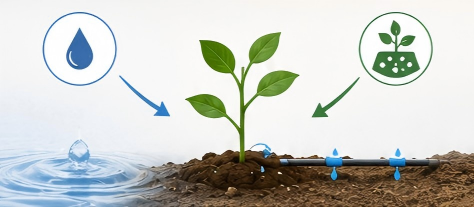
Why Pump Selection Matters in Fertigation Systems
Fertigation isn’t a one-size-fits-all process. Agricultural inputs differ greatly in physical and chemical properties. Growers deal with super concentrated, corrosive liquid fertilizers, thick organic mixes like fish hydrolysate or kelp extract, and rough suspended particles such as wettable powders.
To top it off, ag environments are harsh, with pumps facing extreme line pressures, outside junk, and temperature swings. Not only do pumps need to stand up to all that, but they have to keep a steady flow rate too, to handle irrigation pressures and feed crops evenly.
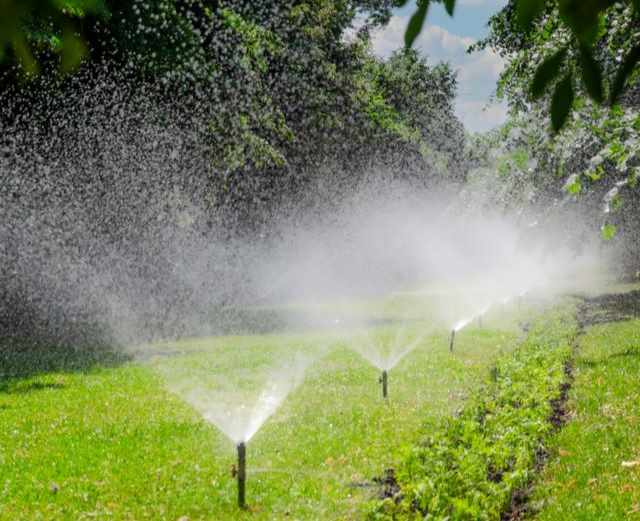
Peristaltic Pump vs Diaphragm Pump: Quick Comparison for Fertigation
| Feature / Criteria | Peristaltic (Hose) Pumps | Diaphragm Pumps |
| Working Principle | Rollers/shoes compress a flexible tube to push fluid forward. | A reciprocating flexible diaphragm alters chamber volume via check valves. |
| Chemical Isolation | Complete. Fluid only touches the inside of the tubing. | Partial. Fluid touches the diaphragm, pump head, and check valves. |
| Viscosity & Solids | Excellent. Easily handles thick liquids and particulate slurries. | Moderate. Viscous liquids and clogging solids can disrupt check valves. |
| Priming & Dry Running | Inherently self-priming; can run dry indefinitely without damage. | Self-priming but sensitive to vapor lock; running dry can wear components. |
| Maintenance Profile | Simple, fast tube replacement. High recurring consumable cost. | Complex valve/diaphragm rebuilds. Low recurring part cost. |
| Pressure Capability | Generally lower to medium (typically up to 4–8 bar / 60–115 PSI). | High to very high (easily exceeds 10–20+ bar / 145–300+ PSI). |
| Flow Consistency | Pulsing flow, but highly accurate per revolution. | Pulsing flow; accurate but affected by downstream pressure changes. |
Peristaltic Pumps: Application in Irrigation Networks
In practical field setups, peristaltic pumps serve as the go-to solution for proportional, low-pressure injection and multi-chemical blending manifolds. Because their flow rate is strictly dictated by motor RPM and is virtually unaffected by fluid density, agronomists rely on them when injecting highly concentrated, viscous stock solutions—such as humic acids, fish hydrolysates, or thick kelp extracts—directly into the mixing tanks or low-pressure sections of a drip system.
In automation-heavy setups, peristaltic pumps are frequently integrated with inline pH and EC (Electrical Conductivity) sensors. Since they can run dry without burning out and are completely immune to the “vapor lock” (gas pocketing) caused by outgassing chemicals like nitric acid or hydrogen peroxide, they are ideal for continuous, unattended pH correction. However, their hydraulic limitation becomes apparent at the mainline connection. Because they struggle to push against high backpressures without rapidly degrading the injection tubing, they are typically installed upstream of the main booster pump or in bypass mixing loops where the line pressure is minimal.
Diaphragm Pumps: Application in Irrigation Networks
The diaphragm pump is a heavy-duty equipment specifically designed for direct injection into pressurized main pipelines. In large-scale operations – such as center pivot irrigation systems, fixed irrigation systems, or high-pressure drip irrigation areas covering hundreds of acres – the injection pump must overcome tremendous hydraulic resistance (usually exceeding 60 to 100 PSI). The diaphragm pump can easily handle this, delivering precise amounts of water-soluble NPK or crop protection chemicals directly into the fast-flowing pipelines.
In terms of system integration, motor-driven or electromagnetic-driven diaphragm pumps are typically directly connected to the irrigation controller via pulse width modulation (PWM) or 4-20mA signals to match the flow variations in different irrigation sections. Their main operational drawback lies in the process of injecting fresh water solutions and the original water solutions. Although they can maintain precise calibration for thousands of hours when injecting clean, fully dissolved synthetic fertilizers, they require a powerful pre-filter device on the suction side. If used in systems for pumping unfiltered surface water or stirring poorly suspended liquids, even the smallest particles can clog the check valve, causing a silent drop in pressure and completely disrupting the nutrient ratio throughout the field.
Real-World Fertigation Scenarios: Which Pump Performs Better?
The selection of the best pump depends on the specific application of fertilization and irrigation, rather than a general preference for a certain technology.
Choose a Peristaltic Pump If:
- You are dosing thick, viscous, or particulate-heavy organic fertilizers (e.g., kelp, fish emulsions).
- You want a simple maintenance routine where the chemical line can be renewed in minutes just by changing a tube.
- You are handling highly aggressive chemicals or acids (like phosphoric or sulfuric acid for pH adjustment) and want zero risk of pump head corrosion.
- The system requires a pump that is inherently self-priming and capable of running dry without catastrophic failure.
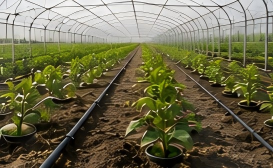
Choose a Diaphragm Pump If:
- You are injecting clean, completely dissolved liquid NPK fertilizers or clear chemical solutions.
- Your irrigation mainline operates at high pressures (above 60–80 PSI / 4–5 bar).
- You require high energy efficiency for continuous, long-duration dosing operations.
- You want lower long-term operating costs, as a high-quality diaphragm can last for thousands of hours before needing a rebuild kit, unlike peristaltic tubes which require more frequent scheduled replacements.
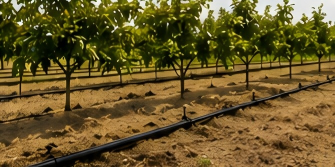
This comparison between the two types of pumps looks at different farm uses. Diaphragm pumps do best for accurately applying clean chemicals at high pressure. Conversely, peristaltic pumps handle tough organic stuff, gritty slurries, and harsh acids better. They’re more reliable, easier to use, and resist clogs and corrosion. To have a smooth, high-output setup, pick the right pump based on what chemicals are involved and the pressure needed. That’s how you get your fertilizing and irrigating systems running efficiently.